







10 Questions to Ask Before Buying Art
Buying your first serious artwork can be both exciting and intimidating.
You may enter an art fair or gallery with no intention of purchasing anything. Then one work captures your attention and suddenly you are considering spending hundreds, thousands or even significantly more.
The emotional reaction matters. Art should create curiosity, pleasure, tension or a desire to keep looking.
However, emotion alone is not enough to make an informed purchase.
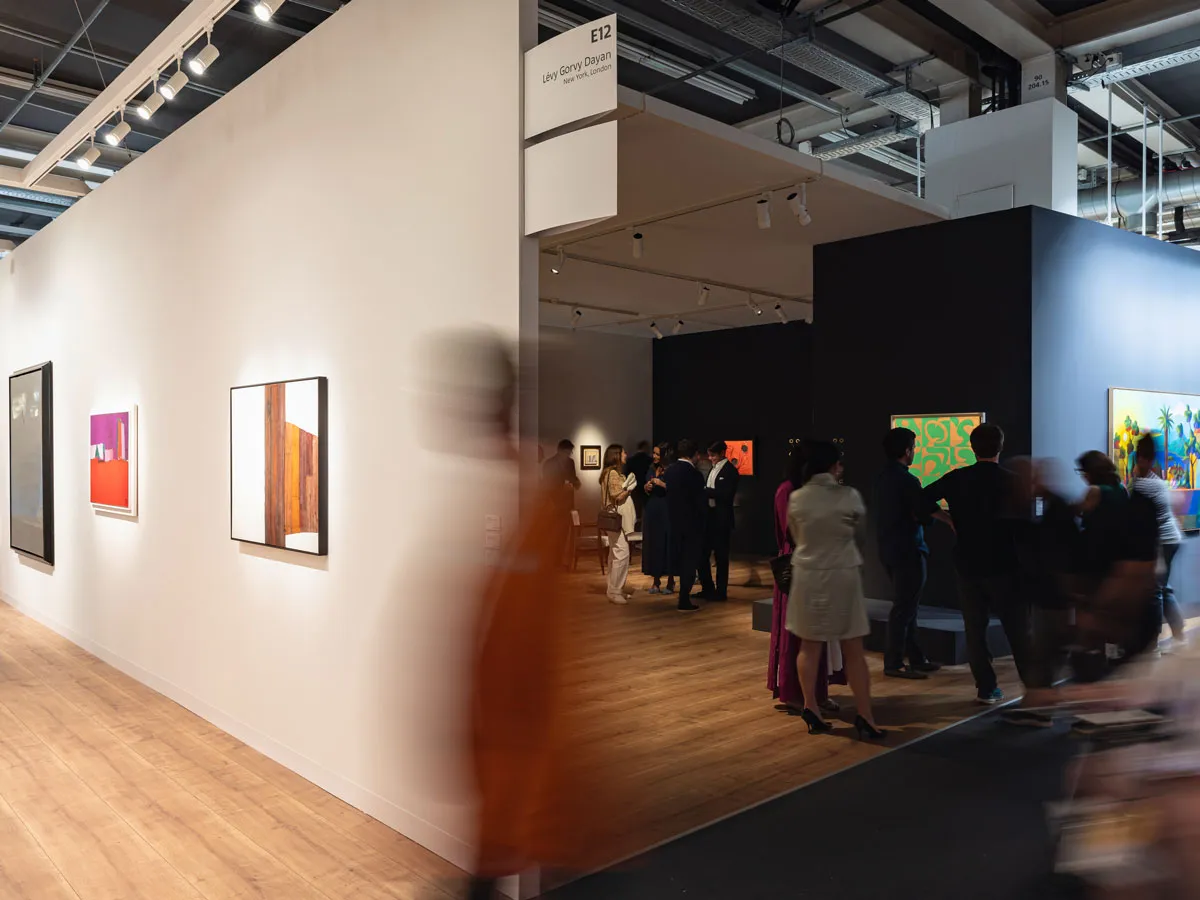
A collector also needs to understand what is being offered, who created it, why the price has been set at a particular level and what responsibilities come with ownership.
Professional gallerists expect questions. A serious conversation is not an inconvenience. It is part of the process of connecting an artist, a work and a collector.
These 10 questions can help you move from attraction to a well-considered decision.
1. What Makes This Artist and Artwork Important?
Begin with an open question.
Ask the gallerist what they consider most significant about the artist and the particular work in front of you.
This gives them an opportunity to explain more than the information printed on a wall label.
They may discuss the artist’s subject matter, working process, use of materials or relationship with a larger artistic movement.
The answer can also reveal why the gallery chose to represent or exhibit the artist.
Listen for specific information.
A strong response should explain what distinguishes the artist’s practice. It should not rely only on vague claims that the artist is «important,» «unique» or «one to watch.»
You should leave the conversation with a clearer understanding of what the artist is attempting to do and why this work is a meaningful example.
2. What Ideas or Themes Does the Artist Explore?
A visually attractive artwork may carry historical, political, personal or conceptual meaning that is not immediately obvious.
Ask which themes appear repeatedly in the artist’s work.
The artist may be examining migration, memory, technology, identity, ecology, architecture, gender, labor, family or the history of painting itself.
Understanding these ideas helps you determine whether your interest extends beyond the surface appearance.
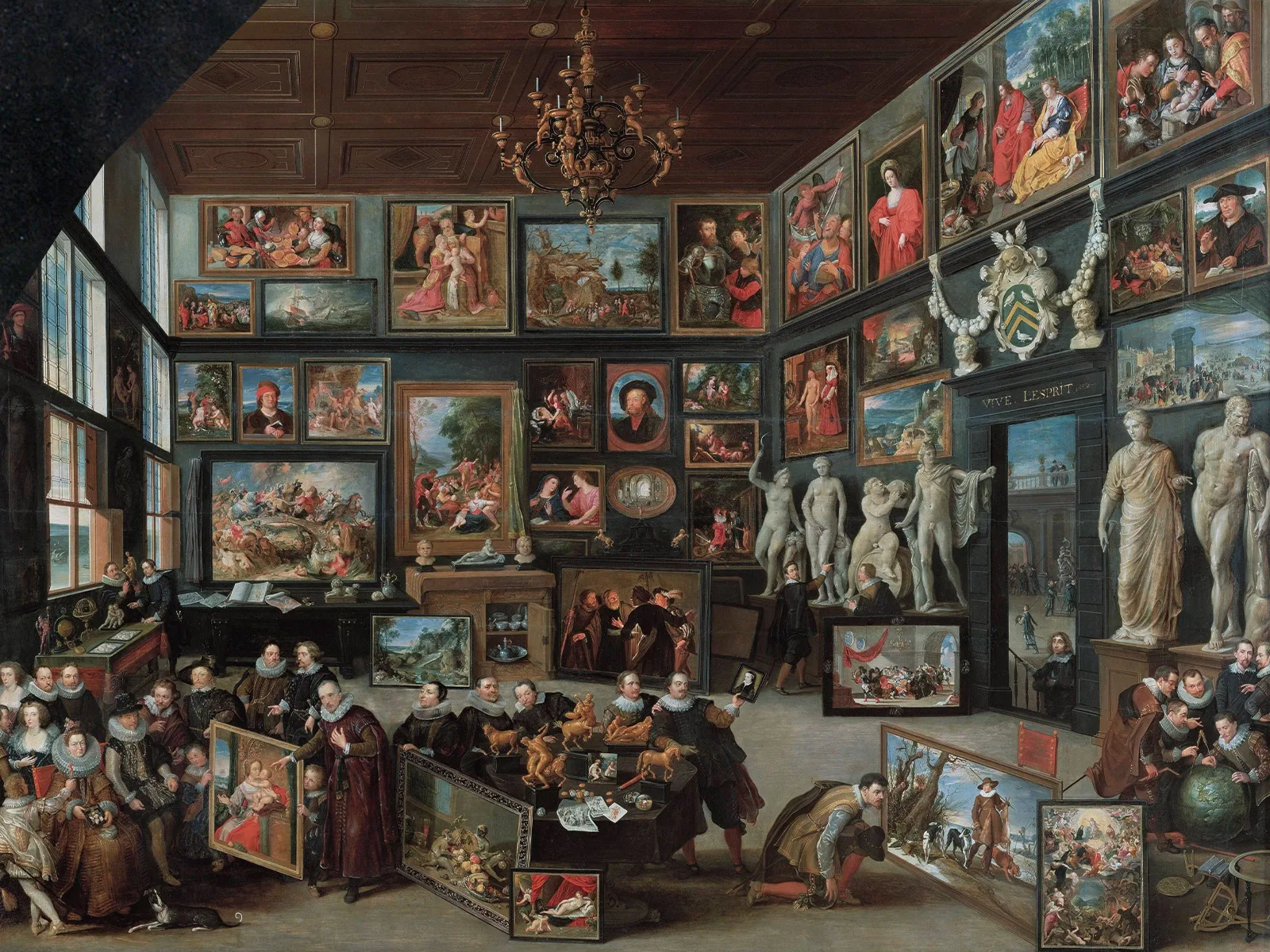
It also places the artwork inside a broader cultural conversation.
This does not mean that you must agree with every interpretation provided by the gallery. Art can remain ambiguous and viewers may respond differently.
However, you should understand the basic context before purchasing.
3. How Is the Artist’s Career Developing?
The answer will depend on whether the artist is emerging, mid-career or established.
For an emerging artist, ask how the work has developed over the past several years.
Has the artist moved from one medium to another? Is the current series part of a long investigation or a completely new direction? Has the quality remained consistent?
Also ask about education, residencies, exhibitions, awards and upcoming projects.
For an established artist, the questions change.
Which museums hold the artist’s work? Has the artist had significant institutional exhibitions? Are there published catalogues, critical essays or a catalogue raisonné?
An impressive list of exhibitions does not automatically make an artwork good. However, an institutional record can demonstrate that curators and scholars have taken the practice seriously over time.
4. Why Did the Gallery Select This Particular Work?
Not every work by an artist has the same significance.
Ask how this piece relates to the artist’s wider practice.
Is it from an important series? Does it represent a turning point? Was it included in a major exhibition? Is the composition or technique unusual?
A gallery may be showing the work because it is considered representative of the artist. Alternatively, it may be an experimental piece that reveals a less familiar direction.
This distinction matters.
Collectors sometimes become attracted to a famous name but purchase a minor work simply because it is affordable.
A less expensive piece can still be excellent, but the buyer should understand exactly what role it plays in the artist’s career.
5. Who Else Collects or Exhibits the Artist?
Ask where the gallery hopes to place the artist’s work.
Responsible galleries often think carefully about the collections their artists enter.
They may prioritize museums, foundations or private collectors who regularly lend works to exhibitions.
Ask whether institutions already own works by the artist and whether important curators or critics have engaged with the practice.
The gallery may not disclose the names of private clients, and it should respect confidentiality. However, it can usually provide general information about institutional acquisitions and exhibitions.
This question also helps you understand the gallery’s strategy.
Is it attempting to build the artist’s career gradually, or is it mainly trying to create rapid demand?
6. What Is the Price and How Was It Determined?
New buyers sometimes feel embarrassed to ask about price.
There is no reason to hesitate.
Once you are seriously considering a purchase, ask directly how much the work costs and whether taxes, framing, shipping or installation are included.
You should also ask how the gallery determined the price.
For primary-market works, prices may reflect the artist’s career stage, exhibition history, size, medium, complexity and previous sales.
Works from the same series should generally follow a consistent structure. A gallery should not invent a completely different price simply because a buyer appears wealthy or enthusiastic.
For secondary-market works, ask about previous auction results and comparable sales.
Auction data must be interpreted carefully. One unusually high or low result does not establish the true value of every work by an artist.
Quality, date, subject, condition, provenance and scale can produce major differences.
7. Is the Work Unique, Part of an Edition or Available in Other Versions?
This question is essential for photographs, prints, sculptures, videos and digital artworks.
A painting is usually unique, but other media may exist in editions.
Ask about the total edition size, artist’s proofs and any versions in different dimensions or materials.
For example, a photograph may be offered in an edition of five, with additional artist’s proofs. A sculpture may exist in several casts. A video work may include a certificate and specific display instructions.
The number of editions can affect rarity and price.
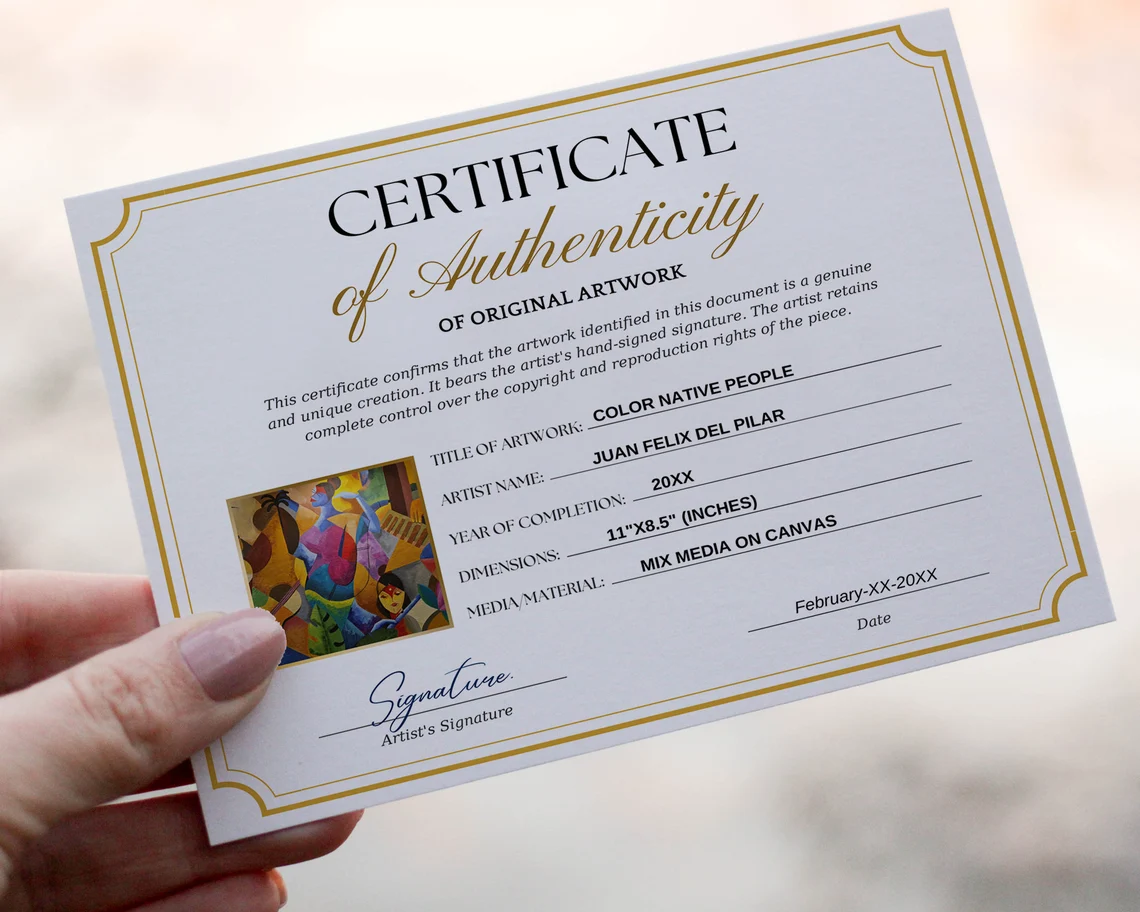
You should also confirm which number you are buying and whether other editions have already been sold.
For digital or time-based art, clarify what ownership includes.
Are you purchasing a file, a physical display, a token, a certificate, installation instructions or a license to exhibit the work?
Never assume that owning a digital file automatically gives you copyright or unlimited reproduction rights.
8. What Is the Provenance and Condition of the Artwork?
Provenance is the documented history of ownership.
For a newly created work purchased directly from the artist’s gallery, the history may be straightforward.
For an older or secondary-market work, provenance becomes more important.
Ask who previously owned it, where it has been exhibited and whether it appears in relevant publications.
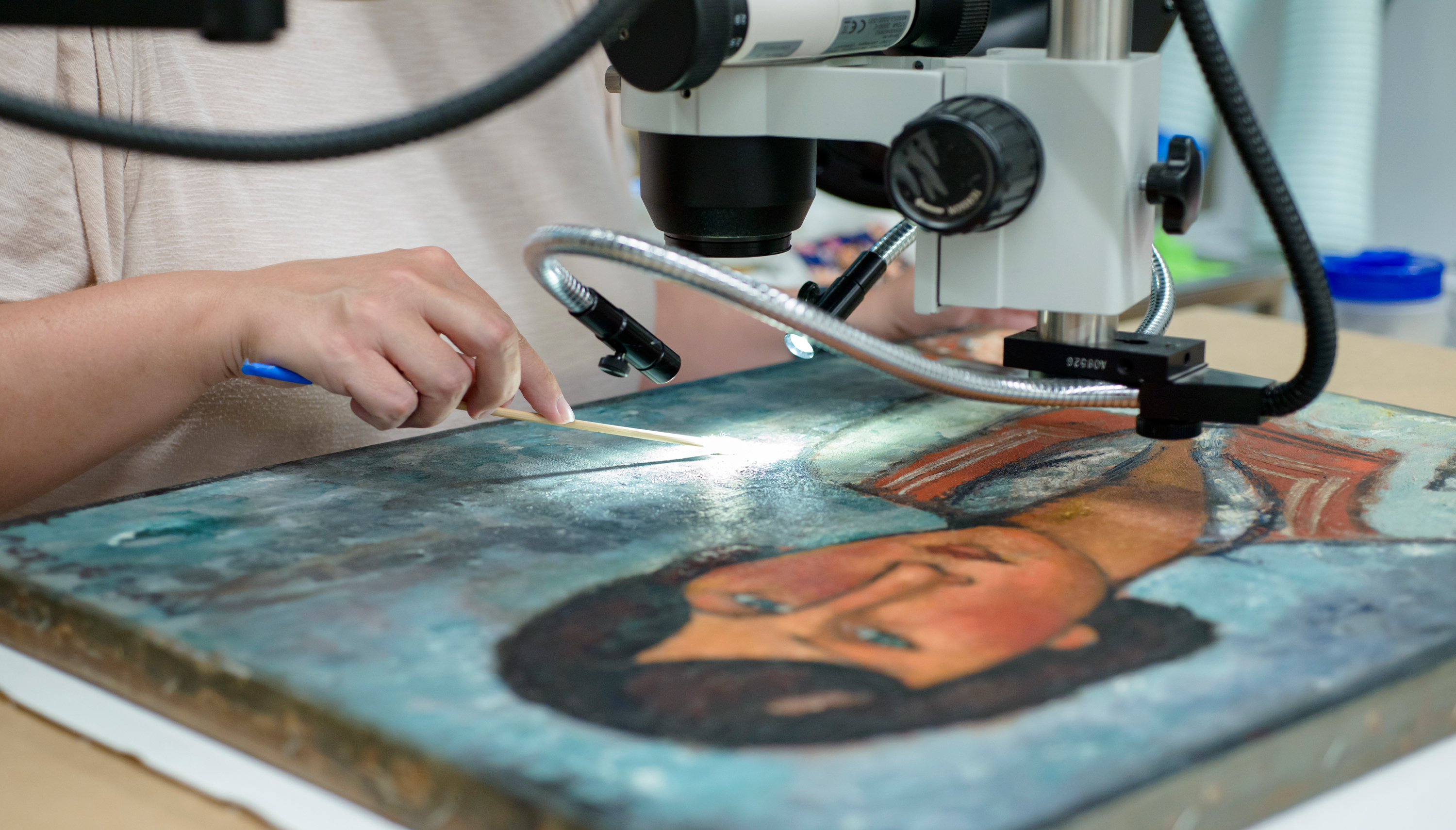
Incomplete provenance does not always indicate a problem, but unexplained gaps require further investigation.
You should also request a condition report when appropriate.
Paintings may have cracking, fading, repairs or areas of overpainting. Works on paper can suffer from staining, foxing or damage caused by light. Sculptures may have scratches, corrosion or replaced elements.
The existence of restoration does not necessarily make a work unacceptable. Many older artworks have received conservation treatment.
The important issue is disclosure.
A buyer needs to know the current condition and whether future treatment may be required.
9. How Will the Artwork Be Delivered, Installed and Maintained?
The purchase price may be only one part of the total cost.
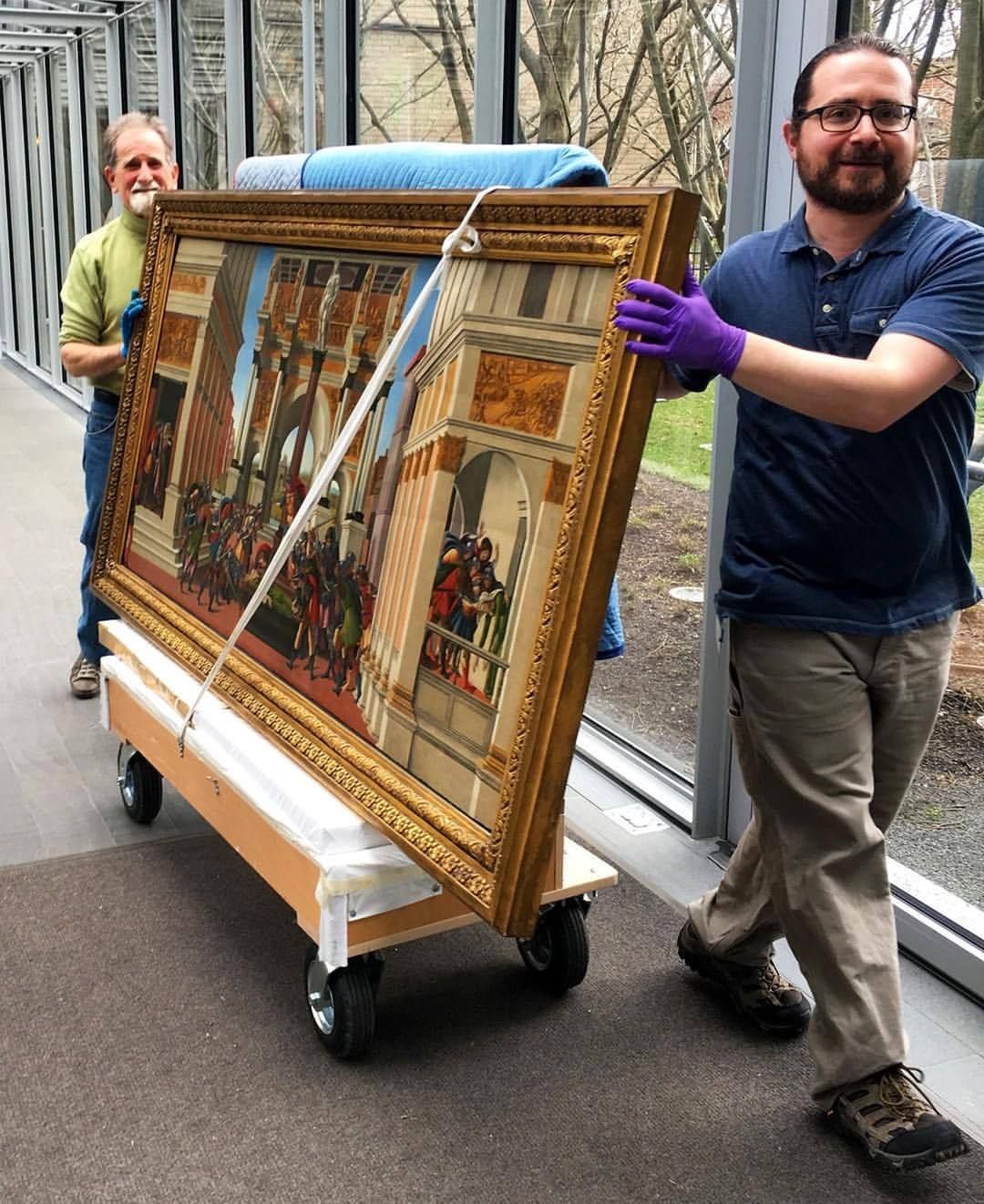
Ask how the work will be packed, transported and insured.
Large paintings, sculptures and fragile installations may require specialist art handlers.
International purchases can also involve customs documents, import taxes and temporary export restrictions.
Installation may be simple, or it may require engineers, electricians, reinforced walls, specialist lighting or audiovisual equipment.
You should also understand the long-term care requirements.
Does the work need protection from direct sunlight? Is stable temperature or humidity required? Should it be framed with museum-quality glass?
Digital and media artworks create additional responsibilities. Screens, computers and software eventually become obsolete.
Ask whether the artist or gallery provides instructions for replacing hardware and migrating files to new formats.
A work you cannot safely display or maintain may not be the right purchase, regardless of how strongly you respond to it.
10. What Happens After I Buy the Work?
A good gallery relationship does not end when payment is received.
Ask about the artist’s upcoming exhibitions, publications and projects.
The gallery may notify you when new works become available, invite you to studio visits or help arrange loans to museums.
Collectors can support artists in ways that extend beyond purchasing.
You may lend the work to an institutional exhibition, sponsor a publication, introduce the artist to a curator or participate in a museum acquisition group.
At the same time, you should not expect personal access to the artist simply because you bought a work.
Healthy patronage respects professional boundaries.
Ask the gallery how it works with collectors over the long term and what kind of involvement is appropriate.
Additional Documents to Request
Before completing the purchase, confirm which documents will be provided.
Depending on the artwork, these may include:
a sales invoice;
a certificate of authenticity;
provenance documentation;
a condition report;
an edition certificate;
installation instructions;
maintenance guidelines;
copyright and display terms;
export or import documentation.
The invoice should clearly identify the artist, title, date, medium, dimensions, edition number and agreed price.
Keep all documents permanently.
They will be important for insurance, future loans, estate planning and any eventual resale.
Should You Negotiate the Price?
Discounts exist in the art market, but new collectors should approach the subject carefully.
A polite question about flexibility is acceptable, particularly when purchasing more than one work or developing a long-term relationship with a gallery.
Aggressive bargaining can damage trust.
Primary-market galleries must maintain consistent prices for their artists. Large discounts may undermine the artist’s market and create problems with other collectors.
A payment plan can sometimes be more appropriate than requesting a major reduction.
Many galleries allow buyers to pay in several installments, especially when they know the collector and believe the work is going to a responsible home.
Do Not Buy Only Because Someone Says the Price Will Rise
A gallerist can explain an artist’s career and market, but no one can guarantee that an artwork will increase in value.
Emerging artists may receive rapid attention and then disappear from the market.
Established artists can also experience changing demand.
Buyers should be particularly cautious when urgency is created through claims that everyone wants the artist or that the price will double soon.
Genuine demand exists, but pressure should not replace due diligence.
The safest approach is to purchase a work you consider artistically strong, at a price you can afford, with the expectation that you may own it for many years.
Building Relationships Is Part of Collecting
The art world depends on relationships.
Collectors learn through conversations with artists, gallerists, curators, conservators and other collectors.
You do not need to pretend to know more than you do.
A thoughtful beginner who asks serious questions is usually more welcome than a buyer who tries to impress everyone.

Return to galleries. Follow artists over time. Visit exhibitions without always expecting to purchase.
This allows your judgment to develop.
The goal is not simply to acquire an object. It is to understand why the work matters and how it fits into the collection you are gradually building.
Editorial Note
ArtExpoWorld believes the most important question before buying an artwork is not «Will its price rise?» but «Do I understand what I am buying?»
A collector should know the artist’s practice, the work’s condition, its provenance, the price structure and the responsibilities associated with ownership.
This does not remove emotion from collecting. On the contrary, knowledge makes the emotional decision stronger.
The art market can appear deliberately mysterious, particularly to new buyers. Prices are not always displayed, terminology can be confusing and buyers may fear asking basic questions.
Professional galleries should reduce that uncertainty rather than use it to pressure clients.
A serious collector does not need to know everything before entering a booth. The collector needs enough confidence to ask clear questions and enough patience to walk away when the answers are incomplete.
The best purchases usually begin with excitement, continue through research and end with a decision that still feels right after the atmosphere of the fair has disappeared.