







Alex Estorick: Hybrid Collecting in the Age of Digital Art
The debate between physical art and digital art increasingly feels outdated.
Collectors no longer need to choose one side.
A contemporary collection can contain paintings, prints, generative algorithms, NFTs, video installations, and works that move between screen and physical object.
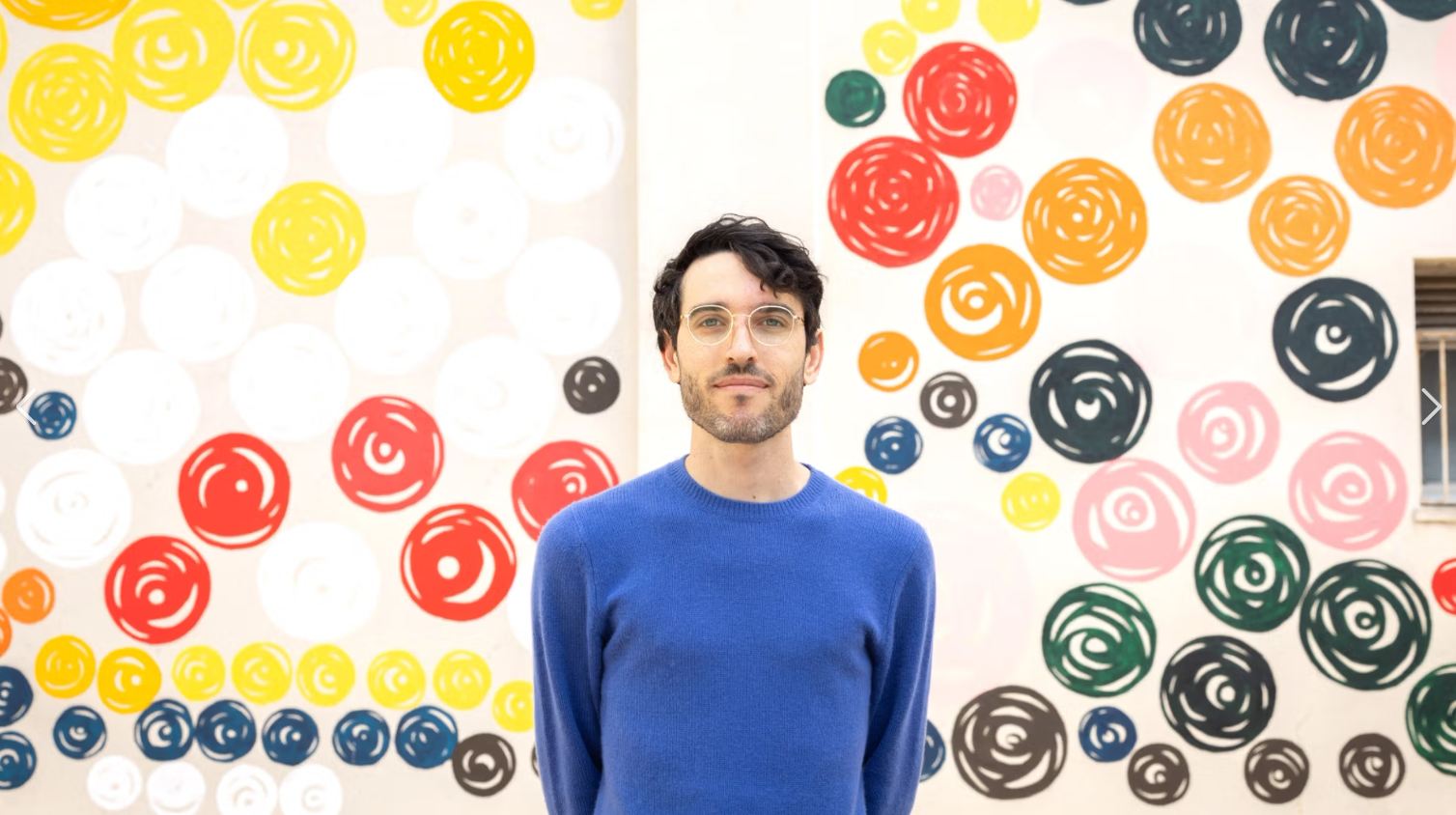
Alex Estorick has become one of the voices explaining this hybrid environment.
He is associated with Right Click Save, an editorial platform created to document digital art and Web3 culture.
The project developed alongside ClubNFT, a company focused on helping collectors protect digital assets.
For Estorick, the most important change in digital collecting is not technological.
It is historical.
Artists working with blockchain are increasingly being understood in relation to earlier computer art, conceptual art, video, performance, and internet culture.
This context is helping digital art move beyond the speculative NFT boom.
Digital Art Needs Art History
The first NFT boom often treated blockchain as though it had invented digital art.
It had not.
Artists had worked with computers for decades.
Generative systems, algorithmic images, digital video, and internet art all existed long before cryptocurrency.
Blockchain introduced new mechanisms for ownership, provenance, and distribution.
The artistic history came earlier.
Estorick argues that the field is becoming easier to understand because new publications and exhibitions are creating these historical connections.
Collectors can now evaluate digital work as part of a longer story.
Right Click Save
Right Click Save began as an online magazine.
It later developed into a book and broader editorial archive.
Its mission was to document the emerging Web3 art ecosystem through detailed conversations with artists and cultural figures.
A central principle was that artists should have a role in defining how their work is interpreted.
This matters because new technologies often attract commentators who focus on markets rather than artistic practice.
Right Click Save tried to reverse that priority.
Technology becomes part of the discussion.
The artist remains central.
ClubNFT and the Problem of Preservation
The editorial platform is connected with ClubNFT.
The company was founded by collector Jason Bailey, widely known online as Artnome.
ClubNFT focuses on securing digital assets.
This addresses a problem many early NFT buyers underestimated.
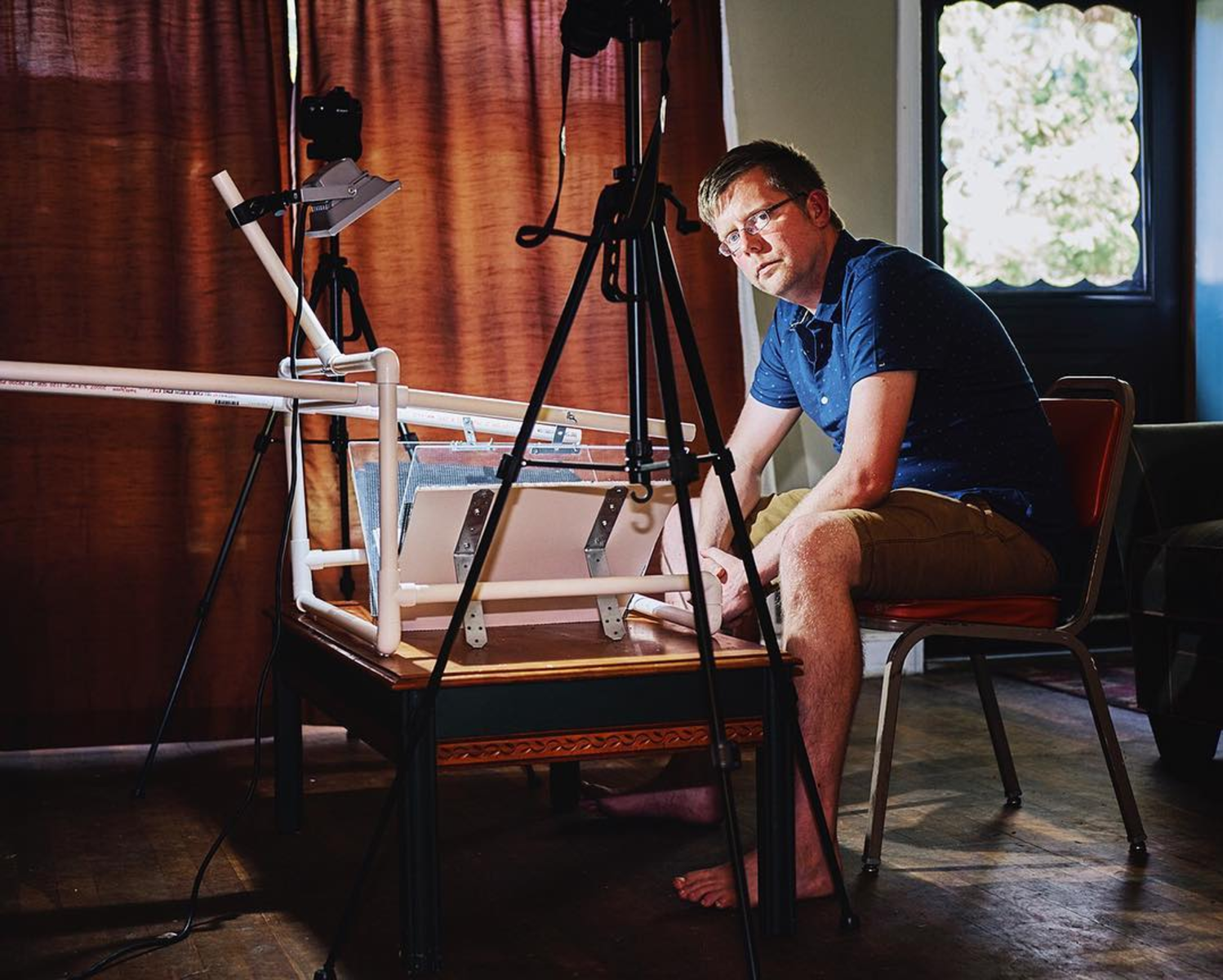
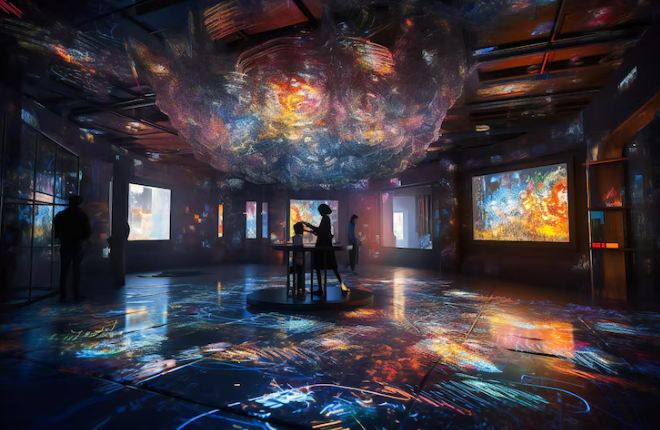
Owning a token does not necessarily mean the artwork itself is safely stored forever.
The blockchain may contain ownership information while the image or media file exists elsewhere.
If that external storage fails, the token can remain while the associated artwork disappears.
Collectors therefore need to understand where their files actually live.
Jason Bailey and Artnome
Jason Bailey became one of the early advocates for digital art and blockchain collecting.
Through Artnome, he wrote extensively about art data, technology, and emerging digital culture.
His work helped connect traditional art-market analysis with the developing NFT ecosystem.
Founding ClubNFT extended this interest from criticism into infrastructure.
A mature collecting field requires more than marketplaces.
It needs conservation systems, archives, publications, and professional standards.
Marina Abramović Enters the Blockchain Conversation
Right Click Save has featured discussions with figures including Marina Abramović.
Abramović is one of the most important performance artists of the contemporary era.
Her involvement demonstrates how blockchain culture has moved beyond purely crypto-native creators.
Established artists are exploring digital ownership and new forms of audience participation.
This does not automatically validate every blockchain project.
It shows that the medium has become relevant to artists with long institutional histories.
Hans Ulrich Obrist and Curatorial Recognition
Curator Hans Ulrich Obrist has also participated in conversations around digital and blockchain-based art.
Obrist is known for his work with artists across disciplines and generations.
When influential curators engage seriously with digital practices, the conversation changes.
The question becomes less about whether NFTs are «real art.»
The more useful question is which artists and works deserve historical attention.
That is the same question collectors ask in every other medium.
Hybrid Collecting
Estorick uses the idea of hybrid collecting to describe a world where physical and digital objects coexist.
A collector might own:
a painting;
a generative NFT;
a print derived from code;
a video installation;
a token connected with a physical sculpture;
an artist book documenting an online project.
The categories overlap.
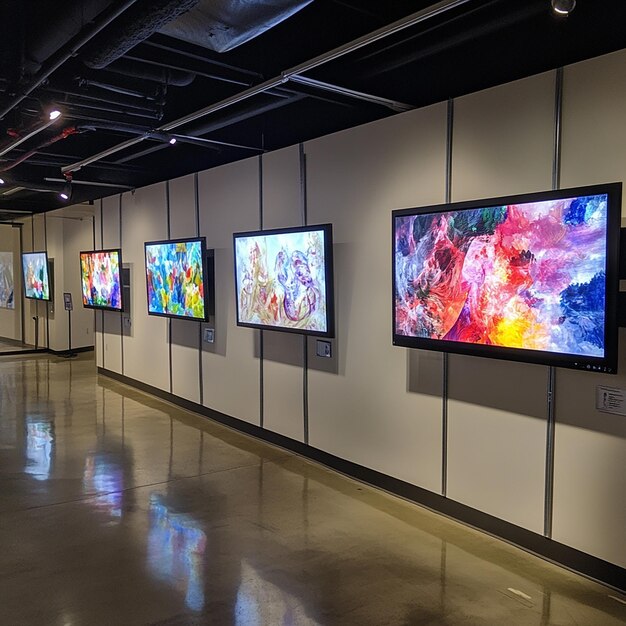
A digital artist may create physical outputs.
A painter may release blockchain-based editions.
A performance artist may use NFTs to authenticate documentation or participation.
The collection follows the artist rather than the format.
Screens Are Becoming Frames
Display technology has improved dramatically.
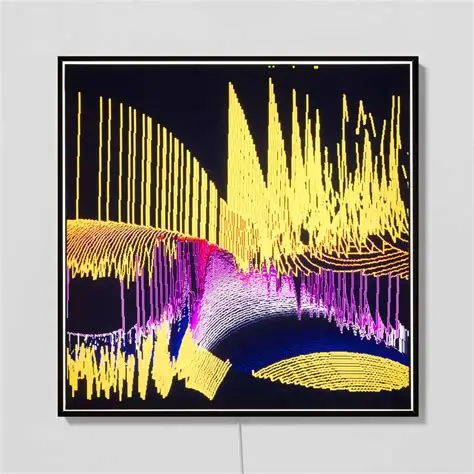
Dedicated screens can present digital works with high resolution, accurate color, and continuous motion.
This allows digital art to occupy domestic space more naturally.
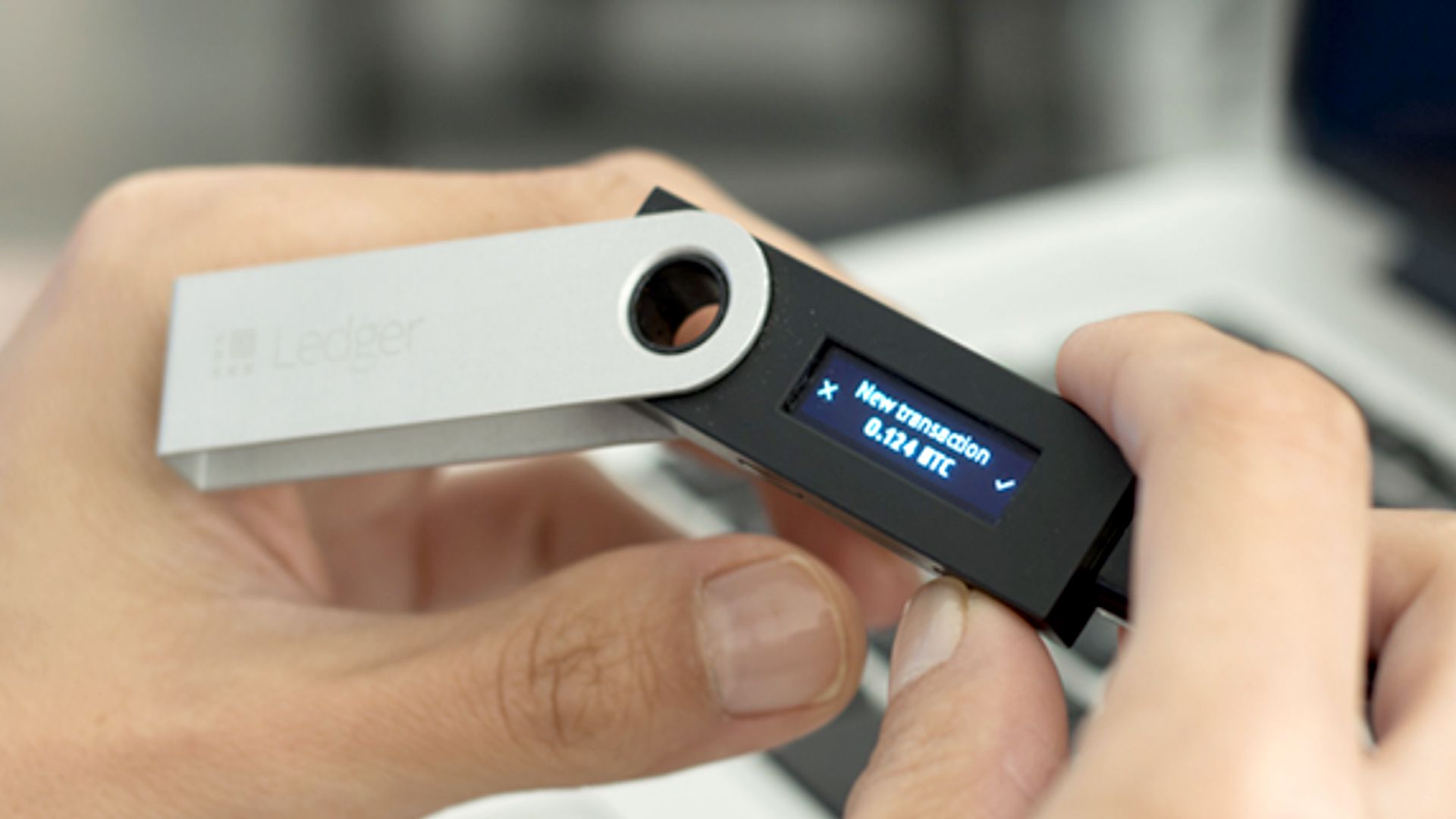
The screen becomes comparable to a frame.
However, collectors should not assume any television will reproduce the work correctly.
Brightness, aspect ratio, sound, and playback software matter.
The artist or gallery should provide display instructions.
Digital Art Can Be More Difficult to Preserve Than Painting
A painting may survive for centuries if properly conserved.
Digital art depends on technology that changes rapidly.
File formats become obsolete.
Software stops working.
Hardware manufacturers disappear.
Cloud services close.
Collectors need migration plans.
A serious digital acquisition should include information about how the work can be updated without destroying its identity.
This is digital conservation.
Blockchain Solves Only Part of the Problem
Blockchain can create transparent ownership records.
It does not solve every preservation issue.
A token may establish provenance.
The underlying file can still become inaccessible.
Collectors therefore need to distinguish between:
blockchain record;
media file;
metadata;
display system;
copyright;
backup.
All of these elements may require separate protection.
Physical Collectors Can Enter Digital Art Gradually
Collectors accustomed to paintings do not need to begin with complicated decentralized systems.
They can start with artists who create both digital and physical work.
A generative artist may offer a print connected with an algorithm.
A video artist may supply a dedicated display.
An NFT may be accompanied by a physical object.
Hybrid formats create familiar points of entry.
The collector learns the technology while still owning something physically present.
Digital Collectors Are Discovering Physical Art
The movement also works in the opposite direction.
Collectors who entered through NFTs are increasingly buying paintings, sculpture, and prints.
Many discovered the broader art world through blockchain.
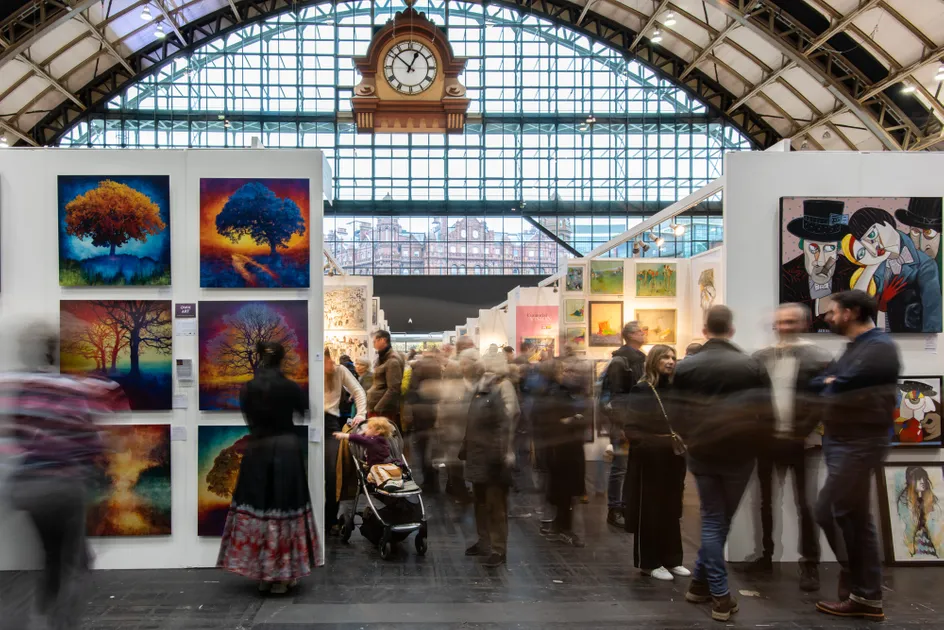
They later began attending fairs, gallery openings, and museum exhibitions.
This is one of the most important consequences of the NFT boom.
Even after speculation cooled, it left behind a new audience.
Publications Legitimize New Fields
A mature art category needs language.
Critics, historians, and artists need to discuss why works matter.
Without this, price becomes the dominant form of evaluation.
Publications such as Right Click Save help create archives.
Interviews preserve artists’ intentions.
Essays establish connections with earlier practices.
Books make the field easier for museums and researchers to study.
This intellectual infrastructure may ultimately be more important than any individual NFT marketplace.
Collectors Should Preserve Context
Digital collectors should archive more than files.
They should keep:
artist statements;
exhibition documentation;
transaction records;
screenshots;
installation instructions;
software versions;
correspondence;
edition details.
Digital culture changes quickly.
A website or platform central to an artwork today may disappear within years.
Context can vanish faster than the object itself.
Web3 Collecting Is Growing Up
The early Web3 market celebrated decentralization and rapid trading.
The newer phase is increasingly concerned with conservation, scholarship, and institutional recognition.
This is a normal development.
Every collecting field matures.
Photography once struggled for acceptance.
Video art raised questions about ownership.
Conceptual art forced collectors to buy certificates and instructions.
Digital art is going through a similar process.
The Best Digital Art Is Not About Technology Alone
The strongest artists do not use blockchain merely because it exists.
Technology serves an artistic idea.
The work may examine:
authorship;
automation;
identity;
surveillance;
ownership;
artificial intelligence;
online communities;
the circulation of images.
When technology becomes the entire content, novelty can fade quickly.
Collectors should ask whether the work would remain intellectually interesting once the technology becomes ordinary.
Digital Dialogues at Art Basel
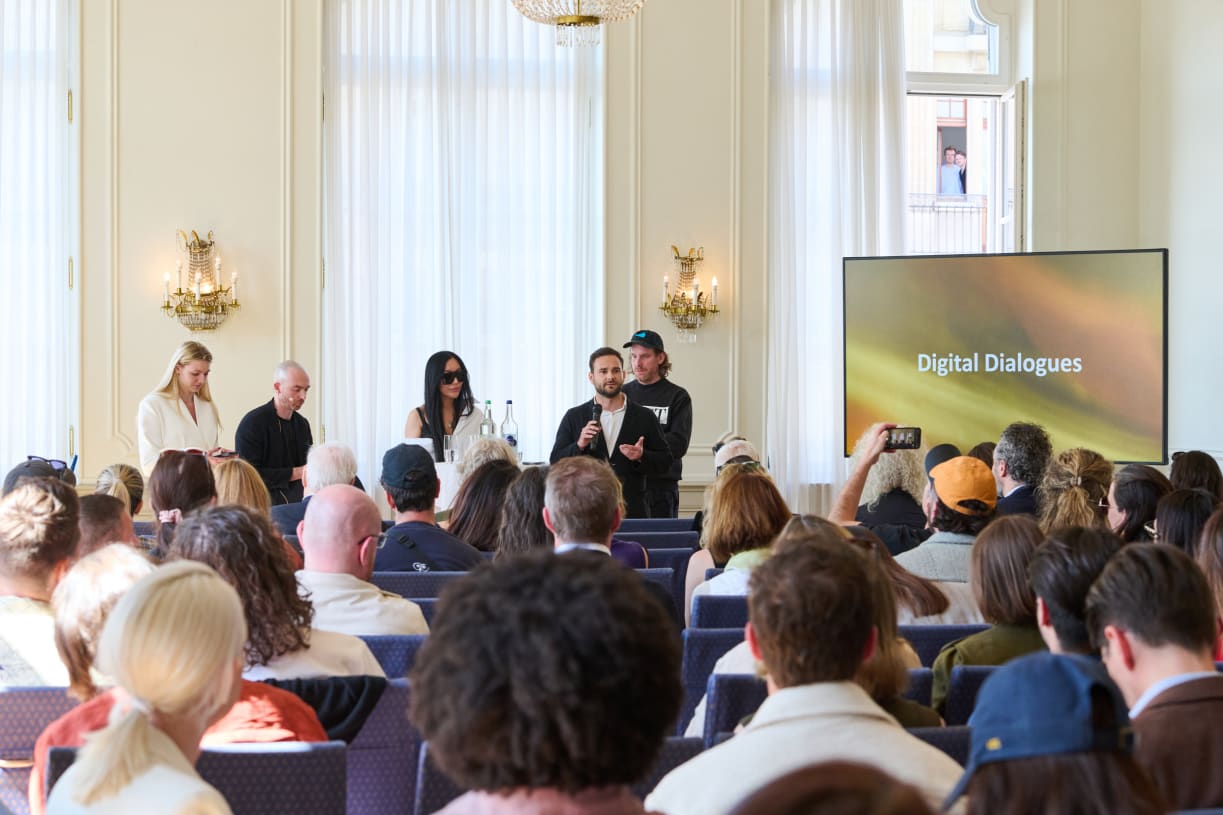
Art Basel’s Digital Dialogues in Basel in June 2024 reflected the growing seriousness of the field.
Bringing digital-art conversations into the context of a major international fair helped connect traditional collectors with artists, curators, and technologists.
This institutional overlap is exactly where hybrid collecting develops.
The art world is no longer divided neatly into old collectors and crypto collectors.
The audiences are beginning to mix.
Editorial Note
ArtExpoWorld believes the idea of «digital versus physical» is becoming useless.
Artists do not respect that boundary anymore, so collectors should not feel obligated to either.
The real distinction remains the same as it has always been: important art versus weak art.
Blockchain can authenticate ownership.
A beautiful screen can display the work.
Neither can create artistic significance.
Alex Estorick’s emphasis on publications and preservation is therefore especially important.
The NFT boom taught collectors how quickly prices can rise.
The next phase needs to teach them how culture survives.
A digital collection that loses its files, metadata, and context is not a collection.
It is a list of transactions.