







How to Build an Art Collection on a Budget
The idea that serious art collecting is reserved for millionaires is one of the most persistent myths surrounding the art market.
Major auction records, celebrity collectors, and museum-quality masterpieces receive the greatest publicity. Yet many respected collections began with modest purchases, years of research, and collectors willing to look where wealthier buyers were not.
Building a meaningful collection with limited resources is still possible.
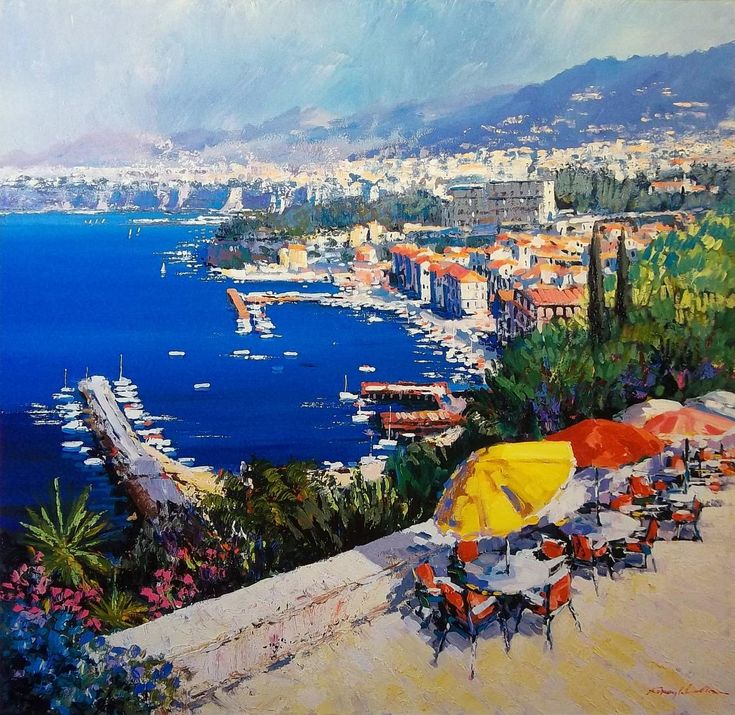
It requires more patience than money, more curiosity than status, and a willingness to study emerging artists, regional scenes, editions, works on paper, and objects overlooked by the mainstream market.
The goal is not to imitate a billionaire’s collection on a smaller budget.
The goal is to develop an intelligent and personal collection in an area where knowledge can matter more than purchasing power.
Herb and Dorothy Vogel Proved That Wealth Is Not Essential
Herb and Dorothy Vogel remain among the most famous examples of collectors who built an important collection without extraordinary financial resources.
Herb worked as a postal employee, while Dorothy was a librarian.
Beginning in the 1960s, the New York couple acquired almost 5,000 works, particularly Conceptual and Minimalist art.
They did not attempt to compete for the largest or most expensive pieces.
Instead, they concentrated on works they could afford and physically carry home. Drawings, small sculptures, studies, and works on paper became central to the collection.
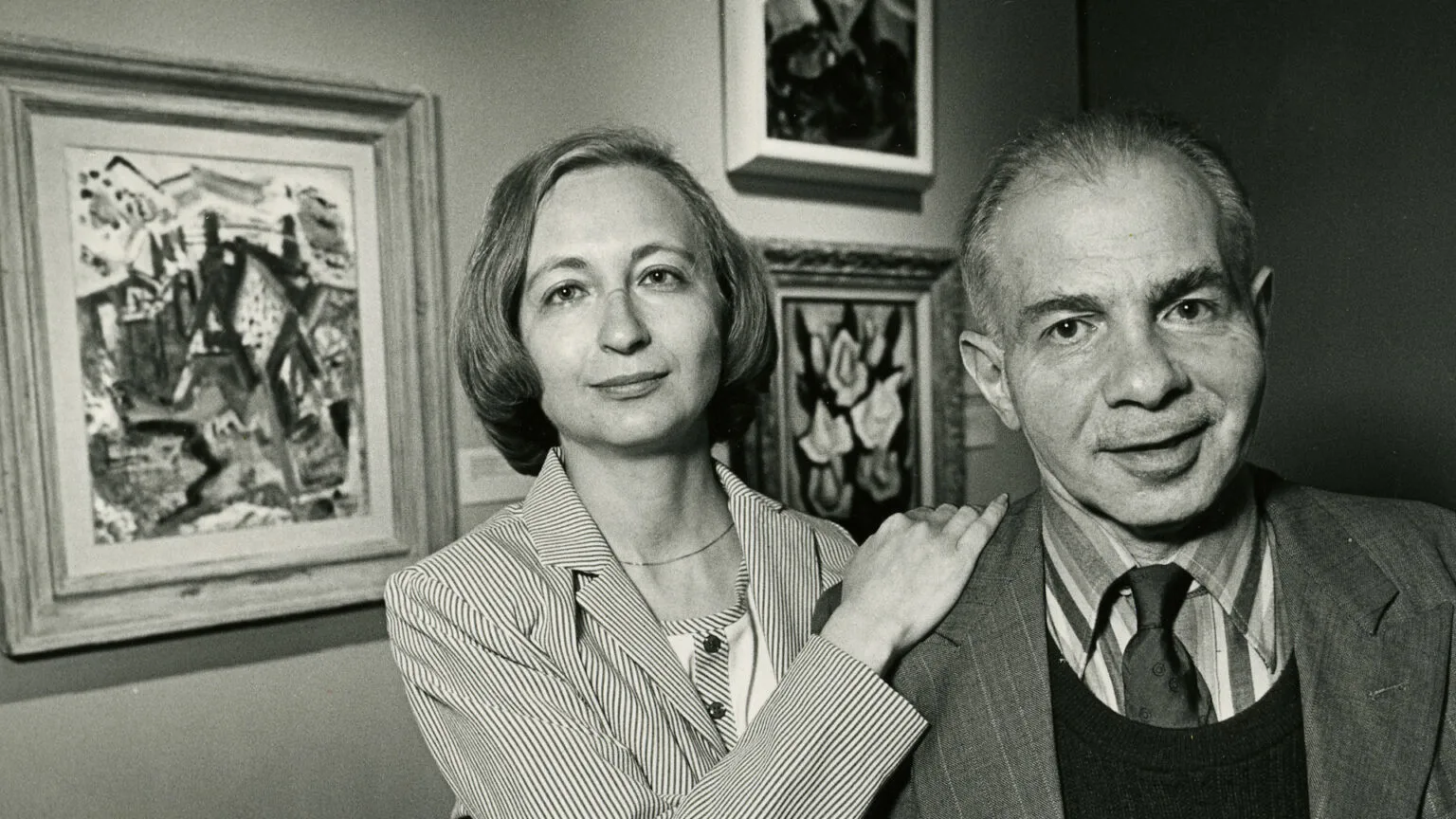
The Vogels also developed close relationships with artists.
They visited studios, followed practices over long periods, and sometimes purchased work before artists received wider recognition.
Their example demonstrates that a collector’s advantage does not always come from money.
Time, consistency, and access to artists can be equally valuable.
Hannah Beck-Mannagetta and the Unexpected Opportunity
Curator and collector Hannah Beck-Mannagetta encountered one of the most unusual opportunities available to a budget-conscious collector.
Shortly after moving into a home in Berlin’s Charlottenburg district, she learned that an Asia-based gallery was closing its Berlin location and urgently clearing its storage.
Collectors arrived in cars and removed artworks so large that frames were reportedly extending through the windows.
Beck-Mannagetta acquired photographs by a recognized Indian photographer. The artist had rejected the portraits because the framing was considered imperfect, and the works were otherwise likely to be discarded.
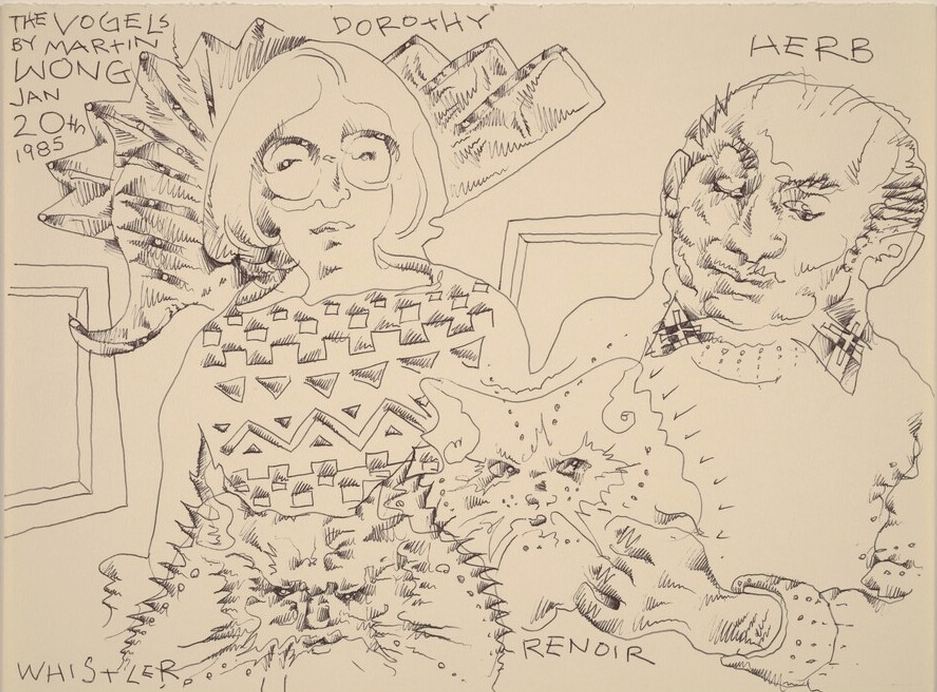
Clearance opportunities of this kind are rare.
Nevertheless, the story reveals an important principle: artworks can become available for reasons that have little to do with their artistic quality.
A gallery may close. An estate may need to be organized. A collector may reduce storage costs. A work may have damaged framing but remain artistically intact.
Collectors who maintain relationships with galleries, curators, and artists are more likely to hear about these situations.
Start With Emerging Artists at Established Galleries
Adina Rieckmann, collector and chairwoman of the Dresden Art Association, recommends visiting established local galleries and asking about the younger artists in their programs.
A gallery’s emerging artists are often priced considerably below its better-known names.
Gallery representation does not guarantee future success, but it can provide several forms of reassurance.
The gallery has usually visited the artist’s studio, examined the development of the work, and decided to invest time in exhibitions, sales, and career building.
The collector should still conduct independent research.
Look at earlier work.
Ask how long the gallery has represented the artist. Find out whether prices are consistent and whether the artist has participated in residencies, institutional exhibitions, or serious group shows.
Rieckmann’s own collection combines internationally recognized artists such as Miriam Cahn and Nina Canell with regional artists including Stephanie Lüning and Nadine Wölk.
This balance gives the collection both established reference points and a personal regional identity.
Look Beyond the Major Art Capitals
London, Paris, New York, Los Angeles, Hong Kong, and Berlin attract enormous attention.
That attention also creates competition.
Artists represented by leading galleries in major cities can become expensive very quickly, particularly when several influential collectors pursue the same work.
Regional art scenes offer a different opportunity.
Collectors can discover artists in Dresden, Tbilisi, Prague, Kyiv, and other cities before international demand becomes intense.
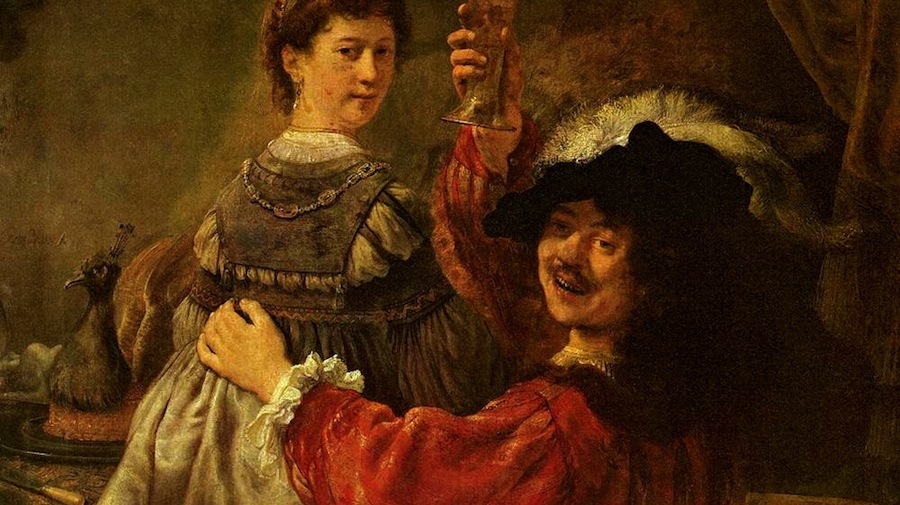
Local collecting can also create a stronger relationship between the collection and a specific place.
A collector may follow how artists respond to the architecture, politics, communities, and history of their region.
The risk is that smaller markets may receive less critical attention and offer limited resale opportunities.
Collectors should therefore buy because they believe in the work, not because they expect immediate financial growth.
Dean Eigenmann and the Contemporary Art Scene in Kyiv
Zurich-based entrepreneur and collector Dean Eigenmann became interested in Kyiv’s contemporary art scene through a personal connection.
His partner is Ukrainian, and one of his early visits developed through a Berlin-based tattoo artist who had returned to Ukraine.
During the visit, Eigenmann learned about an open-studio event at the Kyiv Institute of Automation.
He purchased several works and later returned for more.
Eigenmann was attracted to artists responding directly to war and rapid social change.
For him, this immediacy was different from the production systems of globally established artists working through large studios.
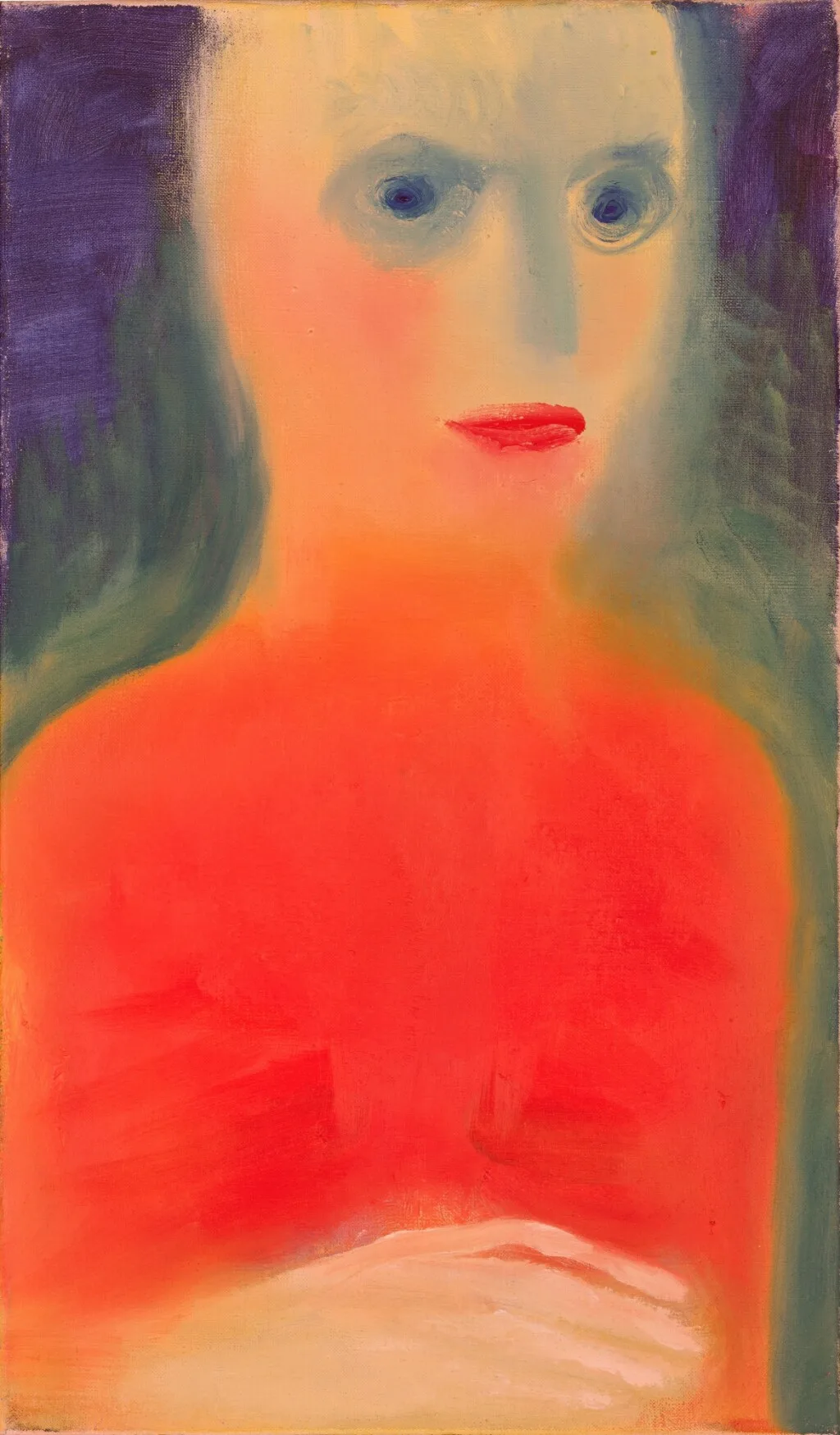
His approach illustrates two important strategies.
The first is to visit open studios and art-school exhibitions.
The second is to pay attention to artistic communities during periods when they may need direct support.
Collecting in a region affected by conflict requires sensitivity. Artists should not be treated as symbols of tragedy or as speculative opportunities.
The work itself, the artist’s intentions, and the long-term relationship must remain central.
Visit Art-School Degree Shows and Open Studios
Art-school exhibitions are among the most accessible places to discover artists at the beginning of their careers.
Prices are often lower because the artists have not yet developed a gallery market.
Visitors can usually speak directly with the artists and understand how the work was created.
However, purchasing from students carries obvious uncertainty.
Some graduates will stop making art. Others may completely change direction. Few will develop international careers.
The collector should therefore avoid treating every degree show as a search for the next market star.
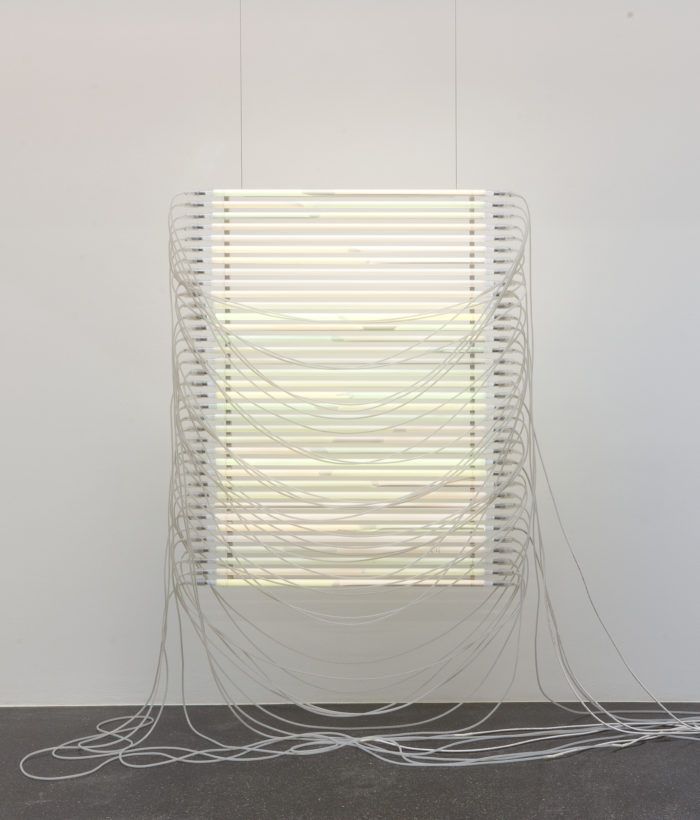
Buy a work because it is strong enough to remain meaningful even if the artist never becomes famous.
Open studios offer a similar advantage.
They allow collectors to see sketches, unfinished projects, and relationships between different bodies of work.
A polished gallery exhibition presents a selected version of an artist’s practice. A studio can reveal how that practice actually develops.
Exchange Skills for Art
Money is not the only resource a collector can offer.
Some artists and galleries are open to exchanging artworks for professional services.
Possible arrangements may involve photography, filmmaking, writing, legal assistance, website development, design, accounting, or technical support.
Berlin-based photographer Vitali Gelwich has acquired part of his collection through this type of collaboration.
A gallery once asked him to produce a short film about a young Berlin painter whose work he admired.
Gelwich covered the production costs and received one of the artist’s paintings in return.

Barter should be handled professionally.
Both sides need to agree on the value of the service and the artwork. The collector should still receive an invoice or written transfer document identifying the artist, title, date, medium, and dimensions.
An informal exchange without documentation can create future problems involving authenticity, insurance, and ownership.
The arrangement should also be fair.
Artists should not be pressured to exchange valuable work for services worth considerably less.
Buy Editions by Established Artists
Editioned art can provide access to important artists at lower prices.
Prints, photographs, multiples, and small sculptures may exist in several copies, reducing the price compared with unique works.
Collectors Florian Staudinger and Paul Hallam use this strategy.
They purchase through galleries and art fairs while also looking for lesser-known artists, works on paper, and editions.
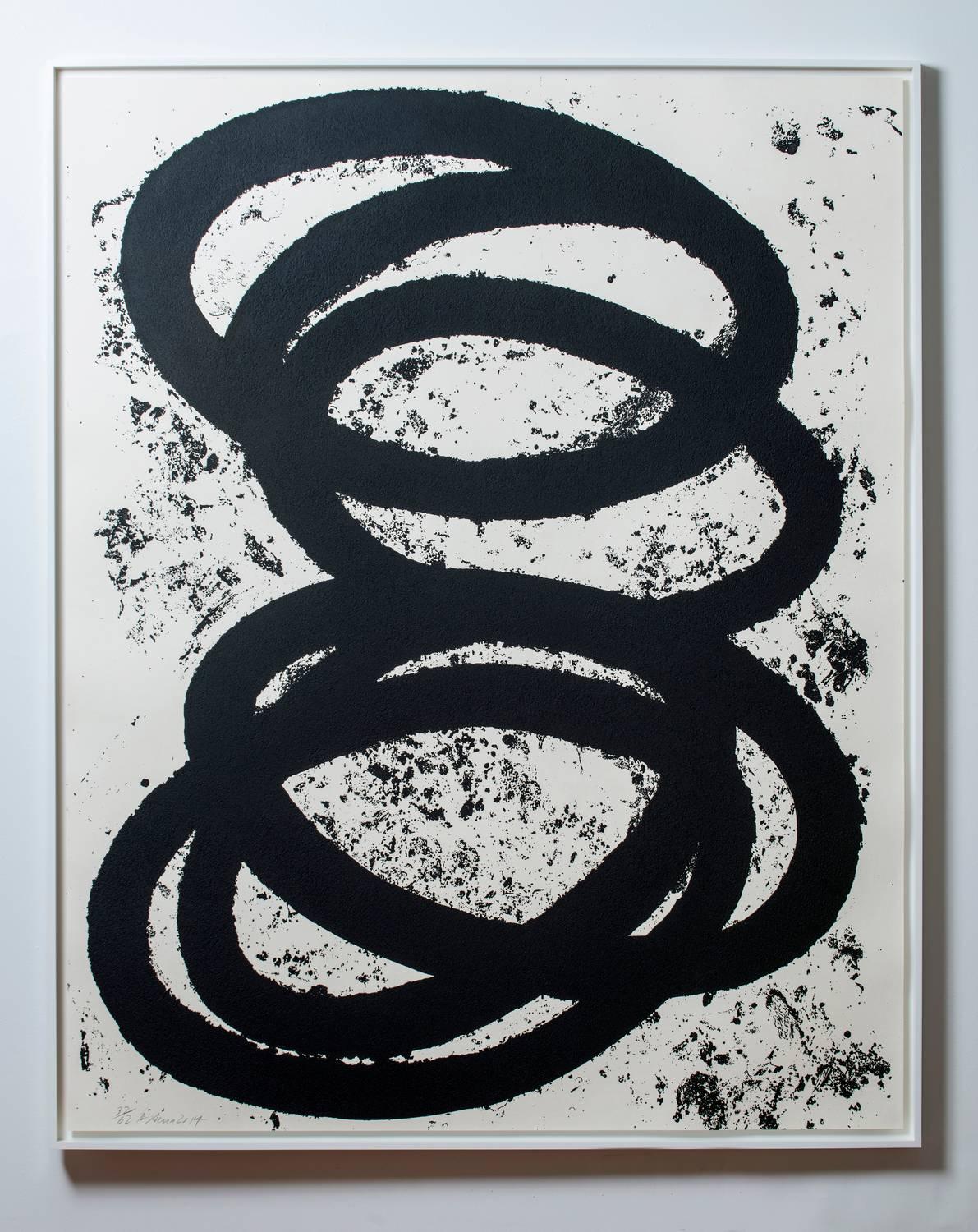
Their collection includes editioned works by recognized artists such as Richard Serra, Peter Fischli and David Weiss, and Olivier Mosset.
An edition should not be treated as a lesser version of a unique artwork.
Many artists consider printmaking and multiples an essential part of their practice.
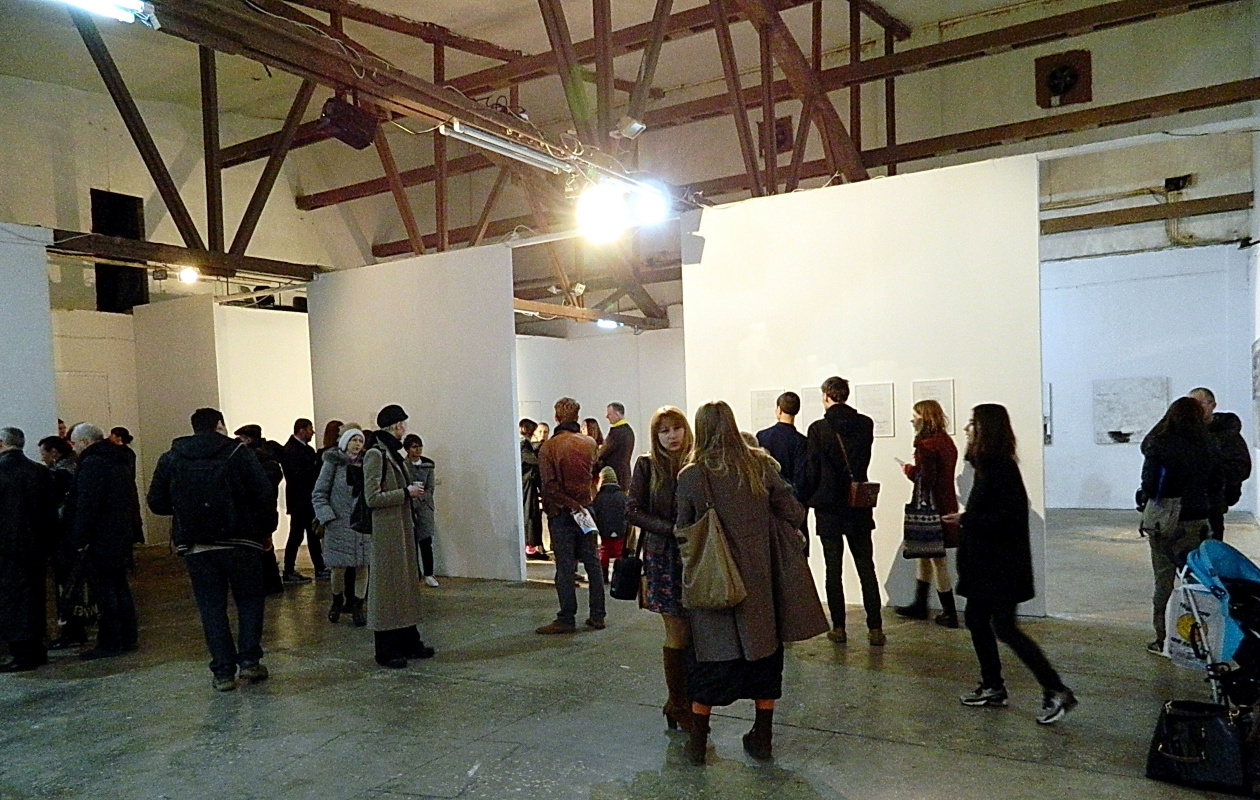
Before buying, confirm:
the total edition size;
the edition number;
the number of artist’s proofs;
whether other sizes or versions exist;
whether the work is signed;
who published and produced the edition;
whether a certificate is included.
Condition is particularly important for works on paper.
Light exposure, poor framing, moisture, and acidity can cause fading and staining.
Search for Artists Who Have Fallen Out of View
Art history and the market do not move in a straight line.
An artist may exhibit with important galleries and later disappear from general attention.
Staudinger and Hallam discovered the work of American Conceptual artist Bruce Boice while searching online in 2017.
They found limited information beyond exhibitions with Sonnabend Gallery in New York during the 1980s.
After buying several works through online auctions, they were contacted by a Belgian dealer who had acquired the artist’s estate.
The estate included 160 Minimalist works on paper.

The collectors purchased 80 of them for approximately EUR 80 each.
Twenty were later installed together across a wall in one of their guest rooms.
This type of opportunity requires research.
An obscure artist is not automatically an undervalued genius. Many forgotten artists disappeared because the work had limited long-term importance.
Collectors need to examine exhibition history, gallery relationships, archives, institutional holdings, and the quality of the available work.
When these elements support one another, an overlooked artist can give a collection real individuality.
Large Artworks Can Sometimes Cost Less
Large artworks appear expensive, but this is not always true.
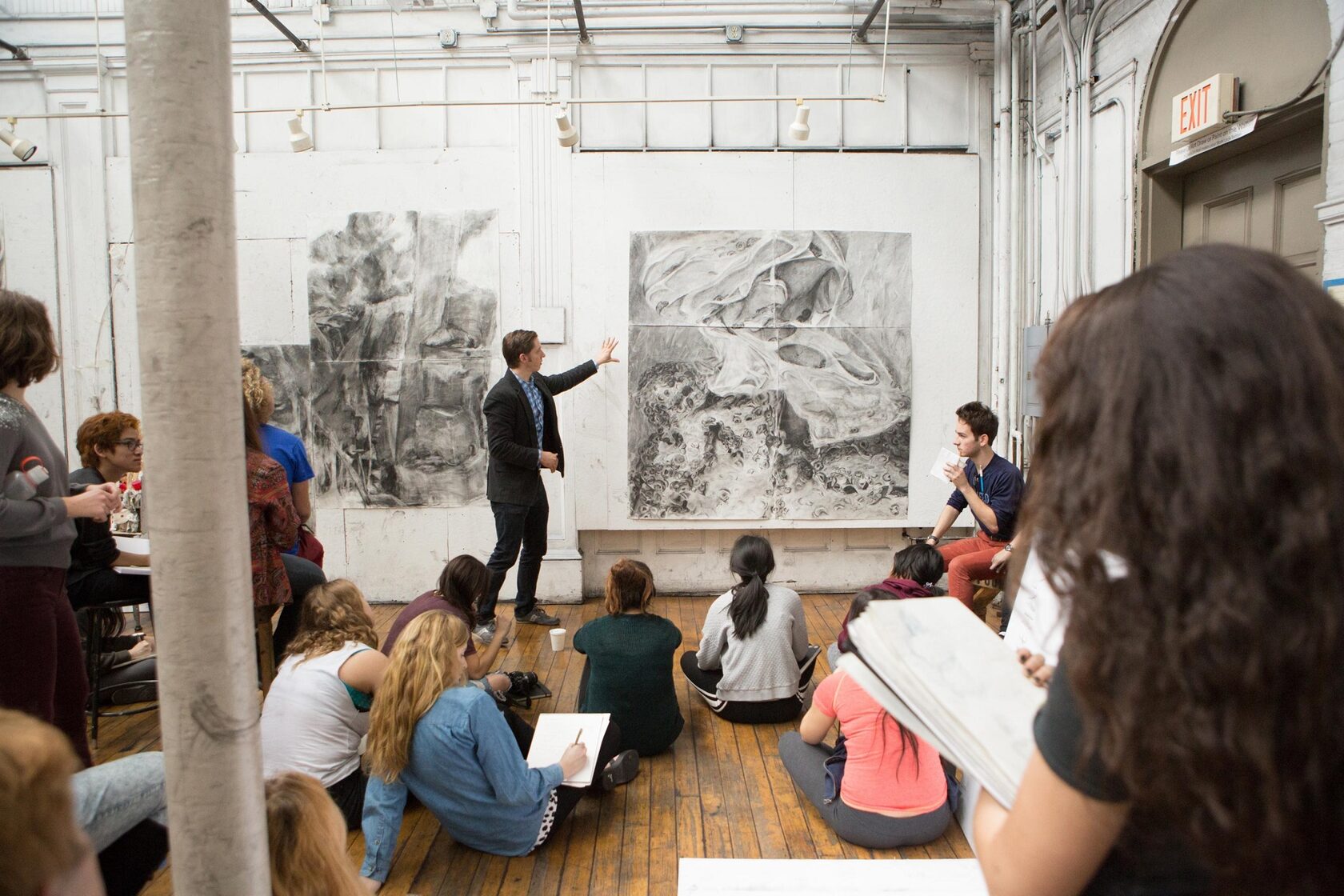
Young artists and galleries can struggle to sell oversized paintings and installations because most collectors do not have enough wall space.
Staudinger and Hallam have purchased works measuring between approximately 2.5 and 3 meters wide at comparatively accessible prices.
The strategy only works when the collector has somewhere to place the work.
Before purchasing, calculate the practical costs.
Can the work fit through doors, staircases, and elevators?
Will it require specialist transport?
Can the wall support it?
Will storage become expensive?
A low purchase price can become misleading if shipping and storage cost more than the artwork itself.
Small Works Can Also Be Important
The opposite strategy can be equally effective.
Studies, postcards, drawings, and small objects may provide a direct connection with an artist’s ideas.
Staudinger and Hallam found an original postcard drawn on by Sol LeWitt for approximately EUR 800.
The object was physically small but closely connected with an artist whose work played a major role in Conceptual and Minimalist art.
Collectors should judge the importance of the specific object, not only its dimensions.
A small work created directly by the artist may be more meaningful than a large but weak piece acquired only for visual impact.
Research Is the Main Advantage of a Budget Collector
Collectors with limited budgets cannot solve every problem by offering more money.
Their advantage must come from knowledge.
Research artists before demand becomes obvious.
Follow regional exhibitions. Read catalogues. Search old gallery archives. Visit degree shows. Speak with curators and other collectors.
Online auctions can reveal works that are poorly described or placed in the wrong sale category.
However, buyers should remain cautious.
Request condition reports, provenance, and additional photographs. Confirm whether taxes, buyer’s premiums, and shipping are included.
A cheap artwork is not a bargain if it is fake, damaged beyond repair, or impossible to document.
Create a Budget That Includes Ownership Costs
The purchase price is only the beginning.
A realistic collecting budget should include:
framing;
insurance;
shipping;
customs charges;
installation;
conservation;
storage;
documentation.
New collectors often spend their entire budget on the artwork and then postpone proper framing or insurance.
This can damage the very object they were excited to acquire.
It may be better to buy fewer works and care for them correctly.
Editorial Note
ArtExpoWorld believes limited money can sometimes produce a more interesting collection.
Collectors who cannot compete for fashionable names are forced to research, explore local scenes, and develop relationships with artists.
That limitation can become an advantage.
The danger is replacing financial speculation with bargain hunting. A low price does not make an artwork important, and an unknown artist is not automatically a future discovery.
The strongest budget collections are not built from random cheap objects. They have a clear point of view and contain works selected with the same seriousness expected at higher price levels.
Collect slowly, document every purchase, and remember that knowledge is the one collecting tool that becomes more valuable every year.