







Evelyn Halim: Building an Art Collection Through Knowledge
Evelyn Halim did not start collecting contemporary art with a carefully planned strategy.
Her interest began while she was studying in London.
Museums became part of her daily life. She visited exhibitions with friends and gradually developed a curiosity about art beyond the classroom.
When Halim returned to Jakarta, she started visiting galleries and buying works that visually attracted her.
At first, aesthetics were the main criterion.

She liked a work, so she bought it.
Only later did collecting become something deeper.
A meeting with an experienced collector completely changed her approach to art.
Her mentor introduced her to books, artists, movements, and the intellectual history behind contemporary practice.
From that moment, collecting became a form of study.
Today, Halim’s collection combines Indonesian contemporary art with international practices involving migration, sound, data, installation, and conceptual research.
Her story shows that collecting does not need to start with expertise.
Expertise can be developed through curiosity.
London Museums Sparked the Beginning
Halim’s first serious encounters with art took place during her student years in London.
The city offered access to major museums, galleries, and temporary exhibitions.
These visits gradually trained her eye.
However, looking at art and understanding contemporary art are not the same.
When she later began buying works in Jakarta, Halim was still primarily responding to visual appeal.

Many collectors start in the same way.
A painting complements the interior.
A sculpture creates an emotional response.
A photograph feels beautiful.
There is nothing wrong with this starting point.
The challenge arises when the collector wants the collection to grow beyond decoration.
At that stage, visual preference alone may no longer suffice.
A Collector Mentor Changed Everything
The turning point came when Halim met another collector who became her mentor.
He introduced her to books on contemporary art.
Reading became an essential part of her collecting process.
She began spending weekends studying artists and ideas.
The effect was immediate.
Instead of focusing only on the final appearance of an artwork, she began asking why it was created.
What history was the artist responding to?
What political, social, or cultural ideas shaped the work?
How did the artist relate to earlier practices?
This new knowledge changed how Halim selected acquisitions.
She developed a particularly interesting method.
After reading a book, she sometimes looks for an artwork connected to the ideas she has just studied.
The acquisition becomes a physical extension of learning.
Reading Can Create a Collection Strategy
Collectors often ask how to develop taste.
One answer is simply to look at more art.
Halim adds another: read.
Books slow down the collecting process.
An art fair may present hundreds of works in a single day.
Instagram may show thousands.
A book allows the collector to stay with one artist, movement, or idea for hours.
Reading can reveal connections invisible in a gallery booth.
A work involving migration may connect with colonial history.
A sound installation may belong to a much longer history of experimental music.
A contemporary Indonesian artwork may respond to events unfamiliar to an international viewer.
Knowledge does not replace emotional response.
It provides context for that response.
Indonesian Contemporary Art Is Central to the Collection
Halim has acquired significant numbers of works by Indonesian contemporary artists.
This reflects more than nationality.
Indonesia has a large and diverse artistic community but comparatively limited public museum infrastructure.
For Halim, private collecting can therefore contribute to preservation.
Important works might otherwise disappear into international collections or remain poorly documented.
A private collector cannot replace a museum.
However, responsible collectors can preserve works, maintain records, lend to exhibitions, and support artists while institutions continue developing.
This creates a cultural responsibility.
Buying local art becomes more than supporting a market.
It becomes part of preserving a country’s artistic history.
Tintin Wulia and Art About Migration
One Indonesian artist Halim follows closely is Tintin Wulia.
Wulia’s practice often takes the form of installation, video, and research-driven projects.
Her work examines globalization, borders, citizenship, and migration.
These themes are particularly relevant in a world where people, money, and information move internationally while political borders remain powerful.
For a collector, research-based installation art requires a different type of engagement than buying a painting.
The work may include several physical elements.
It may require video equipment, instructions, or specific installation conditions.
Understanding the concept is essential because the artwork may not be fully contained within one object.
Lawrence Abu Hamdan and the Politics of Sound
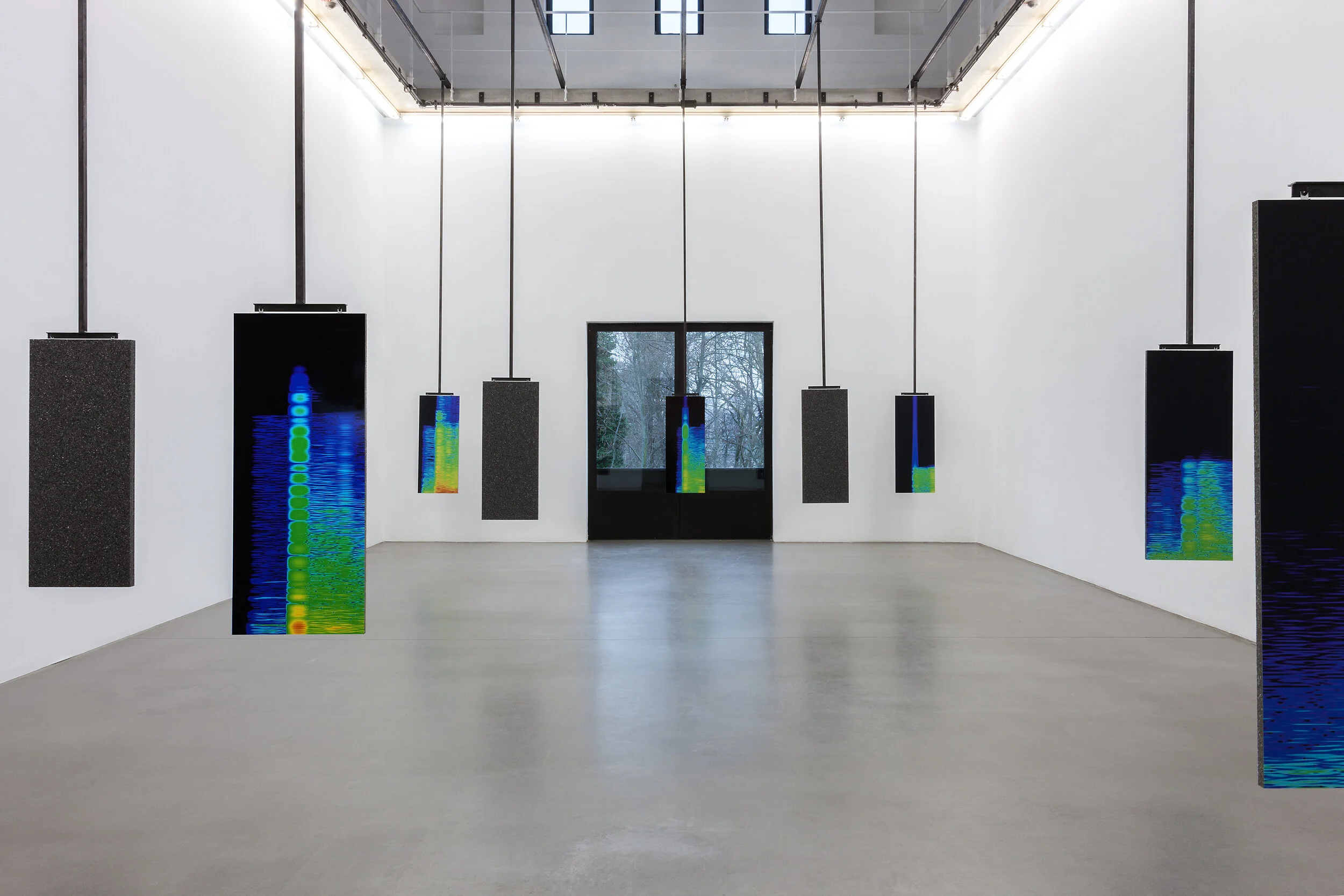
Halim became interested in Lawrence Abu Hamdan after encountering work related to his investigation of Saydnaya prison in Syria.
Abu Hamdan has developed a practice centered on sound, testimony, listening, and political evidence.
His projects examine what people remember hearing, how sound can function as evidence, and how architecture can be reconstructed through memory.
Such work challenges traditional ideas about what an art collection contains.

The collector may acquire sound files, video, documents, and installation instructions rather than a conventional painting.
This expands the role of collecting.
The artwork may require active listening rather than visual contemplation.
Ryoji Ikeda Turns Data Into Sound
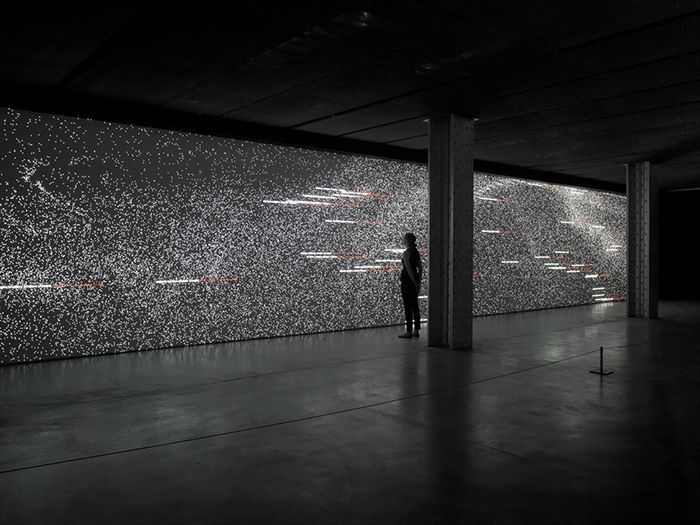
Another artist Halim has studied is Ryoji Ikeda.
Ikeda works with sound, mathematics, data, and digital systems.
His installations can transform enormous quantities of information into intense visual and auditory experiences.
Halim first encountered his work through reading about sound art.
This is a perfect example of how research can create a collecting direction.
Without background knowledge, a sound installation may feel difficult or inaccessible.
Understanding its relationship with music, mathematics, and digital culture can completely change the experience.
Collectors interested in such work need to consider technical preservation.
Files, software, and playback equipment may eventually need updating.
The Dream of Owning Raden Saleh
One artist remains particularly difficult for Halim to acquire: Raden Saleh.
Born in 1811, Raden Saleh is widely regarded as one of the most important early modern artists in Indonesian history.
His paintings combine European Romantic traditions with subjects connected to Indonesia and colonial society.
Major works are rare.
Prices have risen dramatically.
For Halim, acquiring Raden Saleh would represent both an extraordinary cultural opportunity and an indulgence.
This desire illustrates an important part of collecting.
Every serious collector eventually develops a list of works that may be financially difficult or almost impossible to obtain.
The existence of that list can be useful.
It reveals where the collector’s deepest interests lie.
Halim Moved the Collection Into Its Own House
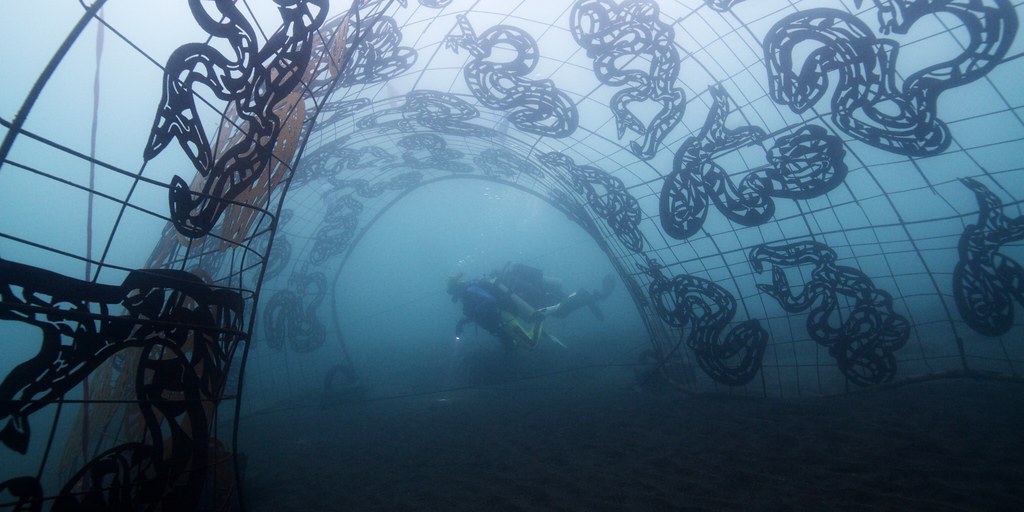
For a time, Halim displayed artworks inside her office.
Later, she moved the collection into a house that her family no longer used.
Bringing the works together changed the experience.
Instead of encountering isolated pieces across different locations, she could see relationships between them.
She began spending significant time inside the house, arranging and rearranging artworks.
Curating became part of collecting.
The placement of one artwork next to another can change both.
A video may create a conversation with a painting.
An Indonesian work may appear differently beside an international artist.
The collector becomes the curator of a private exhibition that is never completely finished.
A Private Collection Can Become a Social Space
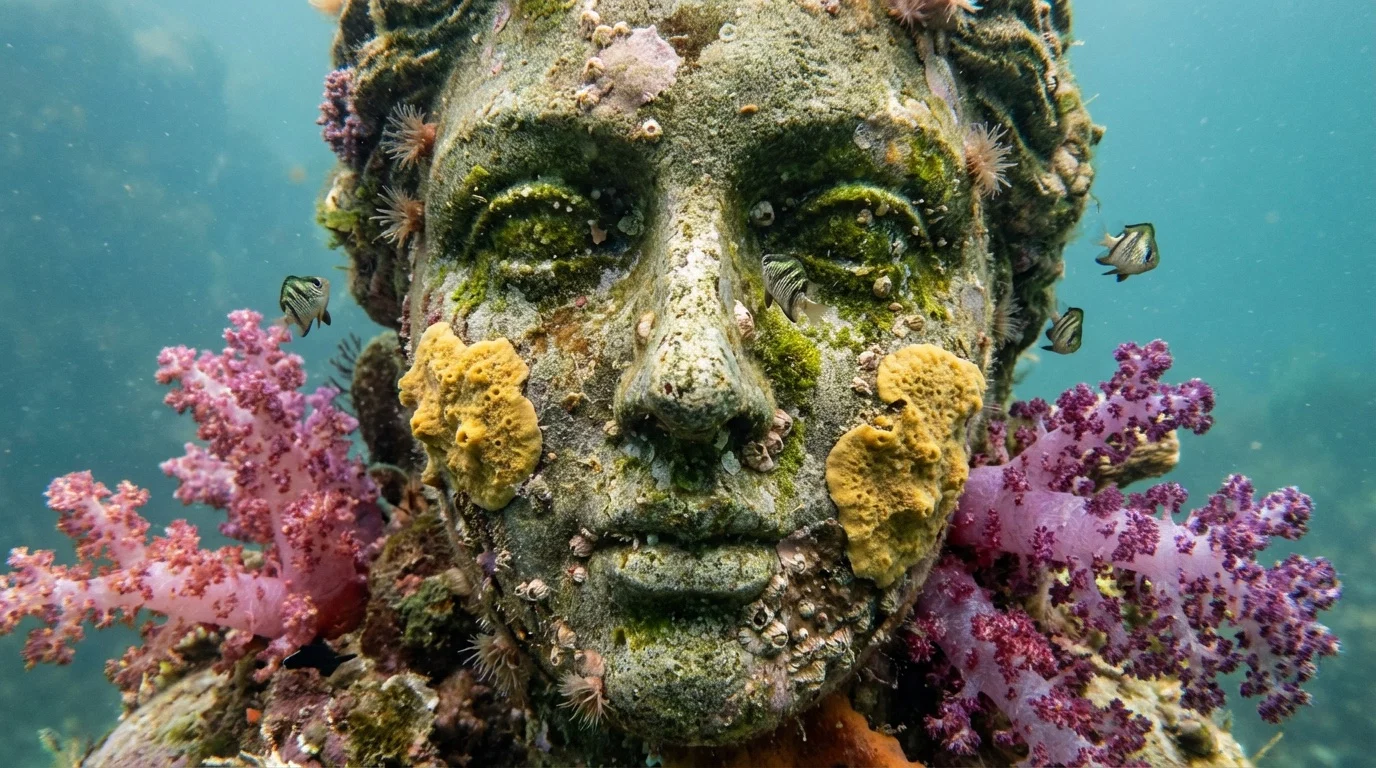
Halim sometimes invites friends to the collection house.
They eat together and look at art.
This transforms the collection from a private accumulation into a social environment.
For Halim, artworks become more alive when people engage with them.
Artists create work because they want to communicate.
A painting hidden permanently in storage cannot fully fulfill that function.
This does not mean every collector needs to open a museum.
Small gatherings, studio visits, and private tours can also create cultural exchange.
Abigail Hakim and Wiyu Wahono
Many of Halim’s closest friendships developed through art.
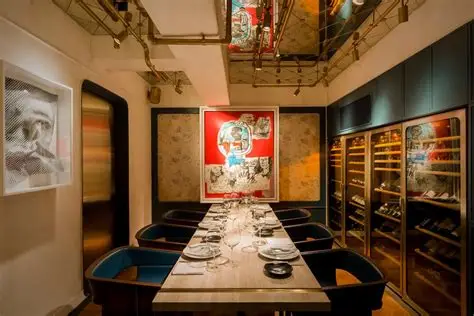
Among her collecting circle are Abigail Hakim and Wiyu Wahono.
The three collectors meet regularly and share ideas.
Collector communities can be extremely influential.
Members introduce each other to artists, exhibitions, and galleries.
They discuss mistakes and opportunities.
They may also collaborate on commissions.
This kind of network is particularly important in markets where public museums and institutional structures remain limited.
Private collectors can create their own systems of education and exchange.
Domus Anguillae: An Artwork Under the Sea
One of Halim’s most unusual collaborative projects was created with Abigail Hakim and Wiyu Wahono.
Together they commissioned Indonesian painter and sculptor Teguh Ostenrik to create Domus Anguillae, or House of the Eels, in 2022.
The sculpture was installed on the seabed off northern Bali.
Over time, coral began growing across the structure.
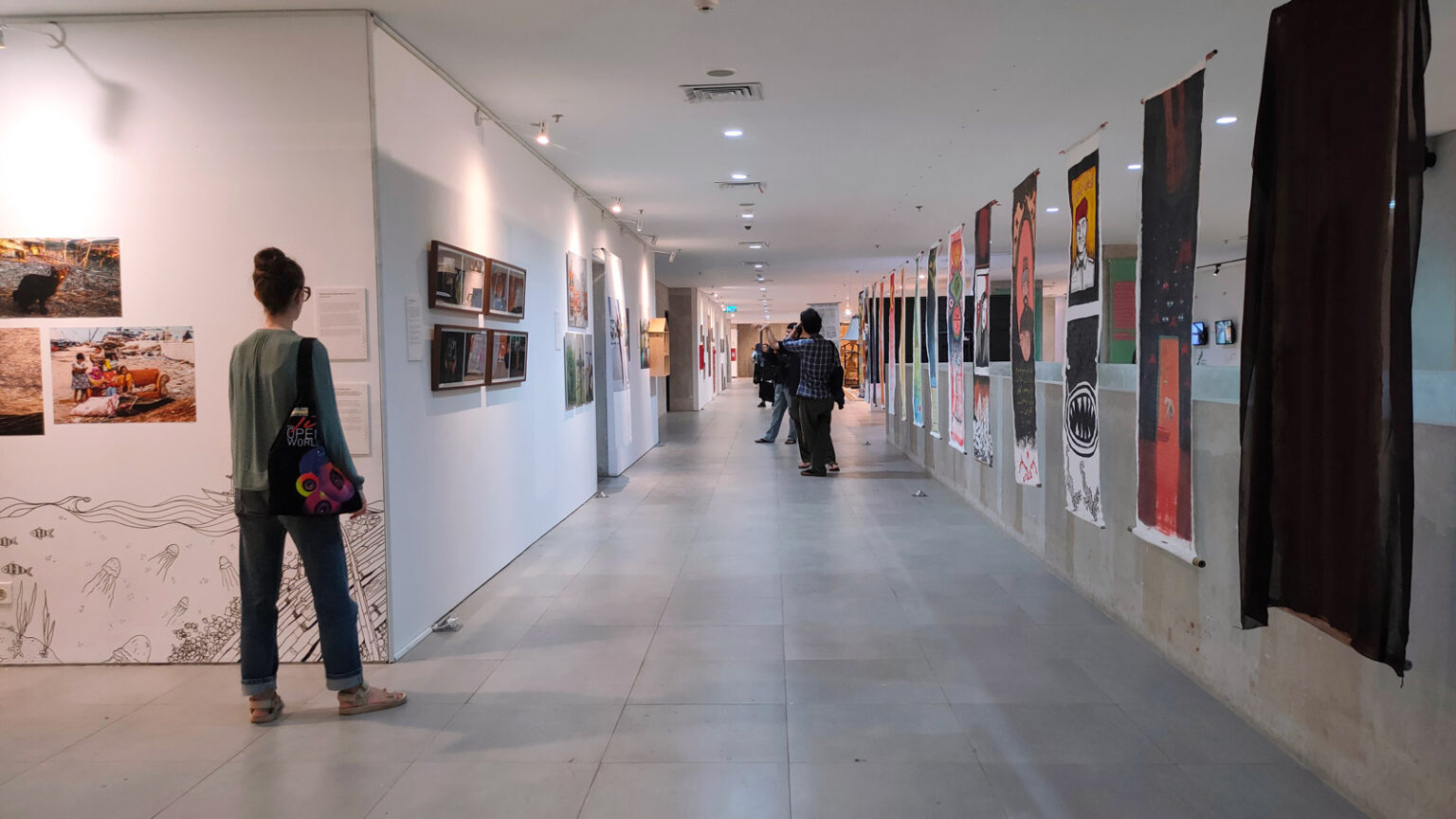
Fish and other marine life began using it.
The artwork therefore became part sculpture, part environmental intervention, and part artificial habitat.
It also continues changing without the collector controlling the result.
This is radically different from owning a static painting.
The environment becomes a collaborator.
Collecting Can Influence Friends and Family
Halim’s husband became increasingly interested in art through their shared experiences.
He now enjoys museums and exhibitions and has become one of her partners in art.
Other friends and family members were not always immediately convinced.
Some initially questioned the contemporary works in her collection.
After conversations and repeated exposure, their responses changed.
This is another form of cultural impact.
A collector can introduce art to people who might never enter a contemporary gallery independently.
The collection becomes educational without needing to operate as a formal institution.
Mistakes Are Part of Learning
Halim does not regret the mistakes made during her collecting journey.
This is important.
New collectors often become paralyzed by the possibility of buying the wrong work.
Every serious collection contains decisions that the owner would make differently years later.
Taste develops.
Knowledge increases.
Markets change.
The goal should not be to avoid every mistake.
It should be to learn from them.
A collector who never changes their mind may not be developing at all.
Contemporary Art Should Reflect Its Time
Halim believes contemporary art needs to communicate ideas and different perspectives.
The world changes continuously.
Artists respond to those changes.
A collection should therefore remain flexible.
New technologies, political movements, migration, climate change, and social transformation can all influence artistic practice.
The collector must continue learning if the collection is to remain connected with the present.
This does not mean chasing every trend.
It means maintaining enough curiosity to recognize when something genuinely important is changing.
Editorial Note
ArtExpoWorld believes Evelyn Halim offers one of the healthiest models for becoming a serious collector.
She did not pretend to understand contemporary art immediately.
She began with aesthetic attraction, found a mentor, read extensively, and allowed her taste to evolve.
That progression matters.
The art market sometimes encourages new buyers to behave as though expertise can be purchased along with the artwork.
It cannot.
Knowledge takes time.
Halim’s decision to connect reading directly with collecting is particularly valuable because it transforms acquisition into a form of intellectual engagement.
Her support of Indonesian artists is equally significant.
In countries where museum infrastructure remains limited, serious private collectors can help preserve artistic histories that might otherwise be dispersed.
The goal should not be to replace public institutions.
It should be to help build the cultural ecosystem around them.