





How a New Generation Is Reshaping Family Art Collections
Inheriting an art collection is not the same as inheriting an ordinary financial asset.
A collection carries family history, personal relationships, cultural values, and decisions made over several generations.
The next owner must decide what to preserve, what to change, and whether the collection should remain private or take on a wider public role.
A new generation of collectors is now confronting these questions.
Tia Tanna, Hall W. Rockefeller, and Astrid Hill grew up around art and family collecting traditions. Today, each is developing an independent voice while remaining connected with the collections, institutions, and values established before them.
Their experiences reveal that a successful art legacy cannot survive through preservation alone.
It must be renewed.
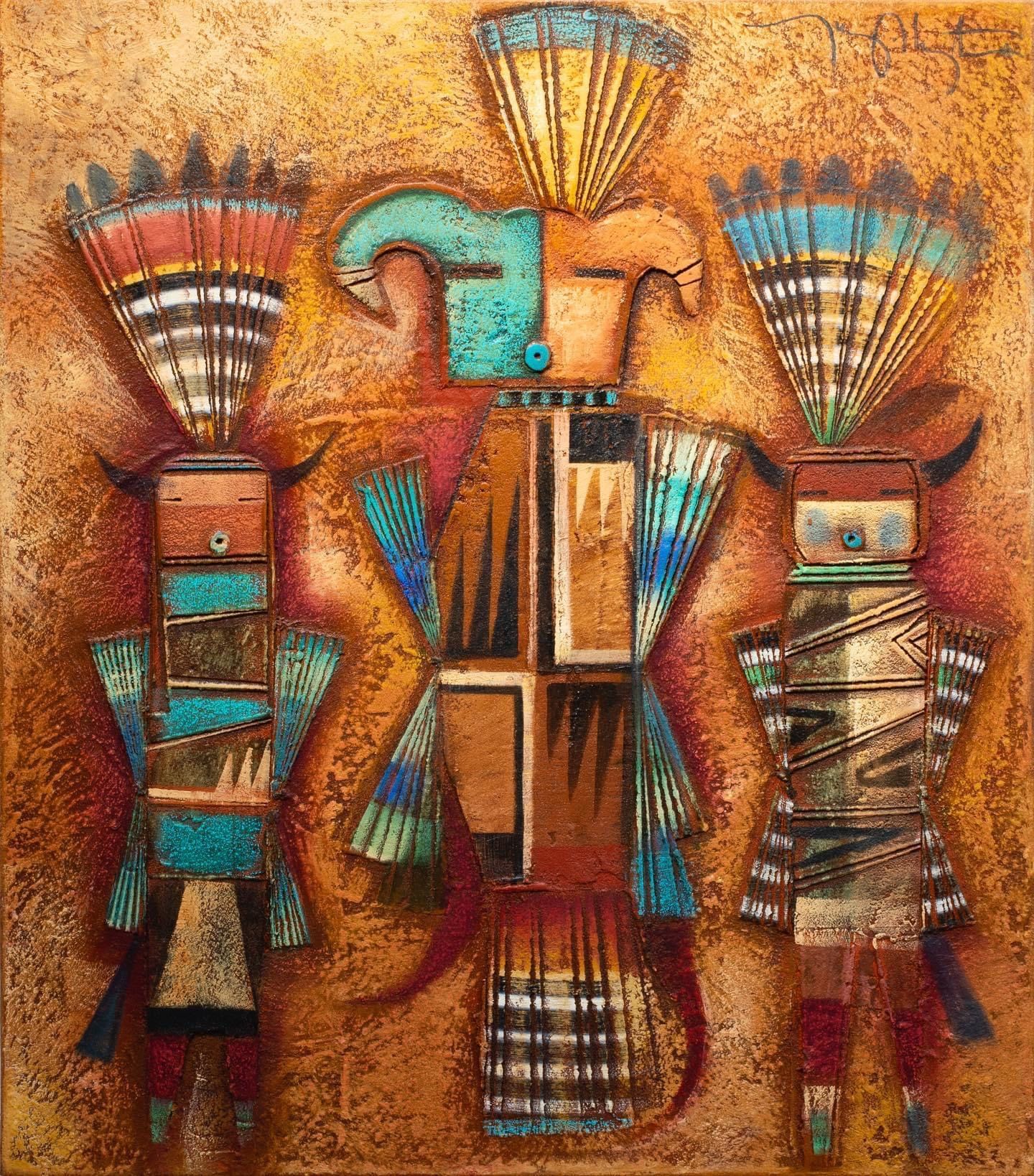
Tia Tanna Grew Up Around Native American and Southwestern Art
London-based collector Tia Tanna began traveling to Santa Fe, New Mexico, with her father when she was five years old.
Her father was building a collection of Native American and Southwestern art.
As a child, Tanna did not fully understand the significance of the objects and experiences surrounding her.
Her relationship with collecting developed gradually.
Today, she works closely with her father to manage and expand the Tia Collection.
The collaboration combines two different approaches.
Her father often collects through instinct and emotional response. Tanna is more methodical. She creates lists, studies artists, and establishes goals for the collection.
This difference can produce disagreements, but it also strengthens the process.
One generation contributes experience and intuition. The other introduces new research, disciplines, and cultural interests.
Hall W. Rockefeller Inherits a Long Tradition of Patronage
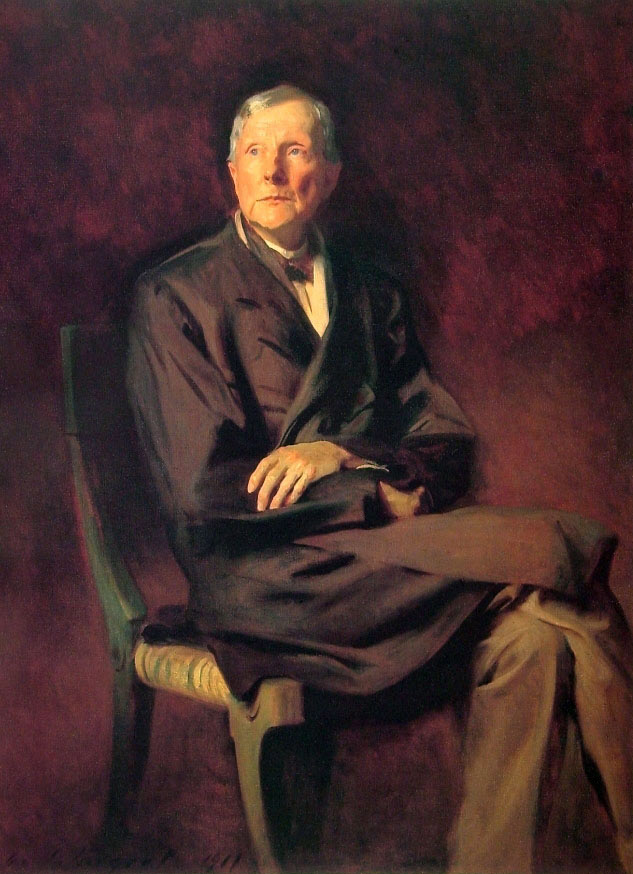
Hall W. Rockefeller belongs to the sixth generation of a family closely associated with American philanthropy and cultural patronage.
Her family history includes Abby Aldrich Rockefeller, one of the founders of the Museum of Modern Art in New York.
Rockefeller grew up visiting the Metropolitan Museum of Art with her mother.
Her appreciation of Modern art was not immediate.
As a teenager, she visited the Rothko Chapel in Houston and initially reacted with skepticism. The experience later became part of her developing understanding of art.
Today, Rockefeller is involved with the Rockefeller Brothers Fund’s Pocantico Committee.
The committee oversees the David Rockefeller Creative Arts Center at the family’s historic estate in Tarrytown, New York.
She also founded Less Than Half, an initiative encouraging women to collect and support women artists.
Her work demonstrates how an inherited legacy can be redirected toward an issue that earlier generations may not have addressed directly.
Astrid Hill Brings Emerging Artists Into a Historical Collection
Astrid Hill first encountered Modern and contemporary art through catalogues in her parents’ Manhattan home.
She now works with the Hill Art Foundation and operates Monticule Art Advisory, which focuses on emerging artists.
The Hill Art Foundation collection includes Renaissance bronzes and important Modern and contemporary works by artists such as Andy Warhol, Francis Bacon, and Cy Twombly.
Hill’s role involves introducing younger voices into this established context.
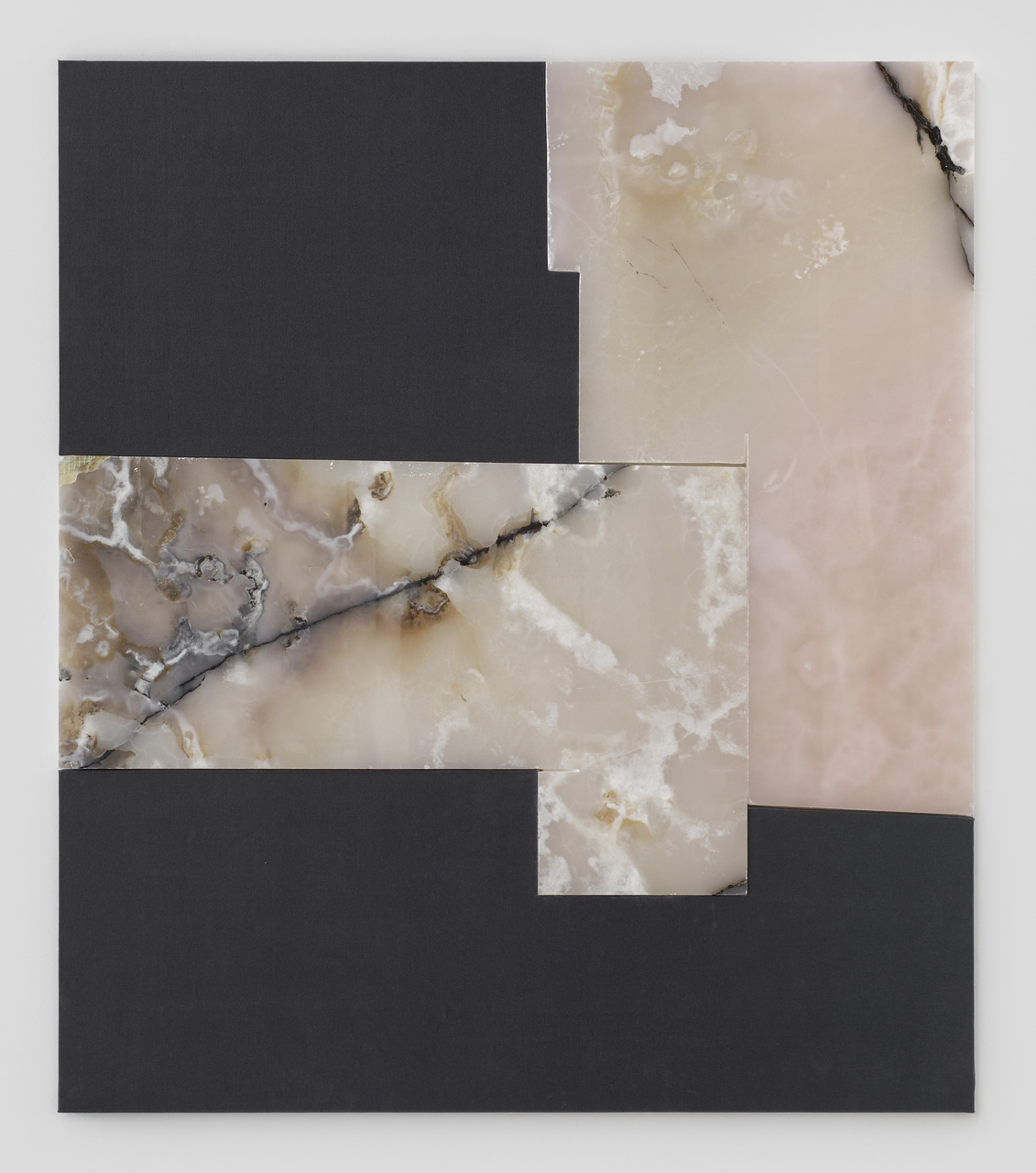
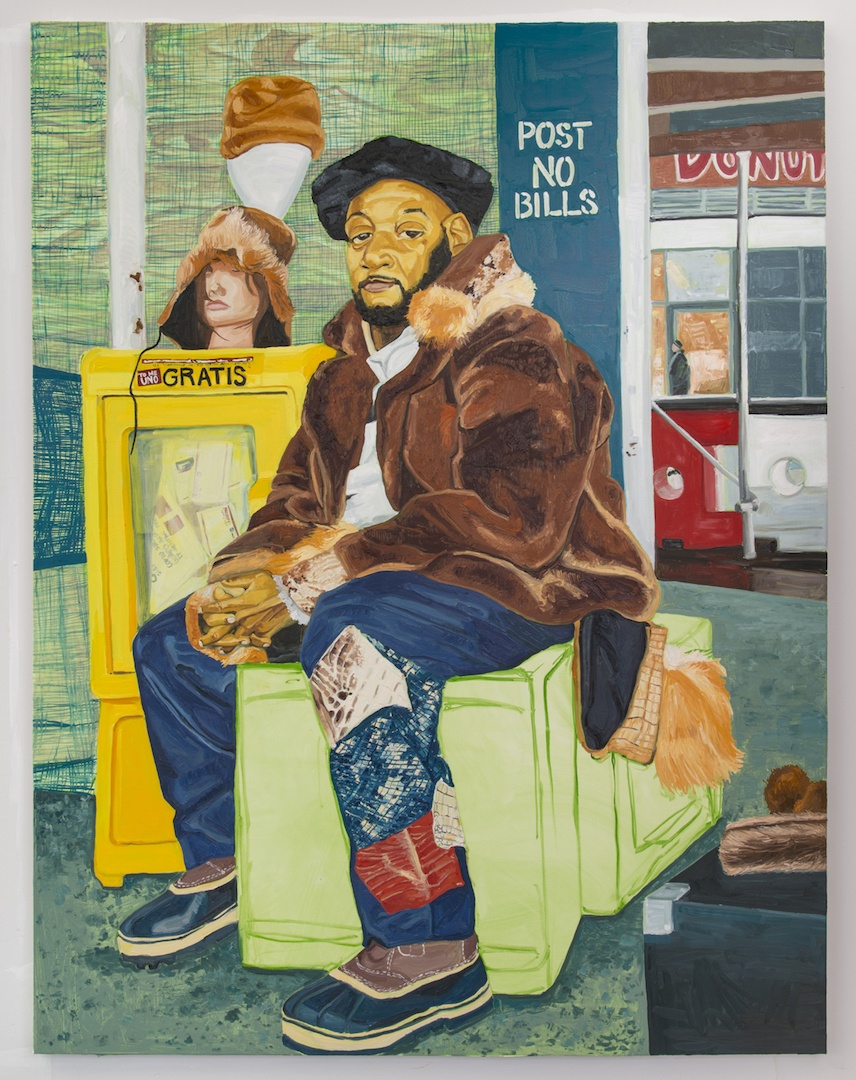
As Curator of Emerging Artists, she has supported the inclusion of contemporary women artists and helped develop exhibitions involving figures such as Sam Moyer, Jordan Casteel, and Mika Tajima.
This creates a productive tension.
A family collection can preserve masterpieces from earlier generations while continuing to respond to the art being created now.
Without new acquisitions and interpretations, even a great collection can become historically frozen.
Most Younger Collectors Keep Inherited Artworks
Younger generations are often assumed to reject the tastes of their parents.
Research suggests the reality is more complicated.
The Art Basel and UBS Survey of Global Collecting 2024 found that 96% of Generation Z collectors and 94% of millennial collectors retained inherited artworks within their own collections.
Among those who sold or gave up some inherited works, lack of space was a more common reason than disagreement with the art.
This indicates that family collections can remain meaningful even when younger owners develop different tastes.
An inherited work may become a connection with parents, grandparents, or a particular period in family history.
The challenge is to integrate it into a collection that also reflects the current owner.
A Collection Must Allow Individual Taste
Respect for a family legacy should not eliminate personal judgment.
A younger collector who feels unable to question previous decisions may become a caretaker rather than a genuine collector.
Rockefeller describes art collecting as a powerful tool across generations.
The heir needs to understand their place within a larger history while still exercising individual taste and values.
That balance can be difficult.
Selling an inherited artwork may feel like rejecting the family member who purchased it.
Keeping every object can create storage, financial, and curatorial problems.
Families should discuss these issues before a transfer takes place.
The future owner needs to understand why particular works were acquired and which pieces are considered central to the collection’s identity.
Tia Tanna Expands Collecting Into Couture
Tanna is developing the Tia Collection beyond its earlier areas.
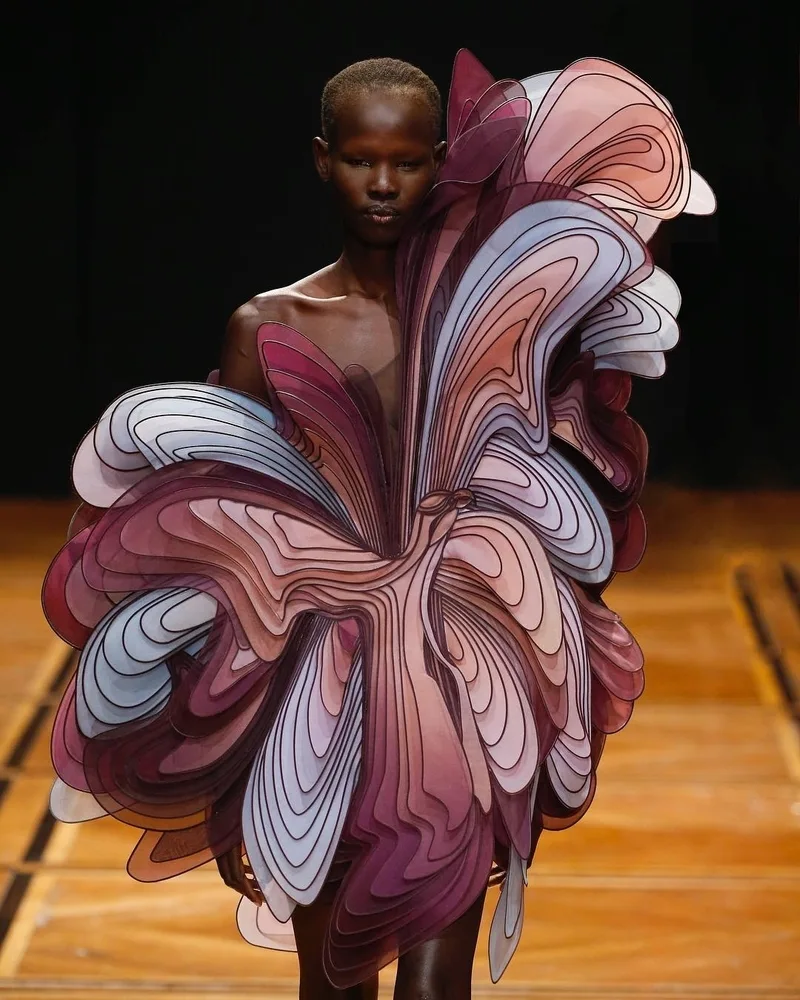
She supports emerging artists and has also begun collecting couture.
For Tanna, couture can be understood as a form of sculpture.
The material is shaped around the body, transforming as the wearer moves.
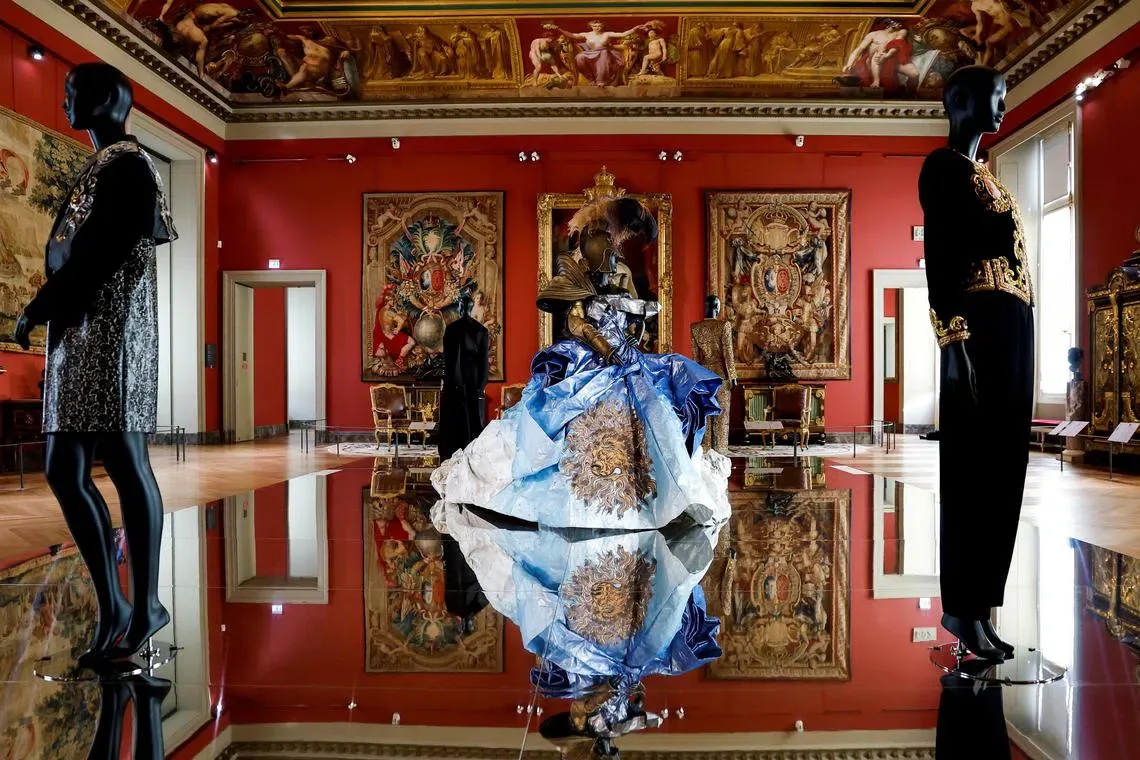
A work by Dutch designer Iris van Herpen acquired by the collection was included in the Louvre exhibition «Art and Fashion: Statement Pieces.»

Van Herpen is known for combining traditional couture techniques with technology, architecture, scientific research, and unusual fabrication methods.
The acquisition demonstrates how a younger generation may broaden the definition of art without abandoning the seriousness of the original collection.
Fashion, design, and digital work are increasingly entering collections that previously concentrated on painting and sculpture.
Hall W. Rockefeller Supports Women Artists
Rockefeller has focused on the representation of women artists and the relationship between artistic careers, motherhood, and care.
Earlier generations of collectors often treated such questions as separate from artistic quality.
Contemporary collectors are more willing to examine how gender, family responsibilities, and institutional structures affect an artist’s career.
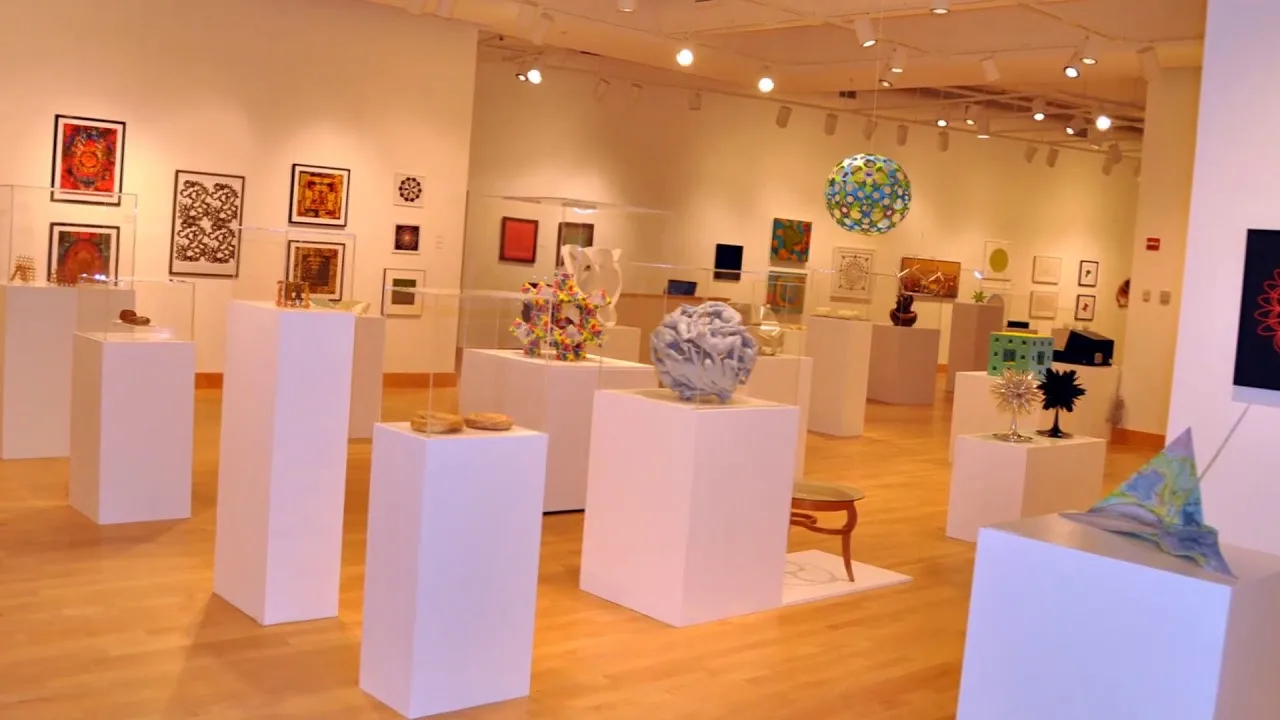
Less Than Half encourages women to collect work by women artists and to understand purchasing as a form of cultural support.
Acquisition alone cannot correct historical inequality.
However, collectors can contribute through loans, publications, museum gifts, studio visits, and long-term commitment to artists.
Rockefeller’s approach shows how an heir can respect a family tradition of patronage while changing its priorities.
Patronage Extends Beyond Buying Art
All three collectors view support for the wider art ecosystem as an important part of their role.
Hill is a founding member of the Metropolitan Museum of Art’s Vanguard Council.
She has served on the Guggenheim Museum’s Education Committee and became a trustee of the Parrish Art Museum on Long Island.
Tanna has supported exhibitions and acquisitions at institutions including the Barbican, the Contemporary Art Society, and the National Galleries of Scotland.
In 2024, the Tia Collection partnered with the Henry Moore Foundation and London Gallery Weekend to establish a GBP 20,000 grant for institutional projects.
These activities demonstrate that patronage can include:
supporting exhibitions;
funding acquisitions;
financing research and publications;
joining museum committees;
creating grants;
lending artworks;
introducing artists to institutions.
A collection becomes more culturally influential when the owner helps create opportunities around the artworks.
Mentorship Is Essential for New Heirs
Tanna and Hill both rely heavily on their fathers for advice.
They travel together, visit artists, and discuss possible acquisitions.
Mentorship helps younger collectors understand the practical and social structures of the art world.
It can also prevent avoidable mistakes involving prices, authenticity, taxes, storage, and institutional relationships.
However, guidance should not become control.
The next generation needs enough authority to develop confidence and make decisions.
A family that refuses to involve its future heirs may leave them with expensive responsibilities they do not understand.
Many Wealthy Families Still Lack Succession Plans
The Great Wealth Transfer is expected to move enormous amounts of property, businesses, investments, and art between generations.
Yet many families remain poorly prepared.
The UBS Global Family Office Report 2025 found that only around half of the ultra-high-net-worth and billionaire families surveyed had a formal succession plan.
Approximately 43% reported difficulty preparing heirs for the responsibilities connected with wealth.
Another 35% did not involve the next generation in planning.
Art collections create additional complications.
Works may be distributed across several homes and storage facilities. Documentation may be incomplete. Family members may disagree about whether to sell, donate, or preserve the collection.
The Survey of Global Collecting 2024 found that 80% of collectors were concerned about preserving their collections for future generations.
Concern is not enough.
Collectors need written plans.
What a Collection Succession Plan Should Include
A serious plan should begin with a complete inventory.
Every artwork should have:
a photograph;
artist name;
title;
date;
medium;
dimensions;
provenance;
invoice;
condition report;
insurance value;
current location.
The collector should identify which works are central to the collection and explain why.
Family members need to know whether any artworks are subject to loans, restrictions, artist agreements, or promised donations.
Tax and legal advice is also essential.
Rules involving inheritance, charitable gifts, and cross-border ownership can vary significantly.
The plan should address whether the collection will remain together, enter a foundation, be divided between heirs, or be sold.
Institutions May Not Accept the Entire Collection
Collectors sometimes assume that a museum will gladly accept everything.
This is rarely guaranteed.
Museums consider quality, relevance, storage, conservation costs, and duplication within their existing holdings.
A donation may require additional funding.
Institutions may want only selected works rather than the whole collection.
Early conversations allow collectors to create a realistic legacy.
Different works may belong in different museums.
Some may be better suited to university collections, regional institutions, or archives.
Others may need to be sold to support a foundation or maintain the most important part of the collection.
Women Heirs May Face Particular Challenges
Rockefeller has noted that women inheriting financial and cultural responsibilities are often underestimated.
This can affect relationships with advisors, dealers, and institutions.
Research cited in the discussion found that many women replace their financial advisors after the death of a spouse, frequently because trust was never established directly with them.
Art professionals should therefore build relationships with every person involved in a collection, not only the family member assumed to control the money.
Women heirs should also be included in discussions long before succession occurs.
They are not temporary custodians of someone else’s taste.
They may become collectors and patrons with significant cultural influence in their own right.
Legacy Should Mean Renewal
A family art legacy should not require each generation to make identical decisions.
Tanna, Rockefeller, and Hill are preserving important histories while adding emerging artists, couture, education, gender equity, and new forms of philanthropy.
Their work suggests that continuity and change are not opposites.
A collection remains alive when each generation understands what came before and accepts responsibility for deciding what comes next.
Editorial Note
ArtExpoWorld believes the greatest threat to a family collection is not disagreement between generations.
It is silence.
When collectors fail to explain why works matter, heirs receive objects without context. When younger family members are excluded from decisions, they inherit responsibility without knowledge.
A successful legacy requires early involvement, accurate documentation, and permission for the next generation to develop its own voice.
The collection should not become a monument that heirs are afraid to touch.
Preserving everything exactly as it was may honor the past, but it can also prevent the collection from remaining culturally relevant.
The strongest legacy is not repetition. It is informed renewal.