







Why «Buy What You Love» Is Not Enough When Collecting Art
«Buy what you love» may be the most common advice given to new art collectors.
It sounds sensible.
Art is personal, and no one should spend a significant amount of money on a work that creates no emotional response.
But love alone does not build a strong collection.
A collector can fall in love with dozens of unrelated objects, make impulsive purchases and eventually discover that the collection has no clear identity.
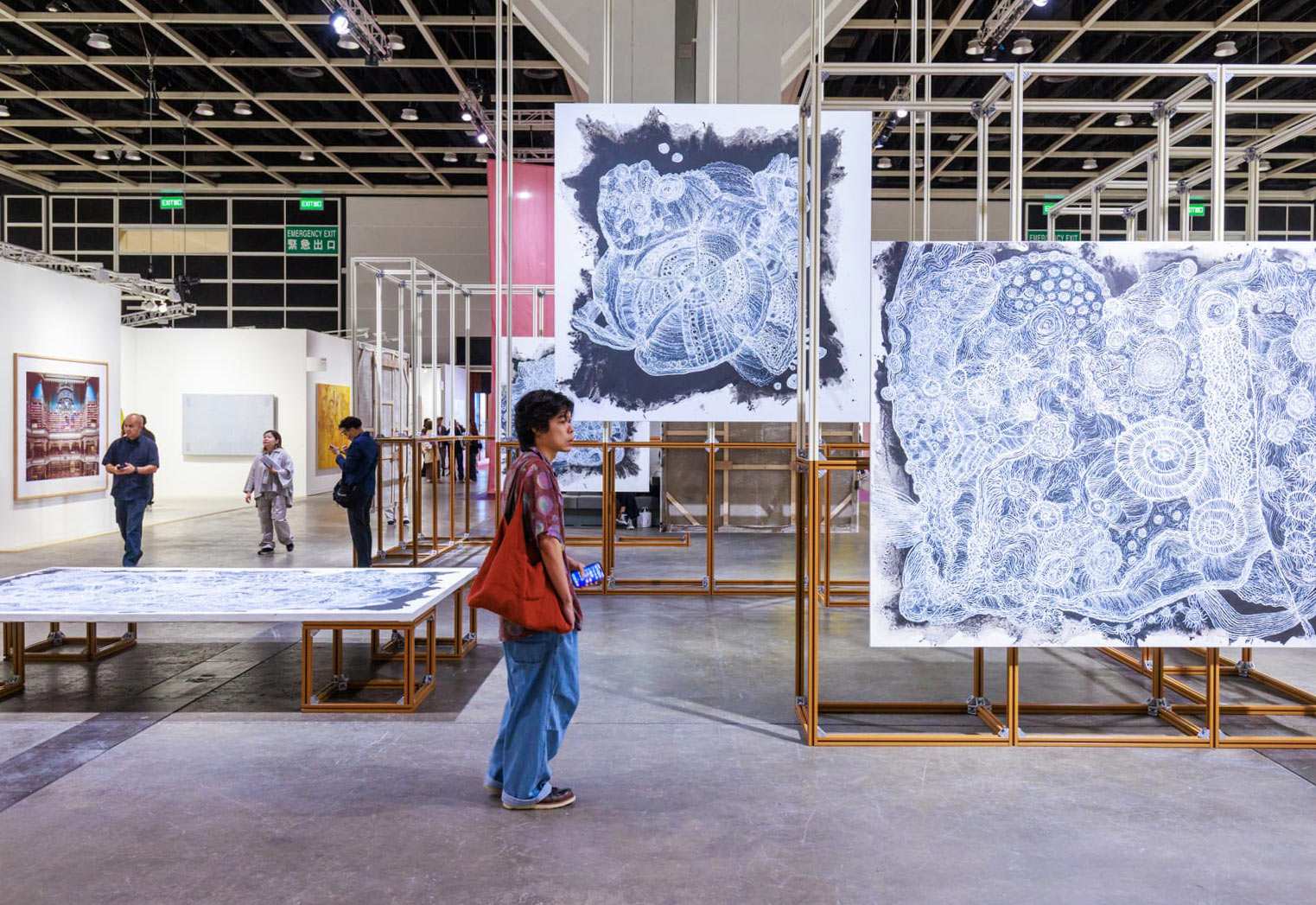
Some works may be impossible to display. Others may have incomplete documentation, inappropriate prices or no meaningful connection with the owner’s developing interests.
Emotion should begin the collecting process.
Research, discipline and self-knowledge are what turn individual purchases into a collection.
Begin With Your Own Visual History
Carola Wiese, Senior Art Advisory Specialist at UBS, begins her work with new collectors by learning about the person rather than recommending artists immediately.
She asks about childhood, cultural background, education and early encounters with art.
A favorite museum visit, a family home, architecture, books, fashion, music and travel can all shape visual taste.
Wiese describes this process as a form of visual archaeology.
Collectors often believe that their preferences appeared naturally.
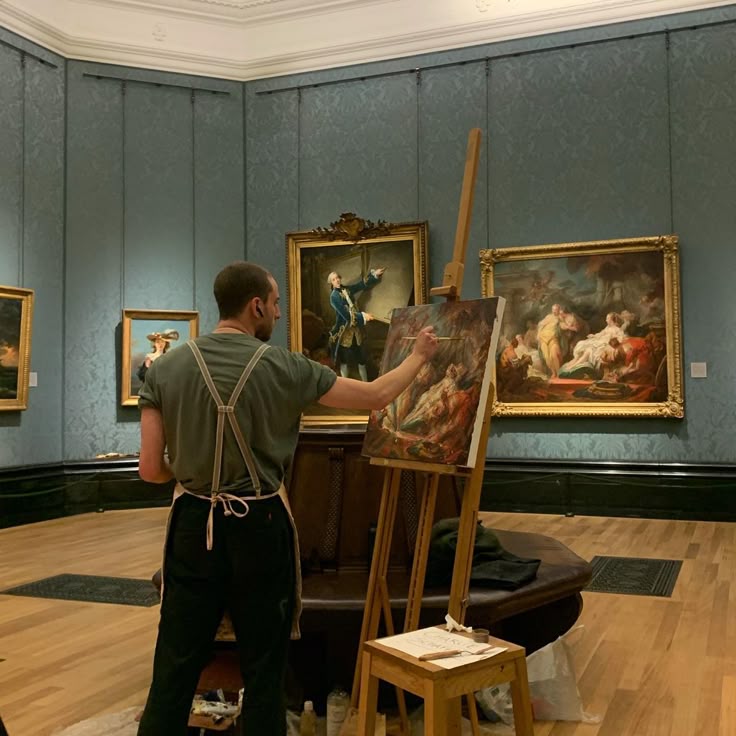
In reality, taste develops through accumulated experiences.
Someone raised around modern architecture may respond to geometric abstraction. A person deeply connected with nature may be drawn to landscape, organic sculpture or environmental art.
Another collector may react strongly to work addressing migration because of personal or family history.
Understanding these influences does not reduce the mystery of art.
It helps the collector recognize why certain works repeatedly create a response.
Decide How You Want to Live With Art
An artwork does not exist only at the moment of purchase.
It must be displayed, stored, maintained or lent.
Before buying, consider where the work will live.
Will it hang in a home, office or public institution?
Can the space accommodate its size and material?
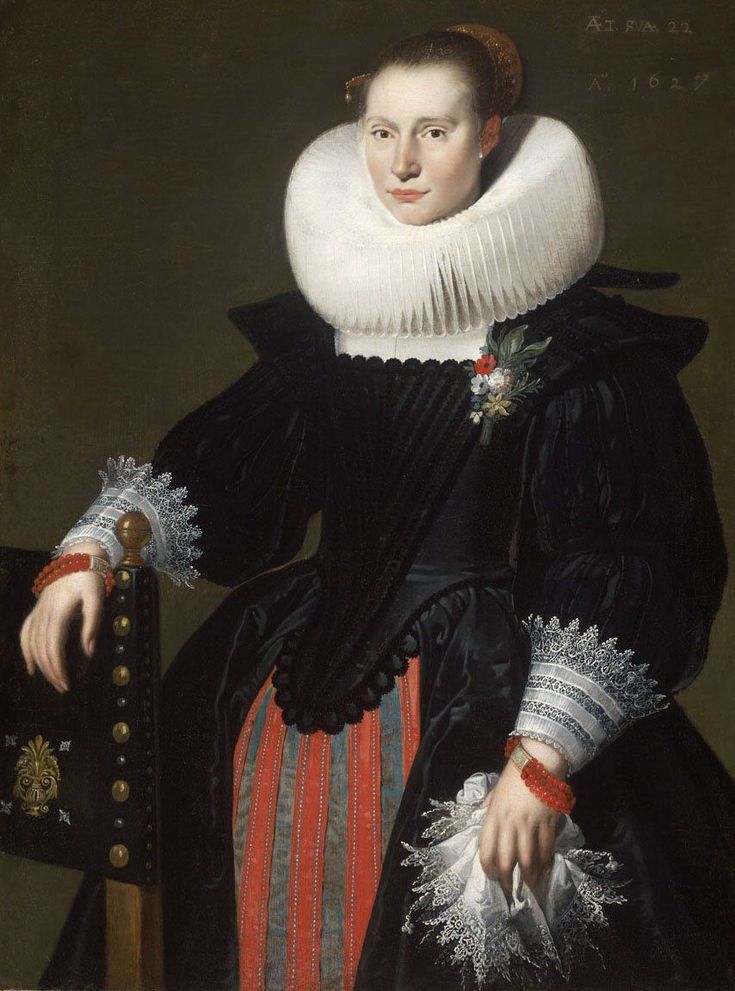
Does it require controlled light, humidity, specialist installation or technical equipment?
Some younger collectors, particularly in Asia, know from the beginning that major works will not remain in their homes. They intend to lend them to institutions or use them in publicly accessible projects.
Other collectors want daily contact with art.
Carola Wiese has suggested that the first purchase should be a work a person would be happy to encounter during the most ordinary parts of everyday life.
This is a useful test.
A work may appear exciting under fair lighting and surrounded by social activity. The collector needs to imagine seeing it repeatedly after that atmosphere has disappeared.
Define a Philosophy for the Collection
A collection becomes stronger when it has a recognizable curatorial direction.
This does not require collecting only one artist, country or medium.
The connection may be thematic rather than visual.
A collection could explore the human body, political memory, architecture, abstraction, digital identity or relationships between craft and contemporary art.
It may focus on a particular generation, region or group of artists whose histories intersect.
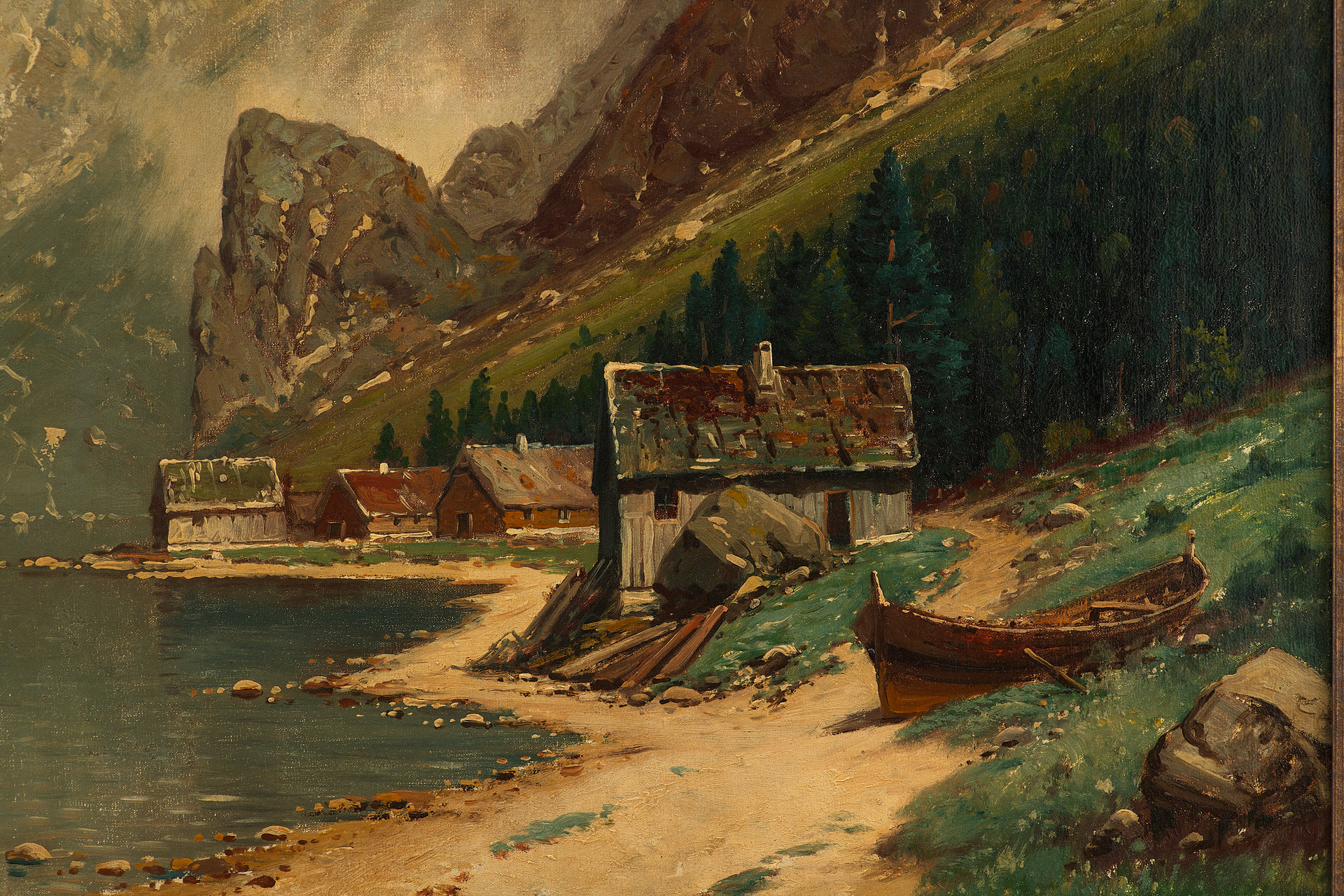
The direction can also be personal.
Collectors Paul Ettlinger and Raimund Berthold developed a collection centered largely on sculpture.
Their holdings include works by Alvaro Barrington, Isa Genzken, Charline von Heyl and Franz West.
Approximately 50 works are displayed in their home, while hundreds of additional pieces are kept in storage.
The collection did not begin with perfect discipline.
Ettlinger first bought Modern British works while at university.
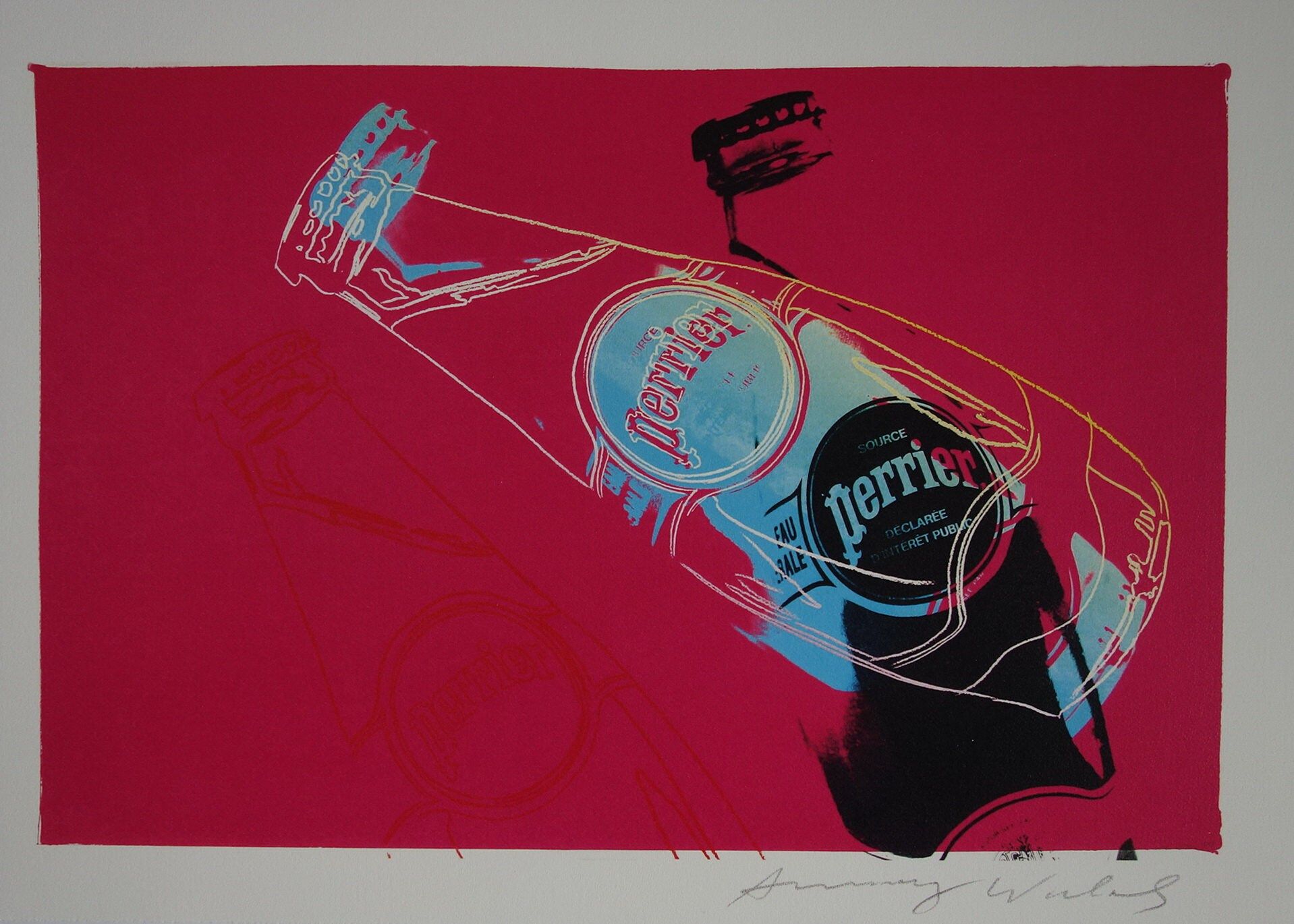
Later, he and Berthold acquired Andy Warhol prints when those works were accessible during Berthold’s time in New York.
As their knowledge developed, they began working with an art advisor and created a more focused philosophy.
The early purchases were part of the education.
Accept That Your First Purchases May Be Learning Pieces
Taste changes.
A new collector may initially choose works because they are visually attractive, affordable or associated with a familiar artist.
After visiting more exhibitions and studios, the collector may become interested in different periods, materials or ideas.
Carola Wiese refers to some early acquisitions as learning pieces.
They reveal what the collector once valued and how the eye developed.
There is nothing shameful about outgrowing a work.
The danger lies in purchasing carelessly because every early work is expected to become disposable.
The first acquisition should still be chosen seriously.
Collectors should request proper documents, examine the price and think about whether the work can remain meaningful even if their interests later change.
Some learning pieces stay in collections permanently because they represent the beginning of the journey.
Build Long-Term Relationships With Galleries
A good gallery can become one of the collector’s most important sources of education.
Collectors should look beyond individual artworks and study the gallery’s wider program.
Which artists does it represent?
Does it support them through difficult periods?
Does it produce exhibitions, publications and institutional opportunities?

When a collector respects the gallery’s approach, staying connected can lead to stronger purchases.
The gallery may offer early access to new works, arrange studio visits and explain how an artist’s practice has developed.
Paul Ettlinger has emphasized the value of finding galleries whose programs and people feel compatible with the collector’s own vision.
Relationships also build trust.
A collector who repeatedly supports a gallery may gain access to works that are not offered to unknown buyers.
In return, the collector should respect payment terms, confidentiality and the gallery’s efforts to place works carefully.
Use Advisors Without Surrendering Your Judgment
An art advisor can help collectors understand pricing, provenance, condition, logistics and the structure of the market.
Advisors may also identify gaps in a collection and introduce artists outside the collector’s existing network.
But an advisor should not replace personal judgment.
The collector must still respond to the work.
A collection selected entirely by someone else may be financially organized but emotionally empty.
The strongest relationship is collaborative.
The advisor provides knowledge, asks difficult questions and prevents avoidable mistakes.
The collector defines the purpose and ultimately accepts responsibility for the decision.
Before hiring an advisor, understand how the person is paid.
Some charge retainers or hourly fees. Others receive a percentage of purchases.
Any financial relationships with galleries or sellers should be disclosed.
Mentors Can Refine a Collector’s Eye
Not all guidance comes from paid advisors.
Artists, curators, museum directors and experienced collectors can become mentors.
Zurich-based entrepreneur Ryan Zurrer entered art collecting through cryptocurrency and became an early supporter of digital art.
He acquired work by Beeple, whose real name is Michael Winkelmann, during the period when blockchain technology made new forms of digital scarcity possible.
Zurrer later developed relationships with experienced art-world figures including Hans Ulrich Obrist, Carolyn Christov-Bakargiev and Uli Sigg.
These mentors helped him understand not only individual artworks but also the wider cultural system of museums, galleries, exhibitions and scholarship.
Mentorship is particularly useful in emerging areas.
When a medium does not yet have a long auction history or established conservation rules, collectors need people who understand artistic importance beyond current prices.
A Collection Needs a Curatorial Line
Ryan Zurrer’s holdings include several hundred digital works and a smaller number of physical pieces.
His approach is based on identifying works that may become culturally important examples of digital practice.
The collection includes artists such as Beeple and Refik Anadol.
Zurrer does not simply acquire every new technology-based project.
He looks for a connection between the works and considers how they contribute to the developing history of digital art.
This is the difference between accumulation and collecting.
Accumulation is the ownership of many objects.
A collection creates relationships between them.
The connection may not be obvious to every viewer, but the collector should be able to explain why the works belong together.
Follow Artists Over Time
A collection can deepen by acquiring multiple works from the same artist.
The first purchase may introduce the collector to one period or medium.
Later acquisitions can show how the practice changes.
Ettlinger and Berthold have moved toward consolidating their collection by adding works by artists they already own.
One room in their home contains eight pieces by Sarah Lucas, and they continue to search for additional examples.
Collecting in depth can produce a more meaningful picture than purchasing one work from every fashionable artist.
It can include early and mature periods, major and experimental works or pieces in different mediums.
Collectors should still maintain standards.
Supporting an artist does not require buying every available work.
Each acquisition should strengthen the relationship between the artist and the wider collection.
Think About Storage Before Buying More
Many collections eventually become larger than the spaces available to display them.
Ettlinger and Berthold keep hundreds of works in storage.
Storage creates costs and responsibilities.
Works require inventory management, insurance, appropriate environmental conditions and periodic inspection.
A collector should know exactly where each object is located.
Digital records should include photographs, dimensions, invoices, provenance and condition reports.
A large collection without professional documentation can become vulnerable to damage, loss and confusion.
Collectors should also ask whether continued purchasing is improving the collection or merely filling storage.
Consolidation may involve buying fewer but more important works.
It can also mean lending, selling or donating pieces that no longer fit the curatorial direction.
Do Not Treat Art Like an Ordinary Financial Investment
Art can increase in value.
Some collectors make substantial profits when they sell.
But future price growth should not be the only reason for purchasing.
Art is illiquid. Transactions are expensive, demand can change and individual works vary greatly in quality.
Two pieces by the same artist may produce completely different results.
Carola Wiese describes art primarily as a cultural and passion-based asset rather than a conventional financial investment.
This does not mean ignoring price.
Collectors should avoid overpaying, investigate comparable sales and understand the financial risks.
The distinction concerns motivation.
A person buying only for resale may abandon the work as soon as the market weakens.
A collector with cultural commitment can continue supporting artists, exhibitions and research through different market cycles.
Let the Collection Evolve
A curatorial direction should not become a prison.
Collectors need room for surprise.
An unexpected artwork may reveal a connection that was not visible when the collection began.
A focus on sculpture might lead toward performance, installation or architecture.
Interest in historical abstraction could develop into digital generative art.
The collection can change as the collector’s life changes.
New relationships, travel and personal experiences may create different priorities.
The important point is that change should be conscious.
The collector should periodically review the collection and ask:
Which works remain central?
Which artists deserve deeper representation?
What is missing?
Which purchases were driven mainly by pressure or fashion?
Where should the collection go next?
Create a Legacy Before It Becomes Urgent
A strong collection eventually requires a plan for its future.
Collectors should decide whether they want works to remain together or whether division is acceptable.
They should speak with family members, legal advisors and institutions before illness or inheritance makes the decisions urgent.
Museums rarely accept entire collections without conditions.
A donation may require funding for conservation, storage or display.
Some works may be better suited to different institutions.
Others may need to be sold to support a foundation or family estate.
Clear documentation and a written curatorial statement help future owners understand what the collection was intended to represent.
Without this context, a lifetime of careful collecting can quickly become a list of assets.
A Practical Framework for New Collectors
Before purchasing, ask yourself:
Does the artwork create a genuine response after more than one viewing?
Do I understand the artist’s practice?
Does the price make sense within the artist’s market?
Where will the work be displayed or stored?
What documents will be provided?
How does it relate to works I already own?
Would I still want it if no one promised that its price would rise?
Can I explain why it belongs in my collection?
You do not need perfect answers to every question.
The purpose is to slow down the decision enough to separate lasting interest from temporary excitement.
Editorial Note
ArtExpoWorld believes «buy what you love» remains valuable advice, but it is incomplete.
Love protects collectors from building collections based entirely on status, fashion or promised financial returns.
At the same time, the phrase can become an excuse for impulsive buying.
A serious collector should combine emotional response with research, self-knowledge and discipline.
The goal is not to remove pleasure from collecting. It is to make that pleasure sustainable.
The most memorable collections usually reflect both the collector’s personality and a clear understanding of art.
They contain surprise, but not chaos. They evolve, but they do not simply chase trends.
Buy with your heart, but make sure your eyes and mind are involved too.