







Rudy Tseng: From Young British Artists to International Art Patronage
Rudy Tseng’s collecting journey began through media, travel, and one unsettling photograph.
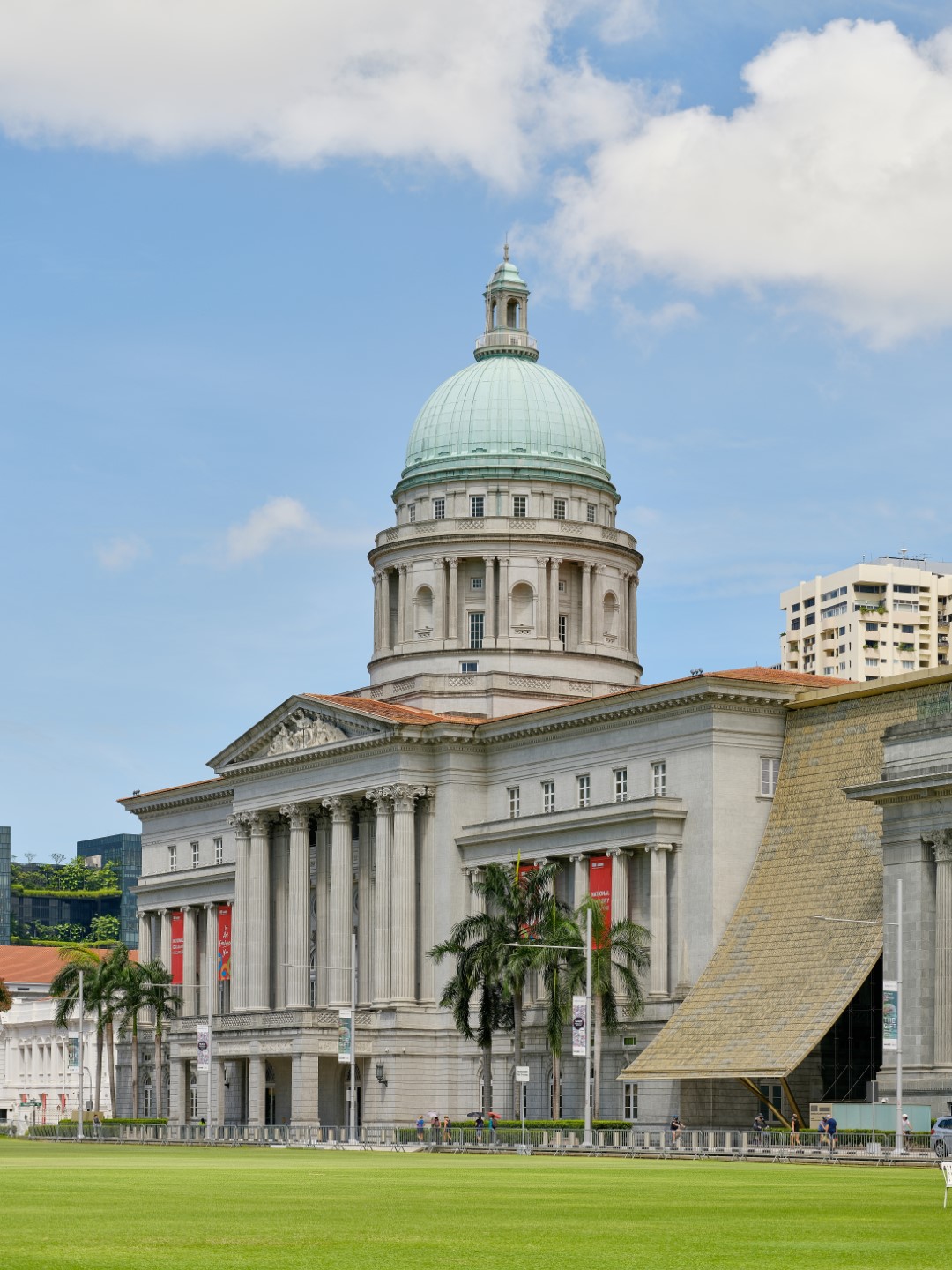
While working at Disney, Tseng met Eugene Tan, who later became director of National Gallery Singapore.
Tan introduced him to the Young British Artists, commonly known as the YBAs.
The group transformed British contemporary art during the late 1980s and 1990s.
Their work was direct, provocative, and often intentionally uncomfortable.
For Tseng, this marked the start of a much larger journey.
He began collecting YBA artists, expanded into Asian contemporary art, and eventually built an international collection.
Over time, ownership became only one aspect of his involvement.
Tseng moved into curating, museum support, and institutional patronage.
His story shows how a private collector can gradually become part of the public art ecosystem.
Disney Created an Unexpected Entry Into Art
Tseng’s career in media gave him access to creative networks.
Meeting Eugene Tan proved especially significant.
Tan introduced him to artists whose work challenged traditional ideas about what art could be.
This highlights how collecting often starts through people rather than markets.
A friend, curator, colleague, or artist opens a door.
The first introduction creates a vocabulary.
From there, the collector begins exploring independently.
The Young British Artists
The YBAs emerged in London in the late 1980s and gained huge international visibility during the 1990s.
Artists linked to the group included Damien Hirst, Tracey Emin, Sarah Lucas, Gary Hume, Michael Landy, and others.
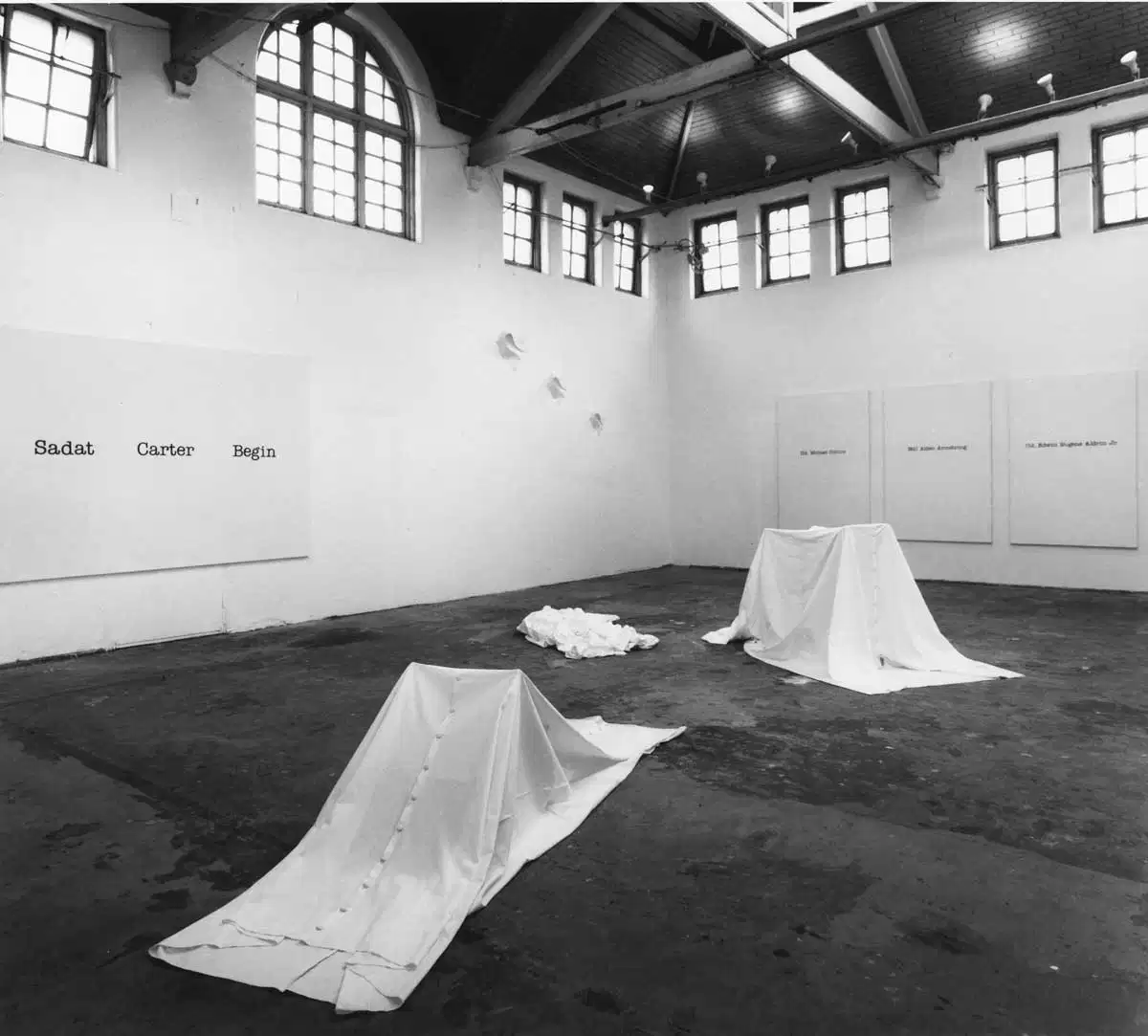
They used unconventional materials and often confronted themes of death, sexuality, consumption, and celebrity culture.
The movement also became closely connected with collector Charles Saatchi.
For Tseng, the YBAs showed that contemporary art could be immediate and culturally disruptive.
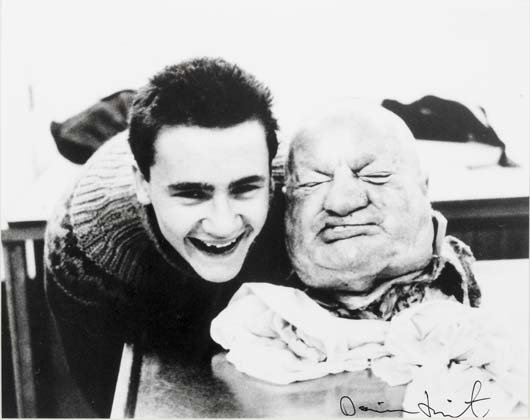
Damien Hirst’s With Dead Head
One image became unforgettable for Tseng.
Damien Hirst’s With Dead Head, created in 1991, shows the young artist posing beside a severed human head.
The image is simultaneously humorous, disturbing, and confrontational.
It raises questions about mortality and the strange relationship between living viewers and dead bodies.
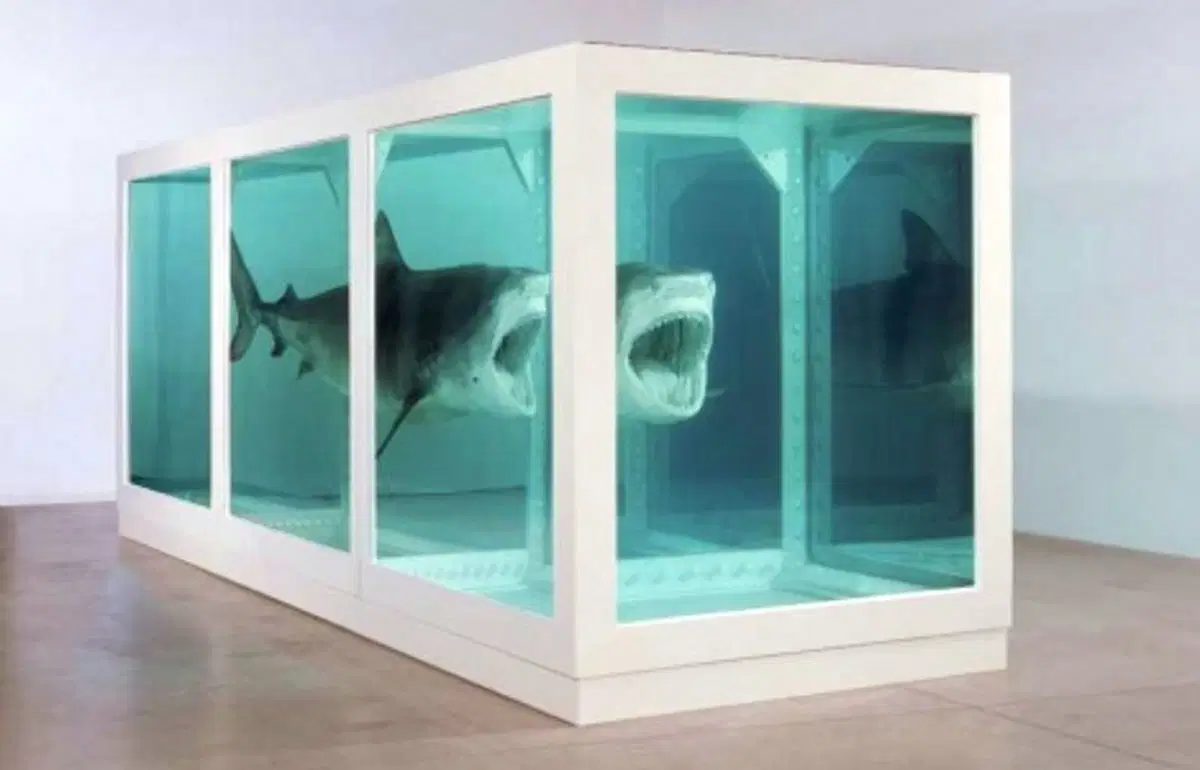
Tseng encountered the work in London.
Even two decades later, the memory remained vivid.
This is an important measure of artistic impact.
Many artworks impress during an exhibition but fade from memory days later.
Others remain psychologically active for years.
Collecting Began With Asian Contemporary Art
Although YBA artists sparked Tseng’s interest, his collection initially focused heavily on Asian contemporary art.
This reflects his own regional perspective.
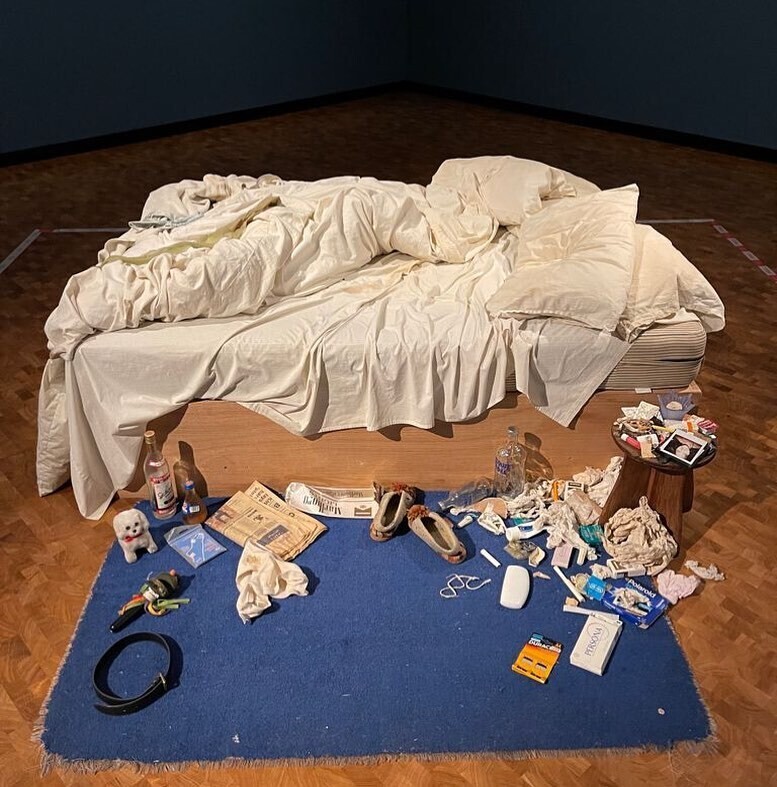
Collectors often start close to home because cultural context is easier to understand.
They know the history, social tensions, and references.
Over time, Tseng expanded internationally.
The collection became less geographically limited as his knowledge and network grew.
A Collector’s Taste Should Not Remain Static
Tseng’s evolution from YBA interest to international collecting reveals an important principle.
Early interests don’t have to determine the collection forever.
A collector may begin with one movement because it offers a clear entry point.
Later, comparisons become more sophisticated.
New regions and mediums emerge.
This evolution is healthy.
A collection that never changes may simply be repeating its earliest assumptions.
Art Fairs Became Global Classrooms
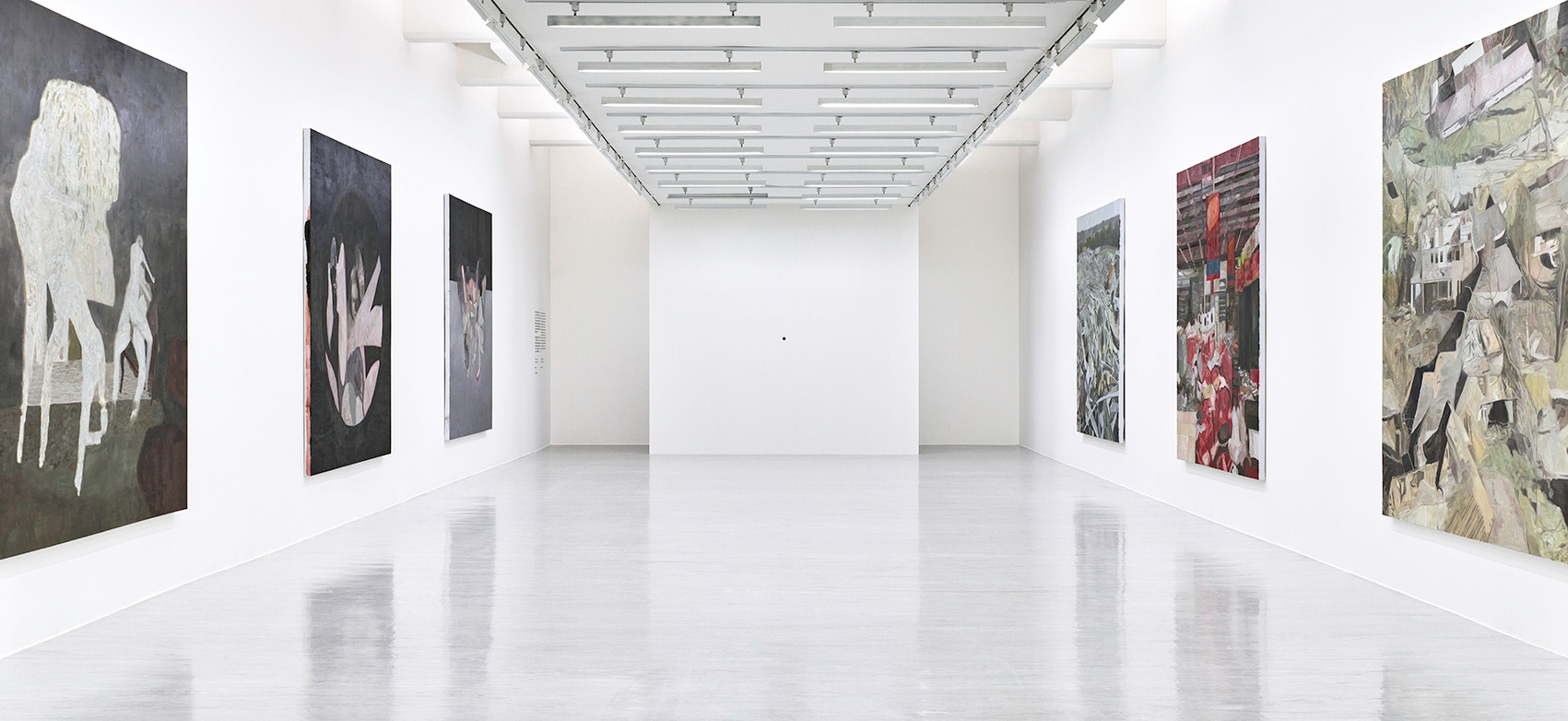
International fairs allowed Tseng to compare artists and galleries from different countries.
A fair such as Art Basel brings together historical and contemporary work in a concentrated environment.
For a collector based in Taipei, this creates access that previously required months of travel.
The challenge is visual overload.
An experienced collector learns to use fairs selectively.
One booth may lead to a studio visit.
One artist may become the focus of several years of research.
Supporting Tate
Tseng’s involvement eventually extended beyond buying art.
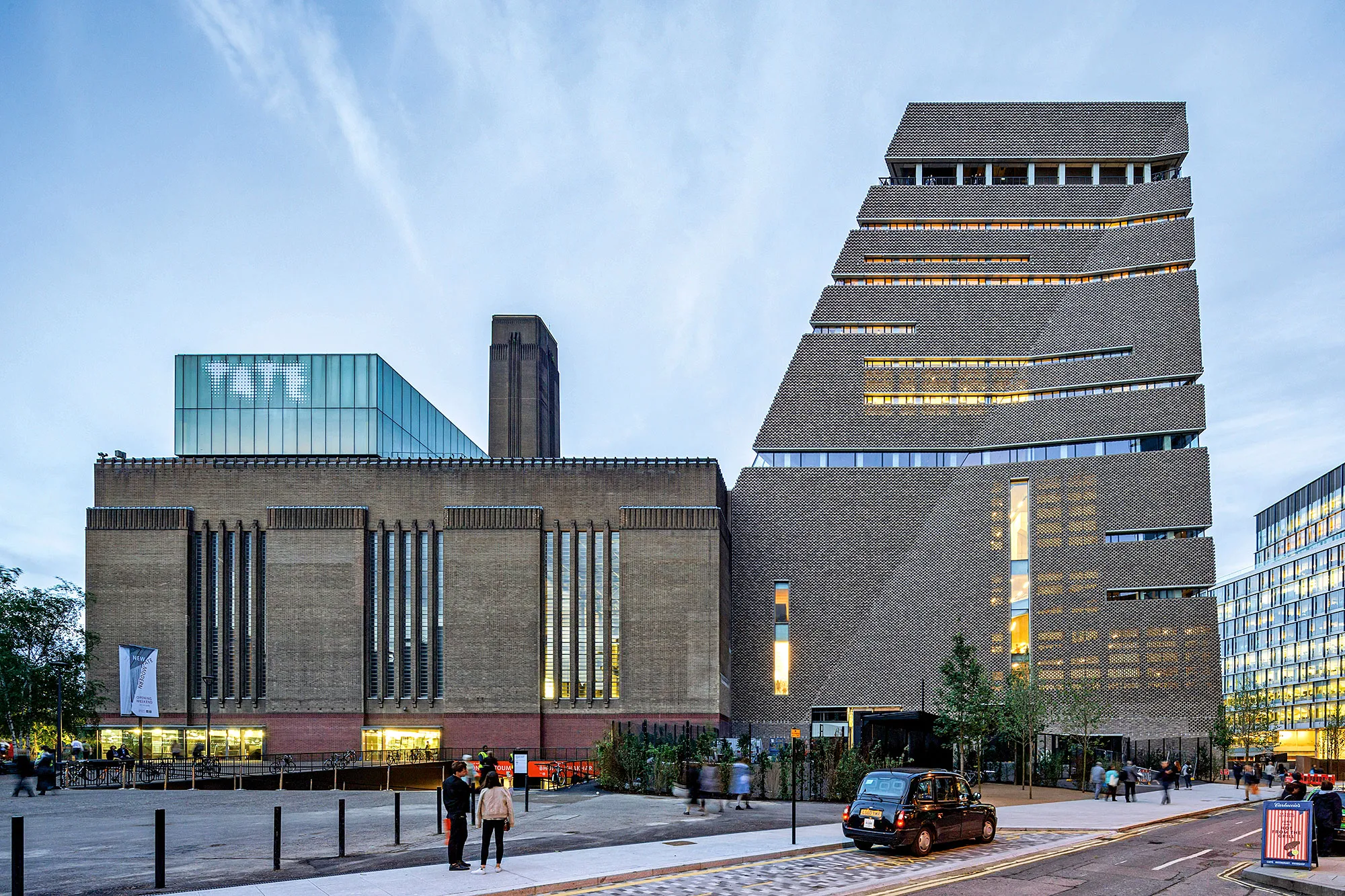
He became involved with Tate in London.
For international collectors, supporting a museum creates access to curatorial knowledge while also contributing financially to public culture.
Museum patron groups can fund acquisitions, exhibitions, and research.
They also expose collectors to work beyond their existing preferences.
This can deepen private collections.
Mori Art Museum and Regional Influence
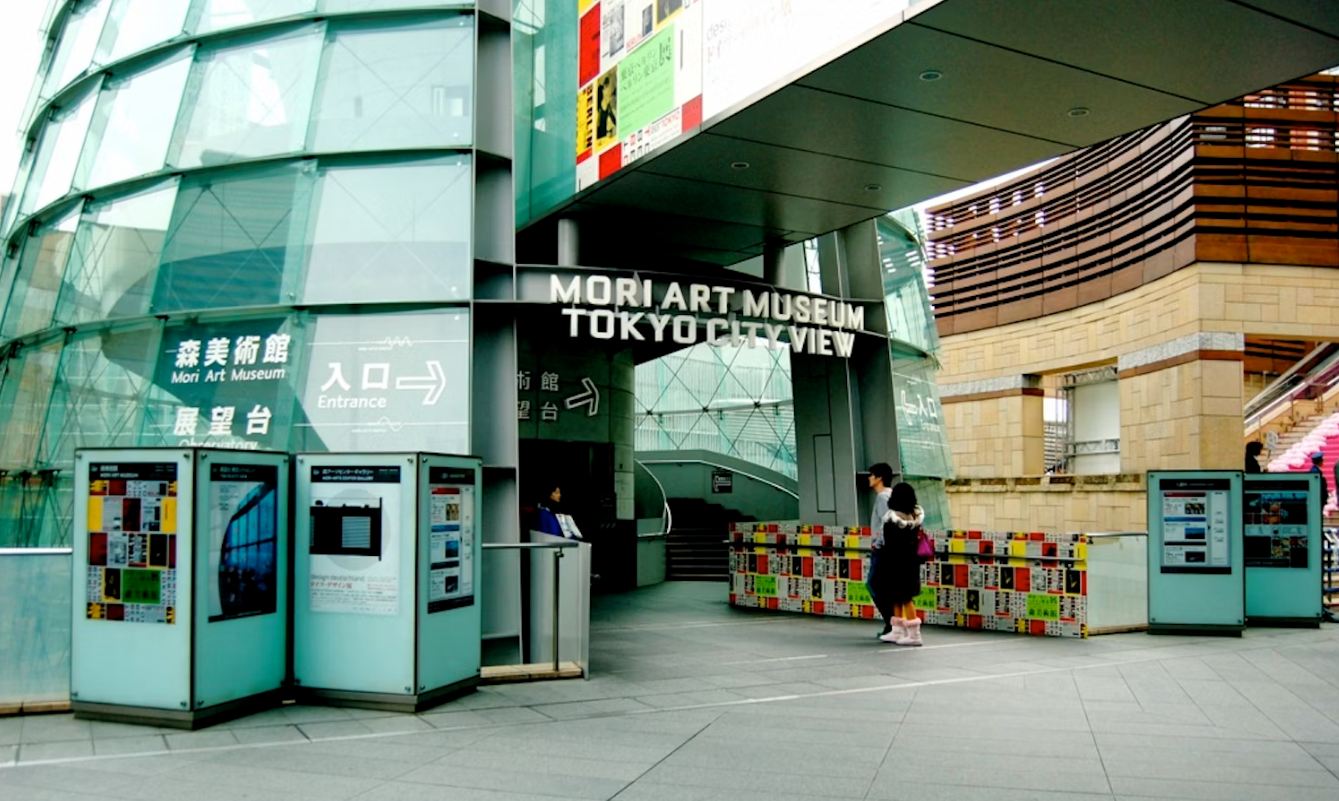
Tseng has also supported Mori Art Museum in Tokyo.
The Mori has played a major role in connecting Japanese contemporary art with broader Asian and international practices.
Supporting institutions in different countries allowed Tseng to operate beyond a purely Taiwanese context.
The collector becomes part of a network linking Taipei, Tokyo, London, and other centers.
This form of patronage can create cultural exchange more effectively than purchasing alone.
From Collecting to Curating
Tseng’s activities later expanded into curatorial work.
Curating requires a very different mindset from collecting.
A collector can buy whatever they personally want.
A curator needs to consider audiences, context, and relationships between works.
This experience can transform the collector’s eye.
Instead of asking only, ‘Do I want to own this?’ the question becomes, ‘What does this work communicate alongside other works?’
That shift can improve the quality of a private collection.
Curating a Biennial
Tseng also became involved in biennial-related activities.
Biennials operate outside the immediate logic of commercial fairs.
Artists may create experimental installations that are difficult to sell.
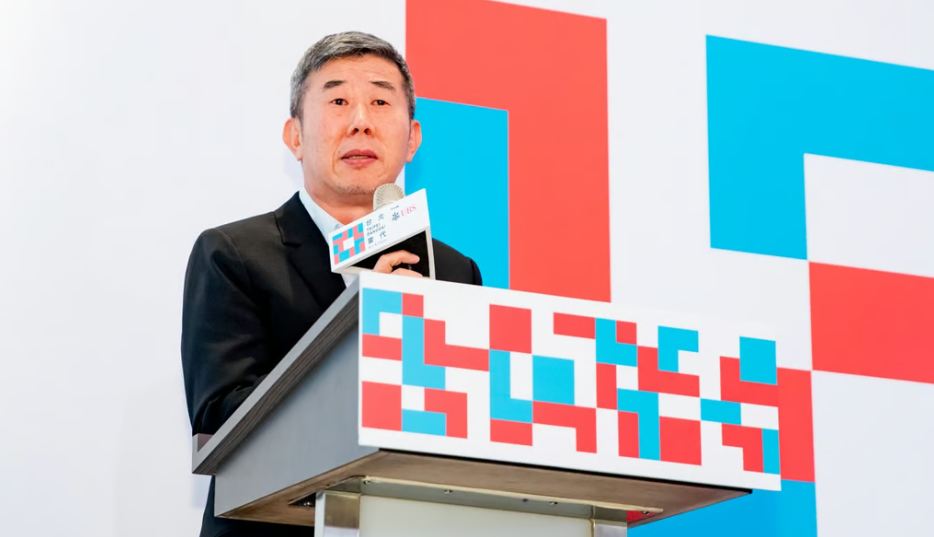
Curators can address political and social issues without needing every work to fit a collector’s home.
For a collector, participating in this environment expands the understanding of what artistic importance means.
Marketability and cultural significance are not the same.
Institutions Provide Historical Perspective
Collectors can easily become trapped in current market enthusiasm.
Museums create a longer timeline.
A gallery may need to sell the current exhibition.

An auction house focuses on the upcoming sale.
A museum asks how a work fits into decades or centuries of artistic history.
Tseng’s institutional engagement thus balances the commercial side of collecting.
Taiwan’s Contemporary Art Scene
Taiwan has developed a sophisticated network of artists, galleries, and museums.
Taipei also sits geographically within an important Asian cultural corridor connecting Japan, Korea, Mainland China, Hong Kong, and Southeast Asia.
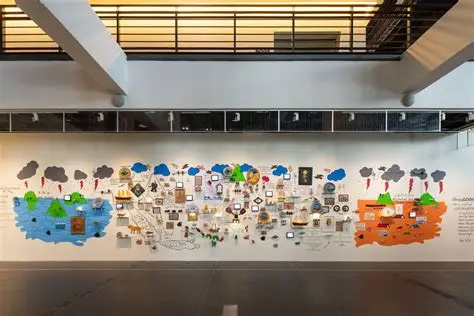
Collectors like Tseng can help internationalize the Taiwanese ecosystem.
They bring foreign curators and artists into local conversations while helping Taiwanese artists enter broader networks.
Collecting Should Create Relationships
Tseng’s career shows that serious collecting becomes relational.
The collector meets museum directors.
Artists become friends.
Curators introduce overlooked practices.
Institutions request loans.
The collection no longer exists only inside a home.
It participates in exhibitions, research, and public programs.
Loans Increase the Cultural Life of Private Art
When a collector lends works to museums, the artwork gains new contexts.
Curators may place it beside unexpected artists.
Scholars may publish research.
Visitors who would never enter a private home can experience it.
This does not remove private ownership.
It creates public access around it.
The Collector as Cultural Connector
Tseng’s strongest role may be that of connector.
His professional and cultural experiences allow him to move between Asia and the West.
The collector can introduce people who would otherwise remain separated.
An artist in Taiwan may meet a curator from Europe.
An Asian museum may gain access to a private loan.
A younger collector may learn from someone with decades of experience.
Influence becomes more valuable than possession.
Editorial Note
ArtExpoWorld believes Rudy Tseng represents an important stage in the evolution of a collector.
The first stage is discovery.
The second is acquisition.
The third is understanding.
The fourth is contribution.
Tseng’s journey from collecting YBAs to supporting Tate and Mori Art Museum shows what can happen when private passion expands into institutional responsibility.
The lesson is not that every collector needs to become a curator or museum patron.
It is that ownership can be the beginning of cultural participation rather than the end of it.
A major private collection becomes more meaningful when it circulates through exhibitions, scholarship, and relationships.