






Michael Ringier: Inside One of Switzerland’s Most Important Art Collections
Michael Ringier stopped trying to explain why he continues acquiring art.
Collecting has been part of his life for so long that the motivation can no longer be reduced to one purchase, one artist, or one investment decision.
His collection grew from family influence, journalism, curiosity, and a willingness to acquire work before fully understanding it.

Since the Ringier Collection was formally established in 1995, it has expanded to approximately 4,500 works covering drawing, painting, sculpture, photography, film, video, and sound.
The collection includes established figures and artists acquired at the beginning of their careers.
It is also closely integrated with Ringier, the Swiss media company founded by Michael Ringier’s family in 1833.
Rather than separating art from commercial activity, Ringier has placed artworks inside offices, commissioned artists to redesign annual reports, and encouraged employees to live with contemporary culture as part of everyday work.
Michael Ringier Grew Up in a Collecting Family
Michael Ringier and his wife both grew up in homes where collecting was normal.
His parents were interested in 18th-century furniture.
Their home contained French furniture associated with the reigns of Louis XIII, Louis XIV, Louis XV, and Louis XVI.
His wife’s family collected contemporary art.
Her father also introduced Ringier to Russian Constructivism.
As a fur dealer who regularly traveled to Russia, he developed extensive knowledge of the movement and shared it with the young Ringier.
Russian Constructivism emerged during the early 20th century and sought to connect art with modern materials, social change, architecture, typography, and industrial production.
Ringier began acquiring works from the 1910s and 1920s and continued to feel strongly connected with the period.
These pieces are now kept securely in his library.
Over time, however, his attention moved increasingly toward contemporary and conceptual art.
A Journalist Collecting the Art of His Own Time
Ringier has explained this shift through his identity as a journalist.
Historical art remains intellectually important, but journalism deals with the present.
A media executive works inside the arguments, technologies, anxieties, and contradictions of contemporary life.
Ringier wanted his collection to do the same.
This led him toward artists who question how images circulate, how identity is constructed, and how media influences perception.
Photography and text initially formed an important connection between his professional life and his collecting.
Both journalism and contemporary art can investigate reality without producing simple answers.
A newspaper article and a conceptual artwork operate differently, but each can challenge what an audience assumes it knows.
The Ringier Collection Reached Approximately 4,500 Works
By 2025, the collection contained roughly 4,500 works dating from the 1960s to the present.
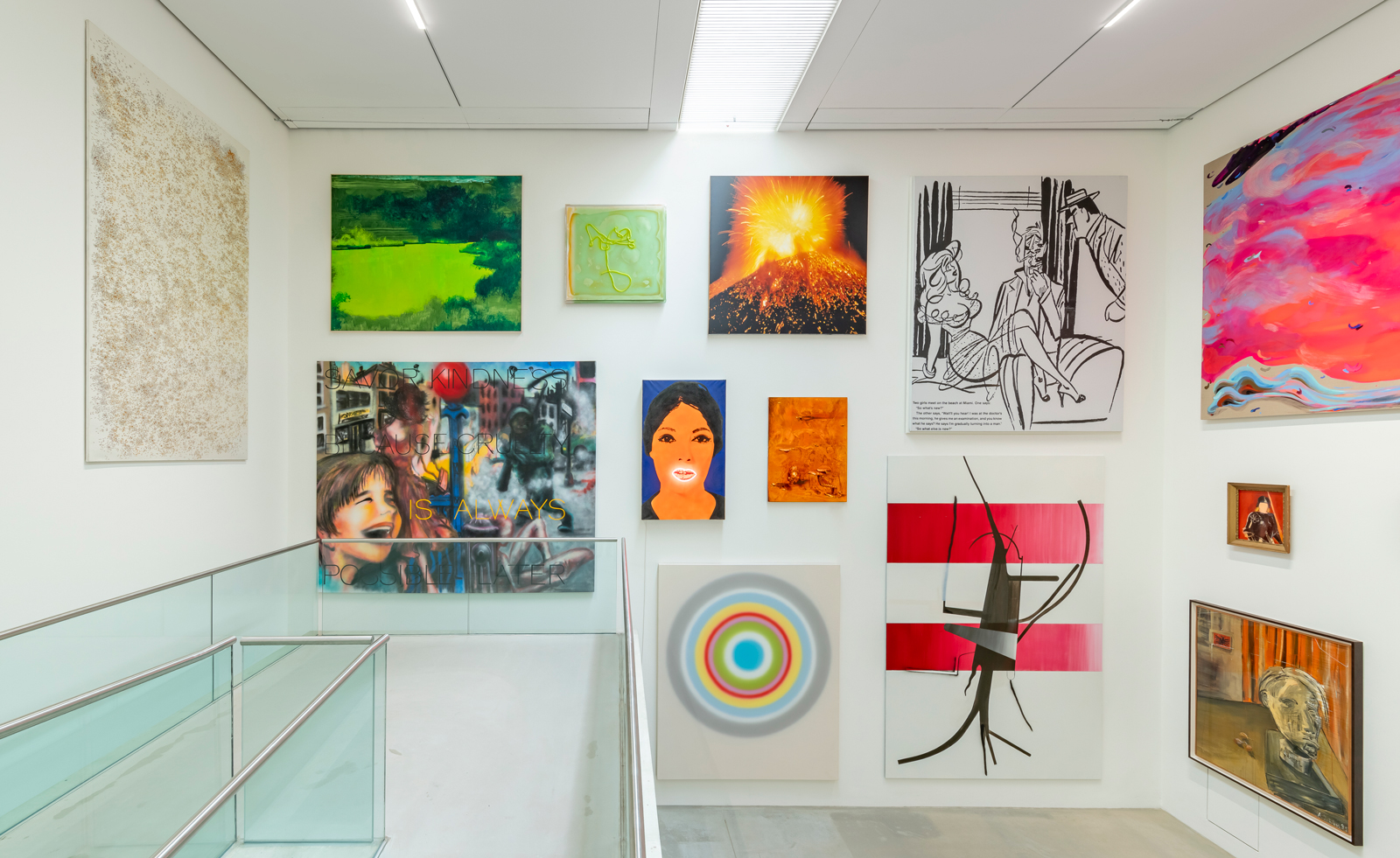
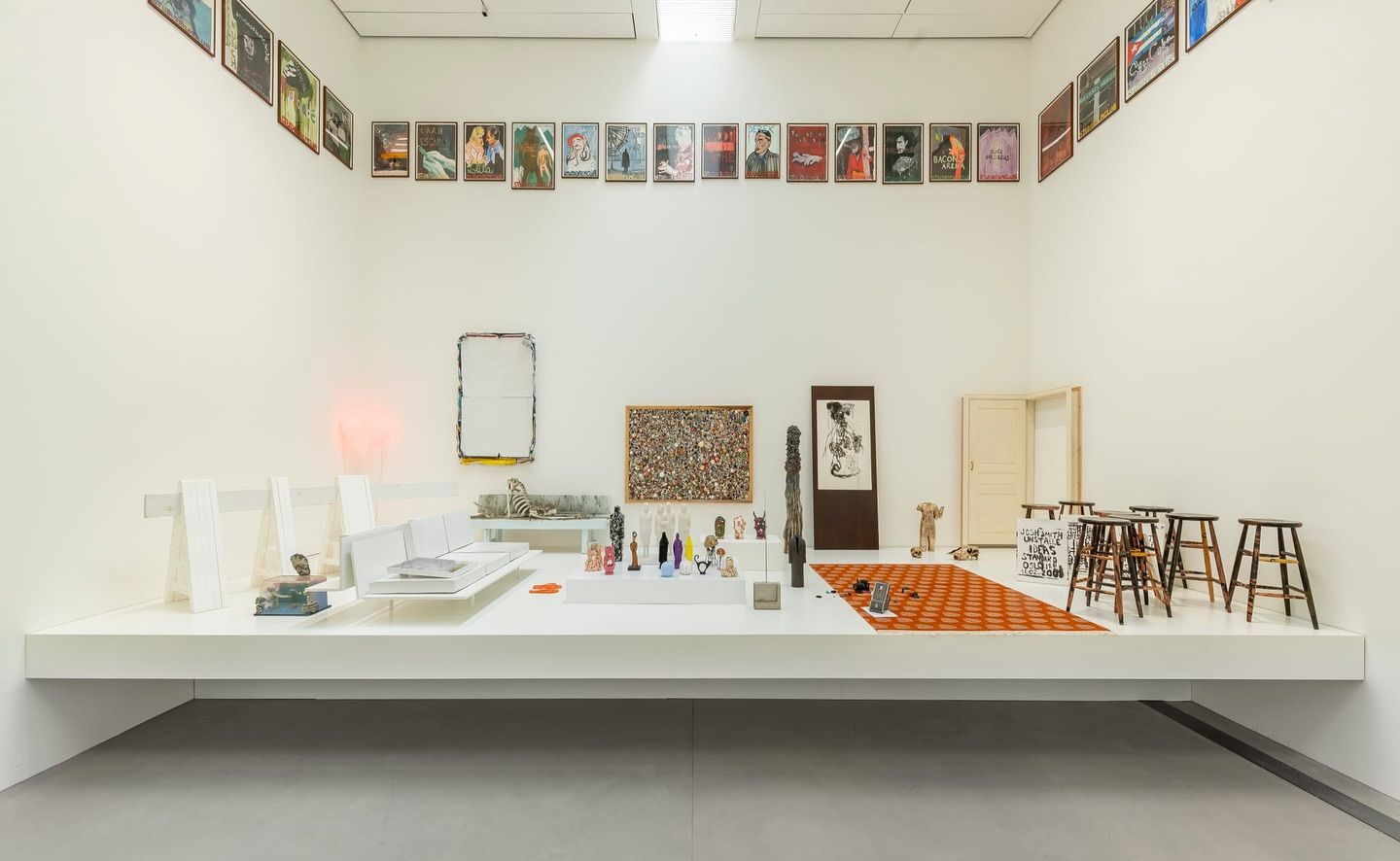
To mark its 30th anniversary, the Langen Foundation in Neuss, Germany, organized the exhibition “Drawing, Painting, Sculpture, Photography, Film, Video, Sound.”
The exhibition ran from April 13 to October 5, 2025.
Nearly 500 works were included.
Even this large presentation represented only a fraction of the collection.
Ringier rarely has the opportunity to see so many of the works installed together.
Private collections often grow beyond the walls available in homes and offices.
Artworks enter storage, travel on museum loans, or rotate through different buildings.
When hundreds are assembled in one exhibition, relationships that were previously invisible begin to emerge.
An early photograph may suddenly connect with a recent video.
A work acquired for one reason may appear differently beside another artist.
The collection becomes something more than the memory of individual purchases.
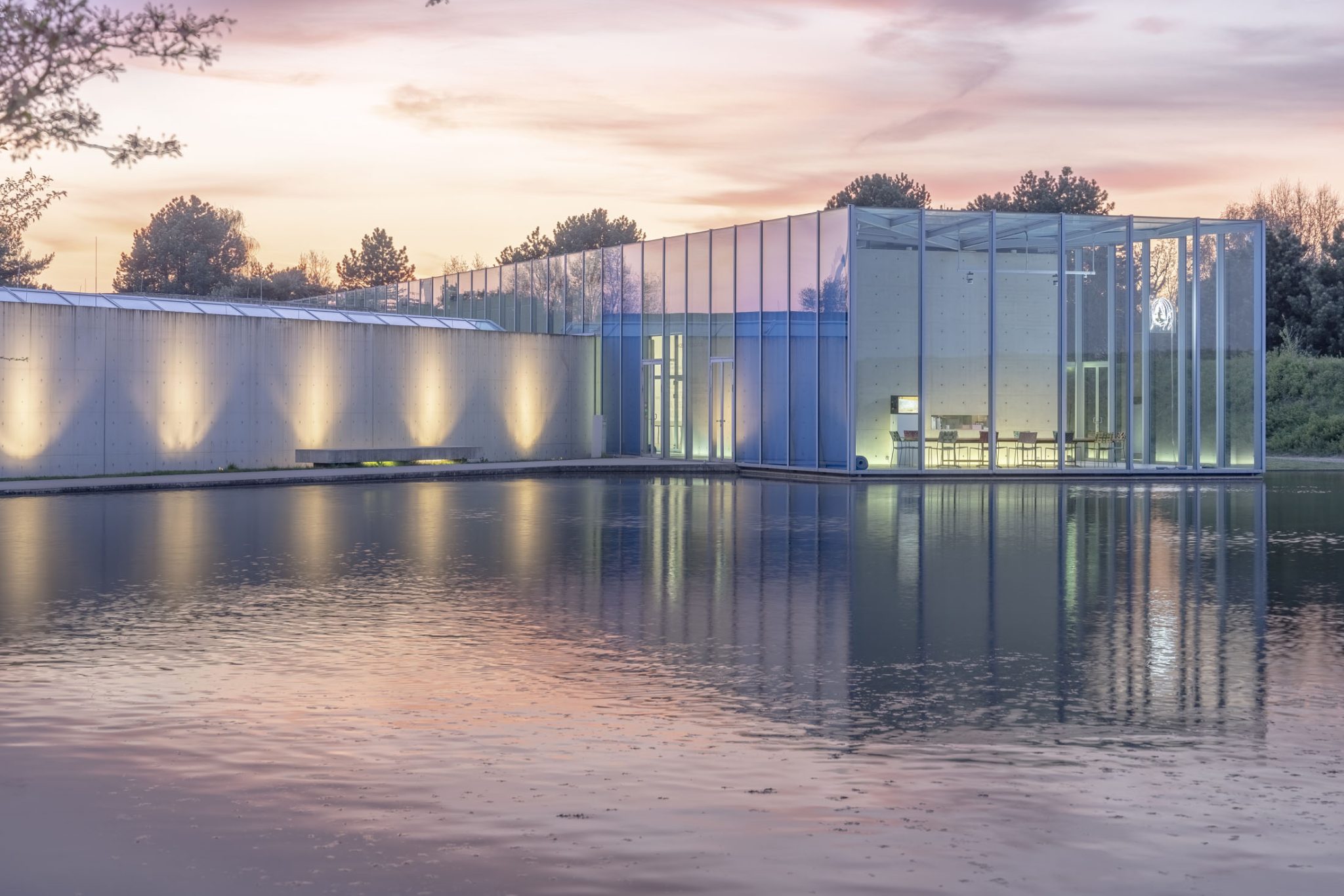
Tadao Ando Designed the Langen Foundation
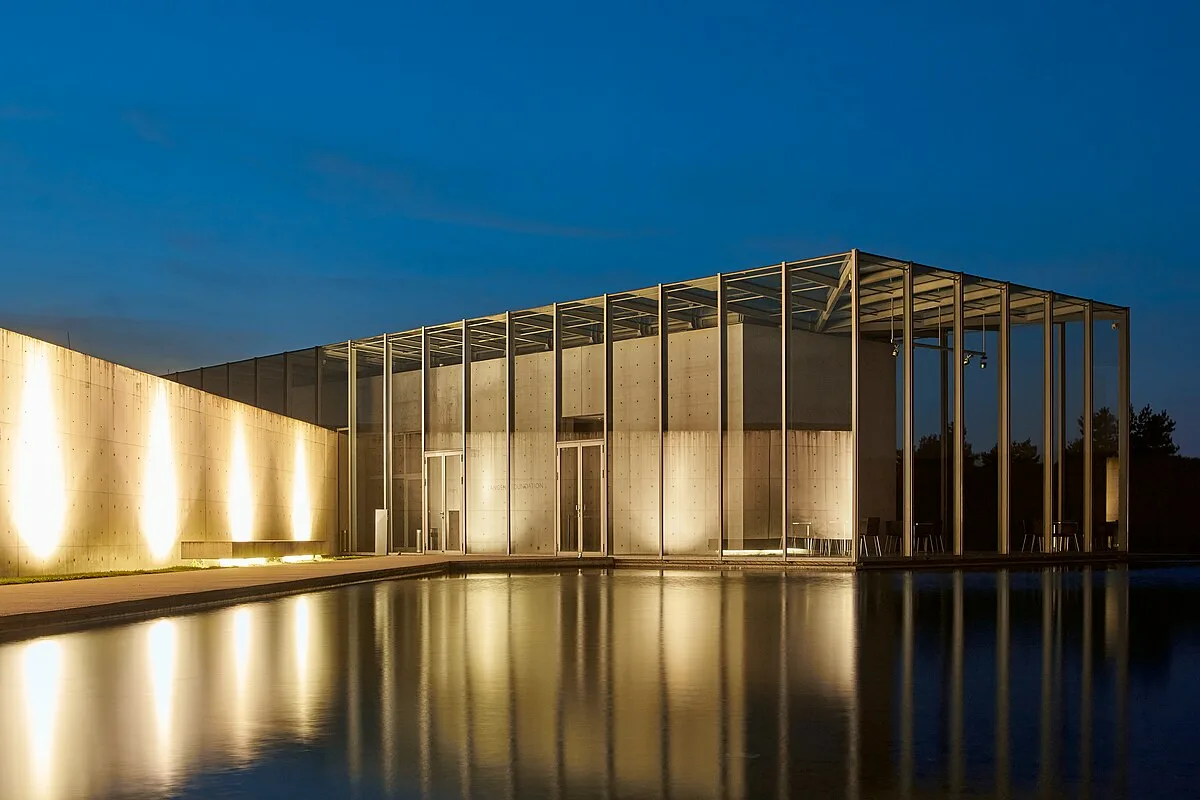
The Langen Foundation provided an especially powerful setting for the anniversary exhibition.
The museum was designed by Japanese architect Tadao Ando.
Its architecture combines reinforced concrete, steel, glass, and water.
The building’s severe geometry and controlled natural light create a close relationship between art, structure, and landscape.
Ringier believed that a private museum was particularly suitable for an exhibition of this scale.
A public institution presenting a major private collection can face questions about market influence.
Critics may ask whether the exhibition is increasing the financial value of privately owned works or whether the museum expects a future donation.
The Langen Foundation allowed the collection to be examined without such an implied transaction.
Ringier’s intention is not to transfer half of the collection in exchange for institutional validation.
He wants to keep it intact and connected with the Ringier company.
Art Entered the Ringier Offices
The relationship between the collection and the company began with Ringier’s dissatisfaction with conventional office design.
He found the workspaces visually boring.
Instead of purchasing generic decoration, he began installing contemporary artworks throughout the offices.
Employees were initially uncertain.
Conceptual and experimental work does not always provide immediate comfort. Some pieces may appear strange, unfinished, or difficult to interpret.
Over time, the collection became part of the organization’s identity.
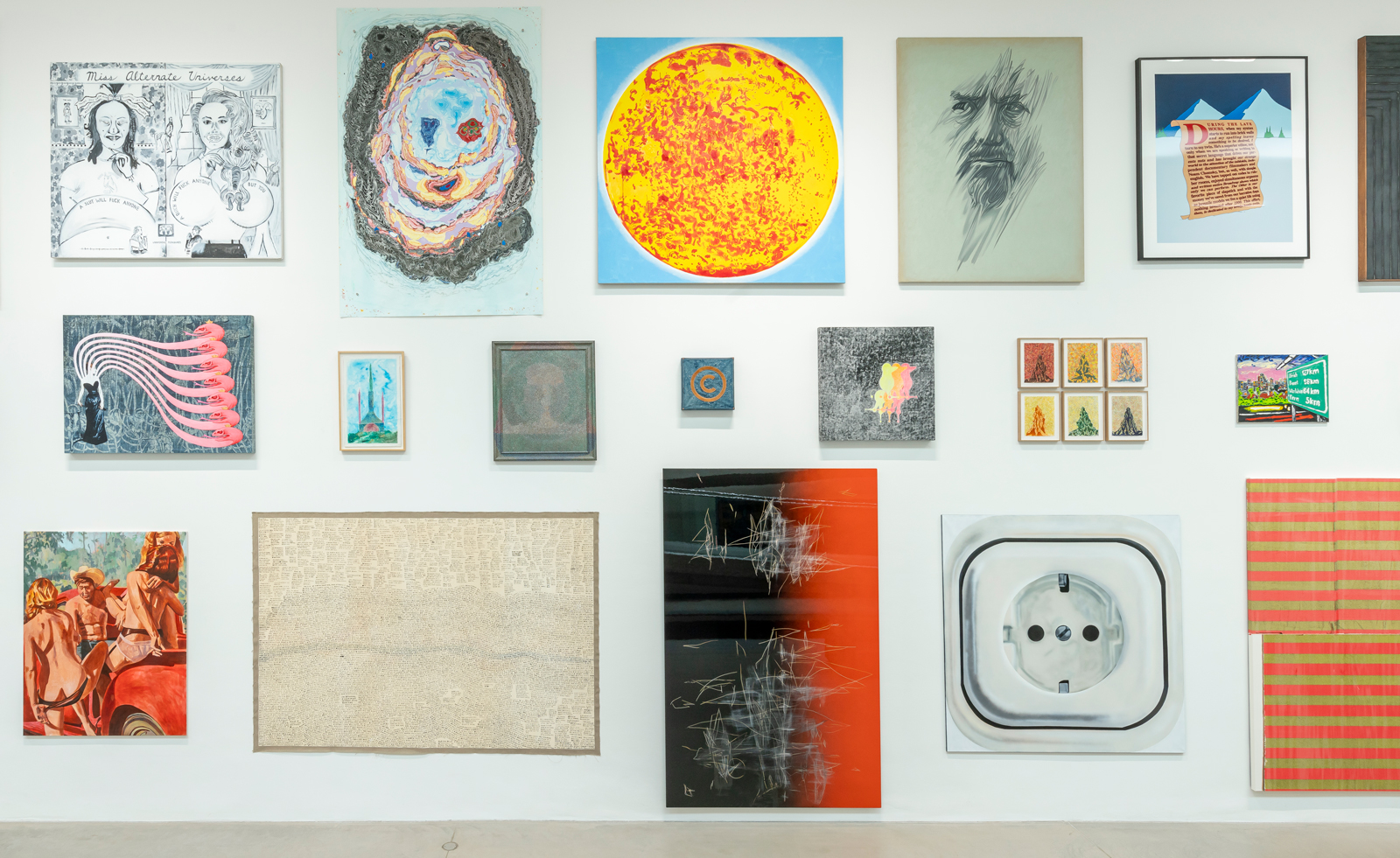
Ringier recalled that when an artwork near the company entrance was removed during a rotation, the wall remained empty for several days.
A concierge asked whether another work would soon replace it.
The absence had become noticeable.
Art was no longer an executive’s private hobby imposed on the building.
Employees had incorporated it into their expectations of the workplace.
Corporate Collections Can Shape Daily Culture
Many companies own art, but the role of these collections varies.
Some are assembled primarily as financial assets.
Others consist of decorative objects selected to make offices appear professional.
The Ringier Collection follows a more active model.
Artworks are intended to provoke attention and become part of the company’s intellectual atmosphere.
For a media organization, this has particular relevance.
Journalists, designers, editors, and commercial teams constantly make decisions about images, narratives, and public communication.
Living with contemporary art can challenge habitual ways of seeing.
A difficult work does not need to provide a direct business benefit.
Its value may lie in interrupting routine.
Artists Have Designed Ringier Annual Reports Since 1997
The collection’s influence extends into the company’s annual reports.
Since 1997, Ringier has invited well-known artists to design these publications.
Participants have included Sylvie Fleury and Michael Craig-Martin.
The commissions transform a corporate document into a continuing artistic series.
Some artists have also created physical objects connected with the reports.
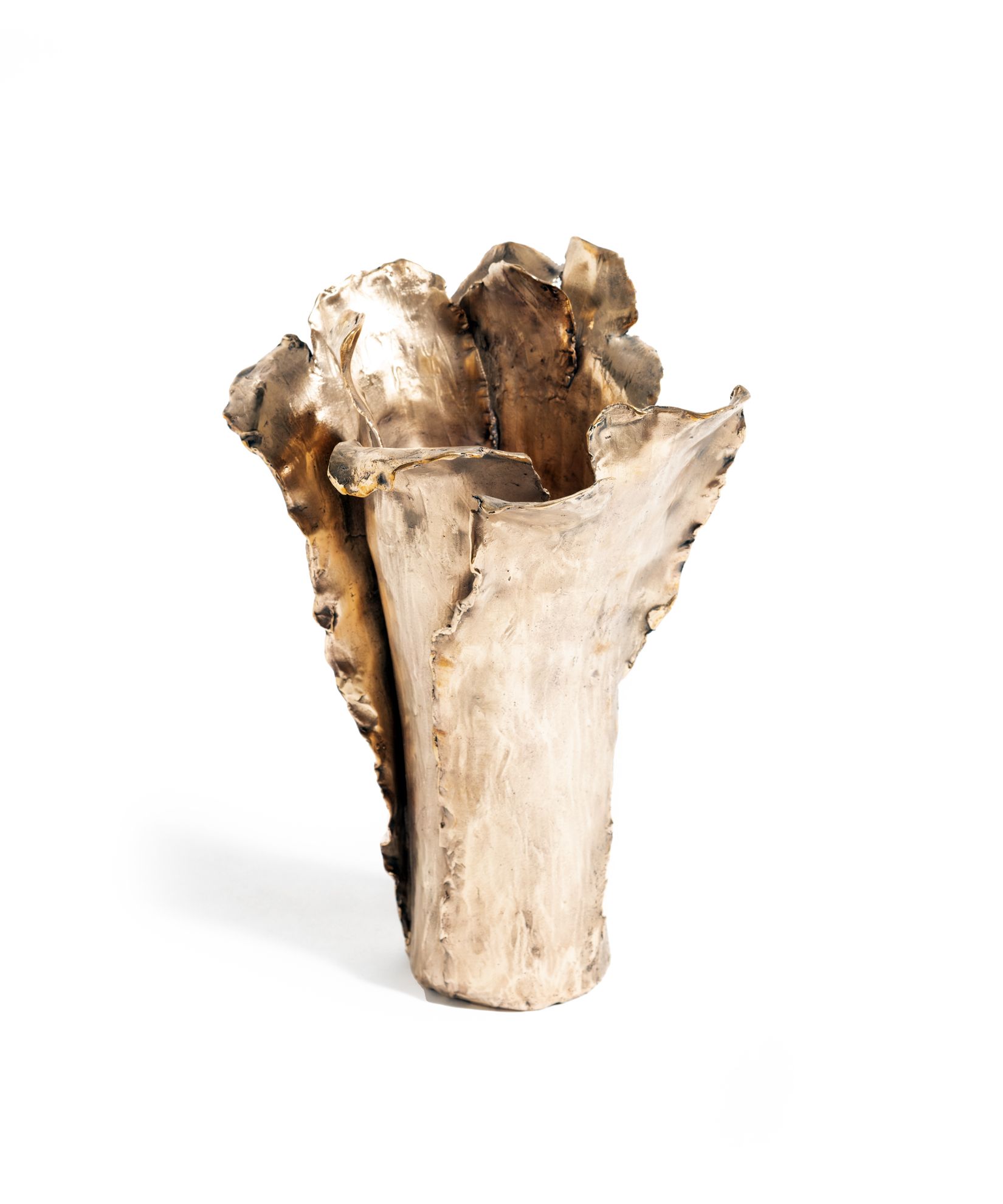
In 2022, Nicole Eisenman produced a limited-edition bronze vase titled Weed Holder.
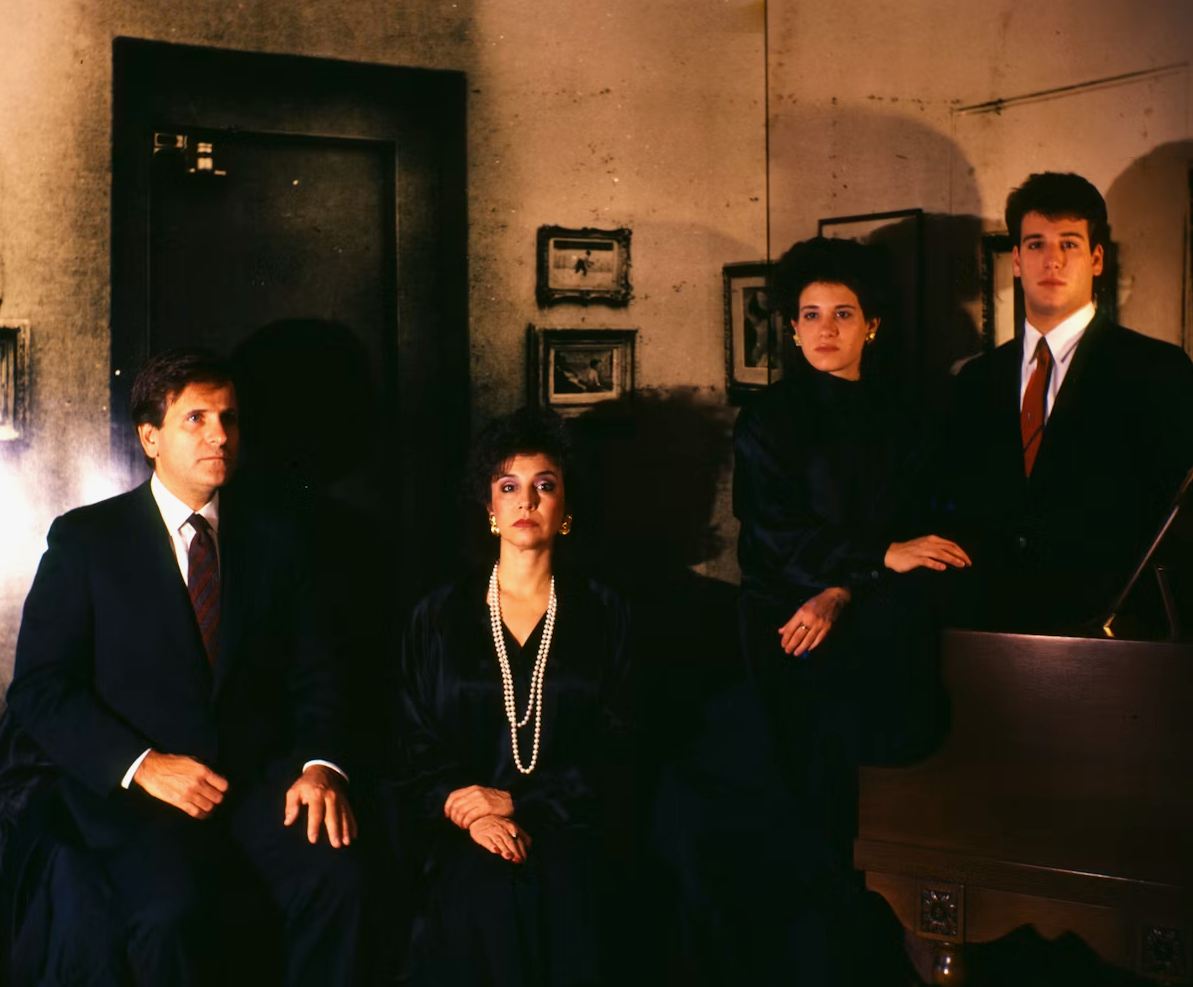
Clegg & Guttmann created The Owners in 1997.
The photograph presents Michael Ringier and members of his team in a composition that refers to traditional group portraiture and images of institutional authority.
These commissions bring artistic interpretation directly into the company’s self-presentation.
Instead of treating the annual report as a neutral financial summary, the project acknowledges that every corporate image is constructed.
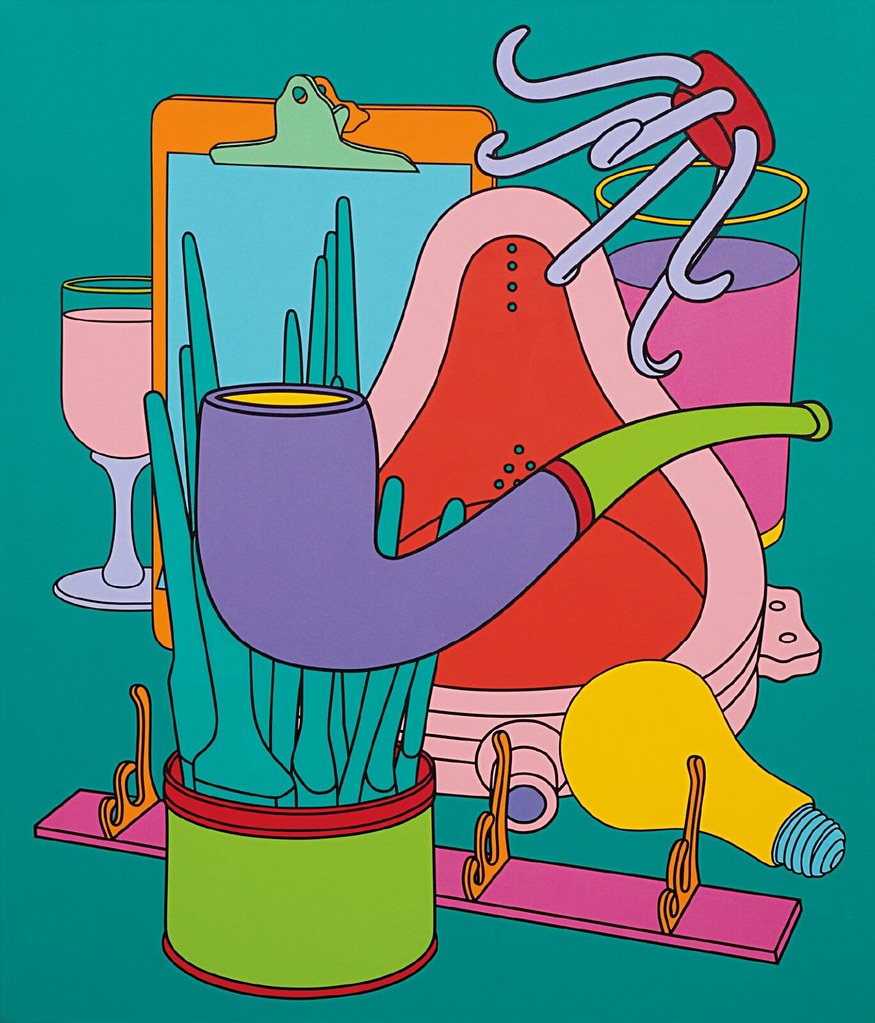
Richard Prince, Cindy Sherman and Elaine Sturtevant Form a Curatorial Line
A collection often begins with isolated attractions.
Over time, the collector starts recognizing relationships.
Ringier described this emerging direction as a red line.
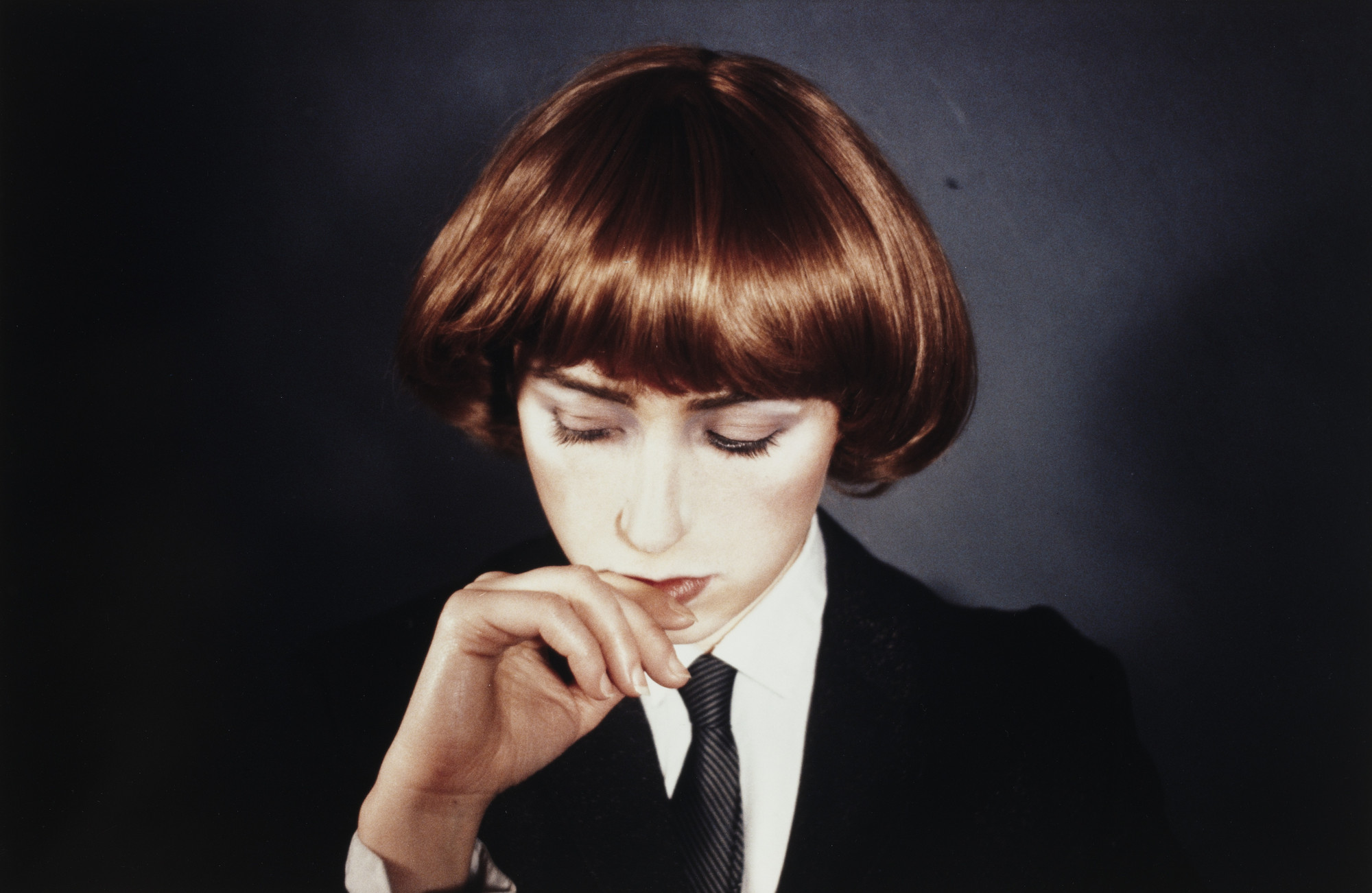
An acquisition of Richard Prince may lead naturally toward Cindy Sherman.
Both artists investigate photography, appropriation, authorship, and the way identities are built through existing images.
From there, the collection may expand toward Elaine Sturtevant, whose repetitions of other artists’ works challenge originality and ownership.
The collector is no longer buying separate famous names.
The works begin participating in a conversation.
This curatorial line does not have to be established perfectly at the beginning.
It develops through experience.
Beatrix Ruf Helped Shape the Collection for 19 Years
Ringier developed the collection in close collaboration with curator Beatrix Ruf.
She served as its artistic director from 1995 until 2014.
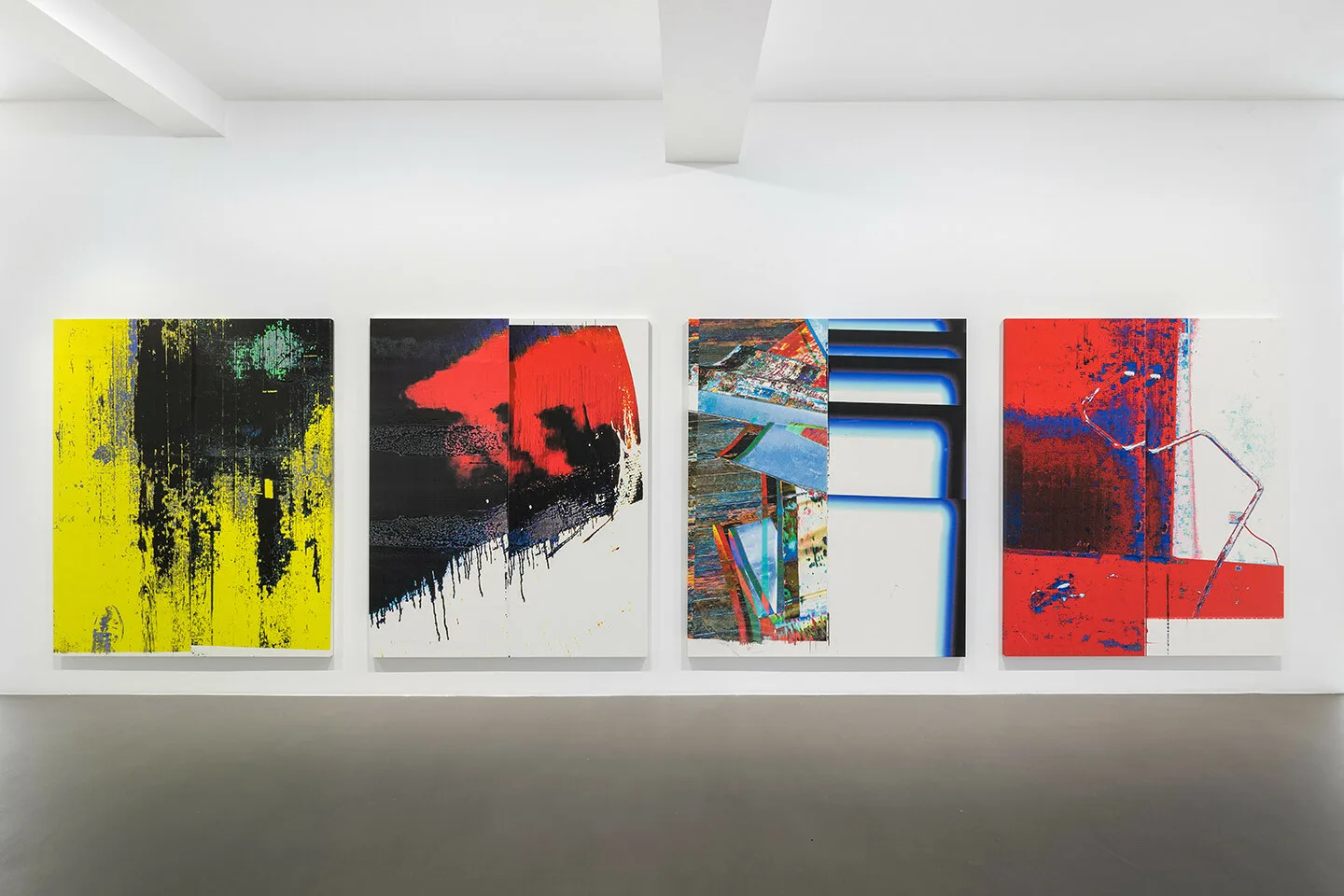
Ruf later curated the 30th-anniversary exhibition at the Langen Foundation together with American post-conceptual artist Wade Guyton.
Her long involvement helped the collection move beyond accumulation.
Ringier frequently acquired substantial bodies of work rather than one representative object from each artist.
He was also willing to purchase early works before an artist’s reputation became secure.
This approach creates risk.
The artist may not develop as expected. Early work may be technically uneven. The market may never recognize it.
However, collecting early can preserve stages of a practice that later become historically important.
The Collection Includes Challenging and Difficult Works
Private collectors often select objects that fit comfortably inside homes.
Ringier has been willing to acquire work that creates logistical and conceptual difficulties.
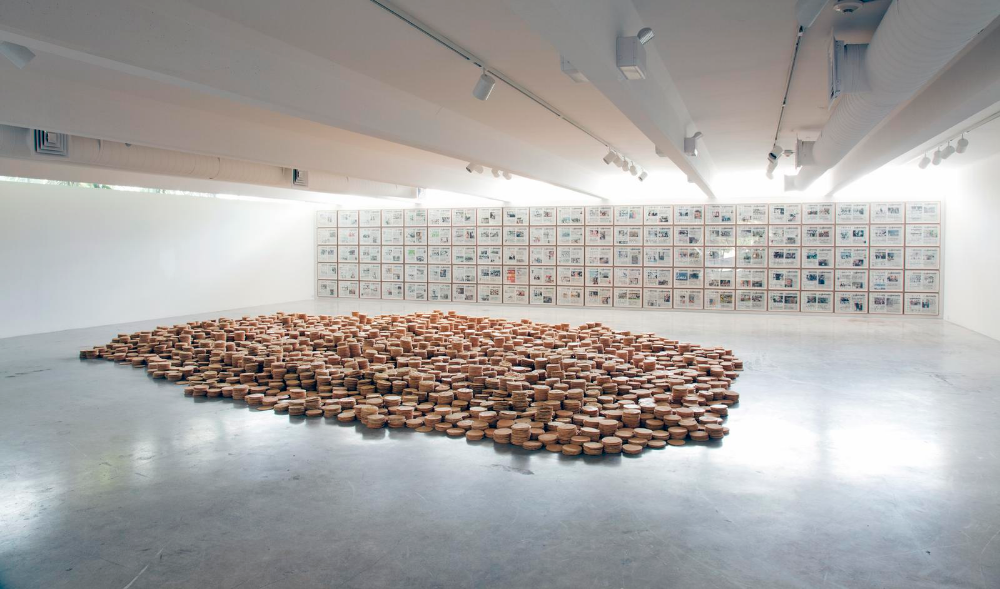
Beatrix Ruf identified a large work by Rirkrit Tiravanija and the complete photographic works of Mike Kelley as examples that might surprise viewers inside a private collection.
These acquisitions require more than wall space.

Installations may need instructions, replacement materials, technical support, or specialist storage.
Large photographic groups need careful documentation so their intended order is preserved.
A collector choosing such work accepts responsibility for the complete artistic structure, not merely an attractive fragment.
Wade Guyton Recognizes Ringier’s Openness
Wade Guyton’s own work appears in the collection and he co-curated the Langen Foundation exhibition.
Guyton described Ringier as open, generous, and willing to invest both time and money.
That combination matters.
Financial capacity can acquire art, but a major collection also requires trust in artists, curators, registrars, and conservators.
Ringier remains involved in decisions but does not need to control every interpretation.
The anniversary exhibition allowed Guyton and Ruf to reorganize the collection from their own perspectives.
This gave Ringier an opportunity to encounter familiar works differently.
Curiosity Is More Important Than Immediate Understanding
One of the collection’s defining characteristics is Ringier’s willingness to buy art that raises unresolved questions.
Many buyers want a clear explanation before making a decision.
They ask what the artwork means, how it will be valued, and whether museums approve of the artist.
Ringier can accept uncertainty.
For Beatrix Ruf, this openness helped sustain their collaboration for almost two decades.
A difficult artwork may continue unfolding over years.
Immediate confusion is not always a weakness.
It can indicate that the work resists familiar categories.
Collectors should not buy everything they fail to understand. Confusion alone does not create quality.
But demanding instant certainty can eliminate some of the most challenging possibilities in contemporary art.
Relationships With Living Artists Matter
Ringier considers personal contact one of the advantages of collecting contemporary art.
A historical collector cannot speak with Kazimir Malevich.
A contemporary collector can meet artists, visit studios, and ask how they understand the changing world.
These conversations influence Ringier’s thinking and occasionally introduce him to younger artists.
John Baldessari was particularly generous in this respect.
During visits, he would recommend artists that Ringier and his team should investigate.
This kind of informal mentorship can shape a collection more deeply than market reports.
Artists often recognize developments in other artists’ practices before they become visible to collectors.
Every Collection Contains Gaps
Despite its size, the Ringier Collection is not a complete history of contemporary art.
Ringier acknowledges that many major names are missing.
Some artists had already become too expensive by the time the collection wanted to acquire them.
No private collection can contain everything.
Attempts to fill every historical category often produce weak purchases.
A collector may buy an inferior work simply because a famous name is absent.
Ringier instead sees the collection as one possible survey of the past six decades.
Its value lies partly in the lesser-known artists shown beside recognized figures.
A strong collection does not need to pretend that its omissions do not exist.
The gaps reveal the collector’s time, resources, relationships, and choices.
Museum Loans Give Works New Meanings
Ringier regularly lends artworks to public institutions.
Loans increase access, but they also teach the collector something.
A curator may place a familiar work within an unexpected historical or thematic context.
Ringier appreciated the 2023 Isa Genzken retrospective at Berlin’s Neue Nationalgalerie, which included several works from his holdings.
Seeing them inside a major institutional survey changed the way they could be understood.
Loans also support scholarship.
Museum exhibitions generate catalogue texts, conservation research, and new comparisons with other collections.
Privately owned art gains public and historical life.
Ownership Creates Responsibility
Ringier’s position is clear: owning art creates a responsibility to make it as public as possible.
This does not require every collector to open a museum.
Works can be lent, reproduced in publications, shown in offices, or included in educational programs.
The principle challenges the idea that ownership should result in permanent private withdrawal.
A collector receives the legal right to possess an artwork.
Cultural importance creates a different obligation.
The work may eventually matter to scholars, artists, and audiences who have no relationship with the owner.
Editorial Note
ArtExpoWorld considers the Ringier Collection important because contemporary art is not treated as a separate luxury activity.
It has entered the company’s offices, annual reports, and working culture.
This integration is more meaningful than placing a few safe paintings in an executive lobby.
Michael Ringier accepts that art can confuse employees, complicate storage, and expose the collection to criticism. He also understands that a collector does not need to own every famous name.
The most convincing part of his approach is the belief that ownership creates public responsibility.
A private collection becomes culturally valuable when artworks continue circulating through exhibitions, loans, publications, and conversations.
Four thousand five hundred works hidden permanently in storage would represent wealth. Made accessible and thoughtfully interpreted, they become a cultural record.