






Digital Art Collecting: Why the Market Is Going Mainstream
For years, digital art occupied an uncomfortable position in the international art market.
Artists had used computers, code, video, and electronic systems since the mid-20th century, but many traditional collectors continued to treat digital work as a specialist category.
The rapid growth of NFTs changed that situation, but it also created new problems.
Prices rose dramatically, speculative buyers entered the market, and technology was often promoted as more important than artistic quality.
When the boom collapsed, many observers assumed that interest in digital art would disappear with it.
Instead, the market began to mature.
Collectors are increasingly distinguishing serious digital practice from short-lived speculation. Museums are organizing major exhibitions, galleries are developing specialist programs, and art fairs are creating dedicated sections for work made with software, algorithms, artificial intelligence, and interactive technology.
Digital art is no longer asking for permission to enter the mainstream. It is becoming part of it.
Digital Art Becomes a Major Collecting Category
The Art Basel and UBS Survey of Global Collecting 2025 questioned 3,100 high-net-worth collectors.
Digital art ranked third in total spending after painting and sculpture.
More than half of the respondents, 51%, reported purchasing a digital artwork during 2024 or 2025.
The average share of digital art within collections also increased significantly, rising from 3% in 2024 to 13% in 2025.
These numbers do not mean that digital art is replacing painting.
Painting remains the dominant medium in the global market, supported by centuries of collecting traditions, established conservation methods, and a large network of museums, galleries, and auction houses.
However, digital work is no longer a marginal experiment.
Collectors increasingly view it as one part of a contemporary collection that may also include painting, sculpture, photography, and installation.
Aniko Berman, director of Art of This Millennium, known as AOTM, has described the current market as more grounded than the speculative environment surrounding the NFT boom.
The correction removed some buyers who were interested primarily in rapid profits.
Those who remained were more likely to focus on artists, ideas, and long-term cultural relevance.
Art Basel Launches Zero 10
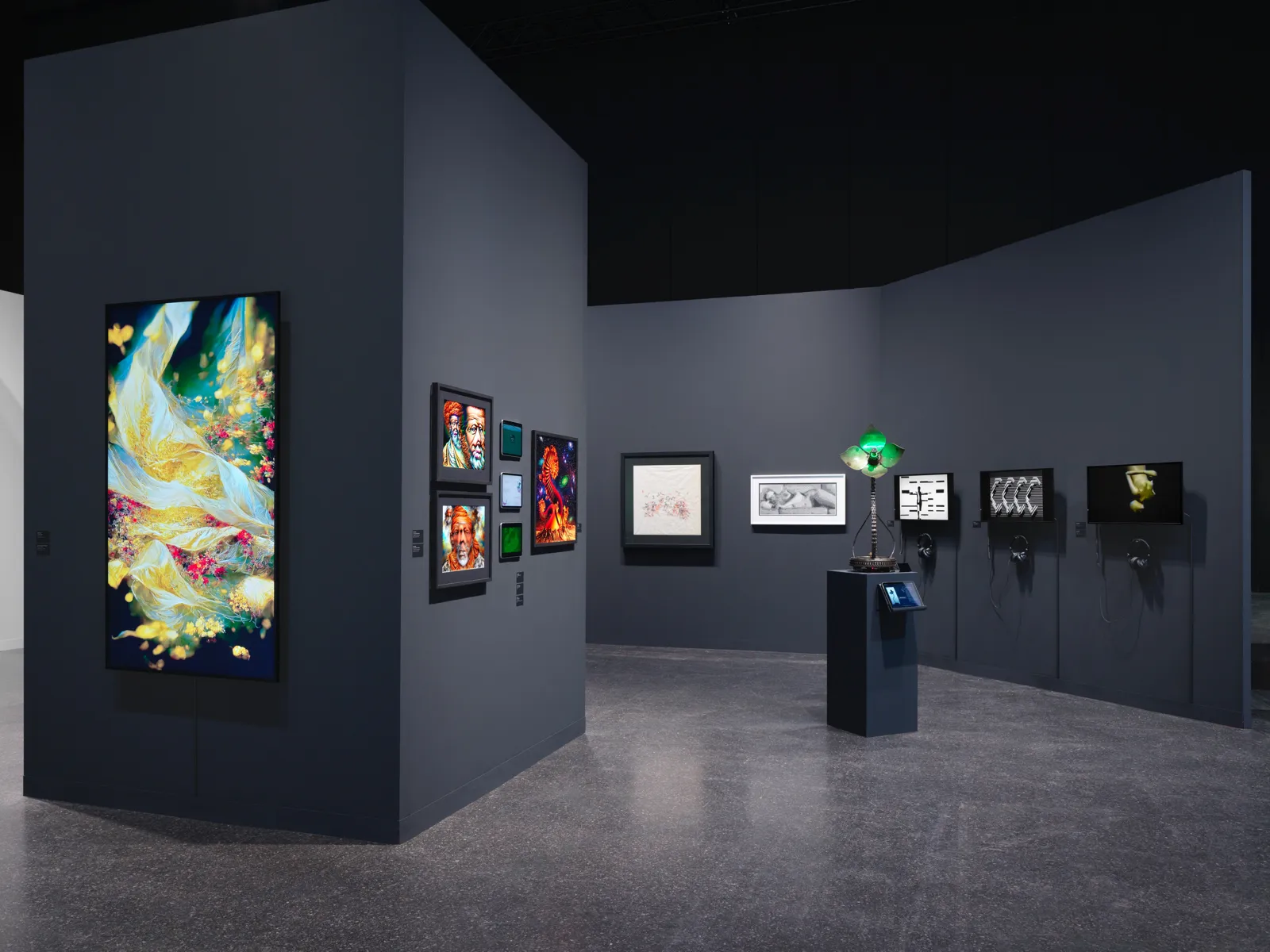
A major sign of this change was the launch of Zero 10 at Art Basel Miami Beach 2025.
The initiative was created as a dedicated platform for digital and new-media art.
Participants included AOTM, Art Blocks, bitforms gallery, Pace Gallery, and SOLOS.
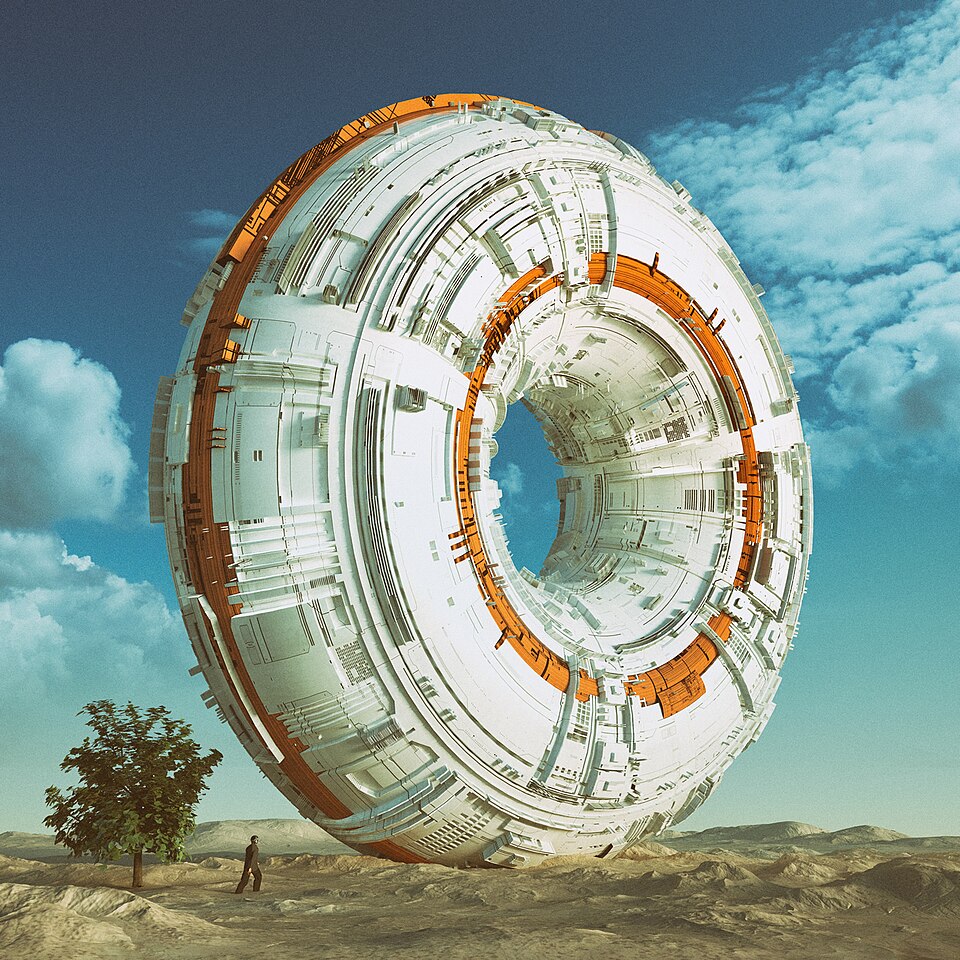
An interactive installation by Beeple, the American artist whose real name is Mike Winkelmann, also formed part of the program.
The existence of a specialist section inside Art Basel carried symbolic importance.
Digital art had previously been shown at major fairs, but it was often dispersed across individual booths or presented as a novelty linked with cryptocurrency.
Zero 10 placed different generations and technological approaches into a shared context.
The works included screen-based pieces, generative systems, NFTs, and physical objects derived from digital processes.
This broader approach helped demonstrate that digital art is not one medium.
It can include software, moving image, artificial intelligence, interactive environments, internet-based work, data, sound, robotics, and combinations of physical and virtual components.
Museums Are Giving Collectors Greater Confidence
Museum recognition has played a major role in changing collector attitudes.
Steven Sacks founded bitforms gallery in New York in 2001, long before the recent NFT market made digital art commercially fashionable.
He has argued that museum exhibitions give collectors confidence because they place new-media practice within a serious art-historical context.
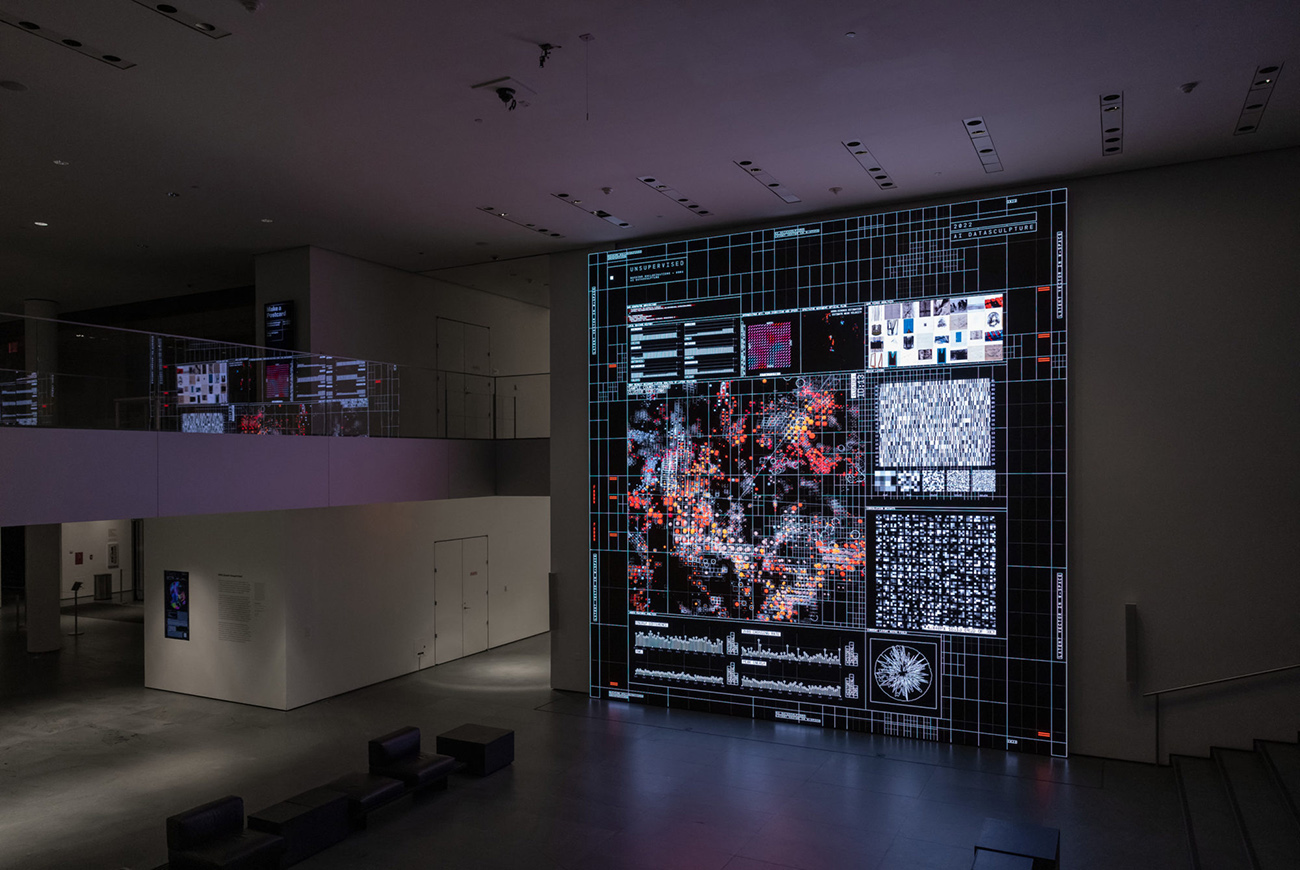
One of the most visible examples was Refik Anadol’s “Unsupervised” at the Museum of Modern Art in New York.
Presented in 2022 and 2023, the installation used artificial intelligence to interpret data connected with MoMA’s collection.
Its large moving images attracted broad public attention and demonstrated how digital systems could operate inside one of the world’s most influential museums.
According to Sacks, demand for Anadol’s work increased dramatically while the installation was on view.
Other major exhibitions have reinforced this institutional shift.
“Electric Dreams: Art and Technology Before the Internet” at Tate Modern examined artists who worked with machines, optical effects, and electronic systems before digital culture became part of everyday life.
The Centre Pompidou in Paris presented “Apophenia, Interruptions: Artists and Artificial Intelligence at Work.”
The Los Angeles County Museum of Art organized “Digital Witness: Revolutions in Design, Photography, and Film.”
The Toledo Museum of Art presented “Infinite Images: The Art of Algorithms.”
These exhibitions challenge the assumption that digital art began with NFTs.
They place contemporary practices within a much longer history of artists experimenting with mathematics, machines, computers, networks, and systems of image production.
Manfred Mohr, Casey Reas and Maya Man
At Zero 10, bitforms presented three artists from different generations.
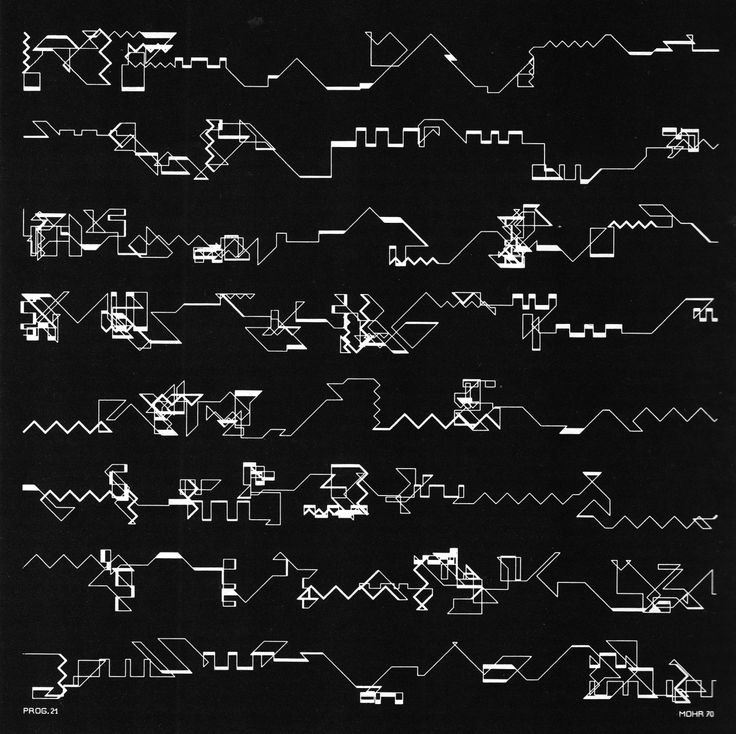
Manfred Mohr, born in Germany in 1938, is considered one of the pioneers of computer-generated art.
He began exploring algorithmic processes decades before personal computers became widely available.
Mohr used mathematical rules and computer code to produce visual structures, particularly compositions based on the geometry of the cube and hypercube.
His career demonstrates that digital art has a substantial history.
Casey Reas represents a later generation.
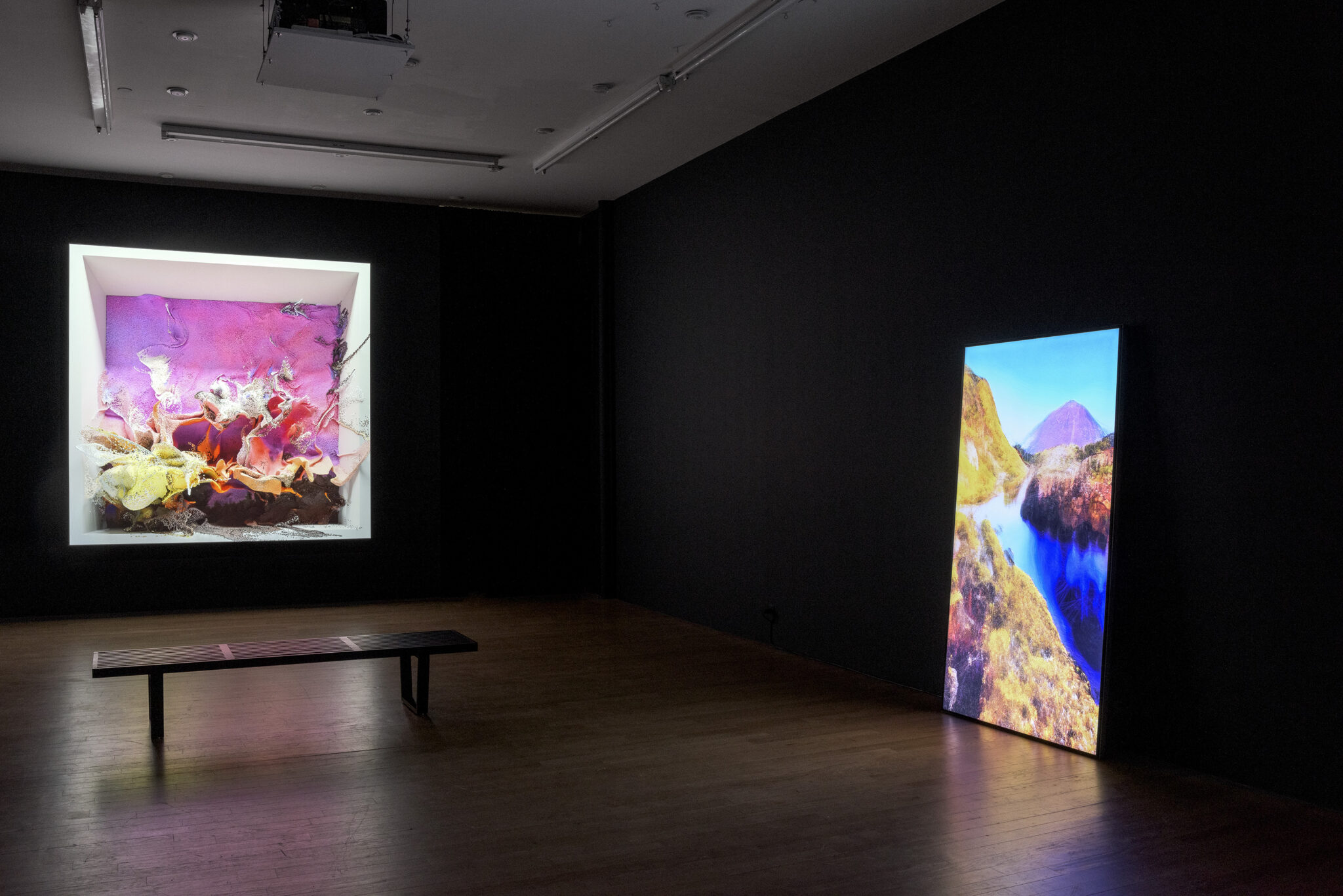
Born in 1972, the American artist uses software to create conceptual and often minimalist systems in which images develop according to programmed instructions.
Reas is also known as one of the creators of Processing, a programming language and environment developed to make creative coding more accessible to artists and designers.
Maya Man represents a younger, internet-native generation.
Her practice examines identity, self-presentation, femininity, and the social rituals that develop across online platforms.
By placing Mohr, Reas, and Man together, the gallery showed how the meaning of generative art has changed.
For Mohr, computation offered a new method of constructing abstract images.
For Reas, software became an artistic medium and a system capable of producing evolving compositions.
For Man, digital culture is also a social environment in which identity is continuously performed, measured, and reshaped.
Historical Digital Art Is Becoming Collectible
Collectors are increasingly interested in early digital works.
This creates both opportunities and technical challenges.
Many historical works were created using hardware or software that is no longer supported.
A computer, monitor, storage device, or operating system may become obsolete even when the artistic concept remains relevant.
Steven Sacks regularly advises collectors about technological migration.
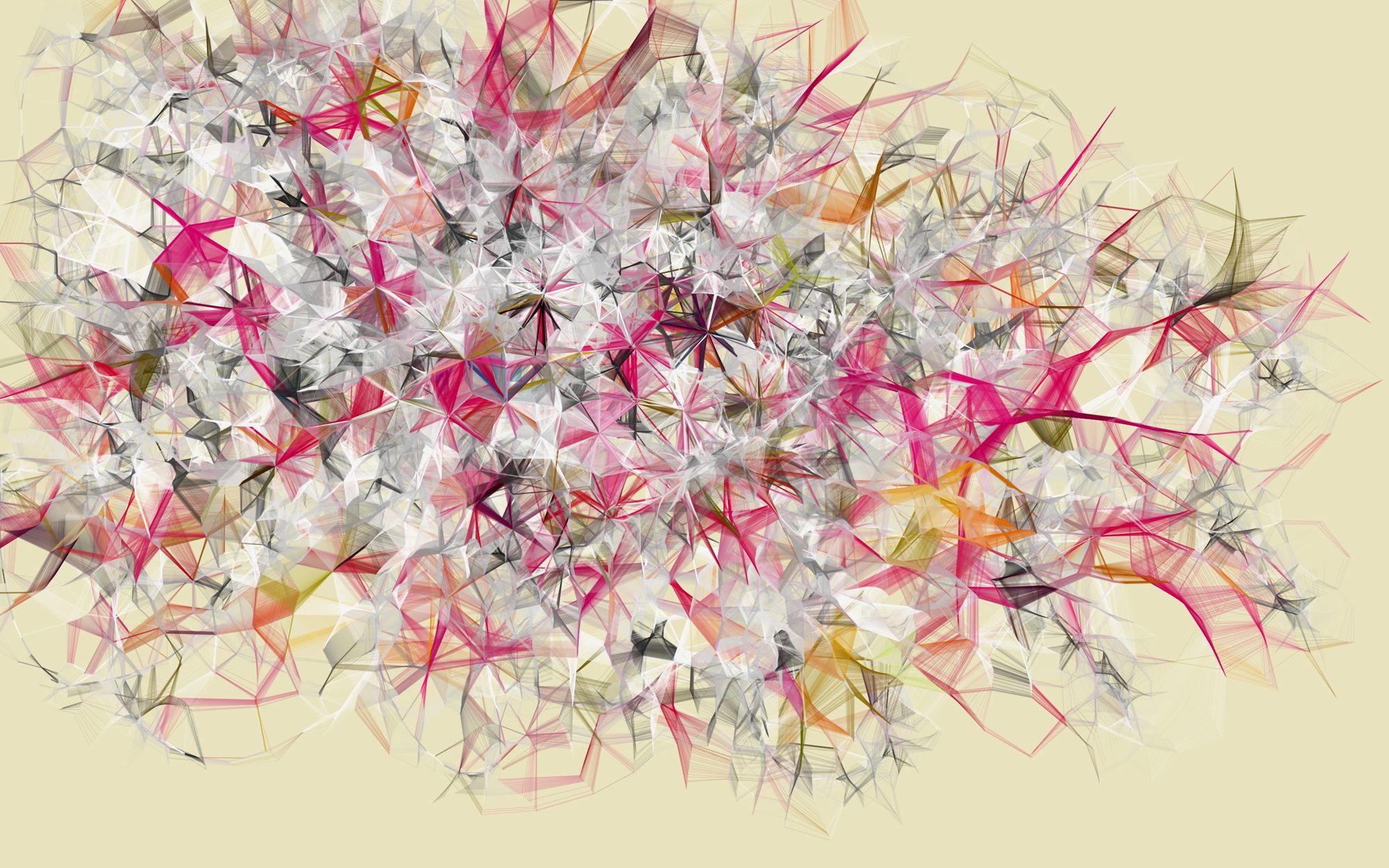
This may involve transferring a work to new hardware, updating a display system, or preserving the original code while adapting its presentation.
Digital art collector and art historian Dr. Annette Doms has described this process as demanding but intellectually engaging.
Approximately 80% of her collection is digital.
Artists represented include Gretchen Andrew, Cory Arcangel, Anouk Kruithof, and Frieder Nake.
Owning such work requires a different relationship with conservation.
A traditional painting may need cleaning or restoration after physical deterioration.
A digital artwork may remain visually perfect while the technology required to display it disappears.
Collectors must therefore preserve not only files and objects, but also instructions, dependencies, and knowledge.
What Do You Actually Own When You Buy Digital Art?
The answer varies greatly.
A digital art purchase may include:
a unique digital file;
an editioned file;
an NFT or blockchain-based certificate;
source code;
a physical screen or sculptural display;
a computer configured to run the work;
installation instructions;
authentication documents;
rights to exhibit the work privately;
access to future software updates.
Collectors must ask exactly what is included.
Ownership of an artwork does not automatically include copyright.
The artist may retain the right to reproduce images, create additional editions, or adapt the project in the future.
Buyers should also understand storage and backup requirements.
Where is the master file kept? Is the work stored locally, through a cloud service, on a decentralized network, or through the gallery?
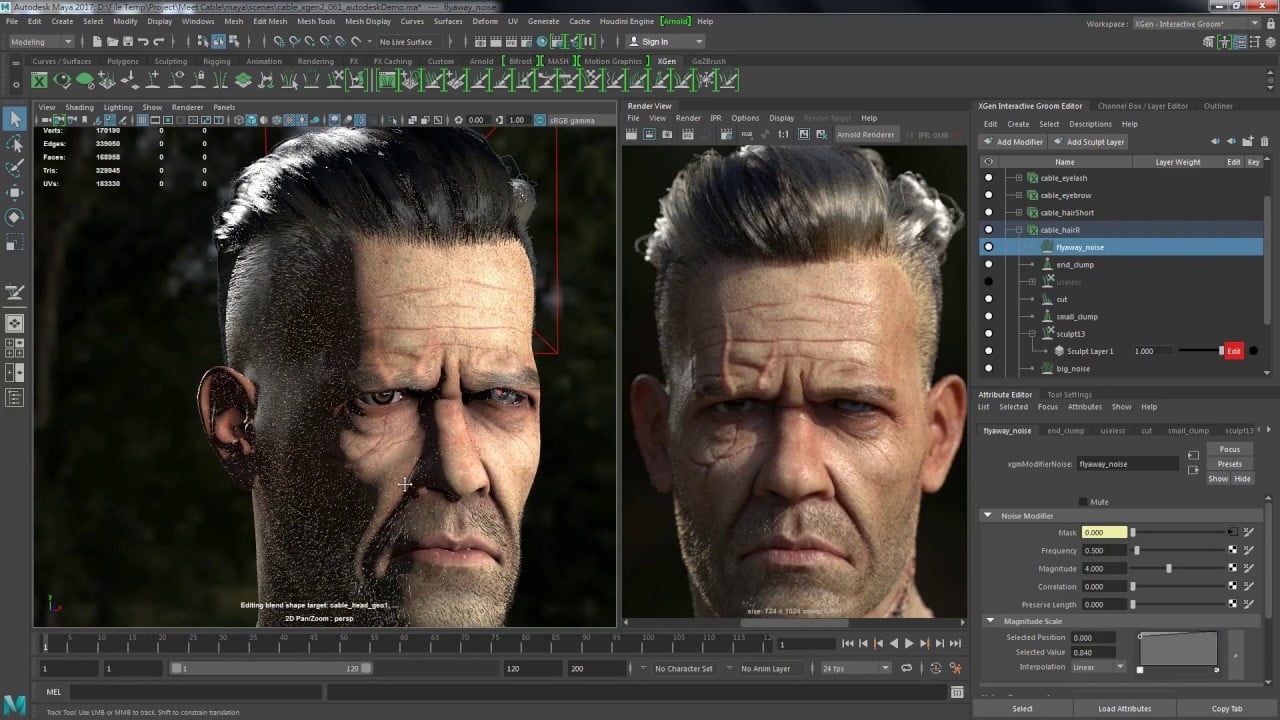
Can the collector make backup copies?
What happens if a platform closes, a token standard changes, or the company supporting the display system no longer exists?
These questions are not reasons to reject digital art. They are part of responsible collecting.
France, Japan, Korea and New Centers of Digital Art
The Survey of Global Collecting found notable levels of digital art ownership in France and Japan.
Digital work accounted for a comparatively high share of collections in France, where public institutions have a long history of supporting contemporary media and technological experimentation.
The Centre Pompidou and other organizations helped create an audience comfortable with video, sound, digital images, and time-based installations.
Japan also has a strong cultural relationship with technology-driven visual environments.
Immersive installations, animation, gaming, digital design, and electronic media are familiar parts of the country’s broader cultural landscape.
Aniko Berman has also identified Korea and the United States as important markets.
New York and Miami remain major centers due to their concentration of collectors, galleries, museums, and technology communities.
Dr. Annette Doms has pointed to Hamburg, where the UBS Digital Art Museum was planned to open, as well as Dubai and Doha.
These cities show that the geography of digital collecting is not limited to traditional art-market capitals.
Technology-based work can develop wherever institutions, collectors, and technical expertise come together.
Women Collectors Are Taking Digital Art Seriously
The survey found that digital art represented a larger share of women’s collections than men’s collections.
Women allocated approximately 15% of their collections to digital art, compared with 11% among men.
Berman connected this willingness to support newer forms with a longer history of women patrons who collected beyond established convention.
She referenced figures such as Isabella Stewart Gardner, Abby Aldrich Rockefeller, Peggy Guggenheim, and Agnes Gund.
Not everyone agrees that gender is the decisive factor.
Annette Doms has questioned whether anonymous cryptocurrency wallets and incomplete data make such comparisons fully reliable.
Steven Sacks has observed a clearer change among artists, noting the increasing visibility of women working in new media.
The underlying point is that digital art creates opportunities to build a collection outside the most established hierarchies.
Collectors willing to study the field early may encounter important artists before their work becomes fully institutionalized.
Gen Z and the Screen as a Natural Environment
Interest in digital art is particularly strong among Generation Z.
The survey found that 68% of Gen Z women owned a digital artwork, compared with 49% of Gen X women.
For digital-native collectors, the screen does not feel like an inferior substitute for a physical artwork.
It is part of the environment in which they communicate, work, create relationships, and experience culture.
A collector using the pseudonym GMSpace has built a collection that is approximately 90% digital.
Artists represented include Pak, Tyler Hobbs, Refik Anadol, and Sam Spratt.
GMSpace has explained that discovery often happens through online networks, conversations with artists, and platforms such as X and Discord.
However, physical encounters still matter.
Studio visits, dinners, collector groups, and exhibitions create relationships that cannot be replaced entirely by online transactions.
Steven Sacks has noted that younger collectors often purchase at lower price levels, frequently under USD 5,000.
This may allow them to enter the market earlier than buyers seeking established paintings or sculptures.
Digital Art Is Reconnecting With the Physical Art World
The early NFT market often presented itself as an alternative to galleries, museums, and art fairs.
Collectors purchased directly through online platforms, artists built audiences on social media, and transactions took place without traditional intermediaries.
The newer phase is more integrated.
AOTM, founded as a digital-focused platform, participated in its first physical fair presentation through Zero 10.
Its program included work by algorithmic artist Dmitri Cherniak.
Gazelli Art House presented early computer art by Harold Cohen at Frieze Masters, placing a digital pioneer within a fair traditionally associated with historical art.
Digital collectors are attending museum exhibitions and physical events, while traditional collectors are becoming more comfortable with screen-based and software-driven work.
This does not mean that digital art is abandoning online culture.
Instead, the two systems are beginning to overlap.
How to Begin Collecting Digital Art
New collectors should begin with artists rather than technology.
A work should remain interesting even after the novelty of its software, blockchain, or artificial intelligence has faded.
Research the artist’s wider practice.
Does the artist have a consistent body of work? How does the technology serve the idea? Is the project connected with earlier developments in digital or conceptual art?
Collectors should also examine the edition structure.
A work presented as rare may exist in multiple formats, sizes, or blockchain editions.
Ask about authenticity, storage, display, and technical maintenance.
Request a clear agreement covering hardware replacement, software migration, and access to files.
Consider how the work will be experienced.
Will it be displayed permanently, activated occasionally, or stored primarily as part of a digital collection?
Finally, avoid confusing market activity with artistic importance.
A high volume of online sales can reflect speculation rather than long-term cultural relevance.
Beyond the NFT Boom
The first phase of mass interest in digital art was dominated by speed.
Projects appeared rapidly, prices changed within hours, and buyers often made decisions based on online attention.
The current phase is slower and potentially more sustainable.
Museums are examining the historical foundations of digital practice. Galleries are representing artists across generations. Collectors are asking more detailed questions about preservation, rights, and artistic quality.
This movement does not guarantee that every digital artwork will retain financial value.
It does suggest that digital art itself is not disappearing.
Technology is now inseparable from contemporary life. Artists will continue to examine algorithms, artificial intelligence, surveillance, online identity, virtual space, and the systems through which images circulate.
Collecting digital art means collecting part of that cultural history while it is still being formed.
Editorial Note
ArtExpoWorld believes digital art has finally reached a healthier stage.
The NFT boom gave the field visibility, but it also encouraged the false idea that technology, scarcity, and rapid resale were enough to make an artwork important.
They are not.
The strongest digital works are not valuable simply because they exist on a blockchain or use artificial intelligence. They are valuable because artists use technology to express ideas that could not be communicated in the same way through another medium.
Museum exhibitions and historically informed gallery programs are helping collectors distinguish serious artistic practice from technical novelty.
The main risk is no longer that digital art will disappear. The greater risk is that collectors will purchase works without understanding what they own or how the work will survive technological change.
A responsible digital collection requires artistic judgment, documentation, and long-term technical planning.
When those elements are present, digital art belongs naturally beside painting, sculpture, photography, and every other medium through which artists have responded to their time.