





Коллекционирование цифрового искусства: почему рынок становится мейнстримом
Много лет цифровое искусство занимало неудобное положение на международном арт-рынке.
Художники использовали компьютеры, код, видео и электронные системы с середины XX века, но многие традиционные коллекционеры продолжали рассматривать цифровые работы как специализированную категорию.
Быстрый рост NFT изменил эту ситуацию, но также создал новые проблемы.
Цены резко выросли, на рынок пришли спекулятивные покупатели, а технологии часто продвигались как более важные, чем художественное качество.
Когда бум рухнул, многие наблюдатели предположили, что интерес к цифровому искусству исчезнет вместе с ним.
Вместо этого рынок начал созревать.
Коллекционеры всё чаще отделяют серьёзную цифровую практику от кратковременной спекуляции. Музеи организуют крупные выставки, галереи развивают специализированные программы, а арт-ярмарки создают отдельные секции для работ, созданных с помощью программного обеспечения, алгоритмов, искусственного интеллекта и интерактивных технологий.
Цифровое искусство больше не просит разрешения войти в мейнстрим. Оно становится его частью.
Цифровое искусство становится важной категорией коллекционирования
Исследование Art Basel и UBS «Глобальное коллекционирование 2025» опросило 3100 коллекционеров с высоким уровнем дохода.
Цифровое искусство заняло третье место по общим расходам после живописи и скульптуры.
Более половины респондентов, 51%, сообщили о покупке цифрового произведения искусства в 2024 или 2025 году.
Средняя доля цифрового искусства в коллекциях также значительно выросла — с 3% в 2024 году до 13% в 2025.
Эти цифры не означают, что цифровое искусство заменяет живопись.
Живопись остаётся доминирующей техникой на мировом рынке, поддерживаемой многовековыми традициями коллекционирования, отработанными методами консервации и широкой сетью музеев, галерей и аукционных домов.
Однако цифровые работы больше не являются маргинальным экспериментом.
Коллекционеры всё чаще рассматривают их как часть современной коллекции, которая может также включать живопись, скульптуру, фотографию и инсталляции.
Анико Берман, директор Art of This Millennium, известной как AOTM, описала текущий рынок как более приземлённый по сравнению со спекулятивной средой вокруг бума NFT.
Коррекция убрала часть покупателей, интересовавшихся в первую очередь быстрыми прибылями.
Оставшиеся сосредоточились на художниках, идеях и долгосрочной культурной значимости.
Art Basel запускает Zero 10
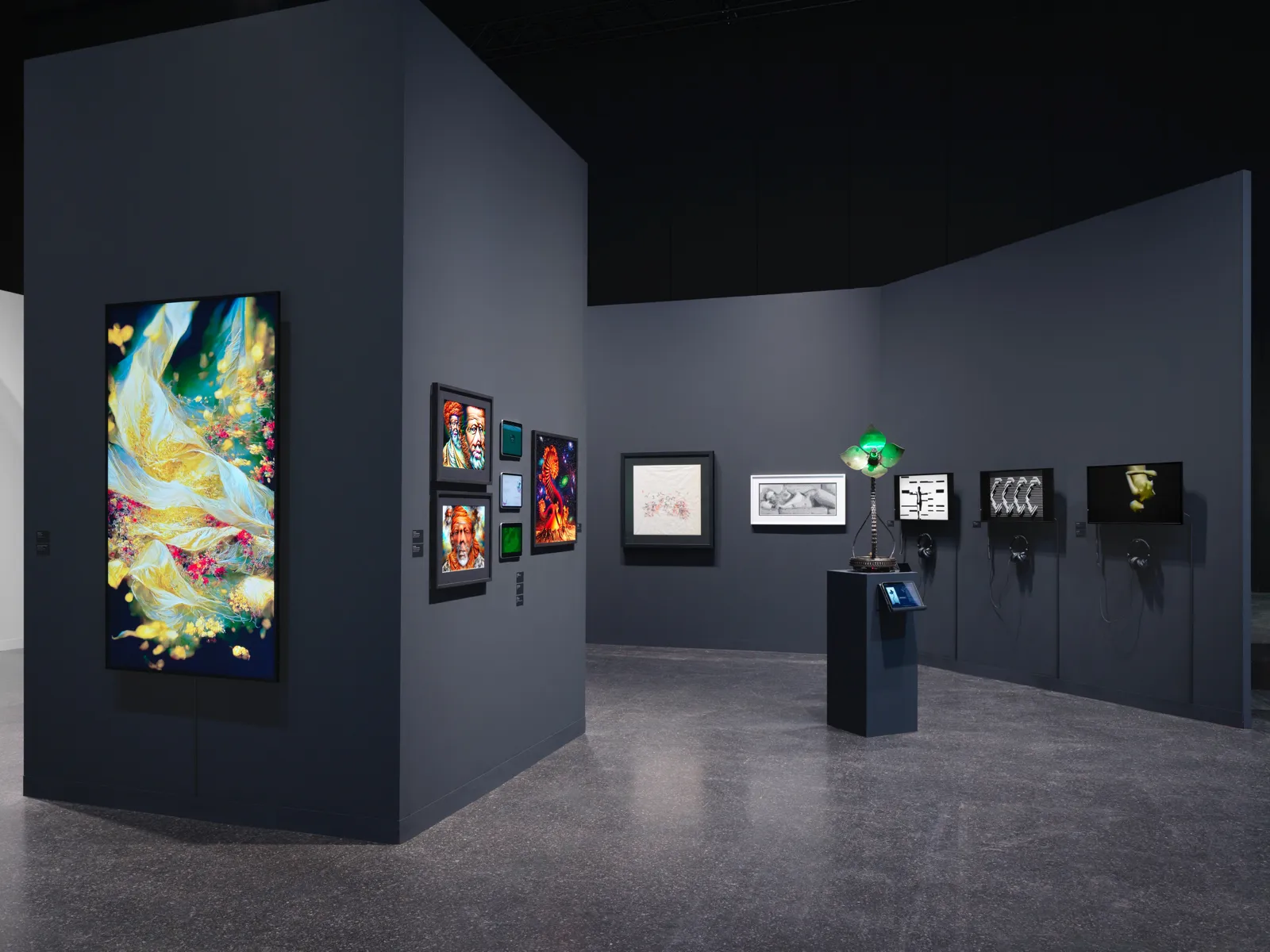
Важным признаком этого изменения стал запуск Zero 10 на Art Basel Miami Beach 2025.
Инициатива создана как специализированная платформа для цифрового и нового медиа-искусства.
Участниками стали AOTM, Art Blocks, bitforms gallery, Pace Gallery и SOLOS.
В программу вошла интерактивная инсталляция Beeple, американского художника, настоящее имя которого Майк Винкельманн.
Наличие специализированного раздела внутри Art Basel имело символическое значение.
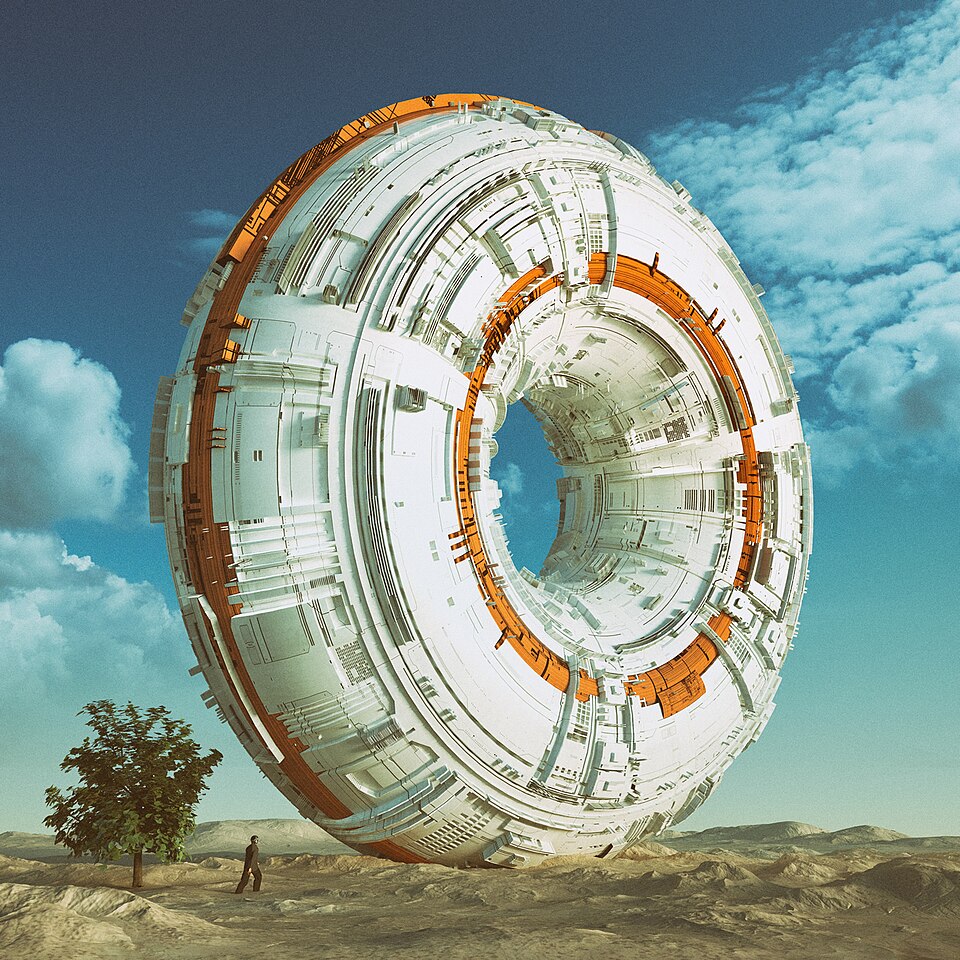
Ранее цифровое искусство показывали на крупных ярмарках, но оно часто было разбросано по отдельным стендам или представлено как новинка, связанная с криптовалютой.
Zero 10 объединил разные поколения и технологические подходы в общем контексте.
Работы включали экранные произведения, генеративные системы, NFT и физические объекты, созданные на основе цифровых процессов.
Этот более широкий подход помог показать, что цифровое искусство — это не один медиум.
В него входят программное обеспечение, движущиеся изображения, искусственный интеллект, интерактивные среды, интернет-работы, данные, звук, робототехника и сочетания физических и виртуальных компонентов.
Музеи придают коллекционерам больше уверенности
Признание музеев сыграло важную роль в изменении отношения коллекционеров.
Стивен Сакс основал bitforms gallery в Нью-Йорке в 2001 году, задолго до того, как недавний рынок NFT сделал цифровое искусство коммерчески модным.
Он утверждает, что музейные выставки придают коллекционерам уверенность, поскольку помещают практику новых медиа в серьёзный арт-исторический контекст.
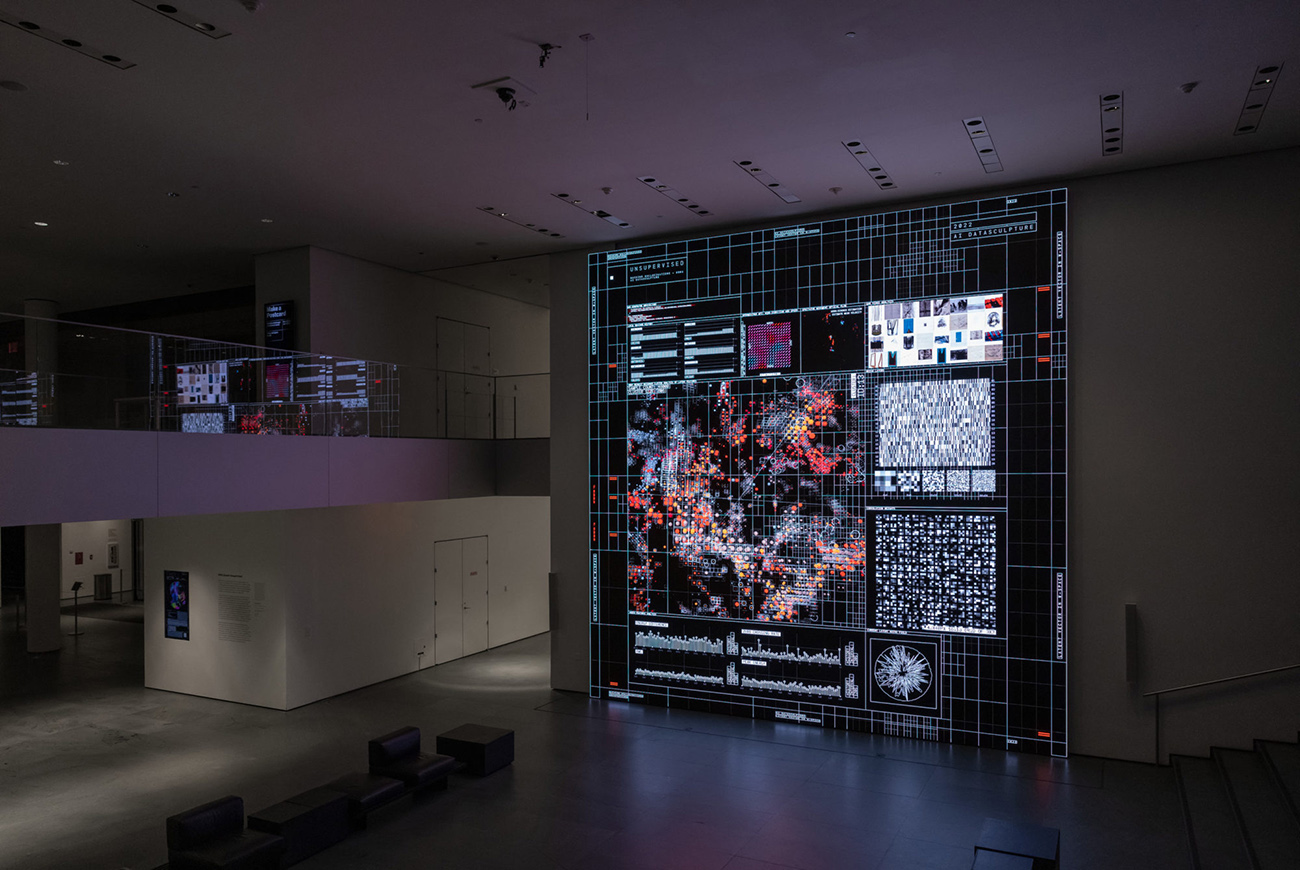
Одним из самых заметных примеров стала инсталляция Рефика Анадола «Unsupervised» в Музее современного искусства в Нью-Йорке.
Показанная в 2022 и 2023 годах, инсталляция использовала искусственный интеллект для интерпретации данных, связанных с коллекцией MoMA.
Её крупные движущиеся изображения привлекли широкое внимание публики и продемонстрировали, как цифровые системы могут работать внутри одного из самых влиятельных музеев мира.
По словам Сакса, спрос на работы Анадола резко вырос во время показа инсталляции.
Другие крупные выставки укрепили этот институциональный сдвиг.
«Electric Dreams: Art and Technology Before the Internet» в Tate Modern исследовала художников, работавших с машинами, оптическими эффектами и электронными системами до того, как цифровая культура стала частью повседневной жизни.
Центр Помпиду в Париже представил «Apophenia, Interruptions: Artists and Artificial Intelligence at Work».
Музей искусств округа Лос-Анджелес организовал выставку «Digital Witness: Revolutions in Design, Photography, and Film».
Музей искусства Толедо показал «Infinite Images: The Art of Algorithms».
Эти выставки опровергают предположение, что цифровое искусство началось с NFT.
Они помещают современные практики в гораздо более долгую историю экспериментов художников с математикой, машинами, компьютерами, сетями и системами создания изображений.
Манфред Морх, Кейси Рис и Майя Ман
На Zero 10 bitforms представила трёх художников разных поколений.
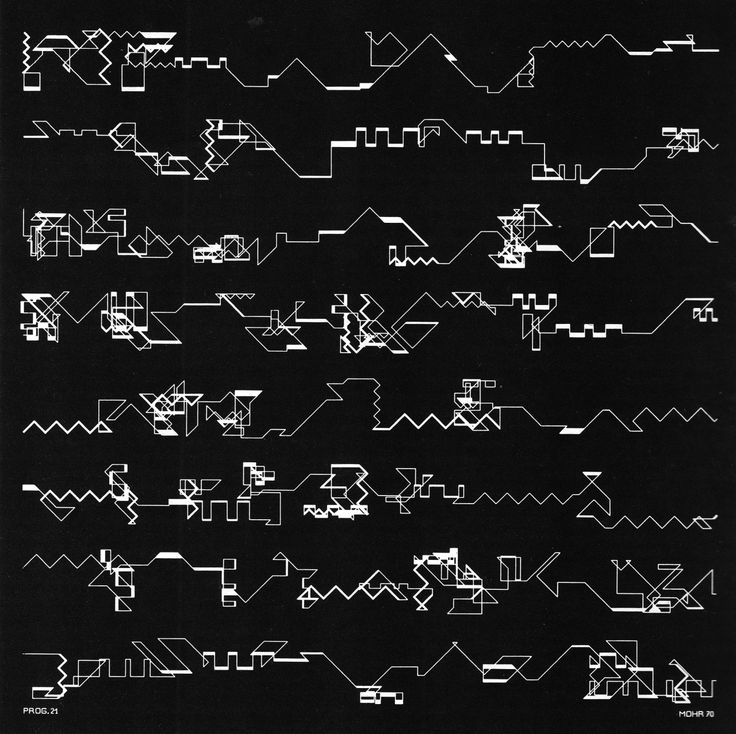
Манфред Морх, родившийся в Германии в 1938 году, считается одним из пионеров компьютерного искусства.
Он начал исследовать алгоритмические процессы задолго до того, как персональные компьютеры стали широко доступны.
Морх использовал математические правила и компьютерный код для создания визуальных структур, особенно композиций, основанных на геометрии куба и гиперкуба.
Его карьера доказывает, что цифровое искусство имеет значительную историю.
Кейси Рис представляет более позднее поколение.
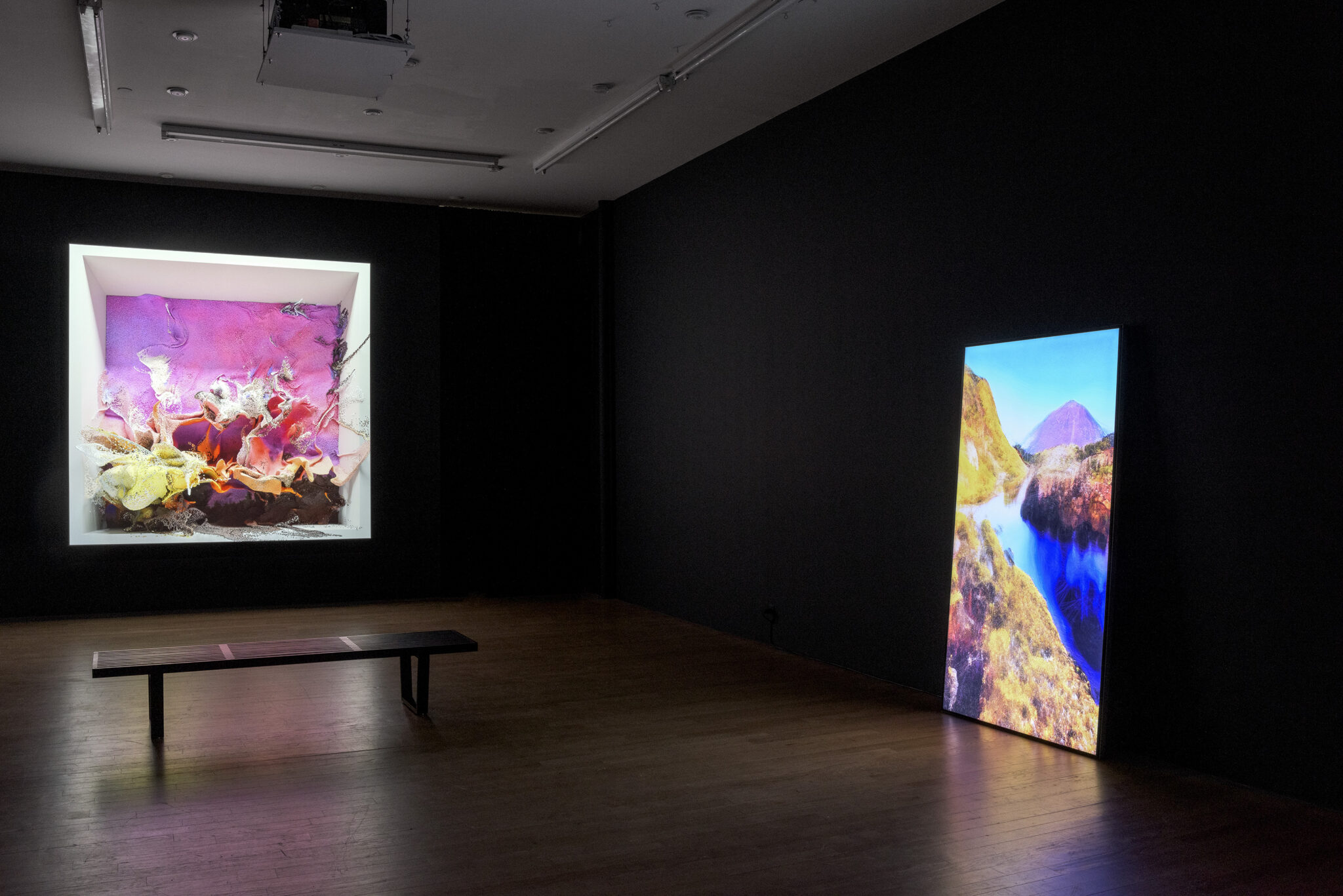
Родившийся в 1972 году американский художник использует программное обеспечение для создания концептуальных и часто минималистичных систем, в которых изображения развиваются согласно запрограммированным инструкциям.
Рис также известен как один из создателей Processing — языка программирования и среды, разработанных для того, чтобы сделать творческое кодирование более доступным для художников и дизайнеров.
Майя Ман представляет более молодое поколение, выросшее в интернете.
Её практика исследует идентичность, самопрезентацию, женственность и социальные ритуалы, развивающиеся на онлайн-платформах.
Объединив Морха, Риса и Ман, галерея показала, как изменилось значение генеративного искусства.
Для Морха вычисления были новым методом создания абстрактных изображений.
Для Риса программное обеспечение стало художественным медиумом и системой, способной создавать развивающиеся композиции.
Для Ман цифровая культура — это также социальная среда, в которой идентичность постоянно исполняется, измеряется и трансформируется.
Историческое цифровое искусство становится коллекционным
Коллекционеры всё больше интересуются ранними цифровыми работами.
Это создаёт как возможности, так и технические сложности.
Многие исторические работы создавались с использованием оборудования или программного обеспечения, которые больше не поддерживаются.
Компьютер, монитор, устройство хранения или операционная система могут устареть, даже если художественная концепция остаётся актуальной.
Стивен Сакс регулярно консультирует коллекционеров по вопросам технологической миграции.
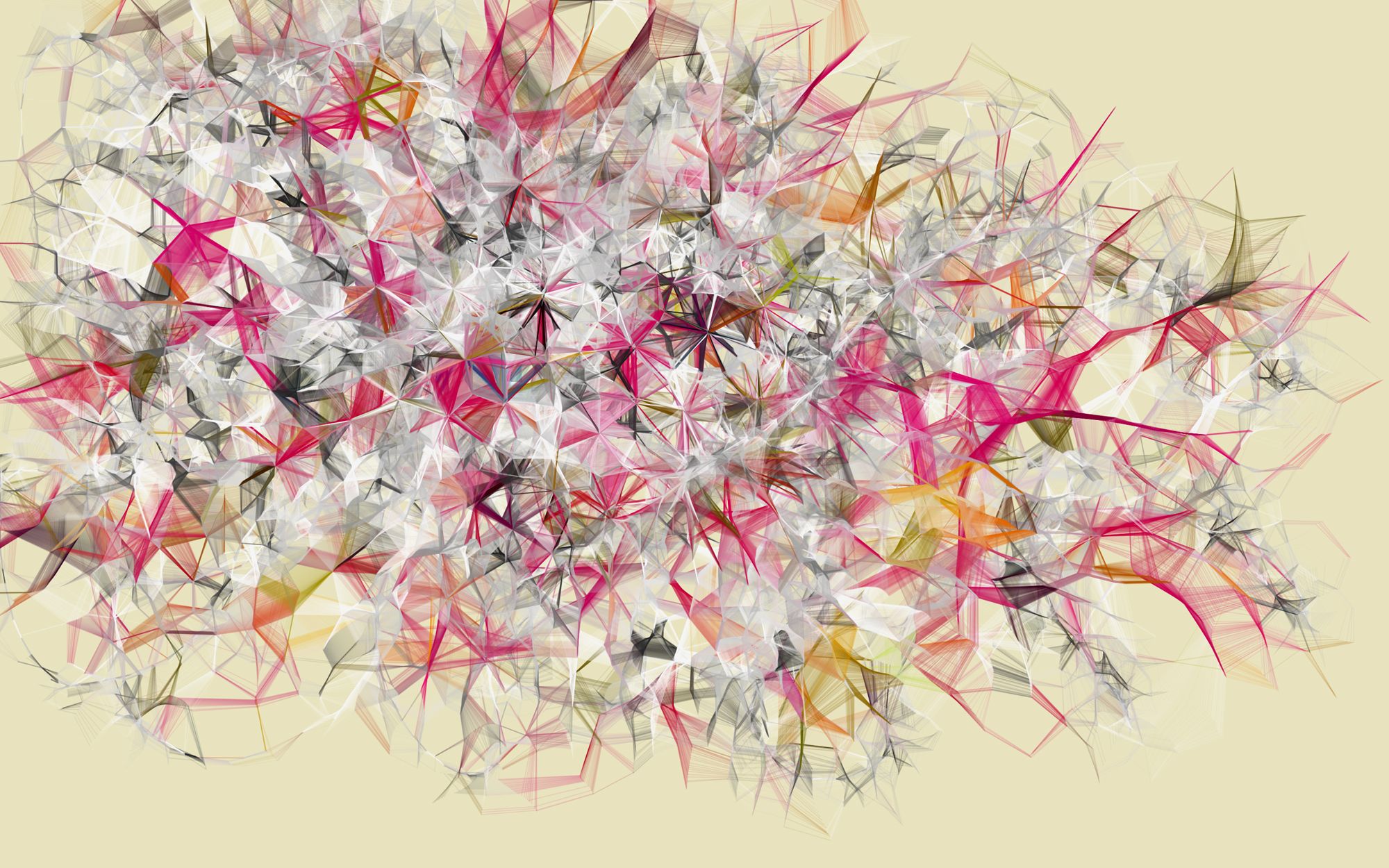
Это может включать перенос работы на новое оборудование, обновление системы отображения или сохранение оригинального кода с адаптацией его презентации.
Коллекционер цифрового искусства и искусствовед доктор Аннет Домс описывает этот процесс как требовательный, но интеллектуально увлекательный.
Примерно 80% её коллекции — цифровое искусство.
В числе представленных художников — Гретчен Эндрю, Кори Арканжел, Анук Кройтоф и Фридер Наке.
Владение такими работами требует иного подхода к консервации.
Традиционная картина может нуждаться в чистке или реставрации после физического износа.
Цифровое произведение может оставаться визуально идеальным, в то время как технология, необходимая для его показа, исчезает.
Поэтому коллекционерам нужно сохранять не только файлы и объекты, но и инструкции, зависимости и знания.
Что на самом деле вы покупаете, приобретая цифровое искусство?
Ответ сильно варьируется.
Покупка цифрового искусства может включать:
уникальный цифровой файл;
файл с ограниченным тиражом;
NFT или сертификат на блокчейне;
исходный код;
физический экран или скульптурный дисплей;
компьютер, настроенный для запуска работы;
инструкции по установке;
документы аутентификации;
права на частную демонстрацию работы;
доступ к будущим обновлениям программного обеспечения.
Коллекционерам нужно точно уточнять, что входит в покупку.
Право собственности на произведение не всегда включает авторские права.
Художник может сохранять право воспроизводить изображения, создавать дополнительные тиражи или адаптировать проект в будущем.
Покупателям также следует понимать требования к хранению и резервному копированию.
Где хранится мастер-файл? Работы хранятся локально, через облачный сервис, децентрализованную сеть или через галерею?
Может ли коллекционер создавать резервные копии?
Что произойдёт, если платформа закроется, изменится стандарт токена или компания, поддерживающая систему отображения, перестанет существовать?
Эти вопросы не являются поводом отвергать цифровое искусство. Это часть ответственного коллекционирования.
Франция, Япония, Корея и новые центры цифрового искусства
Исследование Глобального коллекционирования выявило заметный уровень владения цифровым искусством во Франции и Японии.
В Франции цифровое искусство занимает сравнительно большую долю коллекций, где государственные учреждения имеют долгую историю поддержки современных медиа и технологических экспериментов.
Центр Помпиду и другие организации помогли создать аудиторию, комфортно воспринимающую видео, звук, цифровые изображения и временные инсталляции.
Япония также имеет сильную культурную связь с технологически ориентированными визуальными средами.
Иммерсивные инсталляции, анимация, игры, цифровой дизайн и электронные медиа — привычные части широкой культурной среды страны.
Анико Берман также выделила Корею и США как важные рынки.
Нью-Йорк и Майами остаются крупными центрами благодаря концентрации коллекционеров, галерей, музеев и технологических сообществ.
Доктор Аннет Домс указала на Гамбург, где планировалось открытие UBS Digital Art Museum, а также на Дубай и Доху.
Эти города показывают, что география цифрового коллекционирования не ограничивается традиционными столицами арт-рынка.
Работы, основанные на технологиях, могут развиваться там, где встречаются институты, коллекционеры и техническая экспертиза.
Женщины-коллекционеры серьёзно относятся к цифровому искусству
Исследование показало, что цифровое искусство занимает большую долю в коллекциях женщин, чем мужчин.
Женщины выделяют примерно 15% своих коллекций под цифровое искусство, тогда как мужчины — 11%.
Берман связывает эту готовность поддерживать новые формы с более долгой историей женщин-покровителей, которые собирали искусство вне устоявшихся конвенций.
Она упомянула таких фигур, как Изабелла Стюарт Гарднер, Эбби Олдрич Рокфеллер, Пегги Гуггенхайм и Агнес Ганд.
Не все согласны, что гендер — решающий фактор.
Аннет Домс сомневается, что анонимные криптовалютные кошельки и неполные данные делают такие сравнения полностью достоверными.
Стивен Сакс отметил более явные изменения среди художников, отмечая растущую видимость женщин, работающих в новых медиа.
Главный вывод заключается в том, что цифровое искусство создаёт возможности для формирования коллекции вне самых устоявшихся иерархий.
Коллекционеры, готовые изучать эту область на раннем этапе, могут встретить важных художников до того, как их работы станут полностью институционализированы.
Поколение Z и экран как естественная среда
Интерес к цифровому искусству особенно силён среди поколения Z.
Исследование показало, что 68% женщин поколения Z владеют цифровым произведением, по сравнению с 49% женщин поколения X.
Для коллекционеров, выросших с цифровыми технологиями, экран не кажется менее значимым заменителем физического произведения.
Он является частью среды, в которой они общаются, работают, строят отношения и получают культурный опыт.
Коллекционер под псевдонимом GMSpace создал коллекцию, примерно на 90% состоящую из цифрового искусства.
В числе представленных художников — Pak, Тайлер Хоббс, Рефик Анадол и Сэм Спратт.
GMSpace объяснил, что открытие новых работ часто происходит через онлайн-сети, беседы с художниками и платформы, такие как X и Discord.
Однако физические встречи по-прежнему важны.
Визиты в студии, ужины, группы коллекционеров и выставки создают отношения, которые нельзя полностью заменить онлайн-транзакциями.
Стивен Сакс отметил, что молодые коллекционеры часто покупают работы по более низким ценам, часто менее 5000 долларов США.
Это может позволить им войти на рынок раньше, чем покупателям, ищущим устоявшиеся живописи или скульптуры.
Цифровое искусство вновь сближается с физическим арт-миром
Ранний рынок NFT часто позиционировал себя как альтернатива галереям, музеям и арт-ярмаркам.
Коллекционеры покупали напрямую через онлайн-платформы, художники строили аудиторию в соцсетях, а сделки совершались без традиционных посредников.
Новая фаза более интегрирована.
AOTM, основанная как цифровая платформа, впервые представила себя на физической ярмарке через Zero 10.
В её программе были работы алгоритмического художника Дмитрия Черняка.
Gazelli Art House показала раннее компьютерное искусство Гарольда Коэна на Frieze Masters, поместив цифрового пионера на ярмарку, традиционно связанную с историческим искусством.
Цифровые коллекционеры посещают музейные выставки и физические мероприятия, а традиционные коллекционеры становятся более комфортными с экранными и программно управляемыми работами.
Это не значит, что цифровое искусство отказывается от онлайн-культуры.
Скорее, две системы начинают пересекаться.
Как начать коллекционировать цифровое искусство
Новым коллекционерам стоит начинать с художников, а не с технологий.
Работа должна оставаться интересной даже после того, как новизна программного обеспечения, блокчейна или искусственного интеллекта исчезнет.
Изучите более широкую практику художника.
Есть ли у художника последовательный корпус работ? Как технология служит идее? Связан ли проект с предыдущими разработками в цифровом или концептуальном искусстве?
Коллекционерам следует также изучить структуру тиражей.
Работа, представленная как редкая, может существовать в нескольких форматах, размерах или блокчейн-изданиях.
Уточняйте вопросы подлинности, хранения, демонстрации и технического обслуживания.
Запросите чёткое соглашение, охватывающее замену оборудования, миграцию программного обеспечения и доступ к файлам.
Продумайте, как работа будет восприниматься.
Будет ли она выставляться постоянно, активироваться время от времени или храниться преимущественно как часть цифровой коллекции?
Наконец, не путайте активность на рынке с художественной значимостью.
Большой объём онлайн-продаж может отражать спекуляцию, а не долгосрочную культурную ценность.
После бума NFT
Первая фаза массового интереса к цифровому искусству была обусловлена скоростью.
Проекты появлялись быстро, цены менялись за часы, а покупатели часто принимали решения на основе онлайн-внимания.
Текущая фаза более медленная и потенциально более устойчивая.
Музеи исследуют исторические основы цифровой практики. Галереи представляют художников разных поколений. Коллекционеры задают более подробные вопросы о сохранении, правах и художественном качестве.
Это движение не гарантирует, что каждое цифровое произведение сохранит финансовую ценность.
Но оно говорит о том, что цифровое искусство само по себе не исчезает.
Технологии теперь неотделимы от современной жизни. Художники продолжат исследовать алгоритмы, искусственный интеллект, наблюдение, онлайн-идентичность, виртуальное пространство и системы, через которые циркулируют изображения.
Коллекционирование цифрового искусства — значит собирать часть этой культурной истории, пока она ещё формируется.
Редакционная заметка
ArtExpoWorld считает, что цифровое искусство наконец достигло более здоровой стадии.
Бум NFT дал этому направлению видимость, но также способствовал ложной идее, что технологии, дефицит и быстрая перепродажа достаточно, чтобы сделать произведение важным.
Это не так.
Самые сильные цифровые работы ценны не просто потому, что существуют в блокчейне или используют искусственный интеллект. Они ценны потому, что художники используют технологии для выражения идей, которые нельзя было бы передать таким же образом в другом медиуме.
Музейные выставки и исторически обоснованные галерейные программы помогают коллекционерам отличать серьёзную художественную практику от технических новинок.
Основной риск уже не в том, что цифровое искусство исчезнет. Более серьёзный риск — что коллекционеры купят работы, не понимая, что именно приобретают и как работа переживёт технологические изменения.
Ответственная цифровая коллекция требует художественного суждения, документации и долгосрочного технического планирования.
Когда эти элементы присутствуют, цифровое искусство естественно соседствует с живописью, скульптурой, фотографией и всеми другими медиумами, через которые художники отвечали на вызовы своего времени.