





Art Collecting With Children: How Families Build a Living Legacy
Having children changes a collector’s home, schedule, and priorities.
It does not necessarily change the desire to live with serious art.
Parents may suddenly begin thinking about sharp sculptures, fragile installations, expensive paintings, and the unpredictable curiosity of small children. They may also start asking bigger questions.
Should children participate in acquisition decisions?
Can challenging artworks remain on display?
Will the collection eventually become a family legacy?
And what happens if the next generation develops completely different tastes?
The experiences of Iasson Tsakonas, Tonya and Ato Wright, Karen and Christian Boros, and Patrizia Sandretto Re Rebaudengo show that children do not have to be kept outside the world of collecting.
When art becomes part of ordinary family life, it can help children develop visual awareness, curiosity, and confidence in expressing their own opinions.
Iasson Tsakonas Continued Collecting After Becoming a Father
Greek real-estate developer Iasson Tsakonas has collected contemporary art, design, and ceramics for several decades.
His acquisitions have come from local and international galleries including Melas Martinos in Athens, Galerie Eva Presenhuber in Zurich, and Karma in New York.
Becoming a father did not fundamentally change his collecting direction.
Tsakonas continued acquiring the work that interested him rather than replacing challenging contemporary art with safer decoration.
At the time of the original interview, his three sons were eleven, ten, and fifteen months old.
The older boys had grown up surrounded by a rotating selection from several hundred artworks displayed in the family’s Athens residence and summer home on the Greek island of Antiparos.
Artists represented included Tauba Auerbach, Latifa Echakhch, Carroll Dunham, Martino Gamper, Steven Shearer, and Franz West.
For Tsakonas, exposing children to high-quality art is part of their education.
They do not need to understand every reference or recognize every artist. Regular contact teaches them that art can be questioned, discussed, and experienced rather than treated as a remote luxury available only inside museums.
Tonya and Ato Wright Collect Art From the African Diaspora
American collectors Tonya and Ato Wright have also continued developing their collection while raising three sons.
Tonya is an obstetrician-gynecologist who was born on the Caribbean island of Anguilla. Ato is a radiation oncologist who grew up in Ghana in a family that appreciated art.
Their collection reflects these personal histories.
They focus primarily on figurative painting and works on paper by artists from the African diaspora.
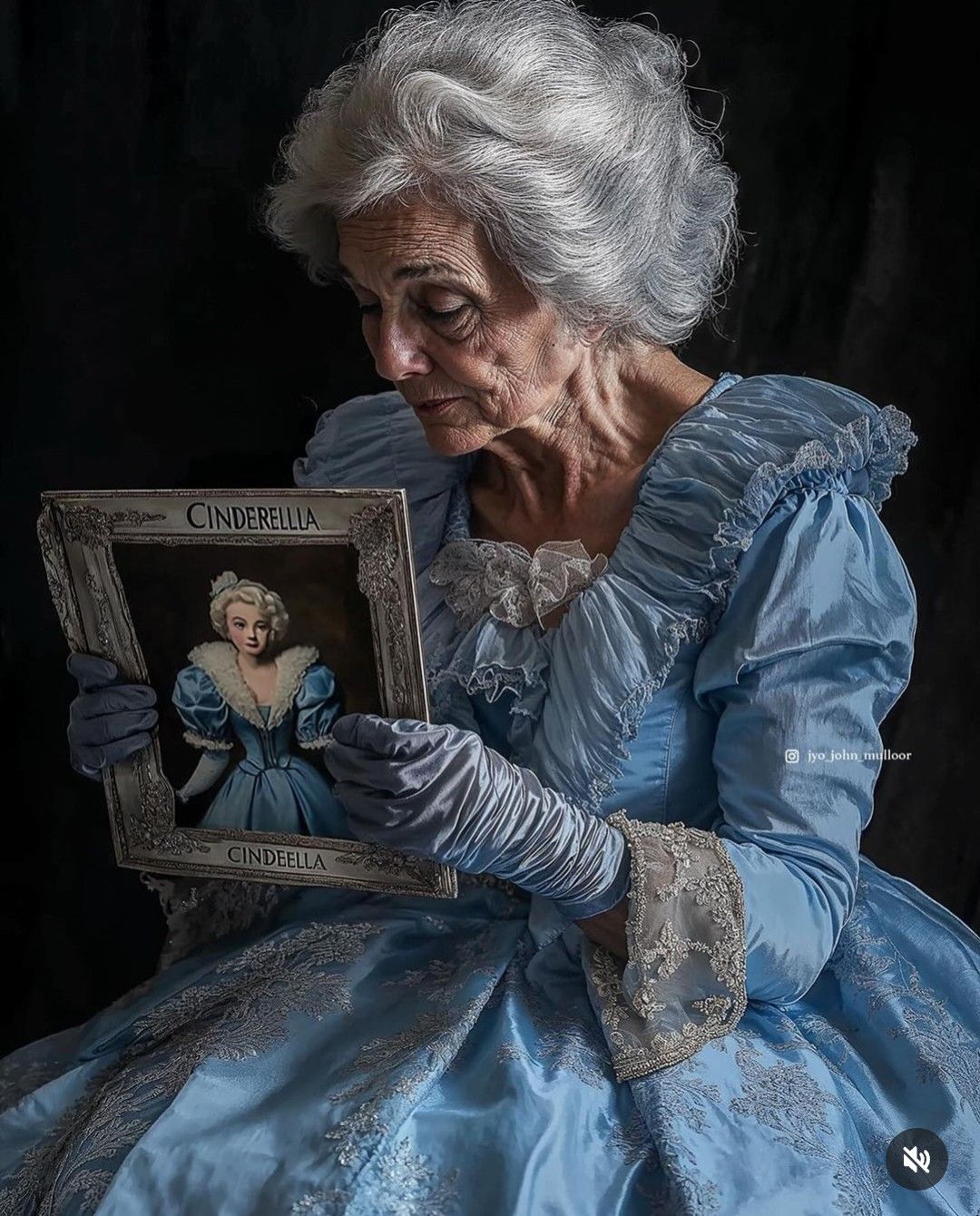
Some works are acquired directly from artists’ studios. Others come through galleries such as Welancora Gallery in Brooklyn and Afriart Gallery in Kampala.
The collection began with a commissioned portrait of Ato’s grandmother by artist Jon Moody.
That starting point helped establish a direction based on family, identity, representation, and the experiences of Black communities across different countries.
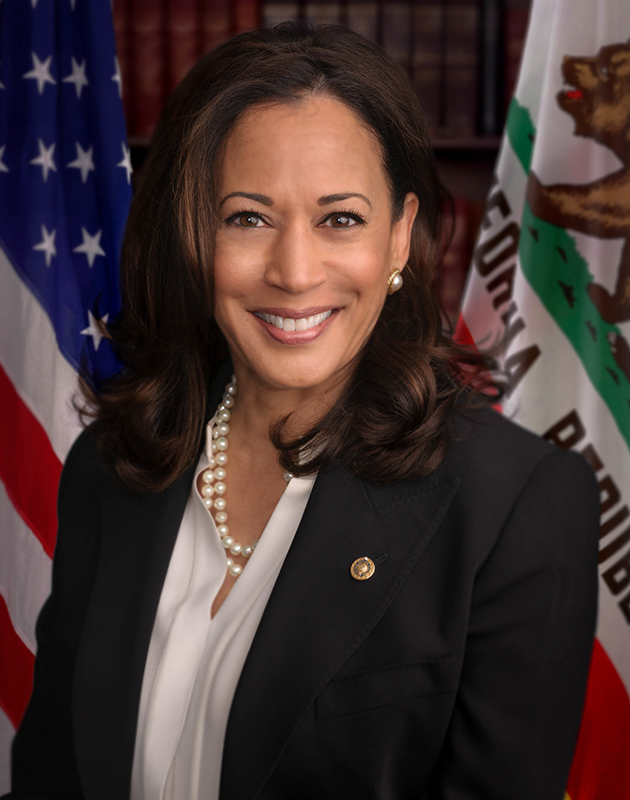
Their Pennsylvania home includes a commissioned multimedia portrait of Kamala Harris by Chicago-based artist Roger J. Carter.
The politician’s painted silhouette is covered with action figures, transforming the portrait into an object that combines political imagery, popular culture, and childhood visual language.
Art Can Provide Images Children Do Not See Elsewhere
For the Wright family, collecting is not simply a matter of decorating their home.
The artworks provide images of affirmation.
Their children regularly encounter figures, families, bodies, and cultural histories connected with their own backgrounds.
These images may not always appear in school textbooks, mainstream media, or traditional museum displays.
Living with art can therefore help children understand that their experiences belong within visual culture.
This is especially important when museums and educational materials have historically concentrated on a narrow range of artists and subjects.
A private collection can fill some of those gaps.
The goal is not to protect children from every unfamiliar image.
It is to create an environment in which they can ask why certain people are represented, how artists tell stories, and whose experiences are missing.
Children Develop Their Own Artistic Preferences
Children do not automatically share their parents’ tastes.
That is part of the value of involving them.
The Wright children sometimes ask for particular artworks to be placed inside their rooms.
Tsakonas also invites his older sons to comment on works they encounter at home, in exhibitions, or during studio visits.
In 2023, the family visited painter Joe Bradley in his Brooklyn studio.
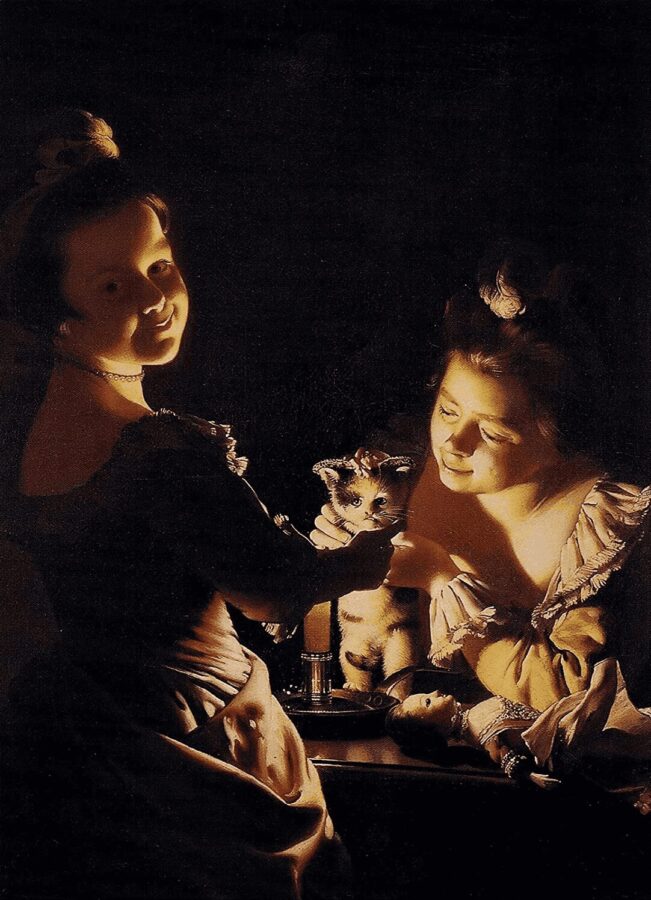
The children expressed their opinions openly, although especially chaotic works were sometimes dismissed as looking like garbage.
A collector may find such criticism brutal, but it is also honest.
Children have not yet learned the social rules that make adults hesitate before criticizing an artist with a major reputation.
Their responses can reveal whether a work communicates without the protection of status, market value, or complicated art-world language.
Parents do not have to follow every child’s opinion when buying.
The important point is that the conversation happens.
Children learn that interpretation is not limited to curators and experts. They are allowed to respond, disagree, and explain what they see.
Museum Visits Can Become Games and Investigations
Tsakonas and his wife, architect and designer Argyro Pouliovali, use museum visits as active family experiences.
Instead of expecting their children to walk quietly through every gallery, they give them short missions.
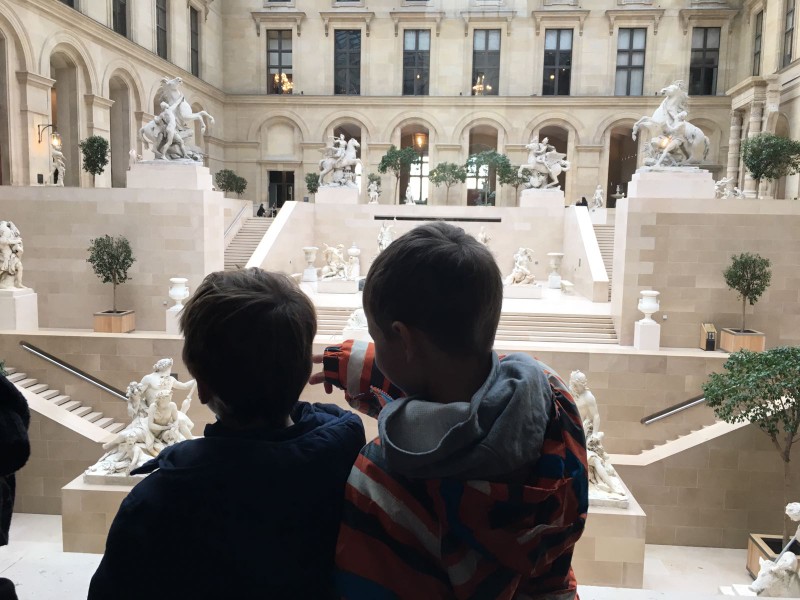
At the Louvre, a child might be asked to find the Mona Lisa and then explain why so many people consider it important.
This turns a large and potentially exhausting museum into a place of investigation.
Similar activities can work in any institution.

Children might search for:
the smallest artwork in a gallery;
a portrait that appears angry or frightened;
an object made from an unusual material;
an artwork connected with a place they know;
a work they would like to keep at home;
a piece they strongly dislike.
The goal is not to force children to memorize dates and movements.
It is to teach them to look carefully and form an argument.
The Boros Collection Became Part of Anton Boros’s Childhood
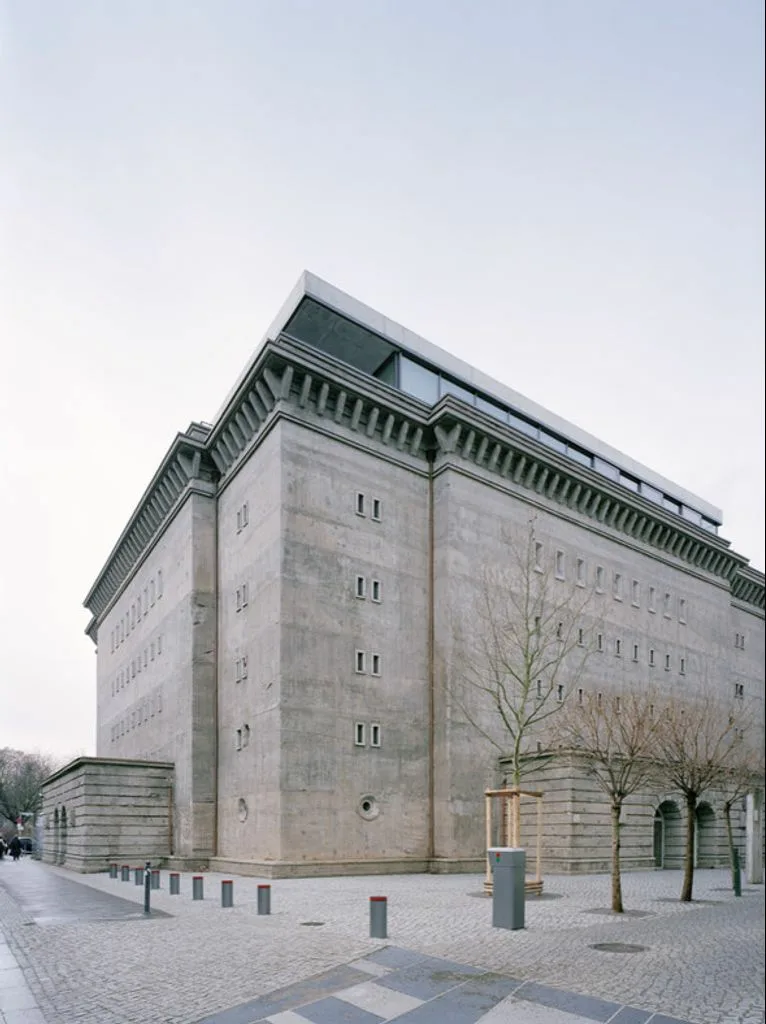
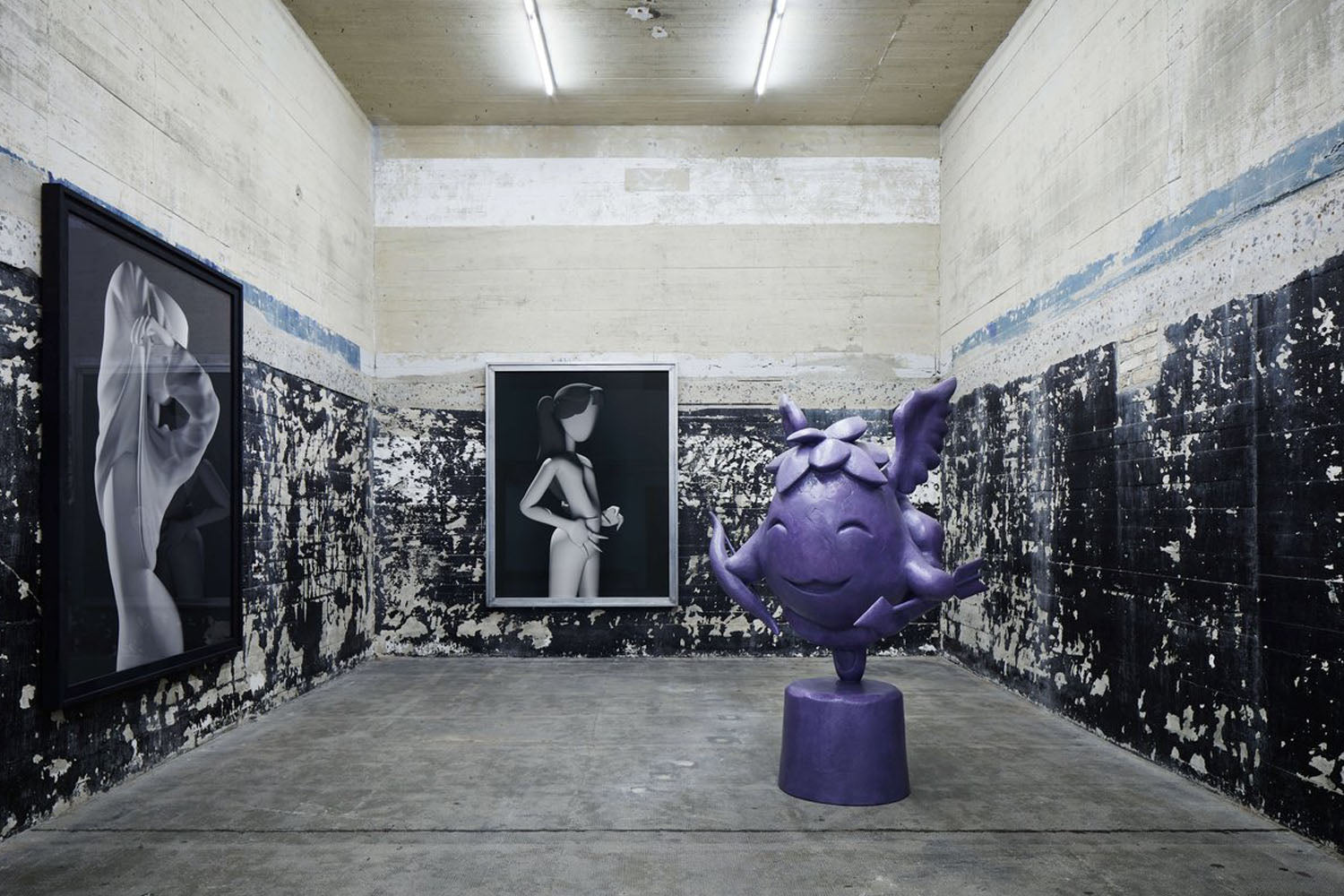
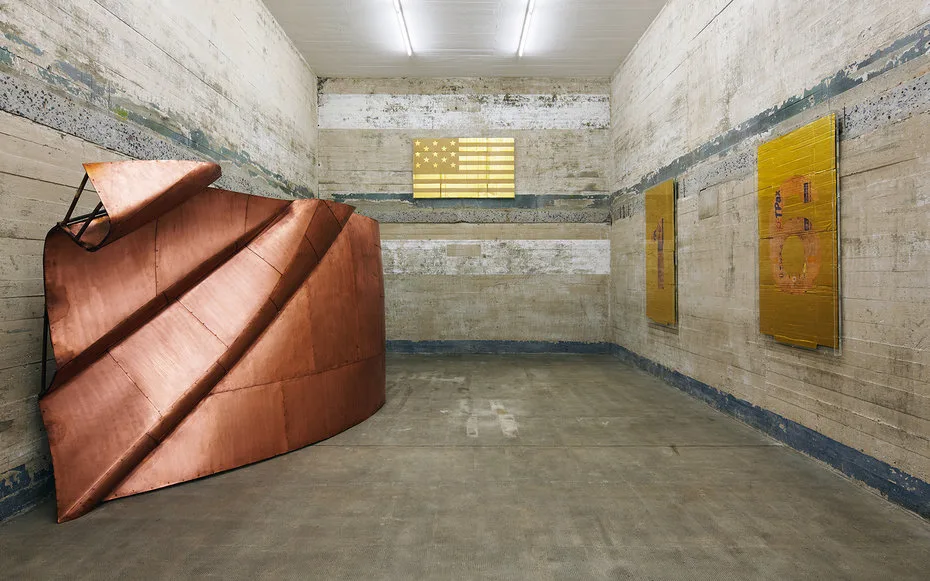
Karen and Christian Boros present their collection inside a vast converted concrete bunker in Berlin.
The Boros Collection has become one of the city’s best-known private contemporary art spaces.
The family residence is located above the bunker.
Their son Anton therefore grew up surrounded not only by artworks but also by artists, installers, crates, technicians, and visitors.
Karen Boros has explained that Anton did not always enjoy conventional museum visits.
As a small child, however, he climbed across shipping crates and watched artists installing their work.
Art was not presented as something finished and untouchable.
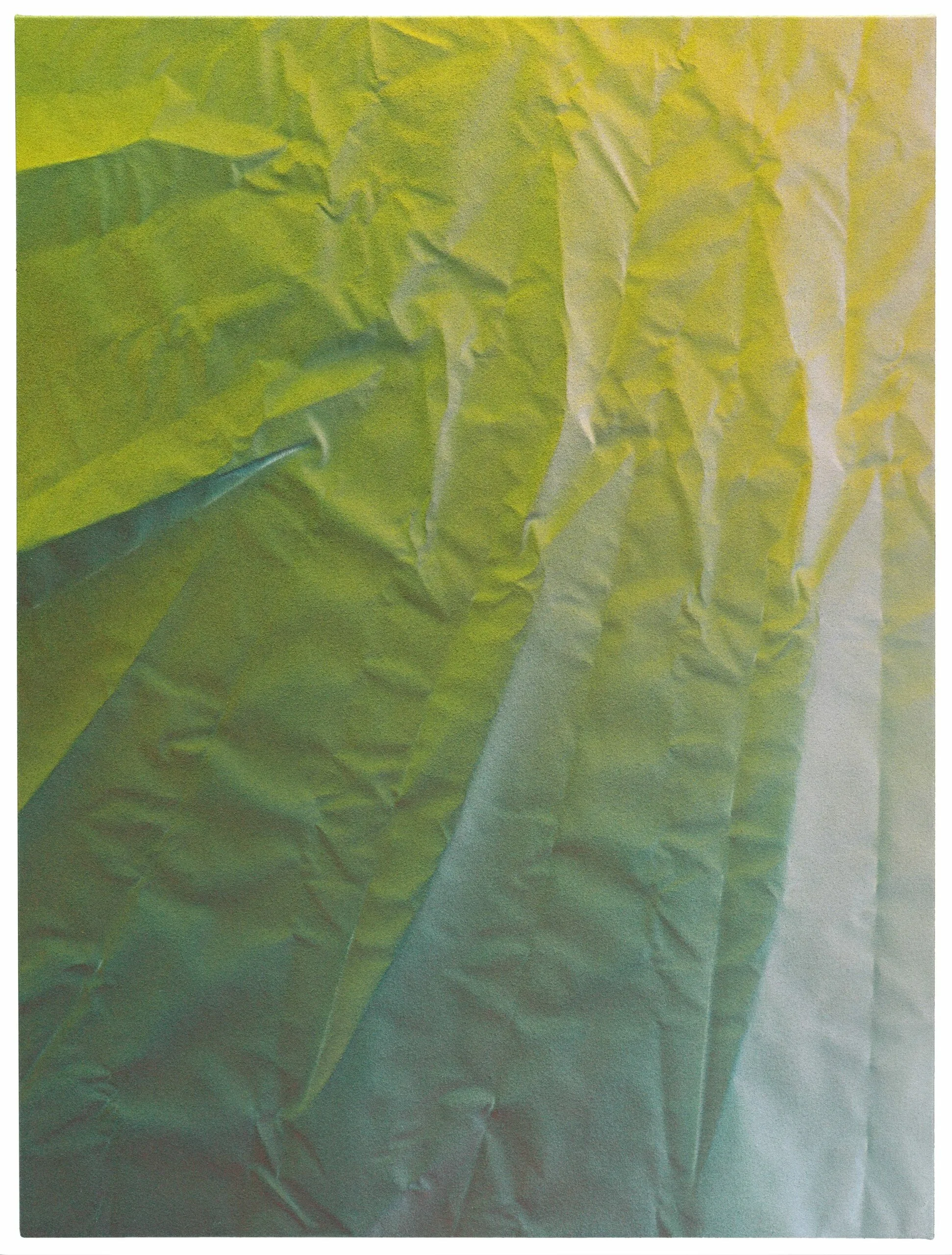
He witnessed the labor, decisions, and physical processes involved in building an exhibition.
As an adult, Anton began bringing friends through the collection and interacting with the mediation team.
His experience shows that a child who resists formal museum culture may still develop a meaningful relationship with art through everyday exposure.
Parents cannot control exactly how that relationship will grow.
They can provide access.
Should Fragile Art Be Removed From a Family Home?
Young children create real risks for collections.
Paintings can be marked. Sculptures can fall. Collages can lose elements. Works on paper can be touched with sticky hands.
Collectors need to balance access with conservation.
The answer depends on the object.
Extremely fragile, unstable, or dangerous works may need temporary storage or protective display.
Heavy sculptures should be professionally secured. Works on paper may require glazing. Valuable objects should not be positioned where they can easily be pulled down.
However, turning the entire home into a restricted museum may prevent children from developing a natural relationship with art.
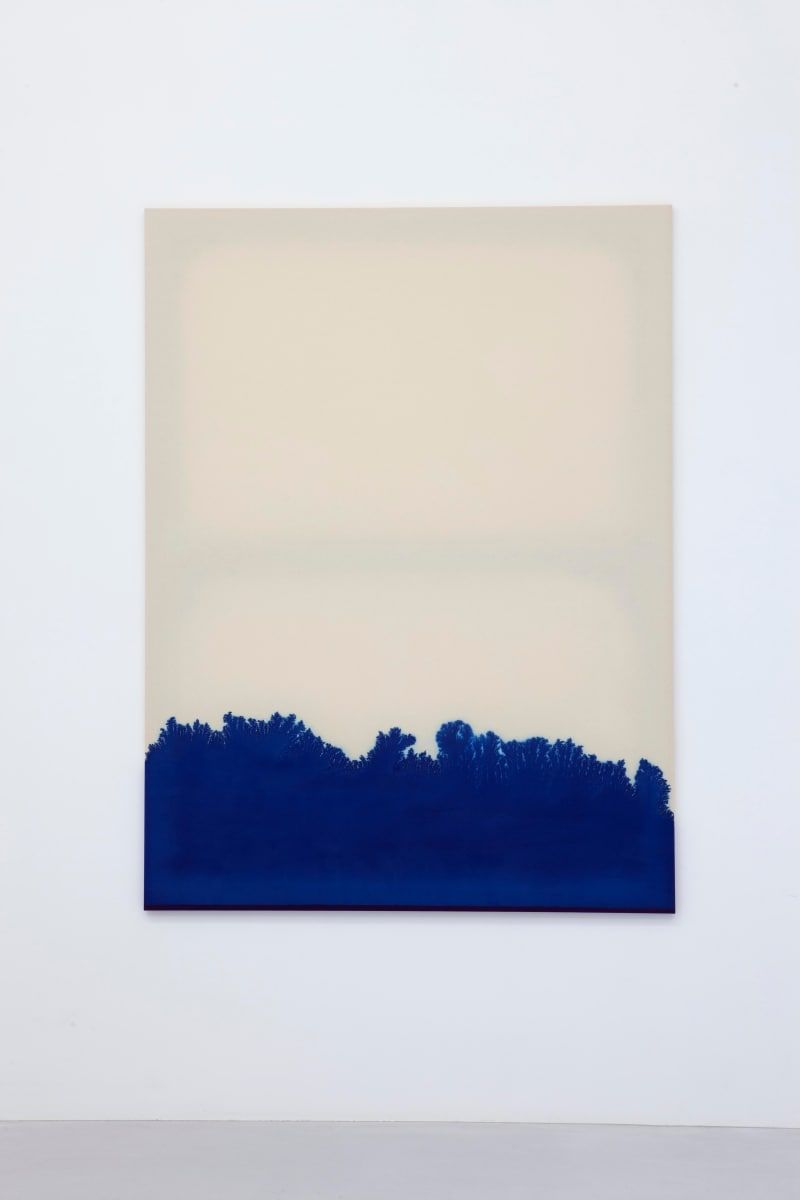
Tsakonas’s general policy was to impose few restrictions.
His older sons had not seriously damaged the collection.
The youngest child became particularly interested in a folding screen by British artist Linder, decorated with collages of women, couples, and flowers.
When the baby scratched loose pieces from the surface, the family saved them in a jar so they could later be used during restoration.
The Wright family experienced a different accident.
A thin shiny line appeared along the lower edge of a large painting after their youngest child had been playing with lip balm.
The work was eventually restored.
These incidents are painful and potentially expensive, but they are also part of living with art rather than storing every object beyond reach.
A Family Home Is Not a Museum
Museums are designed around conservation, public access, and professional control.
Homes are places where people eat, play, argue, celebrate, and grow up.
Collectors who display art at home must accept a different level of unpredictability.
This does not mean neglecting conservation.
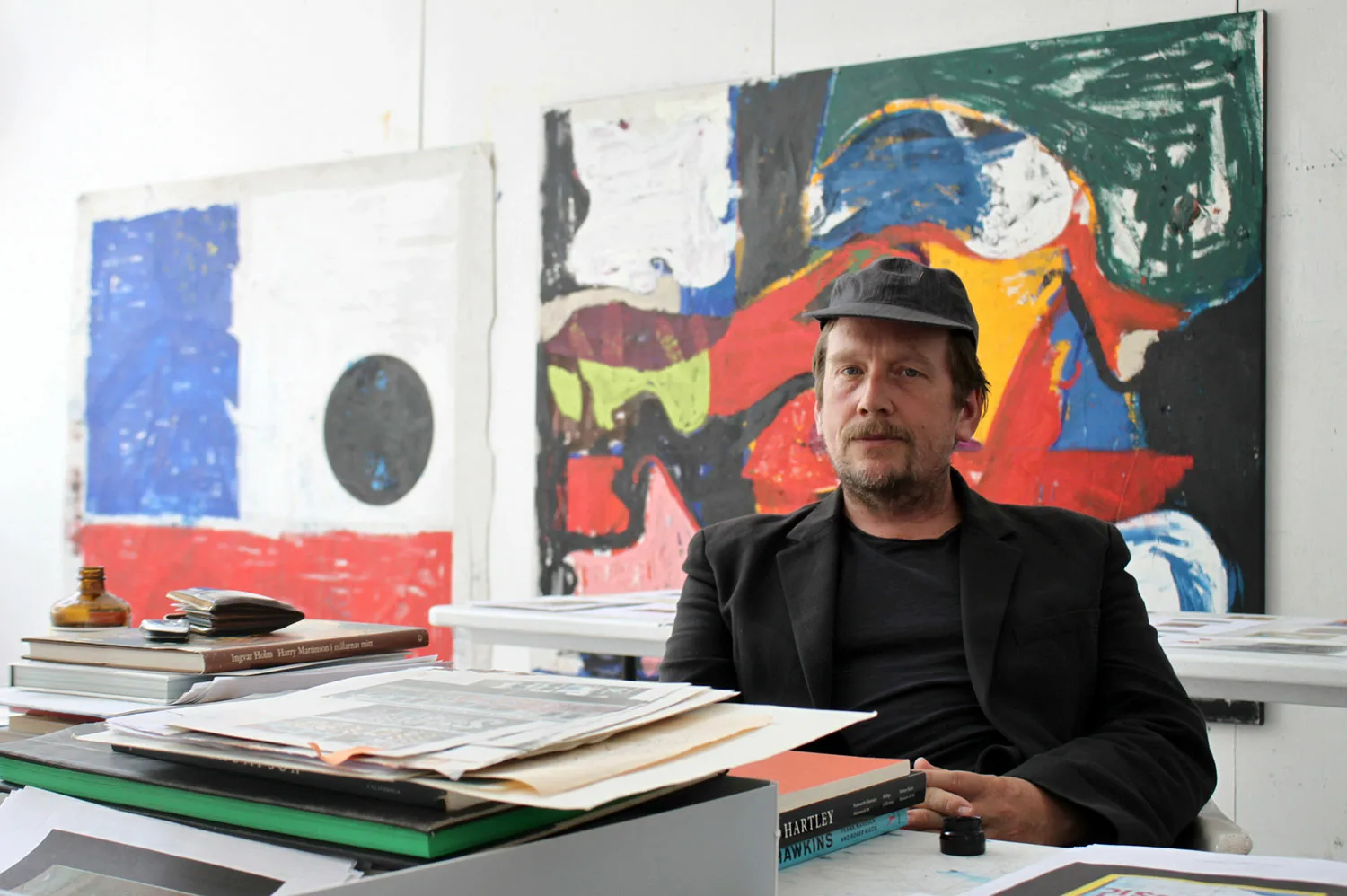
It means recognizing that the purpose of the collection includes daily life.
A work that is never seen because the owner is afraid of every possible accident may be physically protected but culturally inactive.
Families can make practical distinctions.
The most fragile works can be stored while children are very young. More durable paintings, photographs, and sculptures can remain visible.
The display can change as children grow.
This rotating approach may also keep the collection fresh for adults.
Collecting Can Teach Children About Artists’ Work
Studio visits are especially valuable for young people.
A finished artwork in a gallery may appear mysterious or disconnected from labor.
Inside a studio, children see materials, failed experiments, unfinished objects, and practical decisions.
The Wright boys have accompanied their parents on visits with artists including Amoako Boafo in Accra.
Experiences like this introduce children to art as a profession.
They learn that artists research, practice, and work through uncertainty.
They may also understand that purchasing an artwork can support the continuation of that work.
This creates a more complete picture of collecting.
The family is not merely acquiring an object. It is entering a network involving artists, galleries, curators, and communities.
The Wright Family Connects Collecting With Social Action
The Wrights support emerging Black artists and have created a nonprofit organization.
One of its early initiatives involved a selling exhibition of 30 commissioned works by artists from the African diaspora.
The project raised money and awareness around Black maternal mortality in the United States.
The subject has a direct connection with Tonya Wright’s medical work as an obstetrician-gynecologist.
This allows the family collection and professional life to reinforce one another.
Their children can see that art is not only something displayed on a wall.
It can generate conversations, support artists, and draw attention to urgent social issues.
The family also displays artworks in a second home on Anguilla and has begun discussing how the collection might remain connected across generations.
Patrizia Sandretto Re Rebaudengo Created a Multigenerational Institution
Art collections have passed through families for centuries.
One contemporary example is the collection and foundation created by Patrizia Sandretto Re Rebaudengo in Turin.
Fondazione Sandretto Re Rebaudengo has become an important supporter of contemporary art and younger artists.
Her adult sons are involved in different ways.
Emilio works as a chef and runs the foundation’s restaurant.
Eugenio serves on the foundation’s board and created Artuner, a curatorial and commercial platform combining online and physical activity.
Their roles do not simply repeat their mother’s path.
Each son contributes through his own professional interests.
This is an important model for succession.
A family legacy does not require every child to become the same kind of collector.
One person may focus on exhibitions, another on hospitality, publishing, technology, or education.
Children Should Not Be Forced to Inherit a Collection
Not every child will want responsibility for thousands of artworks.
Generational taste changes.
Younger collectors may prefer digital art, internet-based artists, or different cultural subjects.
A collection that was radical for one generation may feel conventional to the next.
Tsakonas does not assume that his sons will preserve his collection intact.
He would consider that future only if they demonstrate genuine interest.
This is more realistic than treating children as predetermined custodians.
Managing a collection requires time, money, storage, insurance, documentation, and knowledge.
An heir who does not care about the art may experience the collection as a burden.
Parents should therefore separate exposure from obligation.
Children can grow up with art, visit studios, and participate in conversations without being forced to inherit the collector’s identity.
Iasson Tsakonas Was Inspired by Another Collecting Family
Tsakonas’s own interest in collecting was not initially created by his parents.
While studying at Cornell University in the 1990s, he shared accommodation with the son of Greek collector Dakis Joannou.
Joannou founded the DESTE Foundation for Contemporary Art, which operates an ambitious program in Athens and a project space on the island of Hydra.
Through this family, Tsakonas saw how art could influence architecture, travel, friendships, and intellectual life.
The experience shows that collecting traditions can affect people beyond biological inheritance.
Children’s friends, visitors, and classmates may also be influenced by entering a home filled with challenging art.
A family collection can create a wider cultural environment.
Practical Rules for Collecting With Children
Families do not need to remove every valuable object, but they should plan carefully.
Secure heavy or unstable sculptures.
Use appropriate framing for works on paper.
Keep liquids, drawing materials, and food away from vulnerable pieces.
Document the condition of artworks so new damage can be identified.
Teach children that art can be approached and discussed, but some objects cannot be touched.
Rotate extremely fragile works into storage during the most destructive stages of early childhood.
Most importantly, explain rather than simply prohibit.
Children are more likely to respect an artwork when they understand who made it, what it represents, and why the family values it.
Editorial Note
ArtExpoWorld believes children should not be raised to fear art.
A home containing a collection will never offer the same environmental control as a museum. Accidents can happen, and collectors must protect fragile or dangerous objects responsibly.
However, hiding every artwork until children become adults defeats one of the greatest purposes of collecting: living with art.
The experiences of the Wright, Tsakonas, and Boros families show that children can develop respect, independent taste, and sophisticated emotional responses when art is part of everyday life.
Parents should introduce the collection without demanding that the next generation preserve it forever.
A genuine legacy is not created by forcing children to inherit objects. It begins by giving them the knowledge and freedom to decide what those objects mean.