









The World’s Largest Art Galleries by Exhibition Space
In recent decades, the structure of the global art market has dramatically changed. Contemporary galleries are no longer small boutique spaces dedicated to local collectors. Instead, many have evolved into large-scale cultural institutions, hosting exhibitions that rival major museums in size and ambition.
These galleries operate enormous exhibition spaces capable of presenting monumental installations, sculptures, immersive environments, and museum-scale retrospectives. Their buildings are often designed by leading architects and located in major cultural capitals.
Below is a look at some of the largest art galleries in the world by exhibition space, institutions that have reshaped how contemporary art is exhibited and experienced.
Gagosian — New York

The galleries created by Larry Gagosian are among the largest private exhibition spaces in the art world. The Chelsea gallery on West 21st Street in New York is particularly known for its massive industrial-style halls designed to accommodate monumental installations.
Artists such as Richard Serra and Anselm Kiefer have exhibited large-scale works that require enormous architectural volumes.
With multiple spaces across the city, Gagosian’s New York galleries collectively represent one of the largest private exhibition infrastructures in the global art market.
Hauser & Wirth — Somerset

One of the most unique gallery complexes in the world is located in Somerset, England. Hauser & Wirth transformed historic farm buildings into a multi-building art campus that includes exhibition halls, gardens, educational spaces, and a restaurant.
The gallery hosts large exhibitions by internationally renowned artists and includes outdoor sculpture gardens capable of displaying monumental works.
This combination of architecture, landscape, and exhibition space has made the Somerset location one of the most distinctive gallery destinations in Europe.
David Zwirner Gallery — New York
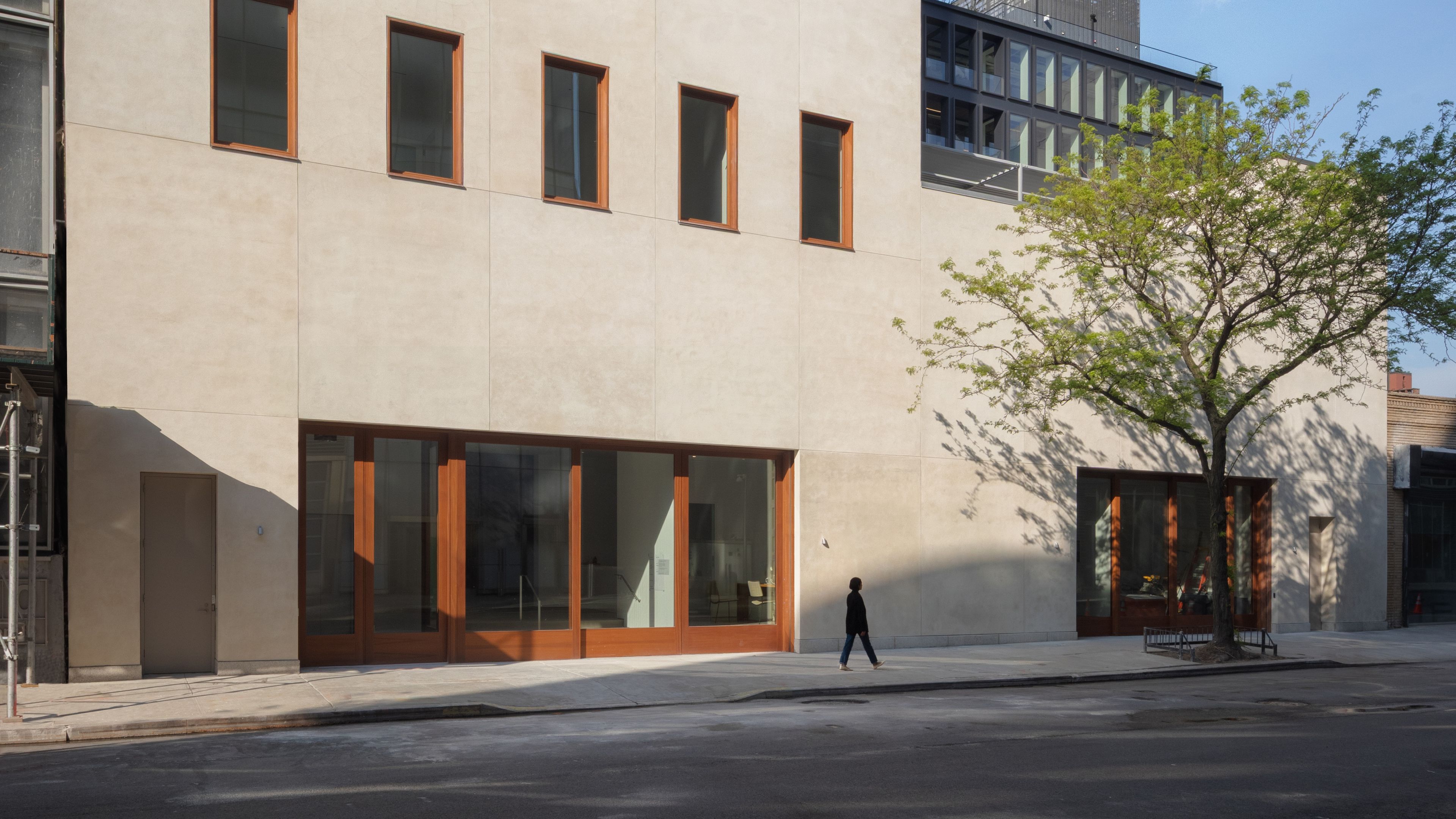
Located in New York’s Chelsea district, David Zwirner’s gallery spaces are among the largest private exhibition venues dedicated to contemporary art.
The gallery complex includes multiple buildings that allow simultaneous exhibitions across several floors. These spaces frequently host major installations and museum-scale exhibitions featuring artists such as Yayoi Kusama and Gerhard Richter.
Zwirner’s architecture emphasizes open layouts and high ceilings designed specifically for contemporary large-format artworks.
White Cube — Bermondsey

White Cube Bermondsey is widely considered one of the largest commercial gallery spaces in Europe. Located in South London, the gallery occupies a converted industrial building with multiple exhibition rooms.
The space regularly hosts large-scale exhibitions by leading contemporary artists including Damien Hirst and Tracey Emin.
Its architectural design allows for complex installations that would be impossible in smaller gallery environments.
Thaddaeus Ropac Gallery — Paris Pantin

The Pantin gallery near Paris occupies a former industrial complex that provides vast exhibition halls ideal for monumental installations.
The gallery frequently collaborates with museums and hosts exhibitions by internationally recognized artists such as Anselm Kiefer and Georg Baselitz.
Its scale allows curators to present works that blur the boundary between gallery and museum exhibitions.
Pace Gallery — New York

The new Pace Gallery headquarters in New York is a multi-story building designed specifically for contemporary art exhibitions.
Featuring expansive galleries, high ceilings, and flexible exhibition layouts, the building supports ambitious installations and multimedia exhibitions. > Виталий Кучеренко: Pace has long represented major figures in modern art such as Mark Rothko and continues to play a major role in shaping the contemporary art landscape.
The Era of Monumental Galleries
The rise of large-scale gallery architecture reflects a broader shift in the contemporary art world.
Artists today frequently produce monumental sculptures, immersive installations, and multimedia environments that require vast exhibition spaces. Mega-galleries have responded by developing buildings that rival museums in size and technical capabilities.
As a result, the boundary between commercial galleries and cultural institutions has become increasingly blurred.
Today, some of the most ambitious exhibitions in contemporary art are no longer confined to museums — they are presented within the world’s largest galleries.