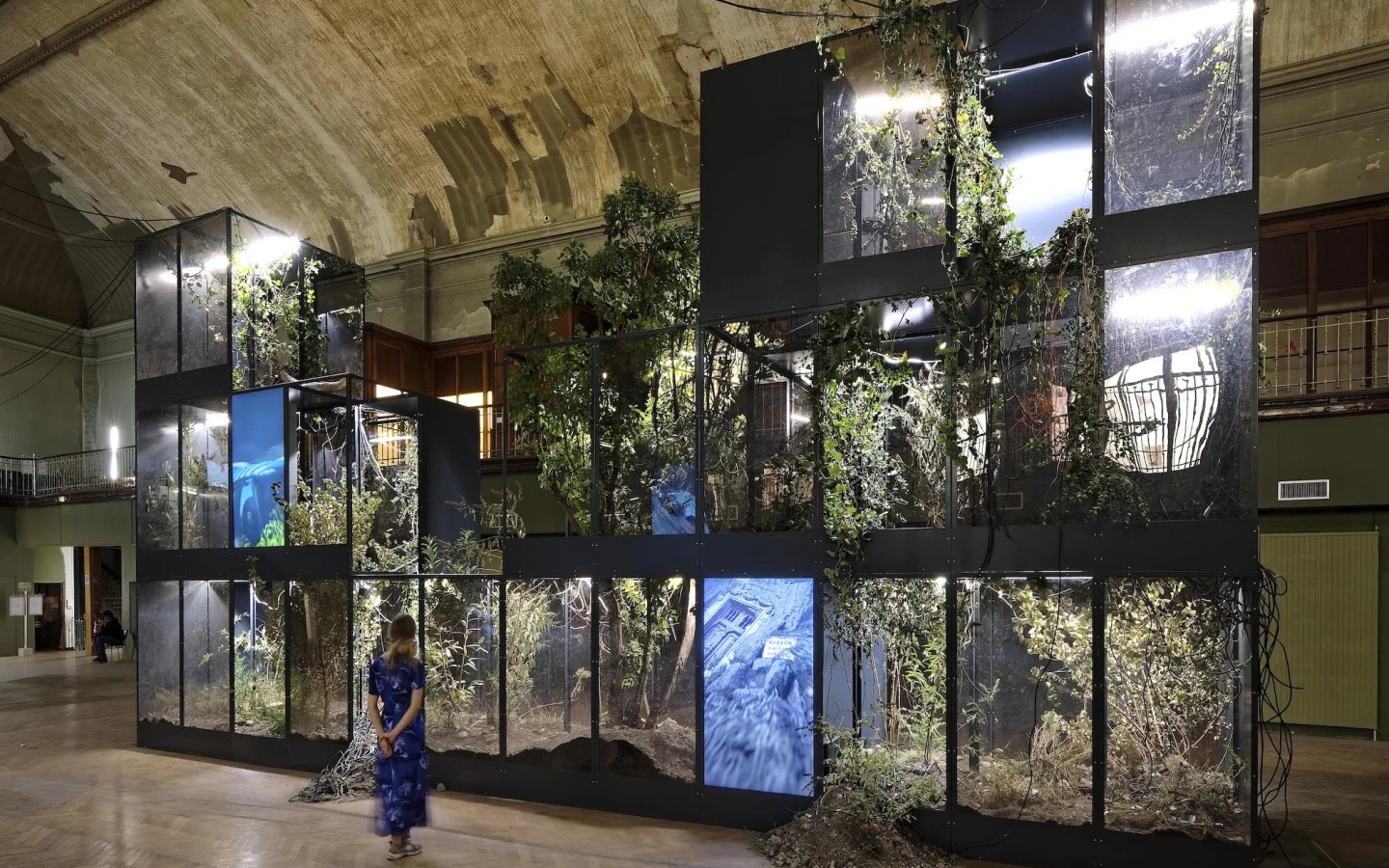
The Lyon Biennale 2026 takes place from 19 September to 13 December across museums, industrial buildings, historic passageways and public spaces throughout Lyon and its metropolitan area.

The 18th edition is titled To Pass from One Dream to Another. Curated by Catherine Nichols, the exhibition draws inspiration from Lyon’s traboules, the semi-secret corridors, courtyards and stairways that connect buildings and streets across the city.

These passageways become both a physical route and a curatorial metaphor. They represent movement between public and private space, labour and leisure, memory and imagination, established economic systems and alternative ideas of value.

The 2026 biennale considers the economy in a wider sense. Rather than focusing only on money, markets and production, it examines care, attention, relationships, labour, natural resources, collective imagination and the systems through which people sustain their lives.

Major presentations are distributed across Les Grandes Locos, the Musée des Tissus et des Arts décoratifs and the Museum of Contemporary Art of Lyon. Additional projects appear at cultural institutions, public spaces and unexpected locations around the city.

For ArtExpoWorld readers, Lyon Biennale 2026 offers an opportunity to experience contemporary art as a journey through the social, industrial and architectural history of Lyon.

SP-Arte 2026

The principal exhibition is organized around three interconnected dimensions: the industrial, the relational, and the existential.

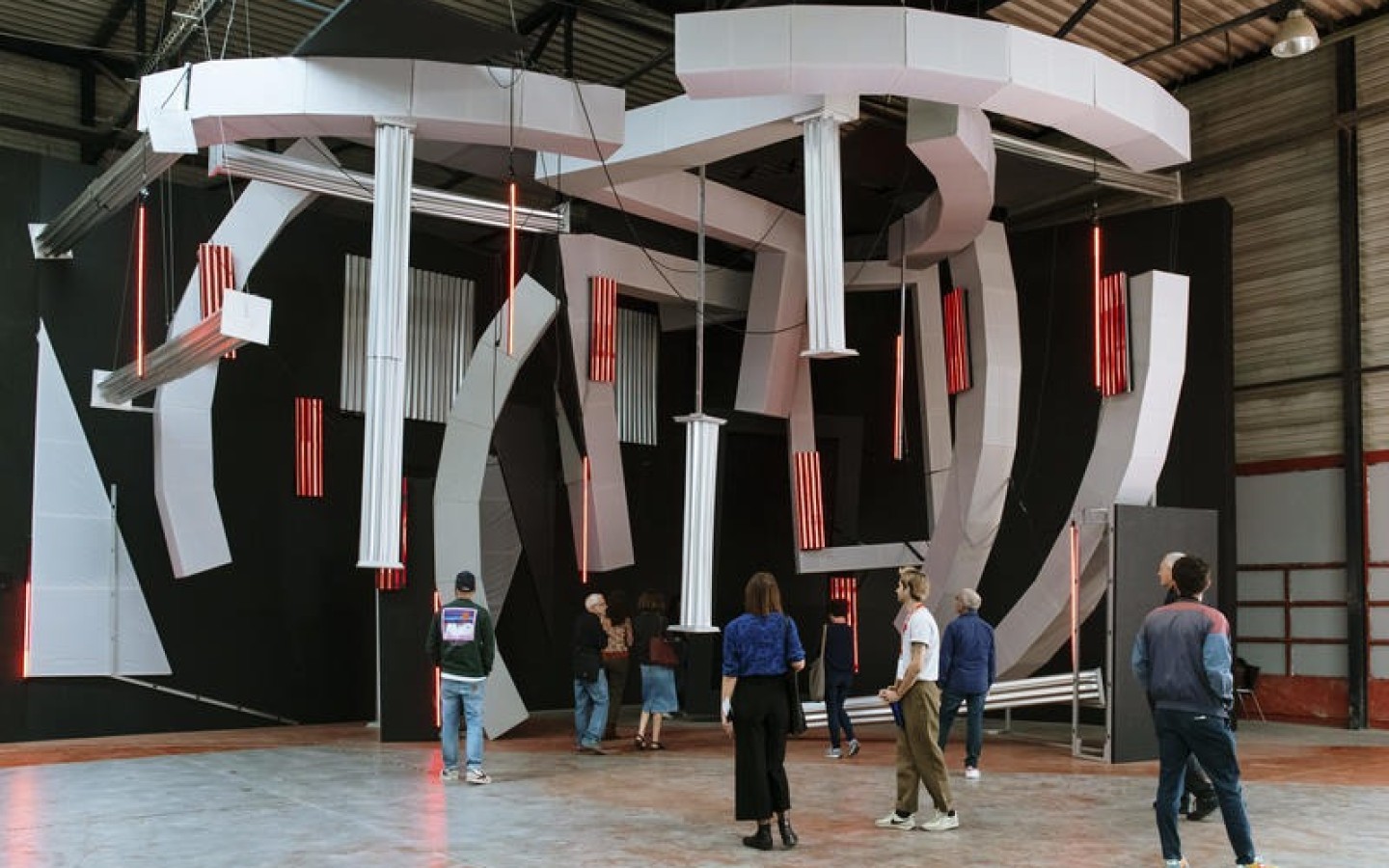
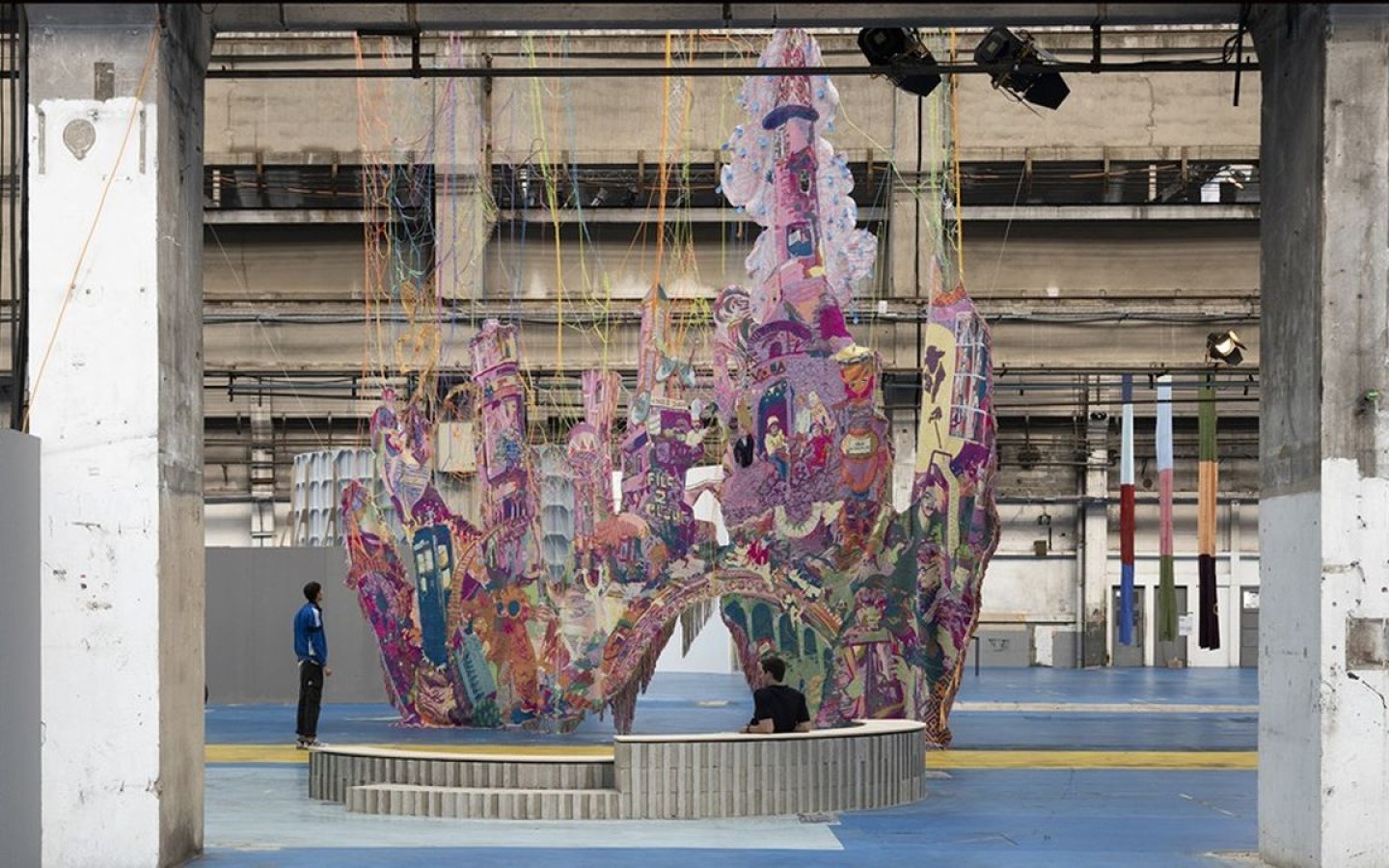
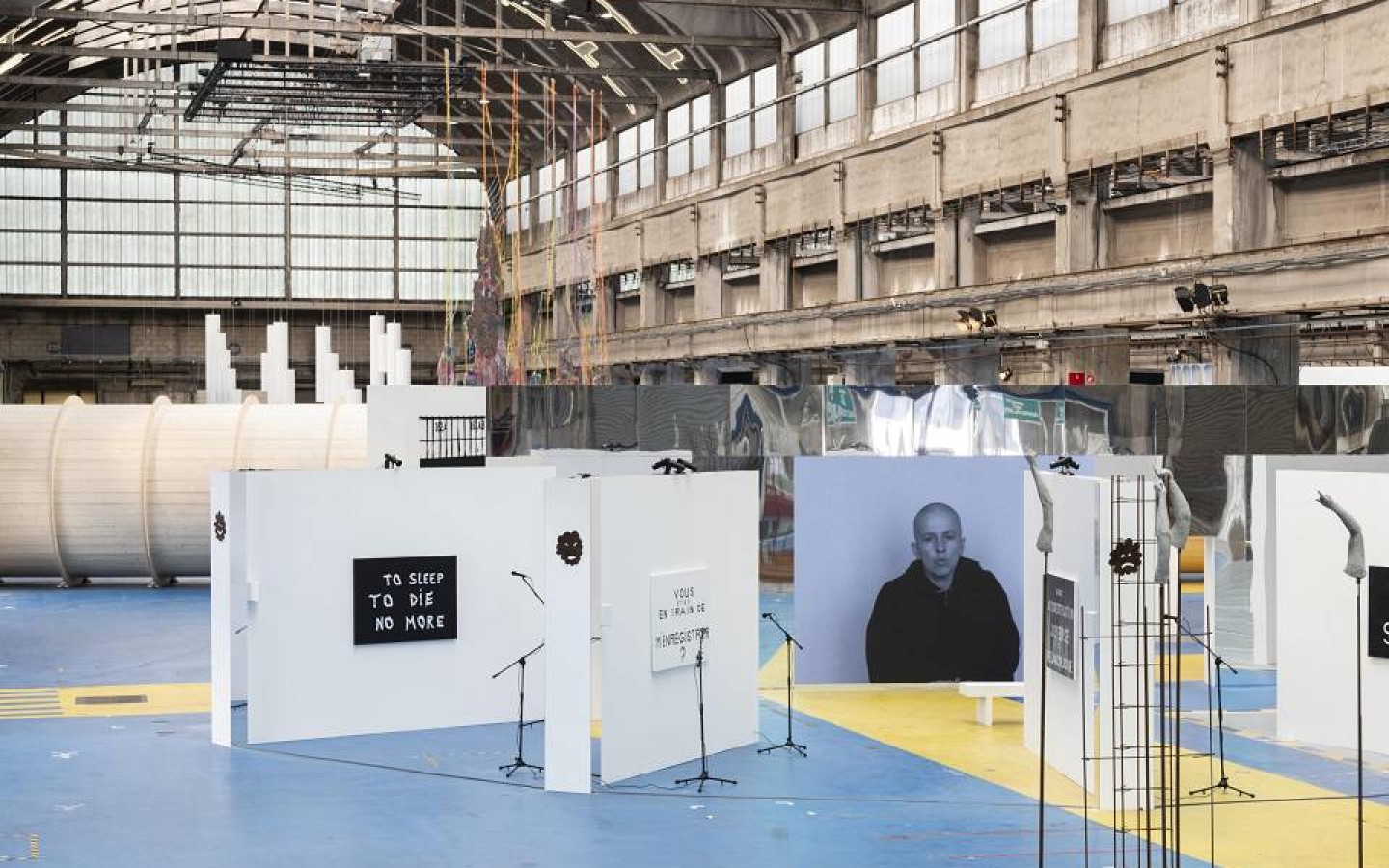
Les Grandes Locos represents the industrial dimension. The former railway maintenance complex in La Mulatière provides an enormous setting for installations, sculpture, moving images, performances, and works exploring extraction, transformation, production, and circulation.

Musée des Tissus et des Arts décoratifs introduces the relational dimension. Its connection with textiles, craftsmanship, domestic life, and trade creates a setting for examining exchange, care, connection, and the ways objects move between people and generations.

macLYON, the Museum of Contemporary Art of Lyon, explores the existential dimension. Works presented here engage with life, death, inheritance, debt, memory, and the conditions that shape individual existence.

These dimensions are not presented as separate subjects. They overlap across the exhibition, showing how industrial systems, personal relationships, and private experiences continuously influence one another.

The wider biennale route also includes projects at the Institut d’art contemporain, Musée des Confluences, Fondation Bullukian, the garden of the Musée des Beaux-Arts, the slopes and traboules of Croix-Rousse, public transport locations, and other spaces around Lyon.

Visitors can encounter painting, sculpture, installation, photography, sound, film, performance, archival material, and participatory projects.

The international artist list includes established figures, emerging voices, and artists connected with the Pacific, Europe, Africa, Asia, and the Americas. Participants include Monira Al Qadiri, Joël Andrianomearisoa, Serwah Attafuah, Leilah Babirye, Lucy Beech, Annette Messager, Susan Philipsz, Laure Prouvost, Kaylene Whiskey, Thu-Van Tran, and many others.

Lyon Biennale 2026 Event Overview

Lyon Biennale 2026 – To Pass from One Dream to Another

The title of Lyon Biennale 2026 is inspired by the city’s traboules, hidden passageways originally developed to connect streets with waterways and later used by silk workers, merchants, and members of the French Resistance.

Dates:

19 September 2026 - 13 December 2026

Location:

Multiple venues across Lyon and Greater Lyon, France

Mission:

The mission of Lyon Biennale 2026 is to use contemporary art to reconsider how societies define value. The exhibition asks whether economic value must always be measured through profit, ownership and productivity. It examines other forms of value created through care, friendship, cultural memory, shared knowledge, environmental responsibility and collective action. The biennale also aims to connect artistic ideas with the specific history of Lyon. The city’s development through textile production, commerce, banking, transport and industry becomes part of the exhibition rather than simply its backdrop. Another important part of the mission is public participation. The biennale extends beyond established museums through neighbourhood projects, collaborative programmes and exhibitions developed with people living and working across Lyon and the wider Auvergne-Rhône-Alpes region. The event presents contemporary art as a tool for questioning existing structures and imagining different ways of living together.

Organizer:

Lyon Biennale 2026 is organised by La Biennale de Lyon, the cultural association responsible for both the Contemporary Art Biennale and the Lyon Dance Biennale. Isabelle Bertolotti serves as Artistic Director of the contemporary art biennale and is also director of macLYON. The 18th edition is curated by Catherine Nichols, an Australian-born curator and writer based in Berlin. Her previous projects include Manifesta 14 Prishtina and exhibitions developed for major European museums and cultural institutions. The biennale works with the City of Lyon, the Lyon metropolitan authority, regional institutions, museums, art schools, cultural organisations and community partners.

Why attend to Lyon Biennale 2026?

Lyon Biennale 2026 is worth visiting because it combines international contemporary art with the architecture, history, and daily life of an entire city.

For art professionals, the biennale offers access to an extensive international artist list, commissioned works, experimental practices, and emerging talent.

For cultural travelers, it provides a structured way to explore Lyon beyond its most familiar tourist attractions.

Visitors move between industrial La Mulatière, the Cité Internationale, the Presqu’île, Croix-Rousse, and other districts, discovering different parts of the metropolitan area through art.

The biennale is also valuable for visitors interested in economics, labor, urban history, architecture, and social change. Its subject extends far beyond conventional discussions about the art market.

The long exhibition period allows visitors to attend without the pressure of a short art-fair weekend. A two-day or three-day itinerary makes it possible to explore the principal venues at a comfortable pace.

Ticket Information

General admission costs

The standard Biennale Pass costs €25.

A reduced pass costs €18 and is available to eligible visitors, including people under 26 and selected cultural or professional categories.

Free admission is available to children under 15, art students, eligible students from the Auvergne-Rhône-Alpes region, and holders of certain professional, accessibility, and social-benefit cards.

The pass provides one admission to four paid exhibition venues and remains valid throughout the biennale period.

An early-booking price of €20 is available during selected presale periods.

An audio guide covering three principal venues costs €3.

Many public-space projects and partner events are free, although individual conditions may vary.

Visitors should keep the same pass for the entire trip because it is designed for use across several venues and different days.

Getting There:

Lyon is accessible by high-speed train from Paris, Marseille, Geneva and several other European cities.

Most long-distance trains arrive at Lyon Part-Dieu or Lyon Perrache station.

International visitors can fly into Lyon-Saint Exupéry Airport and continue into the city using the Rhônexpress tram, taxi, rideshare or private transfer.

The three main venues are located in different areas.

Les Grandes Locos
10 Rue Gabriel Péri, 69350 La Mulatière
The site can be reached using Metro Line B to Gare d’Oullins, followed by a short walk. Regional trains also serve Oullins station.

Musée des Tissus et des Arts décoratifs
34 Rue de la Charité, 69002 Lyon
The museum is close to Ampère–Victor Hugo and Perrache stations.

macLYON
81 Quai Charles de Gaulle, 69006 Lyon
The museum is located in the Cité Internationale near Parc de la Tête d’Or and is served by several bus routes.

Visitors should group venues geographically and allow time for transfers.

Accommodation

The Presqu’île is one of the best areas for first-time visitors. It offers restaurants, shops, historic architecture and convenient access to public transport.

Staying near Perrache is practical for reaching the Musée des Tissus, central Lyon and Les Grandes Locos.

Part-Dieu is convenient for visitors arriving by train and provides direct metro access to Gare d’Oullins.

Croix-Rousse may appeal to visitors interested in the city’s silk-weaving history, historic traboules and neighbourhood atmosphere.

The area around Parc de la Tête d’Or and the Cité Internationale is convenient for macLYON and offers quieter surroundings.

Visitors planning several days should choose accommodation near a metro or tram line rather than selecting a hotel based only on distance from one venue.

Gallery: Lyon Biennale 2026

Secure Your Spot at Lyon Biennale 2026 — Before It's Too Late

Tickets are limited and sell out fast.
Get instant access to the Lyon Biennale 2026 registration page and be the first to know about exclusive events, VIP passes, and travel perks.

Early access. Limited availability. Global art at your fingertips.

History & Context of a Lyon Biennale 2026

The Lyon Biennale of Contemporary Art was founded in 1991 following the conclusion of the historic Paris Biennale.

It was conceived by Thierry Raspail, then director of the developing Museum of Contemporary Art of Lyon, as a major international event capable of bringing contemporary artistic debate to Lyon.

Since its creation, it has become one of France’s leading contemporary art events and an important fixture on the international biennial calendar.

The contemporary art biennale alternates with the Lyon Dance Biennale, allowing the organisation to present one major international event each year.

Different editions have used warehouses, factories, museums, historic buildings and public spaces, gradually making the architecture and social history of Lyon central to the event’s identity.

The 2026 edition continues this approach by connecting former railway workshops, a textile museum, a contemporary art museum, historic passageways and active neighbourhoods.

Lyon itself has a particularly relevant history for the theme. The city developed as a major centre for silk production, banking, trade, manufacturing and transport. It was also shaped by workers’ uprisings, industrial decline and later urban redevelopment.

The biennale uses this history to examine how economies influence bodies, environments, communities and cultural imagination.

Jeune Création Internationale

Emerging artists remain an important part of Lyon Biennale 2026 through the Jeune Création Internationale programme.

Originally established in 2002 under the name Rendez-vous, the initiative supports artists from the Auvergne-Rhône-Alpes region alongside artists from the international art scene.

The 2026 programme brings together eleven emerging artists invited to develop new works under professional production and exhibition conditions.

The artists work closely with curatorial and technical teams at the Institut d’art contemporain, allowing production and exhibition to become part of the same process.

The initiative supports experimentation while helping young artists build professional networks and gain exposure within an internationally recognised event.

Biennale en Territoires extends the event into neighbourhoods and communities throughout Lyon and the wider region.

Artists collaborate with residents, workers, associations and local organisations to create projects connected with everyday life.

For the 2026 edition, these collaborations examine economy and value within specific local contexts.

The programme may address subjects such as work, informal trade, care, migration, shared resources and the economic relationships operating within communities.

These projects help prevent the biennale from becoming an event experienced only by international visitors and art professionals.

They create direct relationships between contemporary artists and people who may not normally visit museums or major exhibitions.


Tips for Visitors of Lyon Biennale 2026

Do not attempt to see the entire biennale in a few hours. The main venues are spread across Lyon and require travel between different districts.

Plan at least two days for the principal exhibition route. A third day is useful for public-space projects, Resonance events, and neighbourhood programmes.

Start with Les Grandes Locos if you want to experience the largest installations and understand the industrial side of the curatorial concept.

Visit the Musée des Tissus and macLYON on another day rather than trying to combine all three major venues too quickly.

Wear comfortable shoes. Les Grandes Locos is a very large industrial site, and the wider biennale route includes significant walking.

Check the hours of each venue separately. The main locations share a general timetable, but partner institutions and free public sites may operate differently.

Attend one of the La Fête Permanente events if possible. Conversations and performances help explain how the biennale’s ideas connect with life outside the art world.

Use public transport rather than relying entirely on taxis or a private car. Lyon’s metro, tram, and bus network connects most of the main venues.

Tips from the ArtExpoWorld

Do not visit Lyon Biennale as though it were a conventional exhibition contained inside one museum.

The movement between venues is part of the curatorial experience. Industrial buildings, textile history, contemporary architecture, and urban passageways all contribute to the meaning of the artworks.

Take time to use the city’s traboules and observe how Lyon itself reflects the themes of circulation, labour, privacy, and exchange.

Be the First to Access Official "Lyon Biennale 2026" Tickets

Don’t miss your chance to attend one of the world’s leading art fairs. Get direct access to the official ticketing page, exclusive updates, and important visitor information.

Early access. Limited availability. Global art at your fingertips.

Editor’s Note

Lyon Biennale 2026 matters because it asks a question that reaches far beyond contemporary art: how should value be defined when financial measures no longer explain everything that sustains human life?

For ArtExpoWorld, the strength of the edition lies in its relationship with Lyon. The exhibition does not merely occupy the city; it uses its passageways, industrial history and social structures as part of the curatorial argument.

The focus on care, attention, relationships and collective imagination offers an alternative to the idea that economy is only about money. Art becomes a space for rehearsing different ways of living and exchanging value.

Lyon Biennale 2026 is essential for visitors who want contemporary art to do more than decorate or entertain. It invites them to move through the city, question familiar systems and imagine the passage from one collective dream to another.

Current and Upcoming Art Expos