








Queenie Rosita Law: Connecting Hong Kong With Central and Eastern European Art
Queenie Rosita Law began collecting art for a simple reason.
She had moved into her own home in Hong Kong and wanted something meaningful on the walls.
Her first purchases were works by artists living and working locally.
At that stage, she did not imagine that collecting would eventually lead her to create a foundation in Budapest, open a gallery in Hong Kong, and build a program dedicated to artists from Central and
Eastern Europe.
The turning point came in 2017.
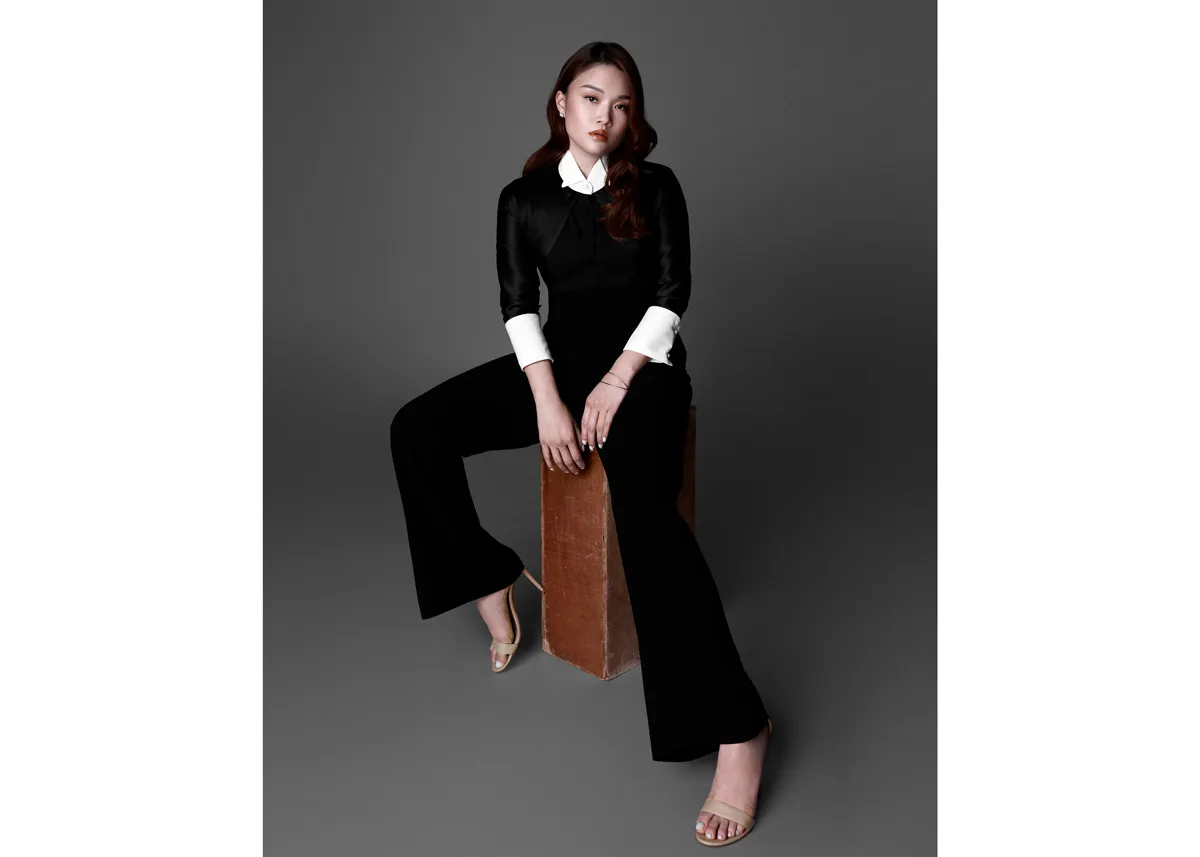
A trip to Hungary introduced Law to a contemporary art scene she felt was not receiving the international visibility it deserved.
She began visiting studios.
Then she traveled through Serbia, Poland, and the Czech Republic.
The more she learned, the clearer the problem became.
Extraordinary artists were working across the region, yet many lacked strong international platforms.
Law decided not only to collect them.
She wanted to create infrastructure around them.
Central Saint Martins Shaped Her Visual Education
Law’s interest in art and design began early.
She eventually studied graphic design at Central Saint Martins in London.
The school has produced generations of artists, designers, and creative professionals.
For Law, design education provided a foundation for looking.
Composition, materials, color, typography, and visual communication all influence the way a person understands art.
However, studying design does not automatically make someone a collector.
Her collection began only later, when she moved into her own home.
Buying Art for a New Home
Like many collectors, Law’s first motivation was personal space.
She wanted artworks for her walls.
She began with Hong Kong artists.
The purchases were modest compared with the institution she would eventually create.
Yet this beginning is important.
Collecting often grows from the desire to live differently.
A home filled with original works changes the owner’s relationship with visual culture.
Instead of encountering art occasionally inside a museum, the collector sees it every morning.
Over time, this repeated exposure sharpens taste.
Art Basel Hong Kong Became Part of Her Education
Law’s early exposure to the professional art world included visits to Art Basel Hong Kong.
She also attended art lectures and began exploring galleries systematically.
These experiences gradually refined her preferences.
A major fair allows collectors to compare many gallery programs quickly.
Lectures provide historical and theoretical context.
Gallery visits create deeper relationships.
Together, these different forms of engagement turn an interested buyer into a more informed collector.
Hungary Changed the Direction of the Collection
In 2017, Law traveled to Hungary.
A visit to the Ludwig Museum became a pivotal experience.
There she encountered contemporary artists from Central and Eastern Europe whose work had received relatively little visibility in Hong Kong.
The discovery led her toward studio visits and wider research.
Law began traveling across the region.
Serbia, Poland, and the Czech Republic became part of her collecting map.
She wanted to understand not only individual artists but also the cultural environment around them.
Why Central and Eastern Europe Matters
The region contains enormously important postwar and contemporary art histories.
However, many artists remained less visible internationally than comparable figures from Western Europe or the United States.
Political division during the Cold War affected artistic exchange.
Some artists worked under socialist regimes with limited access to Western galleries and institutions.
Others developed experimental practices inside networks that were poorly documented internationally.
After 1989, market structures changed quickly but unevenly.
Law recognized an opportunity.
The issue was not simply that prices were lower.
The artists needed stronger international platforms, scholarship, and cultural exchange.
Q Contemporary Begins in Budapest
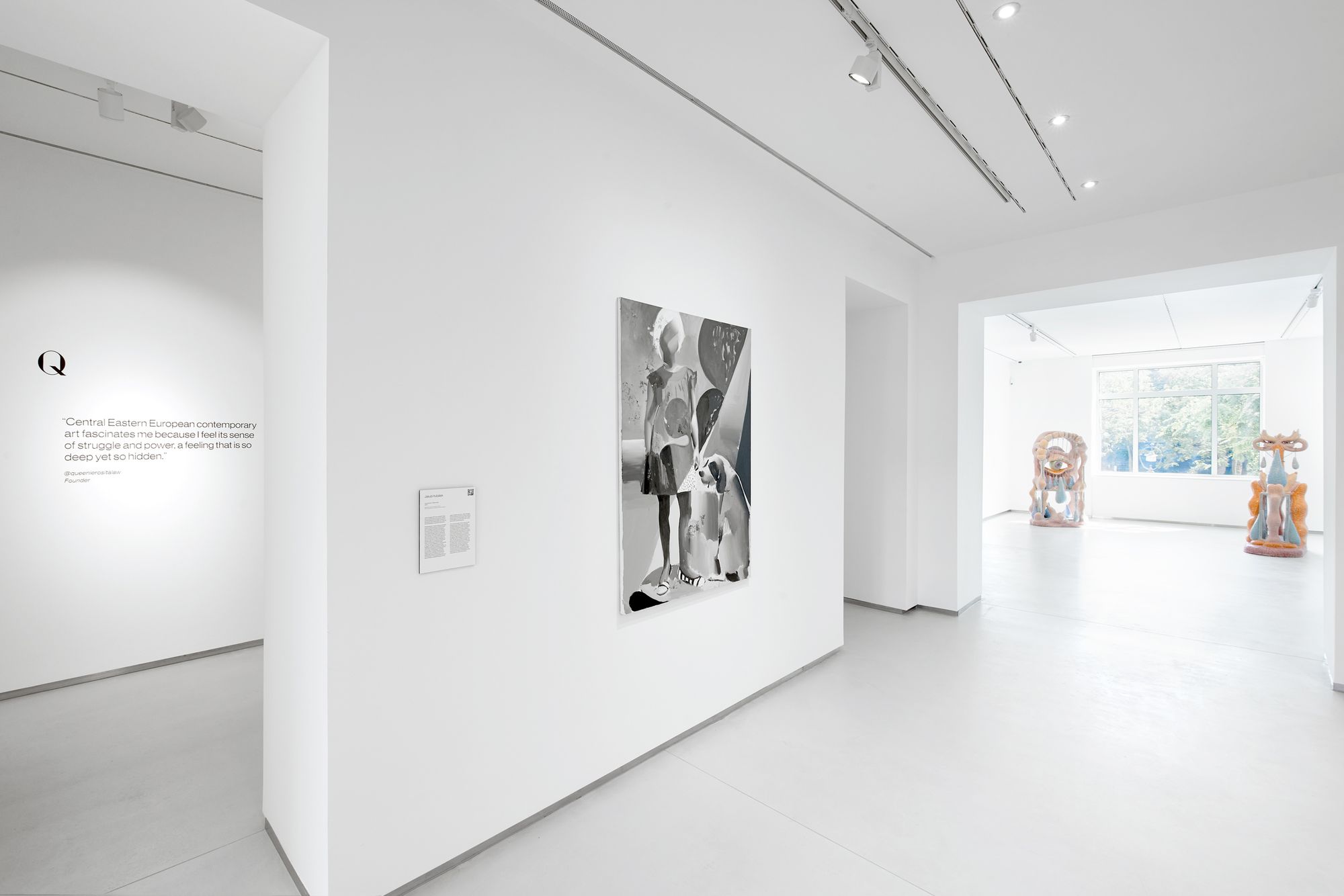
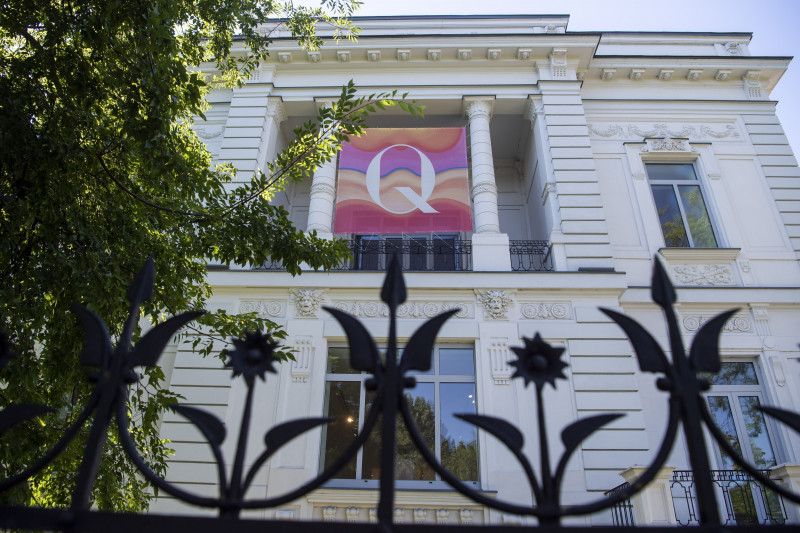
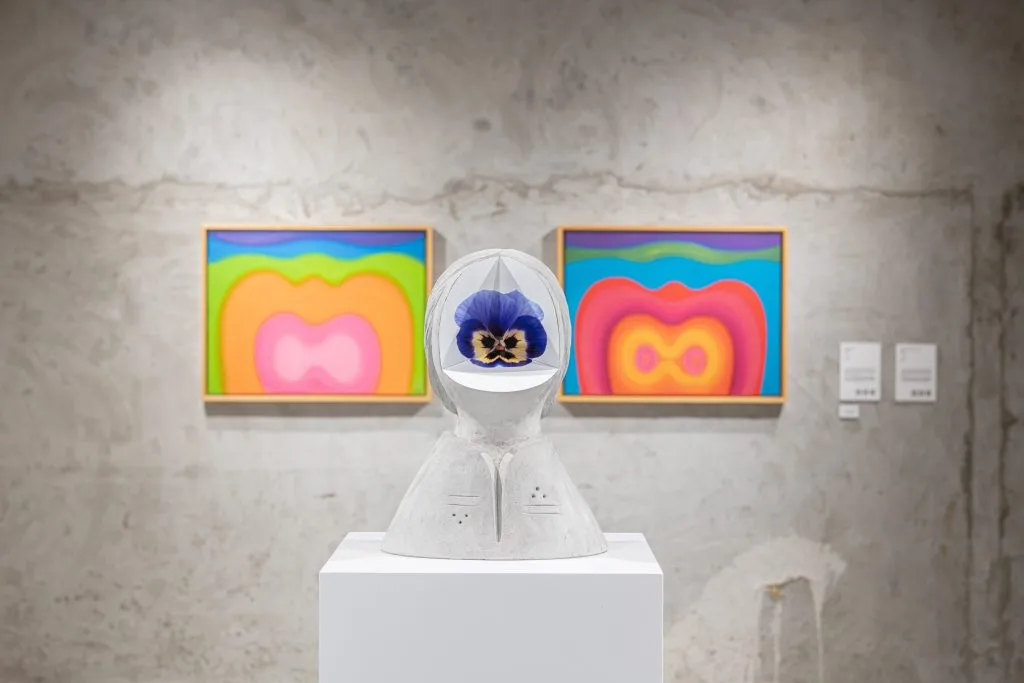
Law decided to establish Q Contemporary, a foundation and nonprofit art space in Budapest.
Work on the project began in 2017.
The pandemic made development more complicated because Law could not always oversee the process in person.
A local team continued working.
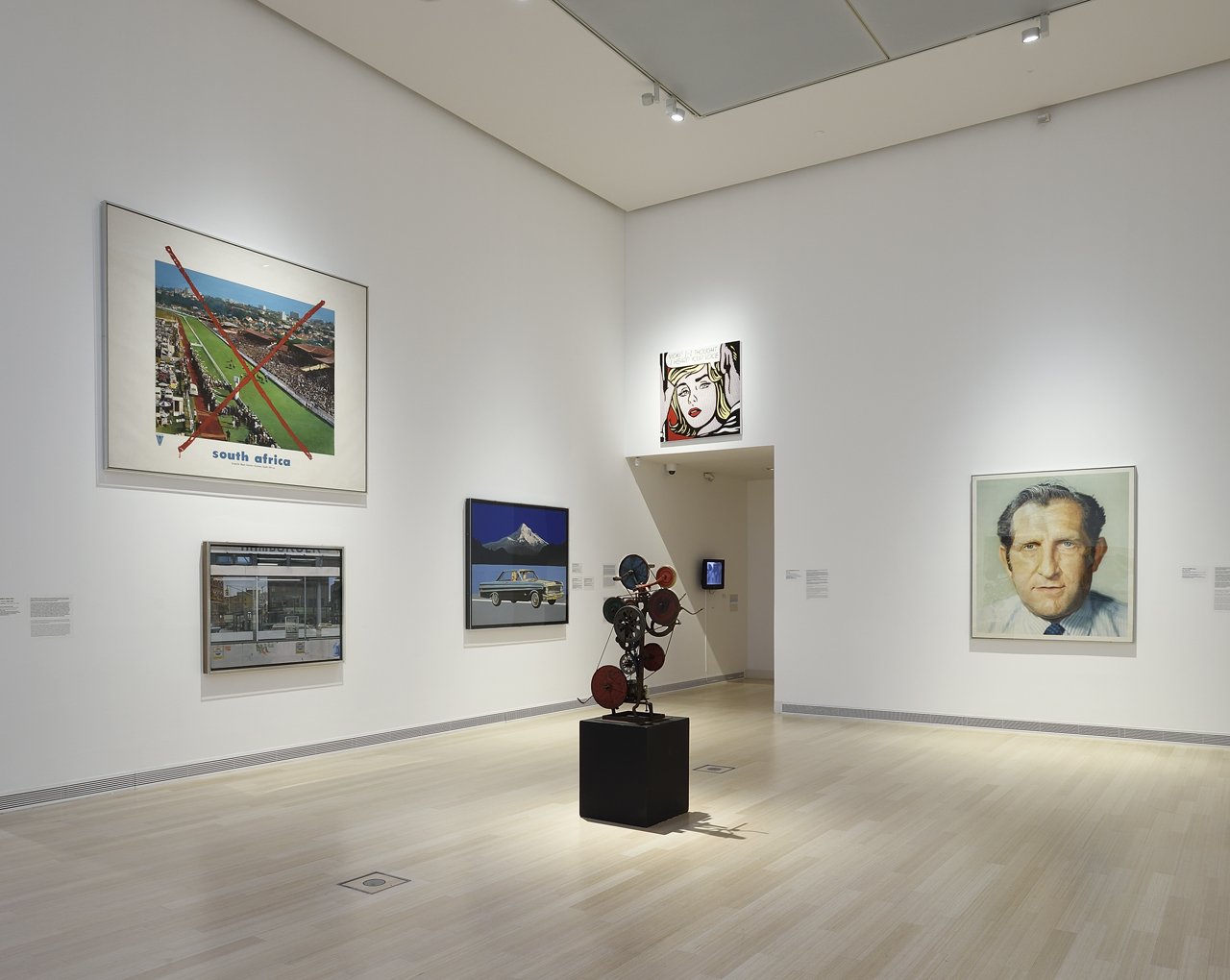
Q Contemporary officially opened in 2021.
Its first exhibition included works from Law’s own collection.
The space was not designed simply as a private museum.
Its broader mission was to support artists from Central and Eastern Europe and connect them with international audiences.
Q Contemporary Changes the Role of the Collector
Traditional private collecting centers on ownership.
A foundation changes the relationship.
The collector begins supporting:
exhibitions;
research;
curatorial programs;
artist residencies;
publications;
education;
international exchange.
This requires a different kind of commitment.
Buying one artwork may take minutes.
Maintaining an institution requires years.
Law’s collection therefore became the starting point rather than the final goal.
Art Shapes Almost Every Trip
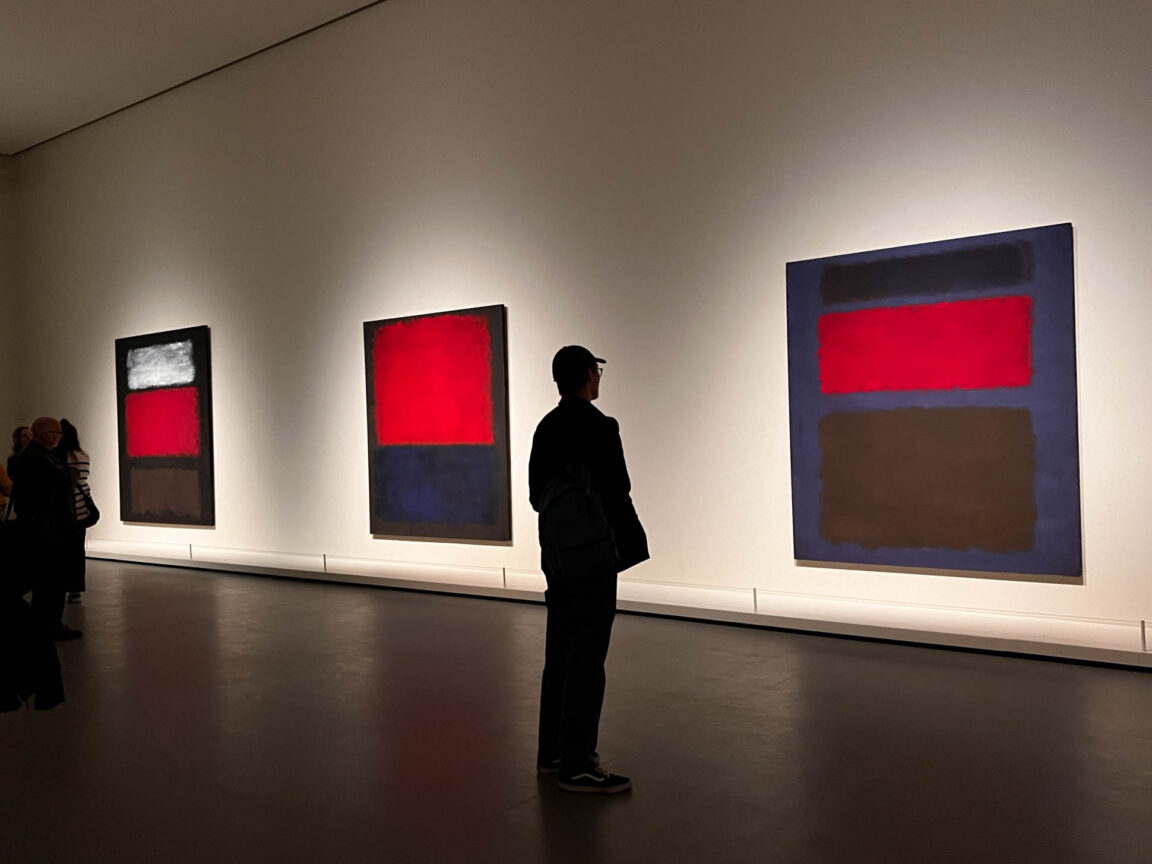
Law estimates that 70% to 80% of her travel is connected with art.
Studio visits are central.
She also searches for emerging galleries and makes museums part of almost every itinerary.
This approach reflects a serious collector’s lifestyle.
Travel stops being tourism alone.
A city becomes a network of artists, exhibitions, archives, and institutions.
The collector gradually understands how artistic production differs between regions.
This knowledge is difficult to acquire through online research alone.
Mark Rothko at Fondation Louis Vuitton
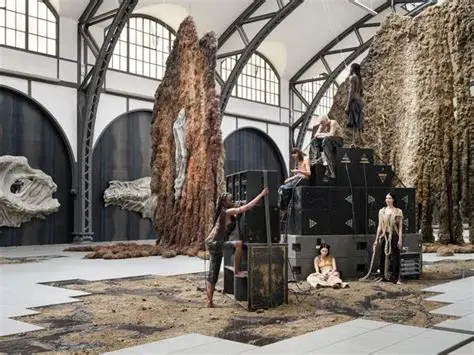
One of Law’s most memorable recent museum experiences was the Mark Rothko retrospective at Fondation Louis Vuitton in Paris.
She traveled specifically to see the exhibition.
Law spent several hours moving through the galleries.
What impressed her was not only Rothko’s famous mature paintings.
The exhibition included early works that revealed how his language developed.
This is important for collectors.
Famous artists are often reduced to one recognizable style.
Retrospectives show the uncertainty, experiments, and failures that existed before that style emerged.
For Law, the installation itself was also powerful.
Lighting allowed visitors to notice subtle differences in color and layered surfaces.
Physical experience became essential.
Research Before Buying
Law has become increasingly disciplined about acquisitions.
She distinguishes between recognizing an objectively important artist and personally wanting to live with the work.
These are not the same thing.

A collector may understand why critics and institutions value an artist without feeling a personal connection.
Today, Law avoids buying simply because something is fashionable.
She conducts research and waits until the relationship feels genuine.
This protects the collection from becoming a catalogue of trends.
Klára Hosnedlová
One artist who resonates strongly with Law is Czech artist Klára Hosnedlová.
Hosnedlová works across embroidery, painting, sculpture, architecture, and performance.
Her installations often create immersive environments.
Textile techniques interact with sculptural forms and carefully controlled spaces.
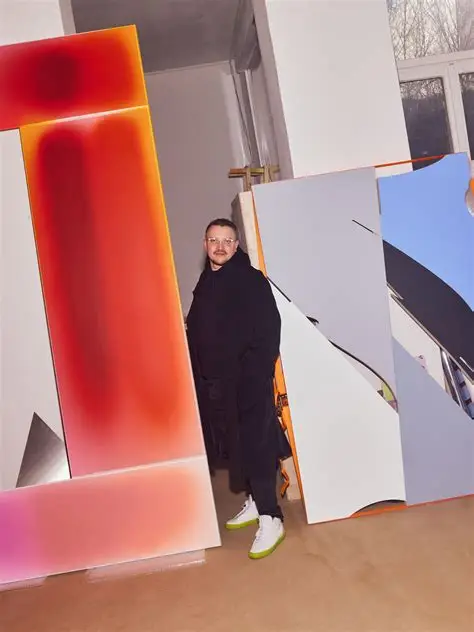
The works can appear delicate while also carrying psychological intensity.
For Law, this balance between vulnerability and strength is particularly compelling.
Hosnedlová represents exactly the kind of practice Q Contemporary wants to make more visible internationally.
Vera Molnár and the History of Computer Art
Another important artist for Law is Vera Molnár.
Born in Budapest in 1924, Molnár became one of the pioneers of computer-generated art.
Long before personal computers became common, she experimented with systems, algorithms, and rule-based composition.
Her work demonstrates that digital art did not begin with NFTs or artificial intelligence.
Artists had been exploring computational processes for decades.
Molnár continued experimenting late into life.
Her persistence is part of what Law admires.
The artist never allowed age or historical recognition to stop experimentation.
Art Also Brought Law Her Husband
Collecting transformed Law’s personal life as well.
She met her husband at an art event in Shanghai in 2017.
Their relationship developed alongside shared interest in contemporary art.
The couple now travels together, visits studios, and attends major fairs including Art Basel Hong Kong.
They also discuss acquisitions that will enter their home.
A shared collection requires practical conversation.
Where will the work go?
How large is it?
Do both people want to live with it?
These domestic questions can become part of curatorial decision-making.
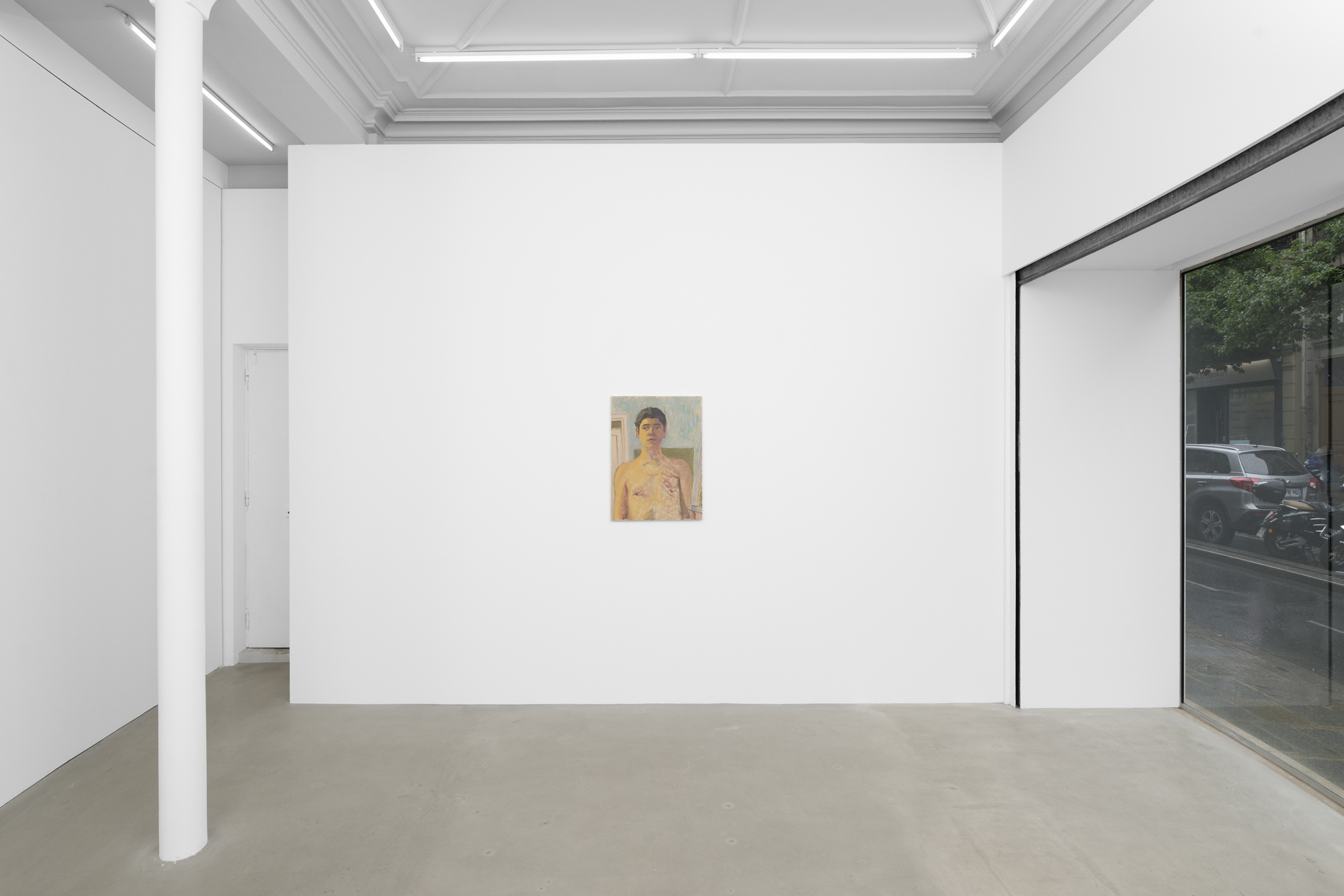
Márton Nemes Became Both Artist and Friend
Another important relationship is with Hungarian artist Márton Nemes.
Law met him in London in 2019 while he was still a student.
She began collecting his work and remained connected as his career developed.
Nemes later represented Hungary at the Venice Biennale.
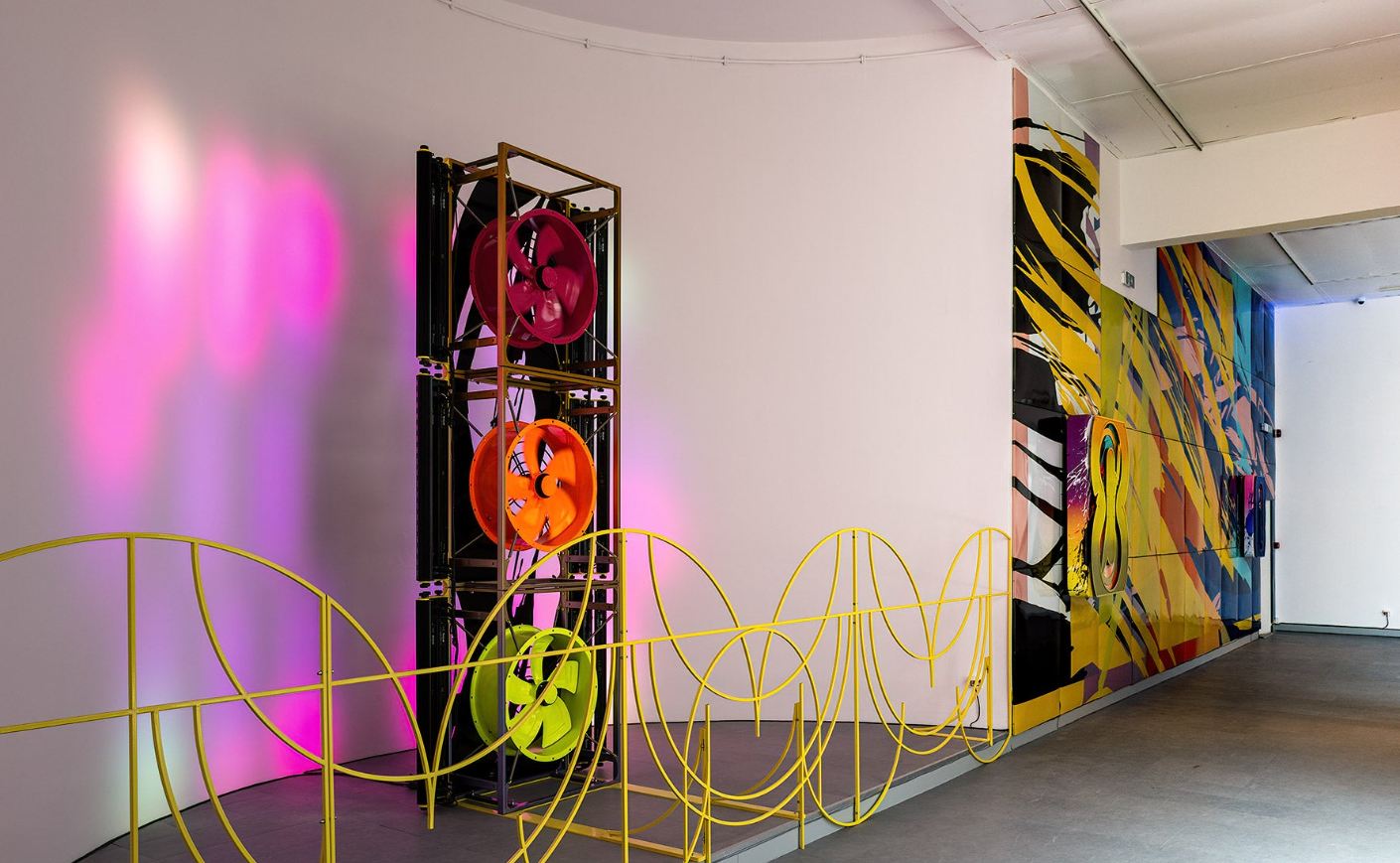
His work often combines painting, sculpture, reflective surfaces, light, and installation.
In 2022, Nemes encouraged Law and her husband to open a gallery in Hong Kong.
The suggestion came directly from an artist whose career they had supported.
This reveals how relationships in serious collecting can become reciprocal.
Collectors support artists.
Artists influence the collectors’ projects in return.
From Collector to Gallerist
Law and her husband followed Nemes’s suggestion.
Their Hong Kong gallery opened with his work in its first exhibition.
This created a new bridge between Central and Eastern Europe and Asia.
The gallery’s mission remains closely tied to artist needs.
Rather than simply importing whichever European artists are currently fashionable, Law wants to provide sustained visibility.
This distinction matters.
Cultural exchange works best when it develops through relationships rather than trend-driven selection.
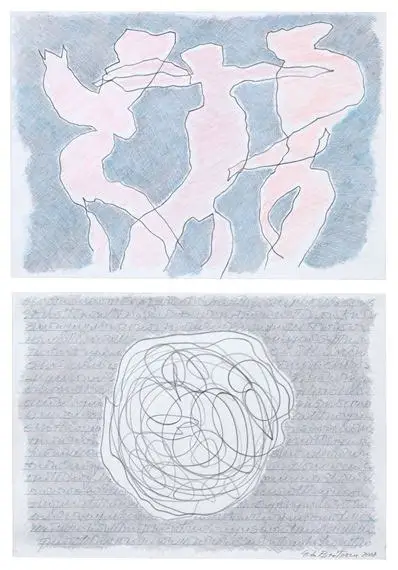
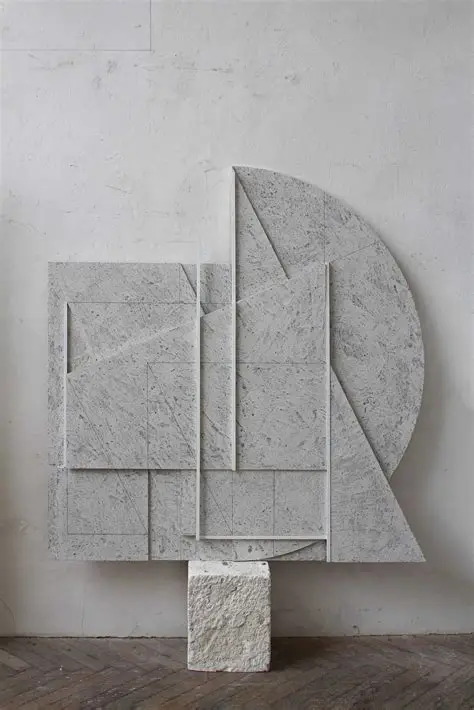
Geta Brătescu, David Horváth and Stanislav Kolíbal
Works from Law’s collection include artists from several generations.
Geta Brătescu became one of Romania’s most significant conceptual artists.
Her practice included drawing, collage, photography, performance, and film.
Stanislav Kolíbal became a major figure in Czech conceptual and geometric art.
David Horváth represents a younger generation.
Presenting these artists together allows the collection to connect historical and contemporary practices.
A strong regional collection should not focus only on emerging artists.
History gives new work context.
Education Is the Next Phase
Law plans to continue presenting much of her collection through Q Contemporary in Budapest.
Over the coming years, she wants to expand educational programming.
The goal is to explain not only the artworks but also the histories and current conditions of the regions where artists live.
Education matters because Central and Eastern Europe cannot be reduced to one style or identity.
Hungary, Romania, Serbia, Poland, and the Czech Republic have distinct political and cultural histories.
Collectors and audiences need context if international attention is going to become meaningful.
Artist Residency in Budapest
Q Contemporary is also developing an artist residency program.
Residencies create another form of exchange.
Artists can spend time in Budapest, encounter different cultural environments, and meet other practitioners.
The objective is not simply to produce new collectible objects.
The value may lie in research, experimentation, and relationships.
This makes the foundation part of the production process rather than only a place where finished works are displayed.
Building Cultural Dialogue Between Regions
Law sees her role as a bridge.
Hong Kong connects Asian collectors with global art networks.
Budapest provides direct access to Central and Eastern European artistic communities.
Operating in both places allows artists to move between audiences that might otherwise remain disconnected.
This can have long-term effects.
A Hong Kong collector may discover an artist from Romania.
A Hungarian artist may encounter Asian institutions.
Curators from different regions can begin collaborations.
The foundation becomes an infrastructure for exchange.
Editorial Note
ArtExpoWorld believes Queenie Rosita Law’s strongest contribution is her willingness to go beyond collecting artists who are already internationally visible.
She identified a region she believed deserved more attention and then built infrastructure around that conviction.
That is much more valuable than simply buying undervalued works and waiting for prices to rise.
Q Contemporary gives artists exhibitions, context, education, and international access.
The connection between Budapest and Hong Kong is particularly interesting because it creates dialogue between two regions that rarely dominate the same art-market conversation.
Law’s approach also offers a useful lesson for collectors.
Research should lead somewhere.
If years of studio visits and collecting reveal a structural gap in the art world, a collector with sufficient resources can help fill it.
That is where private passion begins to become cultural patronage.