







Matt Zhang and the Future of Digital Art Collecting
Matt Zhang did not start as a collector of NFTs, artificial intelligence, or generative art.
During his twenties in London, he was more interested in traditional painting. His early acquisitions included works by Victorian artists such as John William Godward and Frank Dicksee.
At that time, digital art was not part of his collecting strategy.

The direction changed after Zhang discovered Bitcoin and cryptocurrency in 2014.
His professional background in finance made blockchain technology particularly interesting to him. He understood it not only as a speculative asset class but as a new infrastructure capable of changing ownership, authentication, and digital exchange.
From there, his interests in finance, art, artificial intelligence, and blockchain gradually began to merge.
By 2019, Zhang was actively exploring NFTs. Between 2019 and 2021, he bought a large number of digital collectibles, including several CryptoPunks, which he later sold.
What began as an experiment became a serious collecting practice.
From Wall Street to Hivemind Capital Partners
Zhang spent more than 15 years working in finance across London and New York.
In 2021, he founded Hivemind Capital Partners, a New York-based investment firm focused on Web3, blockchain technology, and the digital economy.
The company’s investment activity created a natural connection with digital culture.
Zhang believed that the growth of new technologies would eventually produce new artistic movements and new generations of collectors.
He later launched the Hivemind Digital Culture Fund.
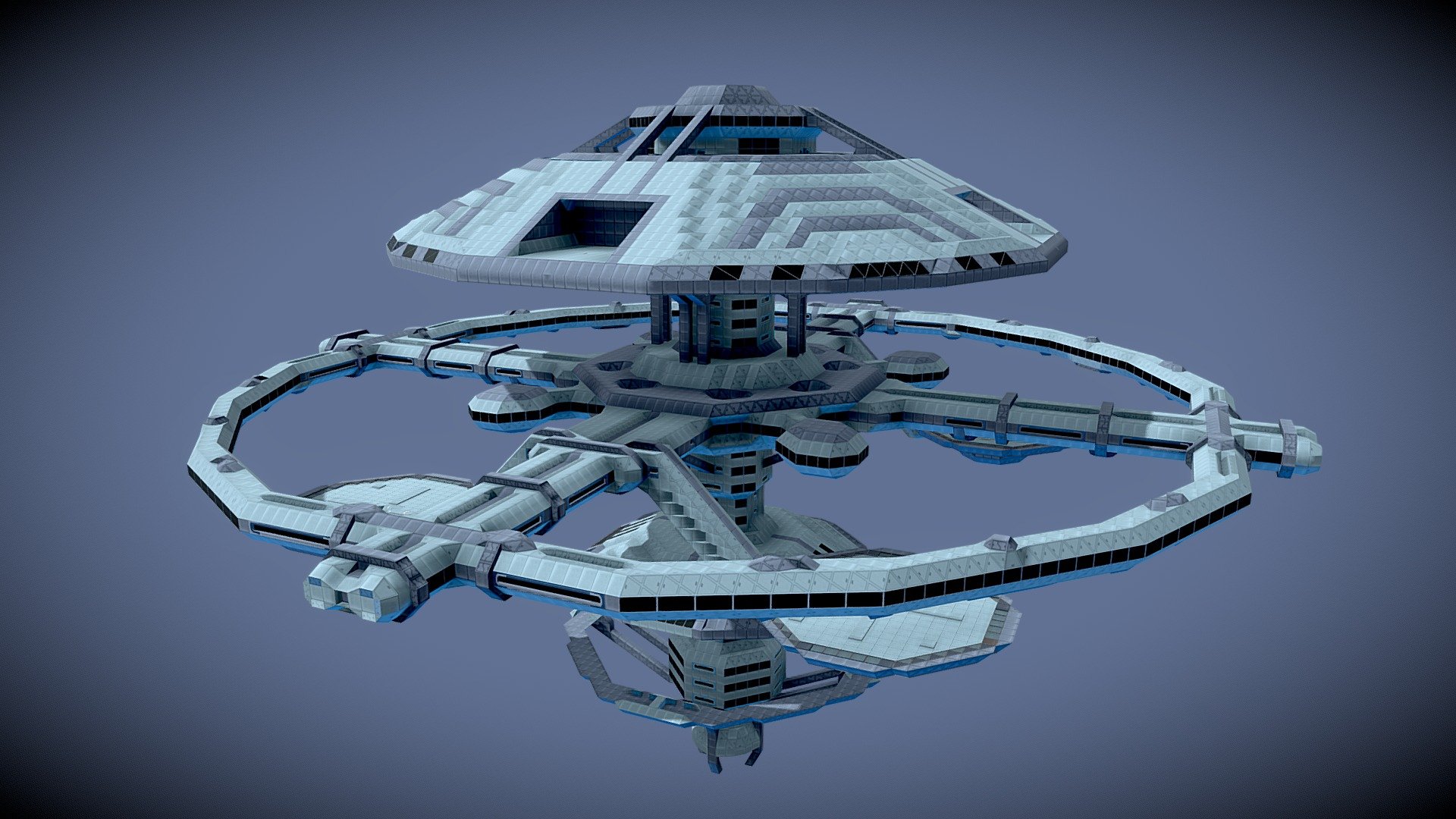
The fund was created as a curated collection of NFTs, generative art, and works produced with artificial intelligence.
Its purpose was not simply to accumulate popular digital tokens.
Zhang wanted to identify artists and works that could become part of the longer history of digital culture.
This distinction is essential.
The internet contains an almost unlimited quantity of digital images and collectibles. Only a small percentage qualify as serious digital art, and an even smaller group may retain lasting art-historical significance.
Starbase 2050 by Huang Rui
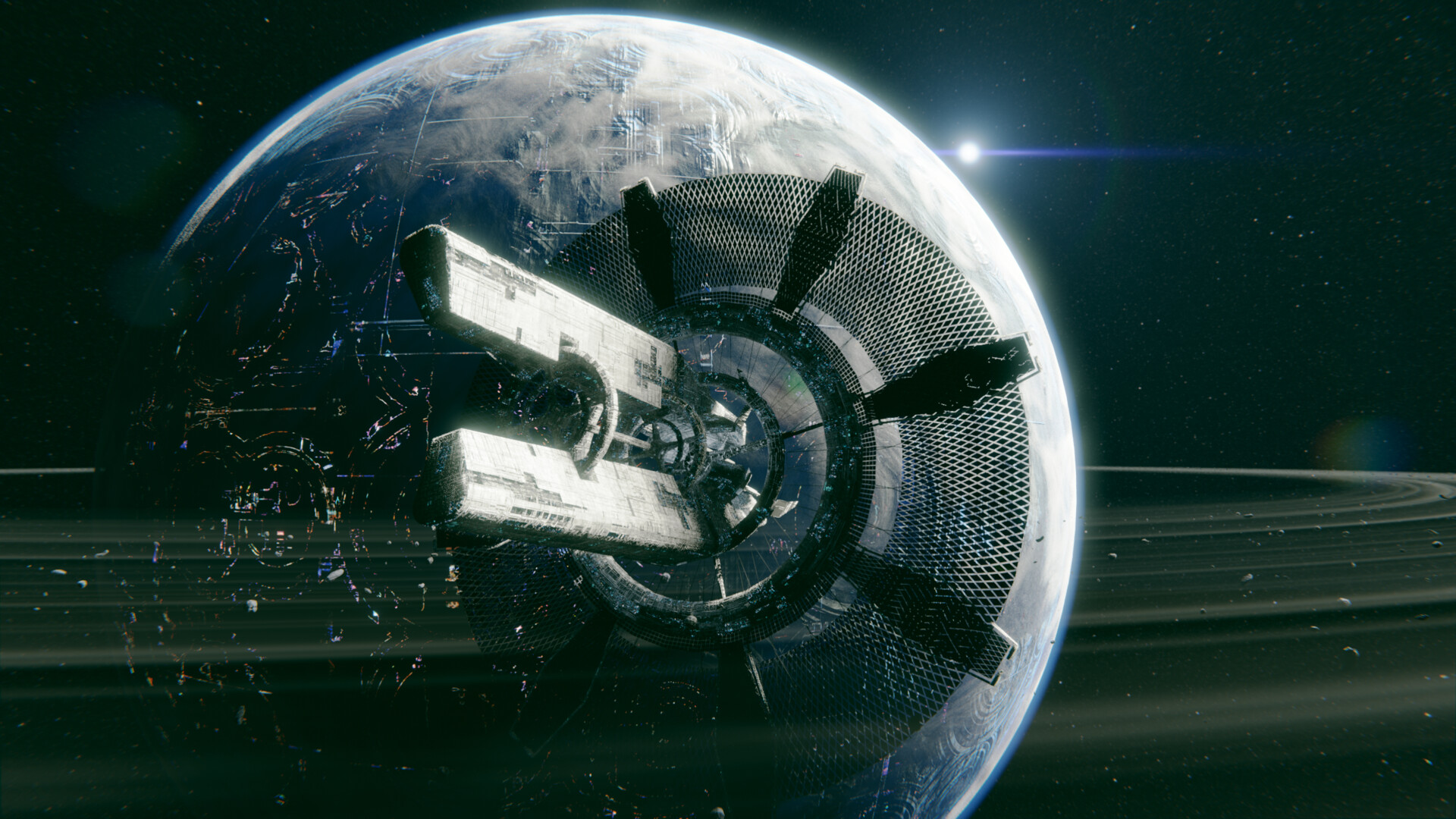
One of Zhang’s important recent acquisitions was Starbase 2050, created in 2024 by Chinese artist Huang Rui.
The three-dimensional rendered video explores space travel and future human civilization.
Zhang discovered Huang Rui after the artist’s work attracted the attention of Elon Musk on X.
He later acquired Starbase 2050 at a Sotheby’s auction.
The path from social media discovery to auction purchase reflects how digital collecting increasingly works.
Artists can reach international audiences without first passing through a conventional gallery system.
Collectors may encounter new work through X, Instagram, Discord, or online communities before seeing it inside a museum or fair.
However, visibility alone does not prove artistic importance.
Collectors still need to examine the consistency of the artist’s practice, the conceptual depth of the work, and its relationship with wider developments in art and technology.
Sougwen Chung and Spectral
Zhang also acquired Spectral, created in 2024 by Canadian-Chinese artist Sougwen Chung.
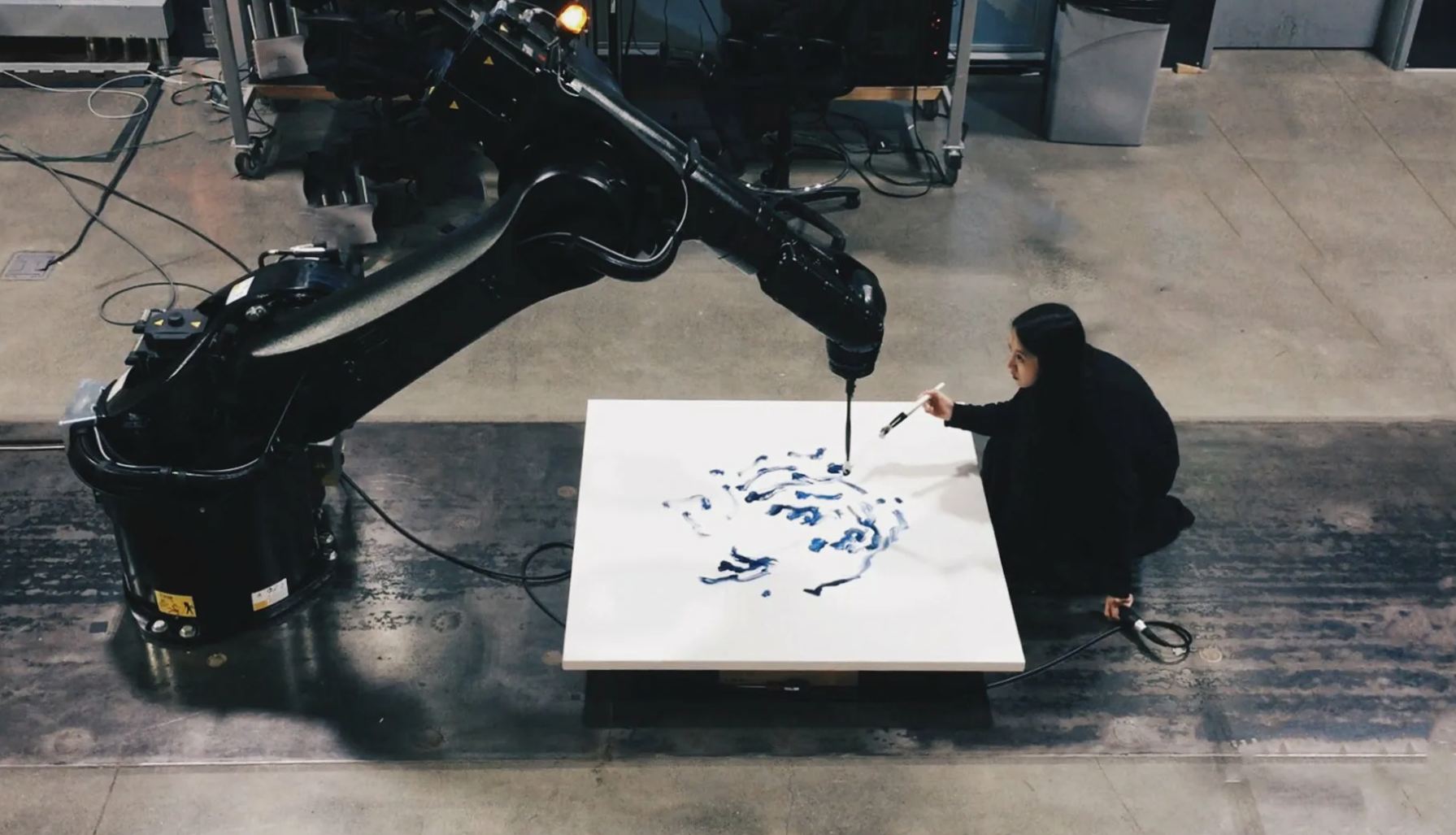
Chung is based in London and is known for combining drawing, artificial intelligence, and robotic systems.
Her practice frequently examines the relationship between human gestures and machine-generated movement.
Spectral was presented at the World Economic Forum in Davos.
The work reflects a central question in contemporary digital art: can artificial intelligence become more than a production tool?
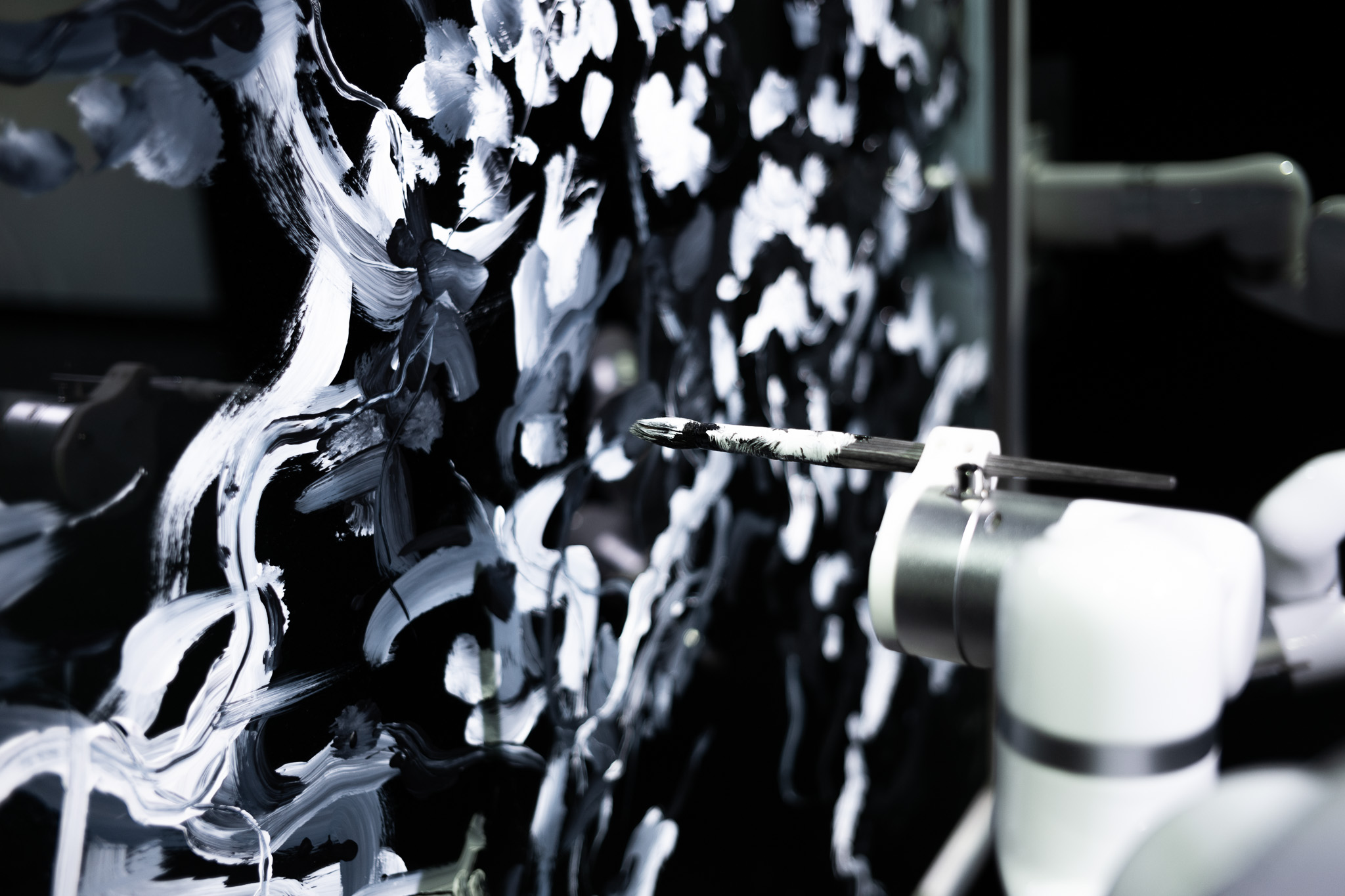
In Chung’s practice, technology does not simply replace the artist’s hand.
It becomes a collaborator.
The human and machine learn from one another, producing images that neither could create independently.
For collectors, works of this kind require attention to both the visible result and the underlying process.
The software, data, robotic systems, and instructions may be as important as the final image.
Emily Xie and Cultural Memory Through Code
Another artist collected by Zhang is Emily Xie.
The New York-based generative artist uses code to create complex visual compositions.
Her work often refers to Asian cultural heritage, textiles, pattern systems, and forms of inherited memory.
Generative art is created through rules established by the artist.
The artist writes code or builds a system that can produce different visual outcomes.
This does not mean the computer makes the artwork independently.
The artist decides the logic, boundaries, aesthetic direction, and conditions under which the image develops.
Collecting generative art therefore involves understanding both authorship and variation.
Some works exist as unique outputs.
Others belong to larger series in which every result is different but generated by the same artistic system.
Digital Art Can Also Have a Physical Form
Zhang does not believe digital art should remain trapped inside a phone or laptop.
He displays works on four screens and plans to add more.
He also collects physical prints and paintings connected with digital projects.
One example involves Alpha Centauri Kid.
Hivemind Digital Culture Fund acquired a digital work by the artist, who also produced five unique physical paintings connected with the series.
One of those paintings is displayed in the Hivemind office.
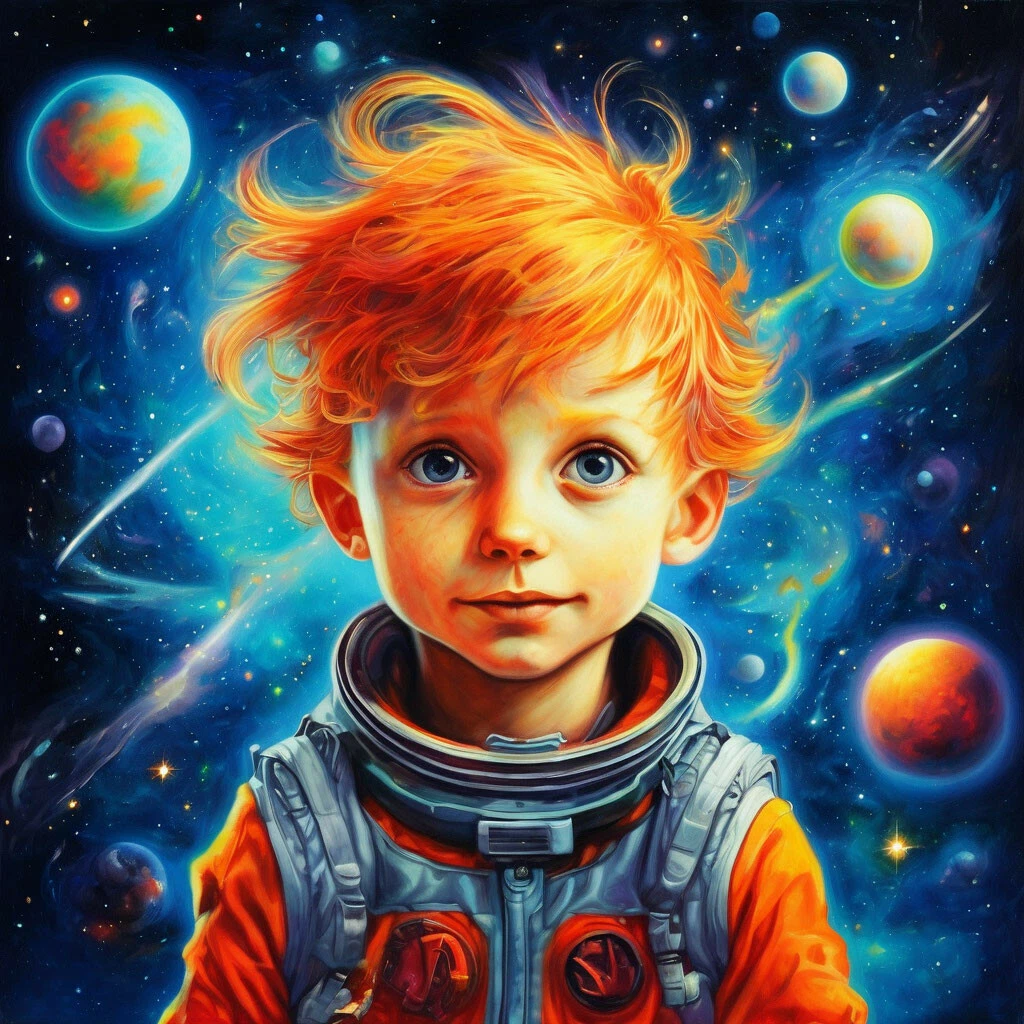
For Zhang, the physical version creates a different experience.
This is an important development in digital collecting.
Many artists now work across both screen-based and physical formats.
A digital artwork may be accompanied by a print, painting, sculpture, custom display, or installation.
Collectors should ask whether these different elements form one work or separate editions.
The answer affects ownership, rarity, and future resale.
Why Traditional Collectors Remain Skeptical
Digital art still faces resistance from many traditional collectors.
One reason is history.
Computer art has existed for approximately half a century, but crypto-native and AI-native practices are much newer.
Collectors are familiar with the conservation of oil paintings, bronze sculptures, and works on paper.
They may feel less confident about files, blockchain wallets, software dependencies, and changing display technologies.
Presentation is another obstacle.
A major digital artwork viewed on a small phone screen may appear less impressive than it does on a large museum display.
Most traditional collectors do not have a 100-inch screen installed in their homes.
The physical infrastructure required to display digital art properly can therefore feel unfamiliar or inconvenient.
The volatility of cryptocurrency has also damaged confidence.
When crypto prices collapsed and speculative NFT projects disappeared, digital art suffered reputational consequences.
Collectors often treated serious artists and purely commercial tokens as part of the same market.
NFTs Are Not the Same as Digital Art
An NFT is a technological record of ownership.
It is not automatically an artwork.
A token may represent access, membership, an image, a collectible, or a financial instrument.
Digital art should be evaluated through artistic quality, context, and historical significance.

The strongest digital works use technology because it is necessary to the concept.
They explore questions such as identity, artificial intelligence, automation, surveillance, virtual environments, online communities, and the future of human creativity.
A weak image does not become important simply because it is stored on a blockchain.
Collectors should therefore separate technical novelty from artistic substance.
Artists Leading the Shift
Zhang identifies several artists as important figures in the current development of digital art.
They include Huang Rui, Emily Xie, Sougwen Chung, XCOPY, Tyler Hobbs, Beeple, and Refik Anadol.
These artists represent different approaches.
XCOPY is associated with crypto-native visual culture and animated digital imagery.
Tyler Hobbs is known for generative systems and algorithmic abstraction.
Beeple, whose real name is Mike Winkelmann, became one of the most visible figures in the NFT boom.
Refik Anadol creates large-scale data and artificial intelligence installations.
The diversity of these practices demonstrates that digital art cannot be understood as one style.
It is a broad field containing many technologies, histories, and artistic intentions.
Zhang’s Biggest Mistake Was Buying Too Much
Zhang believes he followed his instincts well when he began collecting.
He genuinely liked the works he purchased.
His main mistake was buying too broadly and too quickly.
This is a common problem in new markets.
A collector discovers an exciting field, sees many unfamiliar artists, and feels pressure to acquire as much as possible before prices rise.
The result may be a scattered collection with little depth.
Zhang now believes he should have spent more time meeting artists and understanding their motivations.
Personal contact can change the way a collector understands a work.
Knowing why an artist uses a particular technology or visual language creates greater confidence than simply following online popularity.
His advice is clear: buy fewer works and spend more time looking.
Important Works Matter More Than a Long List of Names
A strong collection does not need to include hundreds of artists.
Zhang argues that the best collectors often own significant works by a smaller number of key artists.
This creates depth.
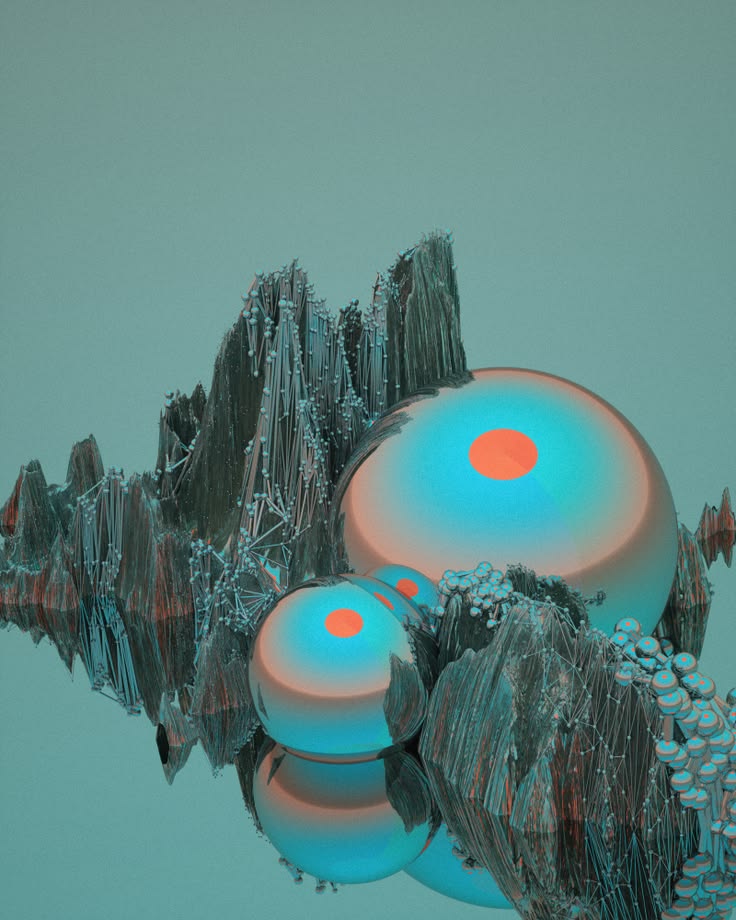
One important work can reveal more about an artist than several minor purchases selected only to cover different names.
Collecting in depth may involve following an artist across several years, technologies, or bodies of work.
The collector begins to understand how the practice changes and which pieces represent true turning points.
This approach also makes the collection easier to explain.
A clear group of important works creates a stronger cultural identity than a random assortment of fashionable projects.
Where to Discover Digital Artists
Digital artists are particularly active online.
X, Instagram, and Discord remain important platforms.
Artists use them to share works in progress, discuss technology, announce releases, and support other artists.
Collectors can learn a great deal by observing these networks.
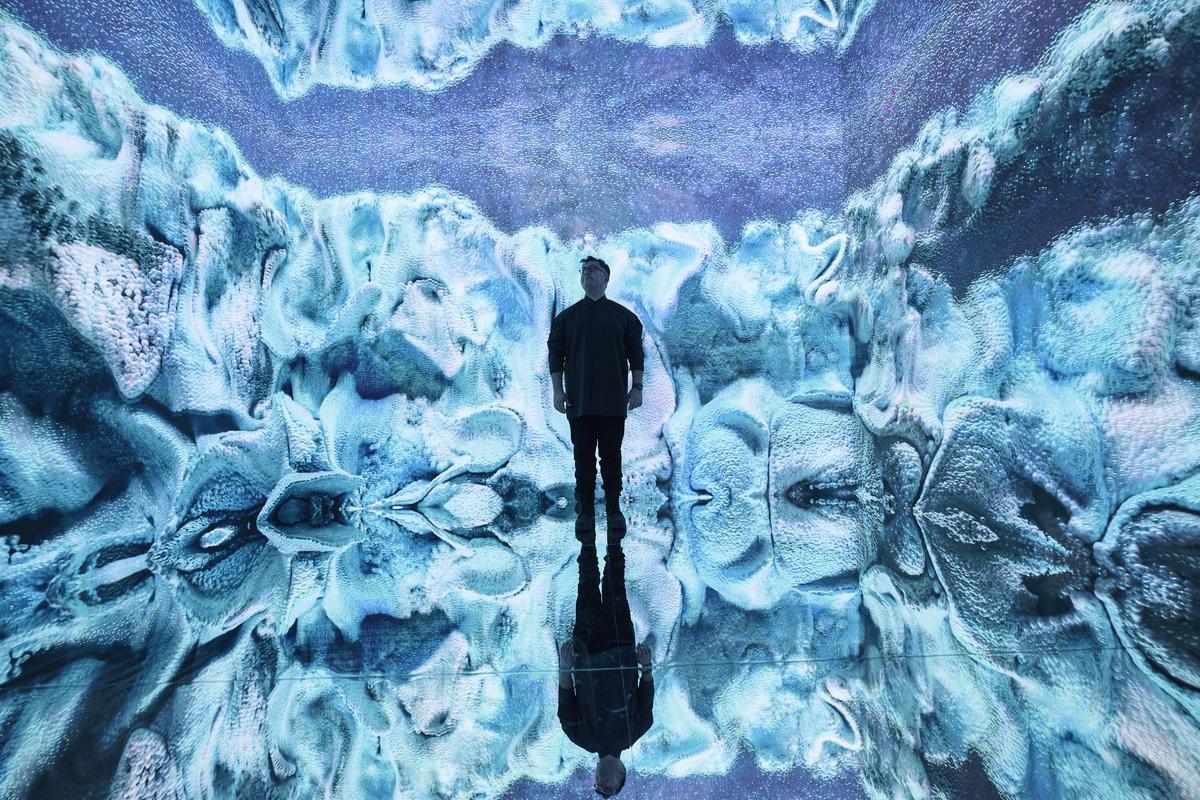
When a respected artist repeatedly discusses another creator, it may reveal emerging talent.
Offline events remain equally important.
Digital artists participate in fairs, exhibitions, conferences, and informal meetings.
Collectors should combine online research with physical experiences whenever possible.
Seeing a large-scale digital work in person can reveal movement, sound, resolution, and spatial impact that are impossible to judge from a phone.
Security and Cold Storage
Digital art requires secure custody.
When NFTs or other blockchain-based assets are stored on-chain, the collector must protect access to the wallet.
Zhang recommends cold storage.
A cold wallet keeps private keys away from internet-connected devices, reducing the risk of hacking.
The principle is similar to protecting a valuable physical painting.
A collector would not place a Basquiat in an unsecured public hallway.
Digital works should receive the same seriousness.
Collectors should maintain backups, document wallet addresses, and create secure succession instructions.
A valuable NFT can be lost permanently if access keys disappear.
Living With Digital Art
Zhang believes art should be visible every day.
This is why he uses screens and physical prints rather than leaving digital works hidden inside a wallet.
Collectors should think carefully about display.
Questions include:
What screen size is required?
Does the work include sound?
Should it run continuously?
Is specialist software needed?
Can the hardware be replaced?
Does the artist provide installation instructions?
Can the file be migrated to future formats?
The collector should also confirm whether a physical print is authorized by the artist.
Printing a digital artwork independently may violate copyright or edition terms.
Do Not Collect Beyond Your Financial Capacity
Zhang advises new collectors not to spend beyond their means.
Digital markets can create strong pressure.
Prices move quickly, online communities generate excitement, and collectors may fear missing an opportunity.
The result can be irrational buying.
A collector should purchase work they would still value if the market price fell dramatically.
Selling a valuable work later can provide funds for new acquisitions.
But resale should not be the original reason for every purchase.
Collectors who enter only for profit are likely to be disappointed.
Editorial Note
ArtExpoWorld believes Matt Zhang’s most valuable lesson is not that NFTs will become profitable again.
It is that digital collectors need the same patience and judgment required in every other part of the art market.
Technology does not remove the need for connoisseurship.
A collector still needs to distinguish a major work from a minor one, an artist from a marketer, and cultural significance from temporary attention.
The strongest digital collections will not be those containing the largest number of tokens.
They will be those that preserve important artistic experiments and document how technology changed human creativity.
Digital art deserves serious collecting, but only when collectors treat it as art rather than a faster form of speculation.