







How to Collect Art With Purpose
Art collecting has often been associated with wealth, taste, and the potential for financial appreciation.
But a collection can do more than bring valuable objects into a private home.
It can support artists whose work is under-recognized, preserve neglected histories, provide artworks to schools and hospitals, encourage public exhibitions, and draw attention to urgent social issues.
This approach is often described as collecting with purpose.
Purpose does not require every artwork to promote a political message or charitable cause. It means understanding why the collection exists and what effect the collector wants it to have.
A purposeful collection may focus on women artists, regional Modernism, environmental art, works addressing motherhood, or artists from communities that remain poorly represented in museums.
It may also be defined by what happens after the purchase.
An artwork can be lent to an institution, included in educational programs, used to support research, or made accessible to people who would not otherwise encounter it.
Collecting During an Uncertain Market
Purpose becomes particularly important during periods of uncertainty.
The global art market declined in 2024, marking a second consecutive year of falling sales.
Economic instability, geopolitical conflict, and uncertainty around trade policies made some collectors more cautious.
At the same time, serious buyers did not disappear.
Collectors continued searching for high-quality works at major fairs, including Art Basel Hong Kong and Art Basel in Switzerland.
Carola Wiese, Senior Art Advisory Specialist at UBS, has observed that committed collectors continue buying in different market conditions.
Many of them arrive with a strategy.
They are not attempting to purchase everything that appears fashionable. They are trying to identify works that fit a longer curatorial direction.
This distinction becomes more important when prices are unstable.
A collector without a clear purpose may follow market excitement during a boom and stop buying during a downturn.
A collector with a defined mission can use quieter periods to research, negotiate carefully, and discover areas that received less attention during the most speculative years.
Price and Value Are Not the Same Thing
Art prices can appear irrational.
A work by a contemporary artist may sell for considerably more than a painting by a major historical figure.
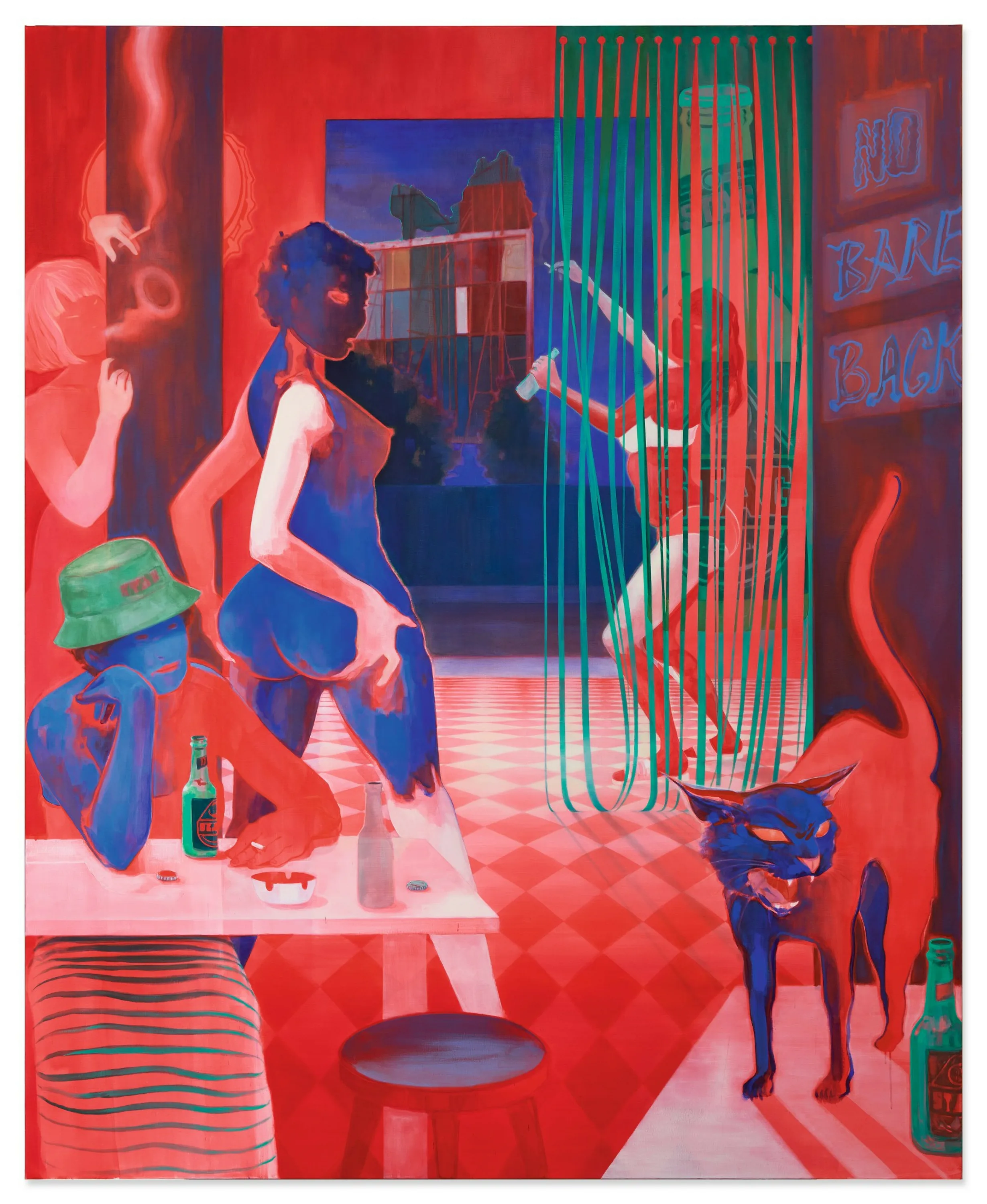
In March 2025, Lisa Brice’s 2018 painting After Embah sold at Sotheby’s in London for £5.4 million, setting an auction record for the South African-born, London-based artist.
Shortly afterward, Pierre-Auguste Renoir’s La leçon d’écriture, created around 1905, sold at Christie’s in Paris for €2.4 million.
A buyer unfamiliar with the market might assume that Renoir must always command the higher price because of his established position in art history.

The market does not operate so simply.
Price can be affected by rarity, condition, scale, subject matter, current demand, gallery representation, availability, and the competition surrounding a specific artist.
Contemporary artists may have limited numbers of major works available while several collectors compete for them.
Historical artists may have larger supplies or uneven quality across different periods of their careers.
Collectors should therefore separate price from value.
Price is the amount required to acquire a work at a particular moment.
Value includes artistic quality, historical importance, personal meaning, rarity, provenance, and the role the work plays inside a collection.
Research Before Accepting a Price
Purposeful collecting still requires financial discipline.
Collectors should compare prices across works of similar size, date, medium, and quality.
Auction databases can provide useful information for artists with a substantial secondary market.
For emerging artists, the gallery should be able to explain its pricing structure.
Ask whether works from the same series have consistent prices and how the artist’s prices have changed over time.
Research should also include exhibition history, institutional collections, and critical writing.
A high price does not automatically indicate quality.
A low price does not necessarily represent an opportunity.
The work must be evaluated within the artist’s wider practice.
Eric Landolt, Head Family Advisory, Art & Collecting at UBS, has noted that serious collectors increasingly compare information from databases, advisors, and other collectors rather than accepting every price immediately.
The purpose of research is not to eliminate uncertainty.
Art is not a standardized financial product.
Research helps the collector understand which risks are reasonable and which claims are unsupported.
Rediscovering Historical Artists
High prices in parts of the contemporary market have encouraged collectors to look backward.
Historical material can offer museum-quality work at prices that appear more rational than those attached to the most fashionable contemporary names.
This does not mean buying any old artwork simply because it is cheaper.
The opportunity often lies in artists or movements that were once respected but later became less visible.
Women artists, artists of color, and artists working outside the dominant centers of Europe and the United States may have strong exhibition histories without equivalent market recognition.

Museums are increasingly placing historical and contemporary artists in conversation.
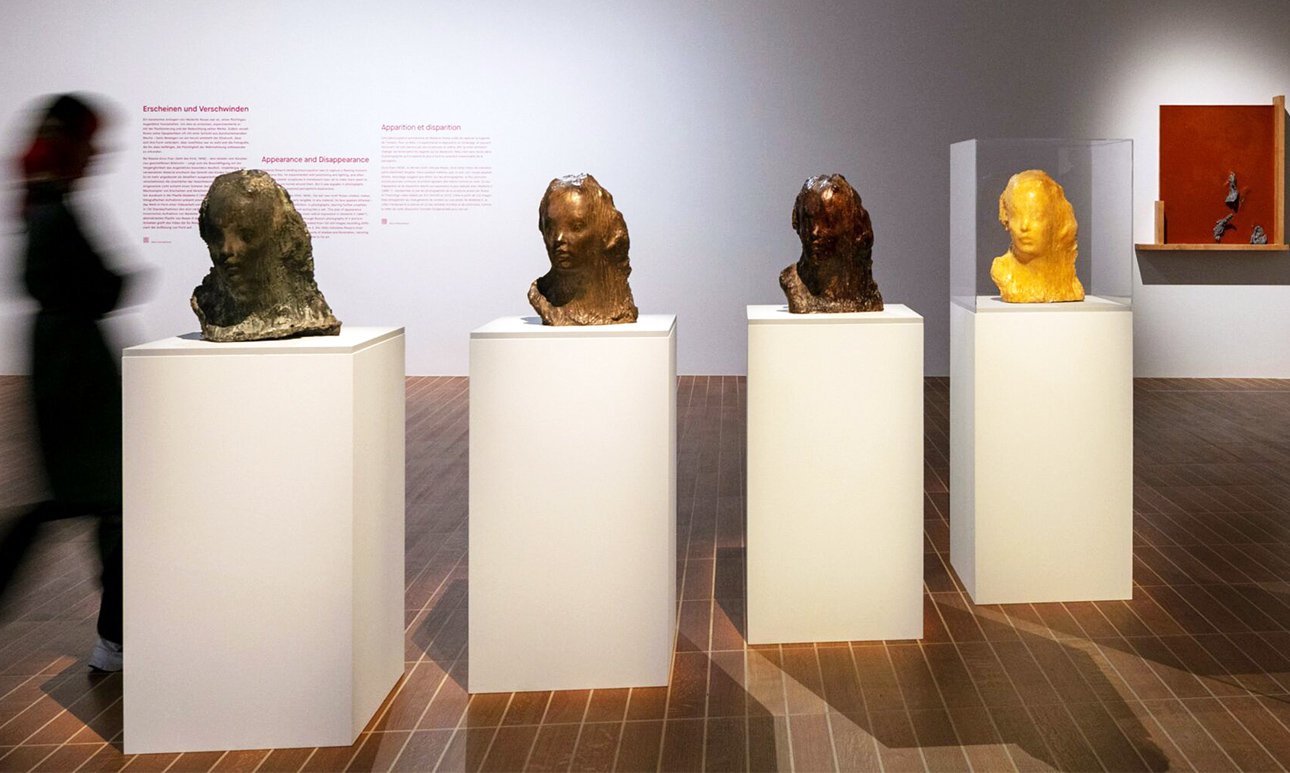
The Kunstmuseum Basel exhibition “Medardo Rosso – Inventing Modern Sculpture” presented the Italian sculptor Medardo Rosso alongside later artists including Lynda Benglis and David Hammons.
Such exhibitions allow collectors to see influence across generations.
They also reveal that art history is not a fixed list of permanently established names.
Collectors can participate in this reassessment by purchasing, researching, and lending works that deserve renewed attention.
Supporting Under-Recognized Artists
Purposeful collecting often begins with identifying an imbalance.
A collector may notice that women artists represent only a small part of a collection.
Another may realize that the art of an entire region is absent.
The goal should not be to fill categories mechanically.
Buying one work by a woman artist or an artist of color does not automatically create a meaningful collection.
The collector needs to study the artist’s practice, understand the historical context, and follow the work over time.
Support may include purchasing more than one period of an artist’s career, lending works to exhibitions, and helping finance publications or archival research.
Collectors can also introduce artists to curators and institutions.
This must be done responsibly.
Collectors should not use cultural causes simply to make their purchases appear morally superior.
The artwork must remain central.
Purpose should deepen the collector’s attention rather than replace artistic judgment.
Lending Art to Schools and Hospitals
A privately owned artwork does not have to remain inside a private home.
Some collectors acquire works with the intention of lending them to schools, hospitals, and other public environments.
Art in educational settings can expose children and young people to artists they may never encounter through formal lessons.
A loan may support discussions about history, identity, materials, and visual communication.
Hospitals and healthcare environments present different possibilities.

Art cannot replace medical treatment, and collectors should avoid making exaggerated claims about healing.
However, carefully selected works may improve an environment, create moments of attention, and support programs concerned with mental health and emotional well-being.
Carola Wiese has encountered collectors who purchase works specifically for these forms of public lending.
The arrangement requires professional planning.
The institution must be able to display the work safely. Insurance, installation, security, environmental conditions, and the duration of the loan should be documented.
The collector should also consider whether the artwork is appropriate for the audience and location.
Art Addressing Motherhood and Care
Motherhood has often been treated as a secondary or private subject in art history.
Artists who focused on pregnancy, domestic labor, childcare, and the physical realities of motherhood were sometimes dismissed as overly personal.
Collectors are increasingly recognizing that these subjects are connected with larger questions of work, gender, identity, and social structure.
A collection focused on motherhood can include historical and contemporary approaches.
It may examine idealized images of mothers, the absence of maternal experience from institutions, or the conflict between artistic careers and caregiving responsibilities.
Care can also become a broader theme.
Artworks may address disability, aging, mental health, community support, and the invisible labor required to sustain families and societies.
Purposeful collecting allows these subjects to be treated as serious cultural material rather than marginal themes.
Environmental and Climate-Focused Art
Climate change has become an important area for artists and collectors.
Some artists document damaged landscapes, pollution, and disappearing ecosystems.
Others use data, sound, video, biological materials, or public interventions to examine environmental systems.
A collector interested in climate art needs to look beyond images that are simply visually attractive.

The strongest works may question consumption, extraction, colonial history, and the relationship between technology and nature.
Collectors should also consider the environmental impact of their own activities.
International shipping, climate-controlled storage, and frequent travel can carry substantial environmental costs.
A climate-focused collection loses credibility if its management ignores these issues entirely.
Purpose can influence practical decisions: consolidating shipments, using local storage, supporting sustainable exhibition practices, and lending works regionally when possible.
Prints, Multiples and Photography as Accessible Entry Points
Collecting with purpose does not require unlimited wealth.
Prints, multiples, and editioned photographs can offer access to important artists at lower prices than unique paintings and sculptures.
An edition is not automatically less serious than a unique work.
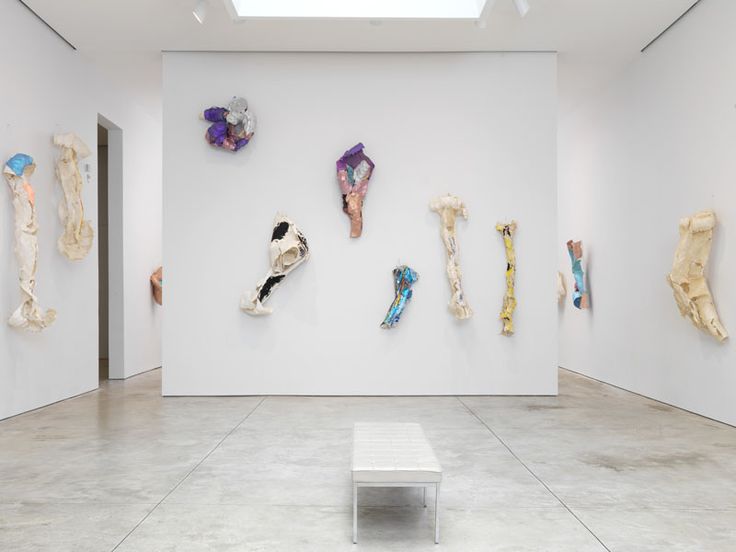
Many major artists use printmaking, photography, and multiples as central parts of their practice.
The collector should understand the edition size, production method, condition, and whether additional artist’s proofs exist.
A well-chosen print can be more significant than a minor painting purchased only because it is unique.
Editioned work can also allow a collector to develop a focused collection around a social subject, artistic movement, or regional history without competing at the highest price levels.
Write a Collecting Mission
A collector does not need a formal constitution, but a short written mission can create clarity.
The mission might answer several questions:
Why are you collecting?
Which artists, periods, regions, or ideas interest you?
What do you want the collection to contribute?
Will works be displayed privately, lent publicly, or eventually donated?
How will you support artists beyond purchasing?
The mission should guide rather than imprison the collection.
Unexpected discoveries remain essential.
A collector may begin with one theme and later recognize connections with other movements or mediums.
Purpose gives the collection a direction while leaving room for curiosity.
Build Relationships, Not Just Holdings
A purposeful collection develops through relationships.
Collectors should speak with artists, gallerists, curators, conservators, researchers, and other collectors.
These conversations can reveal how works are made, preserved, and understood.
Long-term relationships also make it easier to support projects that are not immediately commercial.
A gallery may seek help with an artist’s publication. A museum may need a loan. An archive may require funding for preservation.
The collector can decide which opportunities fit the collection’s mission.
Patronage does not require controlling the artist.
Support should not give collectors authority over creative decisions or institutional interpretation.
The strongest patronage allows artists and curators to work independently.
Think About the Collection’s Future
Purpose also concerns legacy.
What happens to the collection when the owner can no longer manage it?
Will family members understand its significance?
Could the collection be divided, sold, donated, or placed inside a foundation?
Collectors should maintain accurate inventories, invoices, provenance information, condition reports, and insurance records.
They should also document why particular works were acquired.
Without this information, a carefully developed collection can become a group of unrelated assets during estate administration.
A legacy plan does not need to promise that every work will enter a museum.
Many institutions cannot accept entire private collections.
A realistic plan may combine donations, long-term loans, sales, and support for research.
Editorial Note
ArtExpoWorld believes collecting with purpose can transform a private activity into a form of cultural participation.
A collector can help overlooked artists, support exhibitions, and make works available to schools, hospitals, and public institutions.
However, purpose should not become a fashionable label placed on an otherwise conventional investment strategy.
Buying art about climate change does not automatically make a collection environmentally responsible. Purchasing women artists does not correct historical inequality unless the collector also supports research, visibility, and long-term careers.
The most convincing purposeful collections are built slowly.
Their mission can be seen in the consistency of the acquisitions, the treatment of artists, and the way privately owned works are shared with others.
A collection matters not only because of what it contains, but because of what it makes possible.