








Cho & Kim Collection: When Collecting Becomes a Shared Life
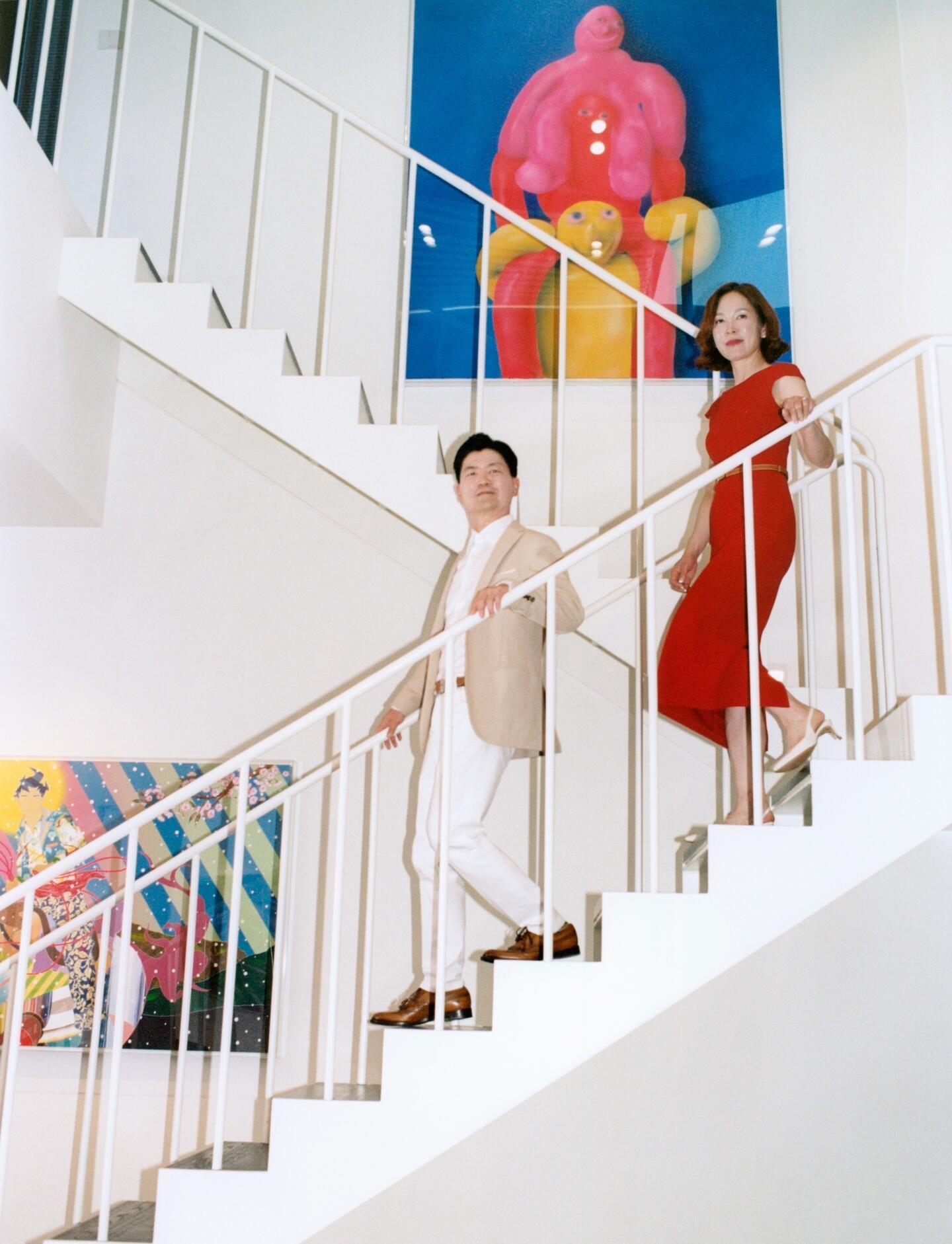
Jaeyong Cho and Hyunji Kim did not plan to build a private museum.
Their collection began modestly.
About 15 years ago, Kim started buying small artworks to decorate her clinic in Daegu, South Korea.
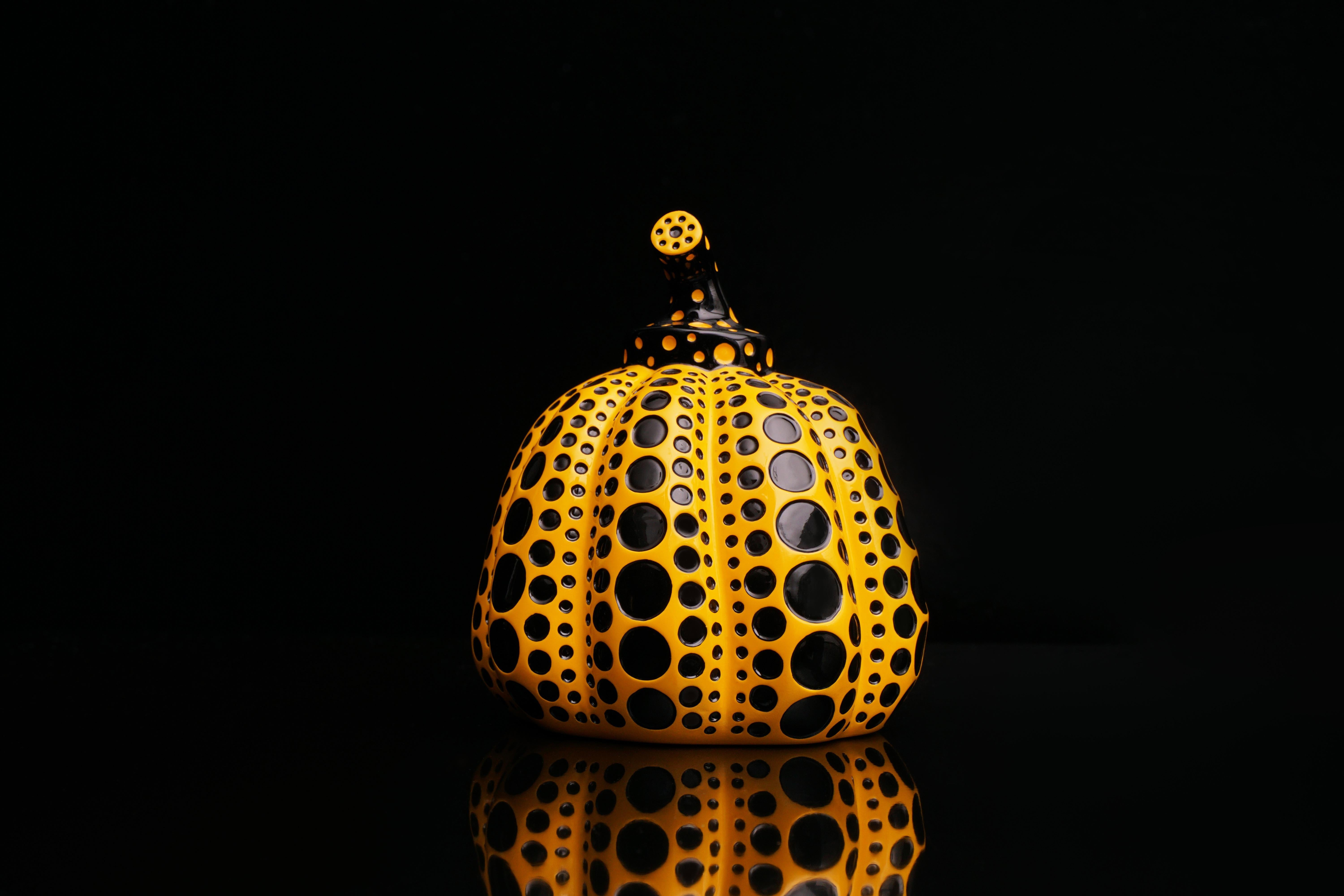
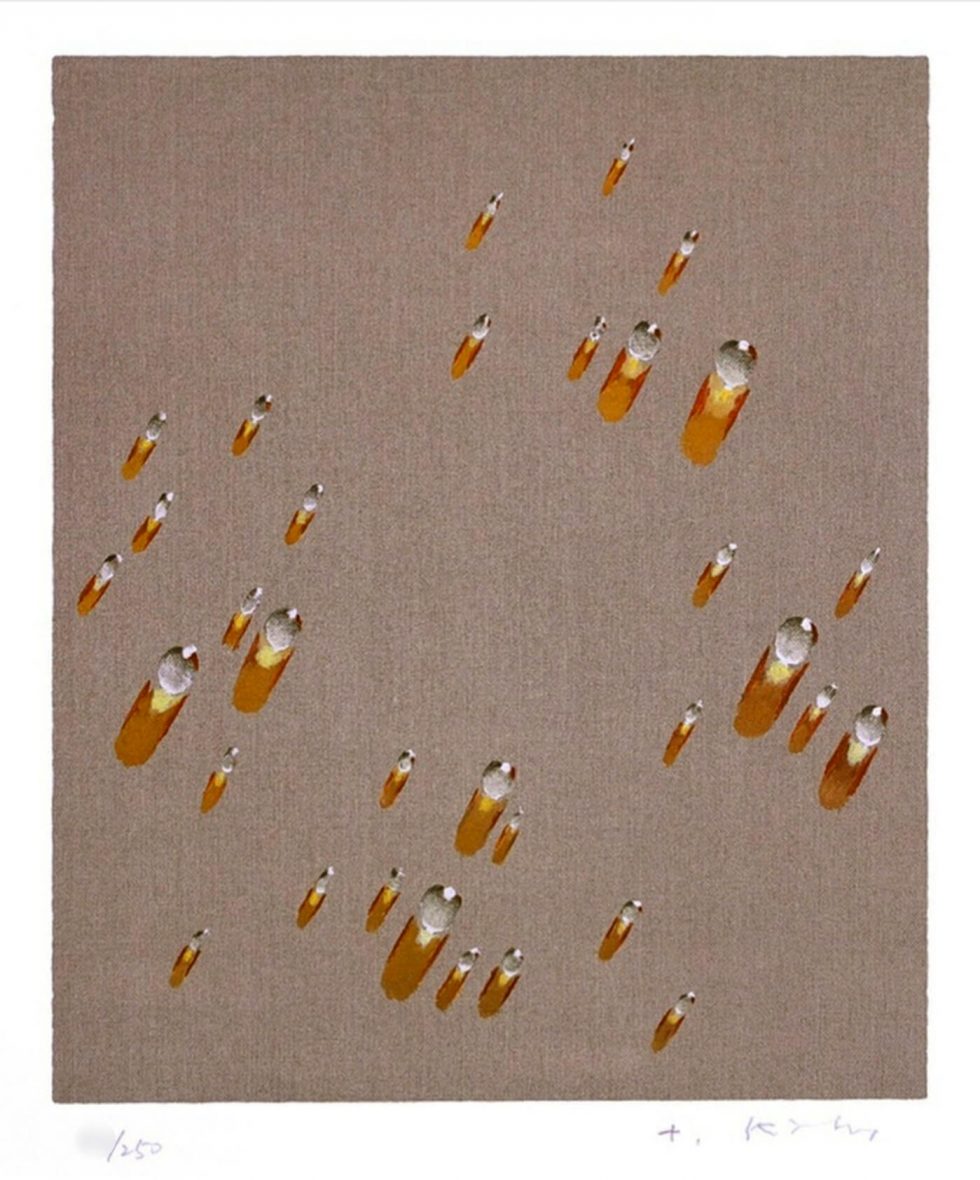
The early acquisitions included prints and small sculptures by Yayoi Kusama and prints by Korean artist Kim Tschang-yeul.
What began as interior decoration gradually grew into something much larger.
The couple discovered a community of experienced collectors in Daegu.
They began studying art seriously.
They traveled to fairs and museums.
They learned to trust their own judgment.
Eventually, their collection expanded to include Damien Hirst, Lee Ufan, Takashi Murakami, Urs Fischer, Anish Kapoor, Nam June Paik, Pierre Huyghe and other internationally important artists.
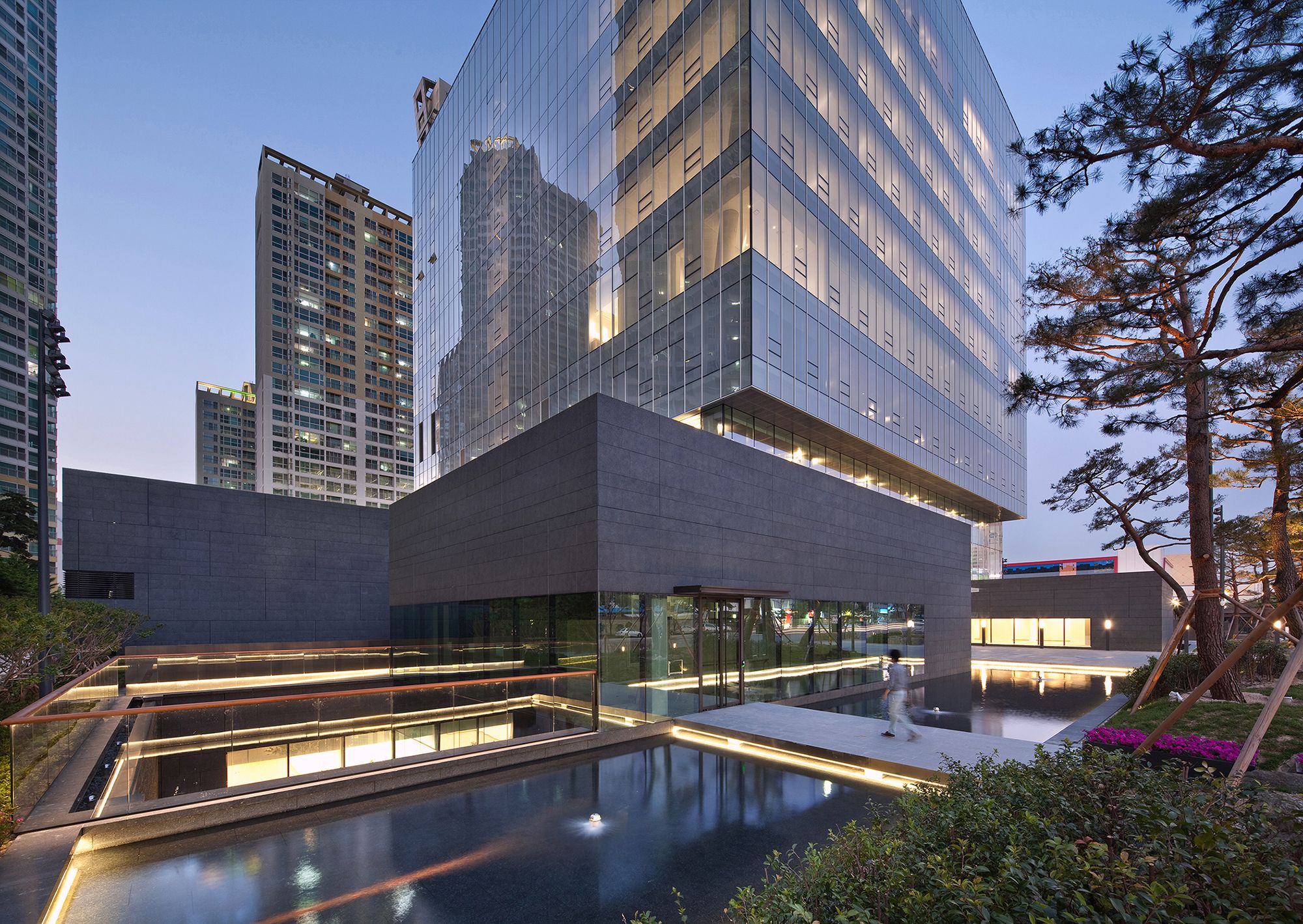
Today, the Cho & Kim Collection exists inside a specially created home and museum.
The couple’s long-term ambition is to transform it into a community institution.
The Collection Began Inside a Clinic
Many collections start without a grand plan.
Kim initially purchased works to improve the environment of her clinic.
Yayoi Kusama’s prints and small sculptures brought recognizable color, pattern and energy.
Kim Tschang-yeul’s prints connected the collection to one of the most important Korean artists of the postwar period.
These works were not chosen as the foundation of a future museum.
They were objects the couple wanted to live with.
This is often how collecting grows naturally.
One acquisition sparks curiosity.
The collector begins researching the artist.
That research leads to another movement or gallery.
The collection expands from visual enjoyment into a broader intellectual world.
Misu-hoe Introduced Them to Serious Collecting
A decisive moment came when the couple discovered Misu-hoe.
The group brings together veteran collectors based in Daegu.
Attending its gatherings exposed Cho and Kim to discussions they had never encountered before.
Experienced collectors talked about artists, museums, galleries and the logic of building a collection over time.
This changed the couple’s ambitions.
Collecting stopped being just a hobby.
It became a serious shared pursuit.
Collector groups can play an important role in developing regional art scenes.
They create knowledge outside formal institutions.
New buyers gain access to people who have already made mistakes, built relationships and learned how the market works.
Learning to Trust Their Own Eyes
In the beginning, Cho relied heavily on external opinions.
Media coverage, critics and experienced collectors influenced decisions.
This caused uncertainty.
If everyone else approved of an artist, was he supposed to approve as well?
Eventually, Cho realized that serious collecting requires independent judgment.
Knowledge is necessary, but authority cannot be fully outsourced.
A critic can explain why an artist matters.
A gallery can explain the market.
Another collector can recommend a work.
The buyer still needs to decide whether the artwork belongs in their own collection.
Cho and Kim gradually learned to trust the intuition developed through research and experience.
Art Basel Hong Kong Changed the Scale of the Collection
In 2013, the couple learned about Art Basel Hong Kong and decided to visit.
The experience significantly changed their collecting.
At the fair, they encountered Zeng Fanzhi’s The Christ Child, created in 2012.
The reaction was immediate.
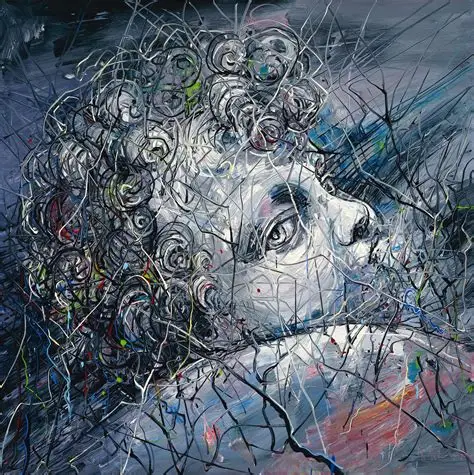
They felt a powerful emotional connection with the painting.
The couple does not have children.
They began describing artworks in their collection almost as children they had chosen to care for.
The metaphor reveals how personally they approach ownership.
Works are not simply financial assets.
They become permanent members of the household.
Major Artists Acquired Through Art Basel Hong Kong
Many of the most important works in the Cho & Kim Collection were acquired through Art Basel Hong Kong.
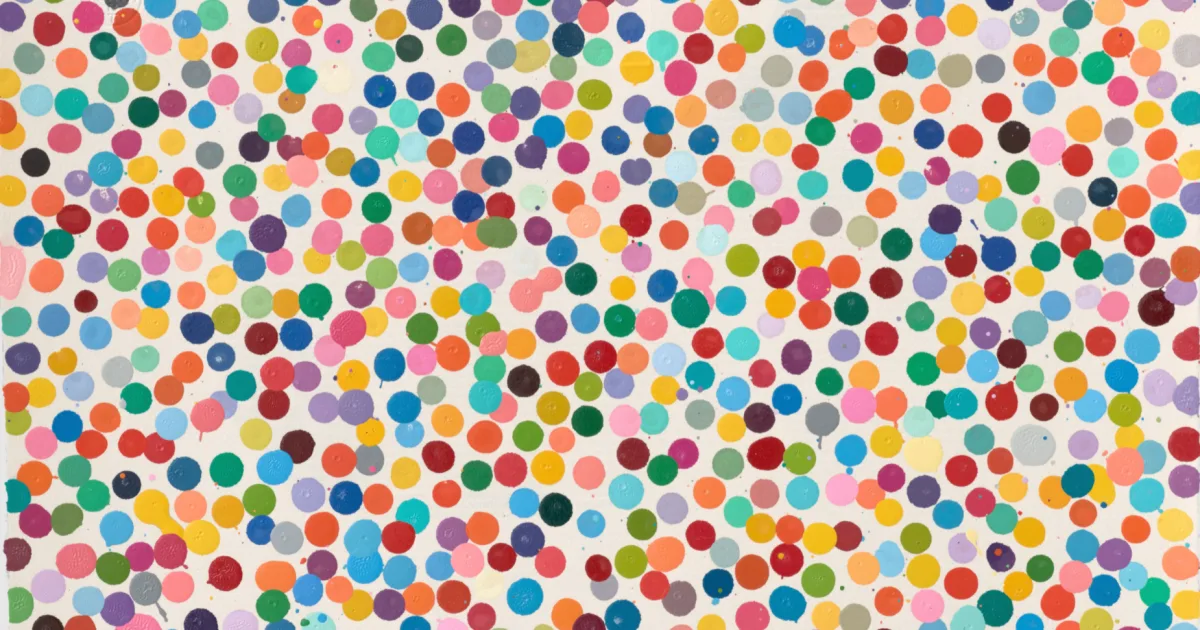
The collection includes works by Damien Hirst, Yayoi Kusama, Lee Ufan, Takashi Murakami, Urs Fischer, Anish Kapoor, Nam June Paik and Pierre Huyghe.
These artists represent very different histories.
Hirst became one of the defining figures of the Young British Artists.
Kusama developed a language of repetition, infinity and psychological experience.
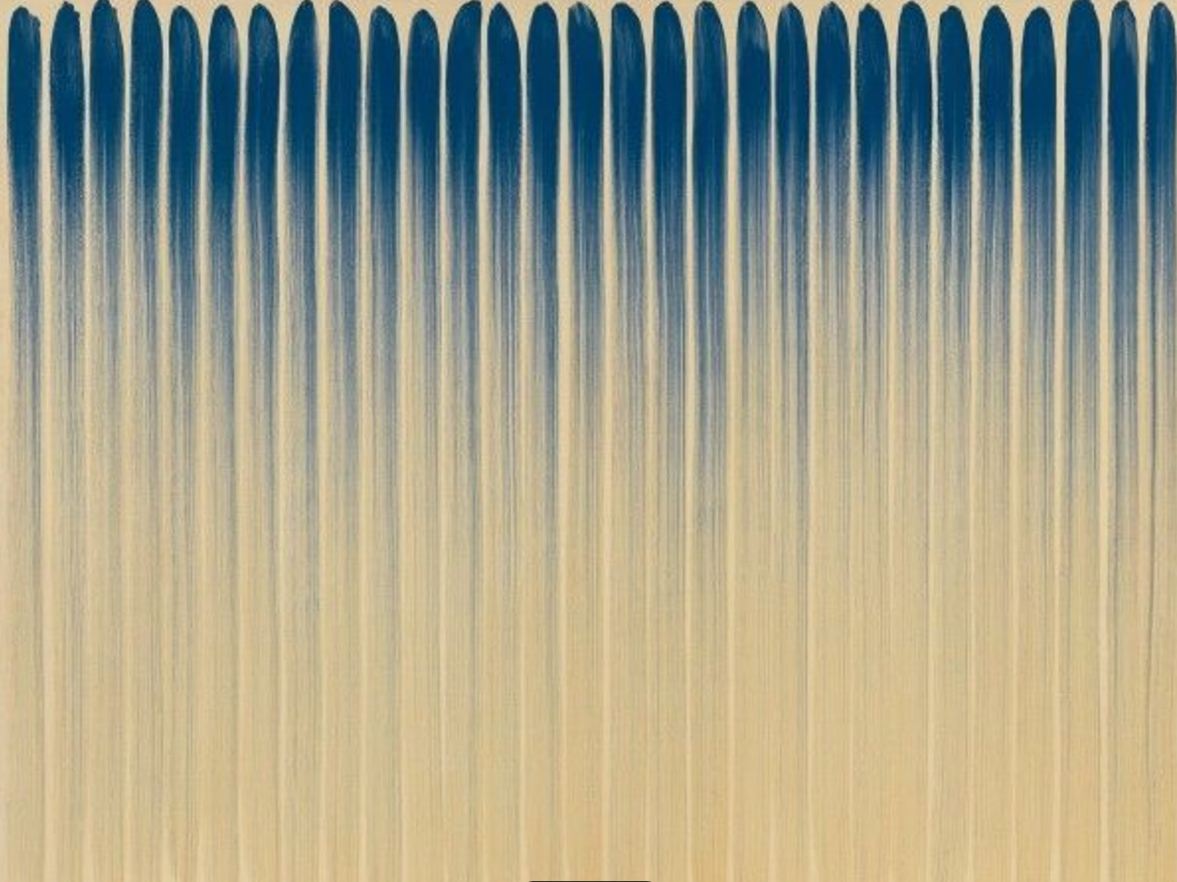
Lee Ufan became central to Mono-ha and postwar East Asian abstraction.
Murakami merged Japanese popular culture and fine art.
Anish Kapoor transformed contemporary sculpture through scale, surface and perception.
Nam June Paik helped establish video as a major artistic medium.
Pierre Huyghe works across film, installation, technology and living systems.
The collection therefore extends far beyond a single visual style.
From Investment Diversification to Art
During the first decade of collecting, Cho and Kim treated art as one part of a broader financial portfolio.
Their savings were divided among stocks, insurance and real estate.
Over the past several years, their focus shifted dramatically.
Art became their dominant passion.
They began reading magazines, attending collector salons, visiting galleries every weekend and planning vacations around major fairs.
Travel itself changed.
A city was no longer just a holiday destination.
Museums and galleries became essential parts of the itinerary.
This shows how collecting can reshape everyday life.
Nam Tchun-Mo and Dansaekhwa
One artist particularly admired by the couple is Nam Tchun-Mo.
He is associated with Dansaekhwa, the Korean monochrome movement.
Dansaekhwa artists are often known for repeated gestures, limited palettes and labor-intensive surfaces.
Nam Tchun-Mo approaches the tradition differently.
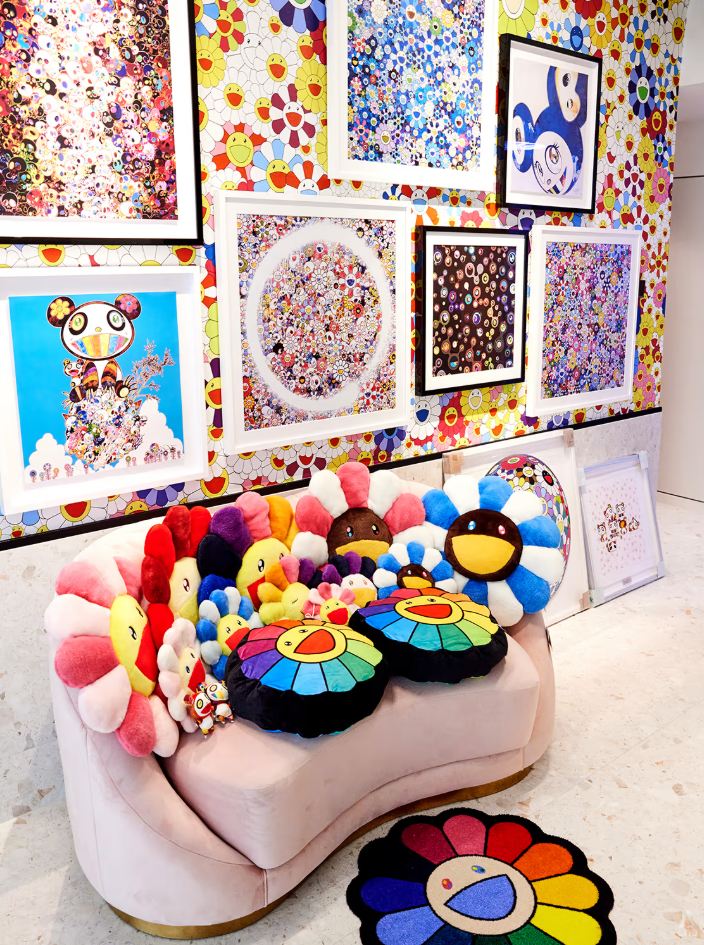
His lines can feel spontaneous and energetic.
Rather than using repetition to create meditative uniformity, he introduces stronger movement and variation.
For collectors interested in Korean art, Dansaekhwa has become an important international market.
The challenge is to understand differences between individual artists rather than treating the movement as one interchangeable style.
Tomokazu Matsuyama and Pop Energy
Hyunji Kim has a strong interest in Pop Art and color.
This helps explain the couple’s attraction to Tomokazu Matsuyama.
The Japanese artist creates complex compositions filled with bright colors, decorative patterns and figures drawn from multiple cultural references.
His work reflects a life shaped by Japan and the United States.
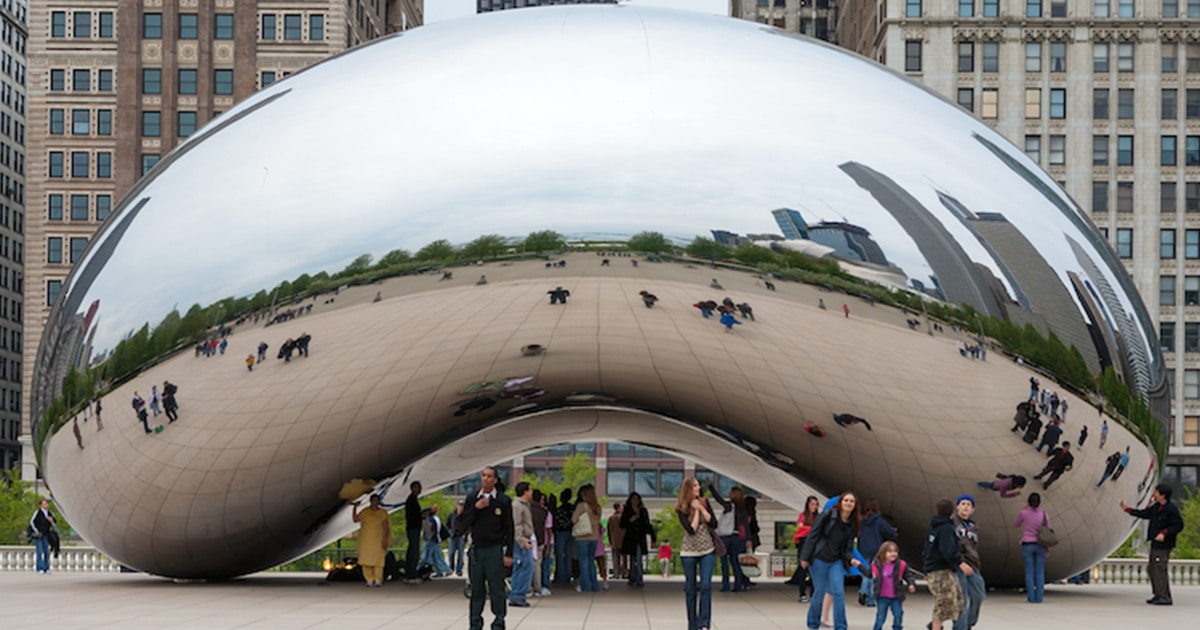
Traditional visual languages appear alongside contemporary fashion, advertising and popular culture.
The couple followed Matsuyama from relatively early in his New York career.
This long-term attention is an important part of collecting.
It allows buyers to understand how an artist develops rather than discovering the practice only after market recognition arrives.
Etsu Egami and a Younger Generation
The couple is also interested in Etsu Egami.
Born in the 1990s, the Japanese artist creates paintings using expressive color and blurred figurative forms.
Her portraits often appear simultaneously present and distant.
Figures emerge from energetic brushstrokes while retaining a sense of isolation.
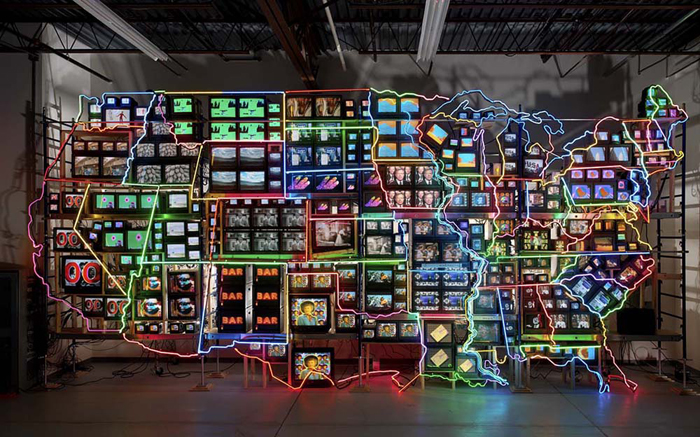
For Cho, this emotional ambiguity is particularly compelling.
Including younger artists alongside established figures keeps a collection active.
A museum-quality collection does not need to consist entirely of artists whose historical positions are already secure.
Supporting younger artists introduces uncertainty and discovery.
Xiyao Wang Bridges Two Different Tastes
Kim acquired a painting by Chinese artist Xiyao Wang.
Cho believes the work connects their different preferences.
Wang is known for paintings where sweeping lines and fields of color suggest movement through space.
Her compositions can feel gestural while remaining carefully controlled.
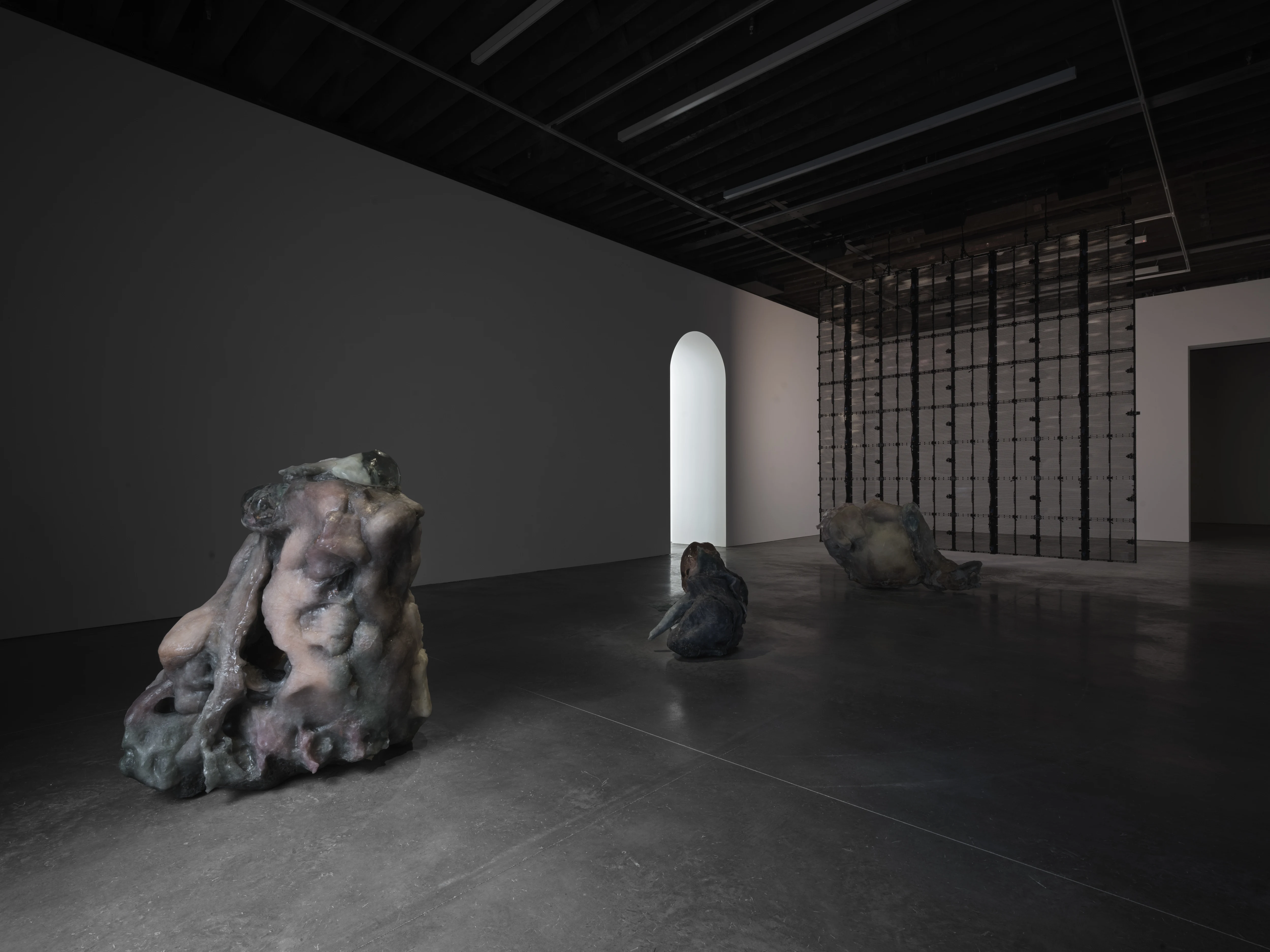
A collection built by two people requires compromise.
The strongest solution is not alternating between completely separate tastes.
It is finding works that create genuine overlap.
Xiyao Wang became one of those bridges.
Discovering Zio Ziegler in Miami Beach
The couple encountered American artist Zio Ziegler at Almine Rech during Art Basel Miami Beach.
Ziegler’s paintings combine dense patterns, figures and references to different historical styles.
Cho recognized connections with Francis Bacon, Jackson Pollock and Pablo Picasso.
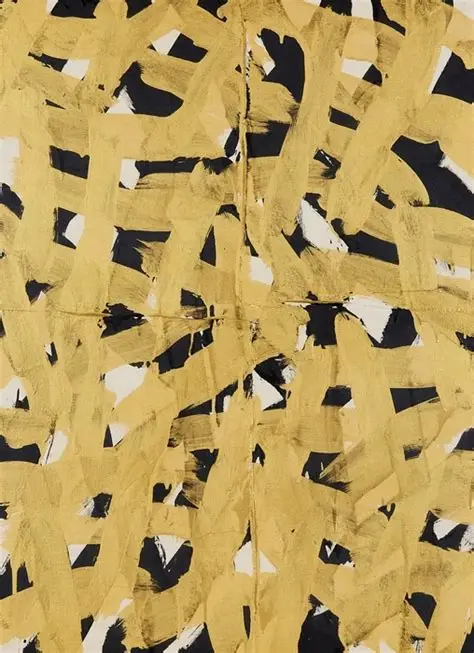
Discovering an artist through a gallery booth can become the start of deeper research.
The fair provides the first encounter.
The collector then needs to examine earlier work, exhibitions and the evolution of the practice.
Names such as Bacon, Pollock and Picasso may provide useful comparisons, but they should not become shortcuts for judging quality.
Building a Home Around Art
The couple eventually decided to create a space combining their residence and collection.
The result became the Cho & Kim Collection.
Designing a building around artworks creates opportunities unavailable in an ordinary house.
Wall dimensions can be planned for major paintings.
Lighting can be controlled.
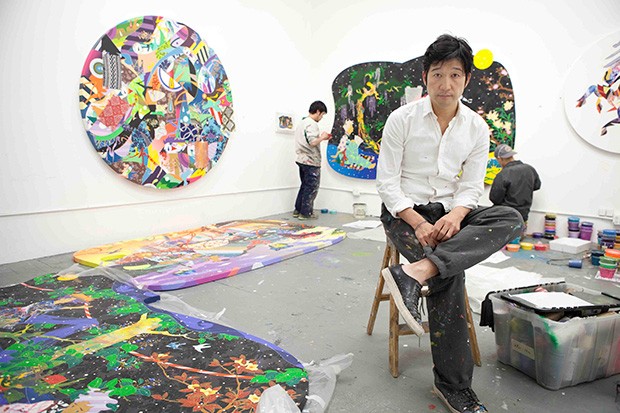
Large sculptures can be incorporated into the architecture.
Storage can be integrated professionally.
At the same time, the building still needs to function as a home.
The challenge is to avoid creating a museum where daily life becomes impossible.
Cho and Kim wanted both.
They wanted to live inside the collection.
Installation Was More Difficult Than Expected
Building the space created numerous practical challenges.
Construction, transport and installation were complicated.
Selecting which works to display was emotionally difficult.
When collectors love many objects equally, choosing what goes into storage can feel almost unfair.
This problem becomes inevitable as collections grow.
Wall space is limited.
Rotation becomes part of curating.
A work temporarily removed from display is not less important.
It may return later in a different context.
Once the couple finally moved into the completed building, the difficulties were outweighed by the pleasure of being surrounded by art.
The Collection Strengthened Their Relationship
Cho and Kim describe collecting as something that deepened their marriage.
They visit exhibitions together.
They discuss purchases.
They travel around art.
The collection became a shared intellectual project.
This does not mean couples always agree.
Joint collecting can create conflict when taste, budget or priorities differ.
Cho and Kim say their acquisitions ultimately come through mutual agreement.
The process requires conversation.
An artwork purchased by one partner affects the space and finances of both.
From Private Home to Community Museum
Their long-term goal goes beyond private enjoyment.
Cho and Kim hope the collection will eventually develop into a community museum.
This would transform the project again.
A private home serves its owners.
A public institution requires education, staff, conservation, safety and programming.
The collection would need to communicate with visitors who do not share the couple’s personal memories.
If successful, the transformation could give Daegu another cultural institution rooted in private collecting.
Editorial Note
ArtExpoWorld believes the most interesting part of the Cho & Kim story is how slowly the collection’s identity emerged.
It began with small decorative purchases.
Then came collector communities, education, international fairs and major artists.
Only after years of experience did the idea of a museum appear.
This sequence matters.
Too many collectors imagine the institution before the collection has developed a real personality.
Cho and Kim allowed the opposite to happen.
The collection created the need for the space.
Their relationship with Misu-hoe also highlights the importance of collector communities outside the world’s largest art capitals.
Daegu may not dominate international art-market headlines, but knowledgeable local collectors can create cultural infrastructure of their own.
If the Cho & Kim Collection eventually becomes a community museum, its strongest foundation will not be the famous names on the walls.
It will be the years of shared learning that produced them.