







Cheng Cheng: When an Art Collection Becomes a Family Memory
For Chinese collector Cheng Cheng, collecting began with loss.
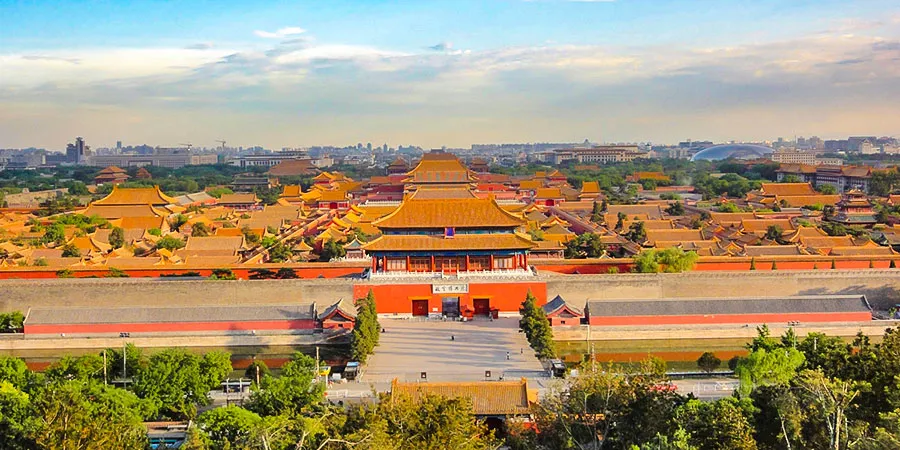
Her father spent three decades working at the National Art Museum of China in Beijing.
Although he came from a military background, art became a central part of his life.
He collected works, studied artists, and wanted his daughter to understand painting from childhood.
He was strict.
He insisted that Cheng learn to paint.
Years later, after suffering a stroke, he began speaking more urgently about his collection and his desire to share it publicly.
He hoped to organize an exhibition.
He died in 2020 before that exhibition could happen.
Cheng decided to preserve the project in another form.
She created a book about her father’s collection.
During the process, something unexpected happened.
Researching his artworks turned Cheng herself into a collector.
The collection stopped being only an inheritance.
It became a family tradition she wanted to continue.
Growing Up Around the National Art Museum of China
Cheng’s connection with art was established long before she became a buyer.
Her father worked at the National Art Museum of China for approximately 30 years.
The institution is one of the most important museums in Beijing.
Growing up around someone professionally connected with art meant that exhibitions, artists, and collecting were familiar parts of family life.
However, familiarity does not automatically create passion.
Parents can expose children to art without knowing whether those children will later choose collecting themselves.
Cheng’s father attempted to provide technical understanding by insisting that she learn painting.
Only later did she understand how deeply his influence had shaped her.
A Stroke Changed the Conversation About Legacy
After Cheng’s father suffered a stroke, his attitude toward the future of the collection became more urgent.
Collectors often postpone legacy planning.
There is always another exhibition, acquisition, or project.
Illness can suddenly make time feel limited.
Her father wanted to organize an exhibition that would allow others to see the works he had assembled.
He did not complete that ambition before his death.
The unfinished plan became Cheng’s responsibility.
Why Cheng Chose a Book Instead of an Exhibition
An exhibition exists temporarily.
A book can remain for decades.
Cheng therefore decided to document her father’s collection through publication.
She spent approximately three months researching and editing the project.
This process forced her to study the collection in depth.
She needed to understand the artists, dates, histories, and relationships between works.
That research changed her perspective.
The collection was no longer simply something her father owned.
It became a record of his intellectual and emotional life.
Through documenting it, Cheng discovered the pleasure of collecting for herself.
An Inheritance Can Transfer Passion, Not Just Property
The most important thing Cheng believes her father left behind was not financial value.
It was enthusiasm.
This distinction matters.
An inherited collection without context can become a burden.
An inherited collection accompanied by stories, knowledge, and curiosity can become the beginning of another generation’s relationship with art.
Cheng chose to continue collecting rather than simply preserve what already existed.
This allows the family legacy to evolve.
Her taste does not need to be identical to her father’s.
Continuity comes through the act of collecting itself.
Xiaohongshu Became Part of the Collecting Process
Cheng enjoys sharing new acquisitions.
She discusses works with friends and posts about collecting on RED, also known as Xiaohongshu.
This reflects an important generational shift.
Earlier collectors often valued secrecy.
Contemporary collectors may document acquisitions publicly and build communities through social media.
Platforms such as Xiaohongshu, Instagram, and WeChat allow collectors to discuss artists immediately.
This visibility can support artists.
It can also create hype.
Collectors therefore need to distinguish sharing enthusiasm from promoting speculation.
Tian Heng Introduced Huang Yuxing’s Vortex
Relationships played an important role in the early development of Cheng’s collection.
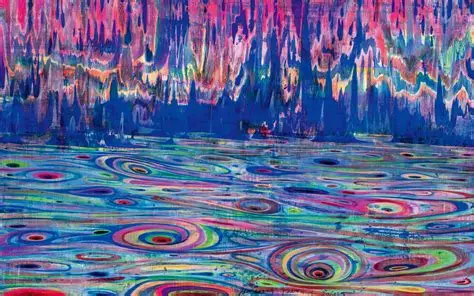
Auction specialist Tian Heng introduced her to Huang Yuxing’s Vortex, created in 2015.
The painting became a significant early acquisition.
Huang Yuxing is known for intensely colored paintings that often transform landscapes, rivers, bubbles, and architectural forms into dreamlike environments.
His work can combine almost fluorescent color with a sense of psychological depth.
For Cheng, discovering an important work through a trusted specialist showed how collecting networks function.
The relationship gives access.
The collector still needs to make the final judgment.
Guan Dongyuan Became an Important Mentor
Another influential figure was fellow collector Guan Dongyuan.
Before Cheng began collecting seriously, she visited him with a bottle of wine.
Their conversation had a lasting effect.
Experienced collectors can provide information impossible to obtain from auction databases.
They can explain why certain purchases were mistakes.
They can discuss galleries, artists, and changing markets.
Perhaps most importantly, they can teach new collectors how to look.
Cheng continues meeting friends to discuss developments in the art world.
Collecting becomes social education.
Cheng Wants to Know Every Work Personally
Cheng says she is deeply familiar with every artwork she owns.
She studies the artist’s concepts and biography.
This approach sets an important standard.
A large collection can become detached from its owner.
Advisors make decisions, warehouses hold works, and the collector remembers only famous names.
Cheng’s model is more intimate.
She wants to understand the human story behind the artist.
This is especially important because many of the Chinese artists she collects belong to roughly the same generation.
Their experiences overlap with her own.
Xie Nanxing and Shared Generational Experience
Xie Nanxing is among the Chinese artists represented in Cheng’s collection.
Born in the 1970s, Xie developed a painting practice known for psychological ambiguity, blurred imagery, and complex relationships with photography and visual memory.
For Cheng, artists of a similar age are particularly compelling.
They grew up through comparable periods of rapid social and economic transformation in China.
This creates emotional recognition.
Collecting can therefore become a form of generational autobiography.
The collector is not only documenting artists.
The artworks indirectly document the collector’s own era.
Seven Portraits by Xiao Jiang
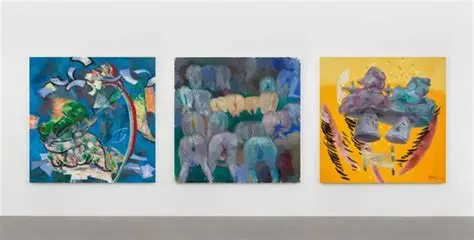
Cheng owns seven portraits by Xiao Jiang.
She has a particular interest in portraits showing people from behind.
Faces can communicate deliberately.
People control expressions.
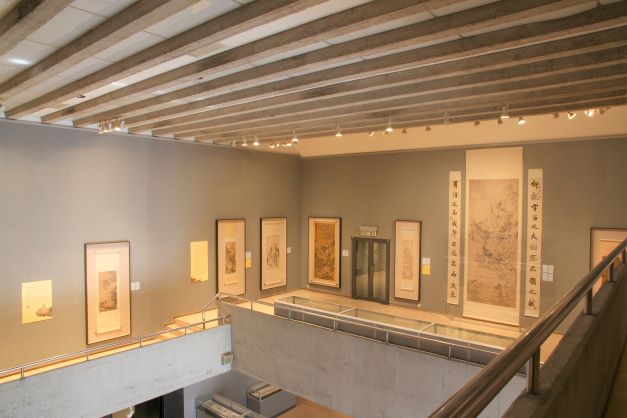
A back feels more anonymous and, for Cheng, more honest.
The viewer is forced to imagine the person.
This creates a different psychological relationship.
Collecting several works by one artist also allows Cheng to build depth.
Instead of owning one representative example, she can compare how the artist approaches the same subject repeatedly.
Qi Xing’s Trotsky & Frida
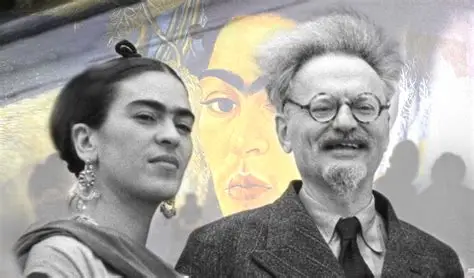
Another recent acquisition was Qi Xing’s Trotsky & Frida, created in 2022.
The painting refers to the relationship between Leon Trotsky and Frida Kahlo.
Their affair took place during Trotsky’s exile in Mexico.
The historical story brings together politics, revolution, art, and personal desire.
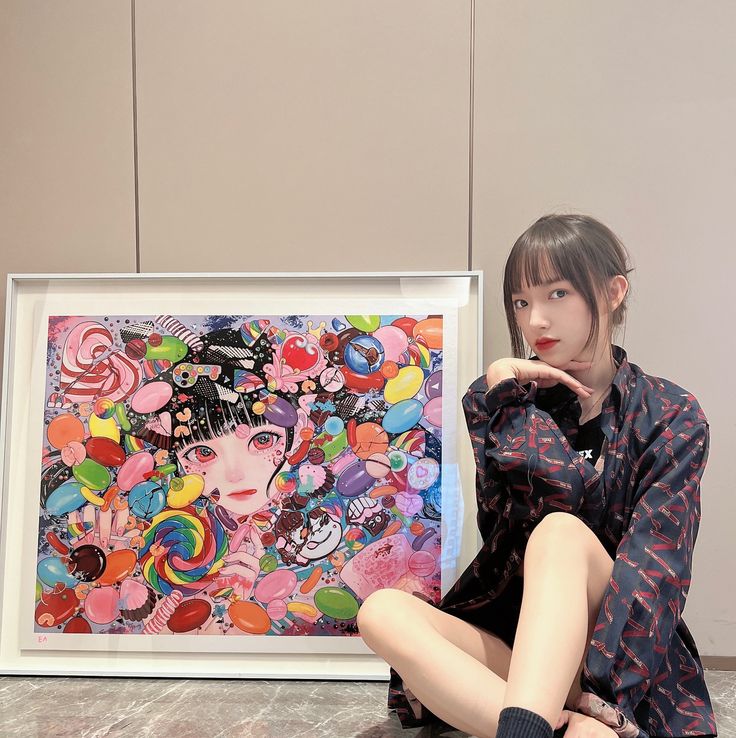
Cheng believes the painting has lasting strength.
This illustrates how narrative can influence collecting.
Some buyers respond primarily to color or form.
Others are drawn toward the stories contained within works.
When the subject creates intellectual curiosity, the artwork can continue producing new associations over time.
Wang Yuping and Personal Geography
One artist Cheng admires but had not yet acquired at the time of the Art Basel interview is Wang Yuping.
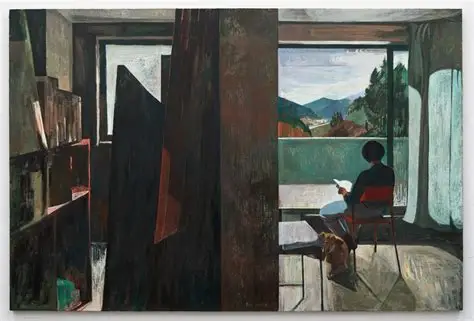
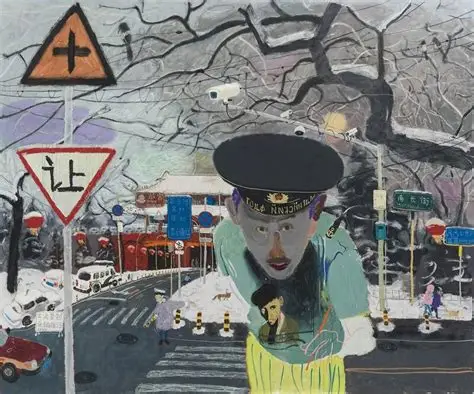
Wang often paints ordinary scenes from Beijing.
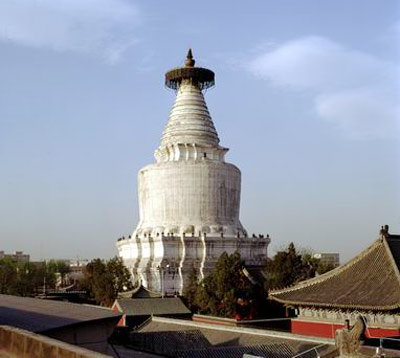
Subjects include the White Dagoba, also known as Baita, and Jingshan East Street.
For Cheng, these places carry personal significance.
She grew up near the White Dagoba Temple.
The attraction therefore comes from memory as well as artistic quality.
Wang and Cheng had discussed visiting the neighborhood together and eating hotpot afterwards.
This kind of relationship between artist, place, and collector illustrates something markets cannot measure.
An artwork can become valuable because it preserves a location tied to personal history.
Supporting Artists Is Part of Collecting
Cheng sees purchasing art as direct support for artists.
A sale provides resources that allow artists to continue working.
At a larger scale, repeated purchases support galleries, studios, fabricators, and exhibitions.
Collectors therefore participate in an ecosystem.
This is particularly significant in rapidly developing contemporary markets.
Private buyers can help determine which practices survive long enough to receive institutional recognition.
This influence carries responsibility.
Supporting an artist should not mean controlling their career or demanding financial returns.
Collectors Can Help Shape Chinese Art History
Cheng believes active collectors participate in the development of Chinese art history.
This may sound ambitious, but private collections often become important historical resources.
Museums borrow works.
Researchers use archives.
Collectors support publications.
An artist whose work remains in serious collections is more likely to be preserved and studied.
The danger is assuming that wealth gives the collector authority to decide history alone.
Art history requires artists, scholars, curators, and institutions.
The collector can contribute.
They should not attempt to replace those voices.
Cheng Dreams of an Exhibition
Like her father, Cheng has considered organizing an exhibition of her collection.
For now, her media business and other responsibilities remain the priority.
She imagines pursuing the exhibition after retirement.
She also wants to publish a book about her own collection.
This creates an interesting continuity.
Her father’s unrealized exhibition led to a book.
Cheng may eventually create both.
Documentation is especially important for private collections because public access can be limited.
A publication gives artists and artworks a record even when the physical collection remains private.
The Collection Will Pass to Cheng’s Daughter
Cheng plans to pass most of the collection to her daughter.
Importantly, she is already involving her.
They visit galleries and auctions together.
When Cheng is uncertain about a potential purchase, she sometimes asks for her daughter’s opinion.
This is very different from handing someone a collection after death and expecting them to understand it.
The next generation is being introduced gradually.
The artworks become part of childhood.
Artworks Can Preserve Family Memory
Cheng hopes that when her daughter sees the artworks years later, she will remember experiences they shared.
A painting may trigger the memory of a gallery visit.
An auction catalogue may recall a trip.
The work becomes more than an object by a particular artist.
It becomes part of the family’s emotional history.
This may be one of the strongest reasons collections survive between generations.
Financial value alone does not create loyalty.
Memory does.
Family Legacy Does Not Mean Copying the Previous Generation
Cheng continues her father’s collecting tradition, but she is not attempting to reproduce his collection exactly.
She buys artists connected with her own generation.
She uses social media.
She involves her daughter differently.
This is what healthy continuity looks like.
A family collection should evolve because every generation lives through different cultural conditions.
The core inheritance can be curiosity rather than a fixed list of artists.
Editorial Note
ArtExpoWorld believes Cheng Cheng’s story reveals what successful art inheritance should actually mean.
The goal is not simply to keep every object a parent owned.
The more important inheritance is knowledge, memory, and the desire to continue looking.
Cheng discovered her father’s collection properly only when she began documenting it after his death.
That is both beautiful and slightly tragic.
Collectors should not wait until illness to explain what they have built.
Talk to children.
Show them invoices, catalogues, and stories.
Take them to galleries.
Tell them why a particular work mattered.
Cheng is now doing this with her own daughter.
If the collection survives another generation, it will not be because the daughter receives valuable paintings.
It will be because those paintings already contain memories of time spent together.