






Inheritance and Art Collecting: What the 2024 Survey Reveals
The transfer of an art collection from one generation to another is often described as a conflict of taste.
Parents collect Old Masters, Modernism, or postwar painting. Their children supposedly prefer contemporary art, digital media, or design and quickly send the inherited works to auction.
The Art Basel and UBS Survey of Global Collecting 2024 presents a more complex reality.
Most wealthy collectors already own art received through inheritance, gifts, or bequests.
A large majority keep at least part of it.
When inherited works are sold, practical issues such as storage and estate taxes have more influence than generational rejection.
This suggests that the future of family collections will depend less on whether younger people appreciate art and more on whether families prepare them to manage it.
Art Represented 15% of Wealth Portfolios in 2024
Arts Economics and UBS have tracked the allocation of wealth to art over several years.
The average share peaked at approximately 24% in 2022.
It fell to 19% in 2023 and declined again to around 15% in 2024.
This reduction reflects a more cautious environment.
Art prices became volatile, auction results weakened, and collectors faced uncertainty across financial markets.
A lower allocation does not mean art ceased to matter.
Fifteen percent remains a substantial share of a wealthy person’s assets.
The very wealthiest respondents continued allocating more.
Collectors with assets exceeding USD 50 million reported that approximately 25% of their wealth was connected with art.
At this level, succession planning becomes impossible to ignore.
A major collection may represent hundreds of millions of dollars as well as decades of cultural activity.
Most Wealthy Collectors Own Inherited Art
Approximately 91% of respondents had artworks that entered their collections through inheritance, gifts, or formal bequests.
This finding shows that collecting is already deeply connected with family wealth.
Even people who consider themselves self-directed contemporary collectors may own objects selected by earlier generations.
The inherited works may include fine art, decorative art, antiques, jewelry, photography, or design.
Some pieces carry strong emotional meaning.
Others may have been stored for years without proper documentation.
Inheritance can therefore expand a collection while also introducing objects the new owner did not personally choose.
Seventy-Two Percent Kept at Least Some Inherited Works
Approximately 72% of respondents retained at least part of the art they inherited.
This directly challenges the idea that younger collectors automatically dispose of older family holdings.
Keeping inherited art does not necessarily mean preserving the complete collection unchanged.
An heir may retain the most important or emotionally significant works while selling others.
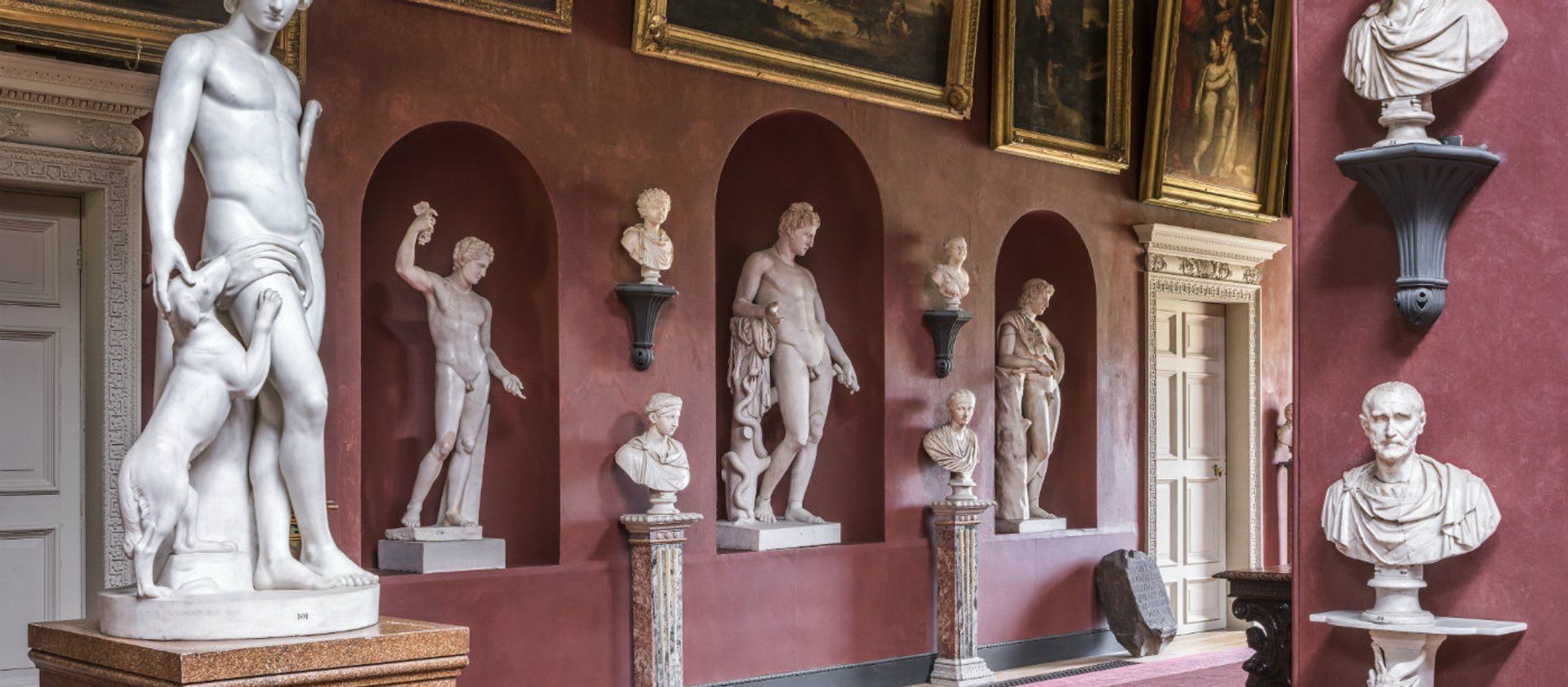
They may integrate historical paintings into a contemporary collection or display family objects in a new architectural environment.
This process can create interesting conversations across generations.
A traditional portrait may appear beside a contemporary photograph.
An antique object may help explain the family’s cultural background.
A collection remains alive when inherited works are reinterpreted rather than treated as untouchable relics.
Lack of Space Was the Main Reason for Selling
Approximately 55% of respondents who did not retain inherited works cited insufficient space.
This is a practical problem that is often underestimated.
A family collection may have been displayed across several large residences.
When it passes to multiple heirs living in apartments, different countries, or homes already containing art, physical integration becomes difficult.
Storage is expensive.

Professional art facilities require climate control, security, insurance, and regular management.
Large sculptures, furniture, and installations can create particularly serious challenges.
An heir may appreciate an artwork while having no realistic way to keep it.
Selling in such circumstances does not automatically indicate cultural rejection.
It may reflect the physical limits of contemporary life.
Estate Taxes Forced Many Sales
Approximately 47% of respondents used the proceeds from inherited art to help settle estate taxes.
Tax rules vary dramatically between countries.
A major collection can create a large liability even when the heirs have limited cash.
Art may be valuable on paper but difficult to sell quickly without accepting a lower price.
This creates pressure.
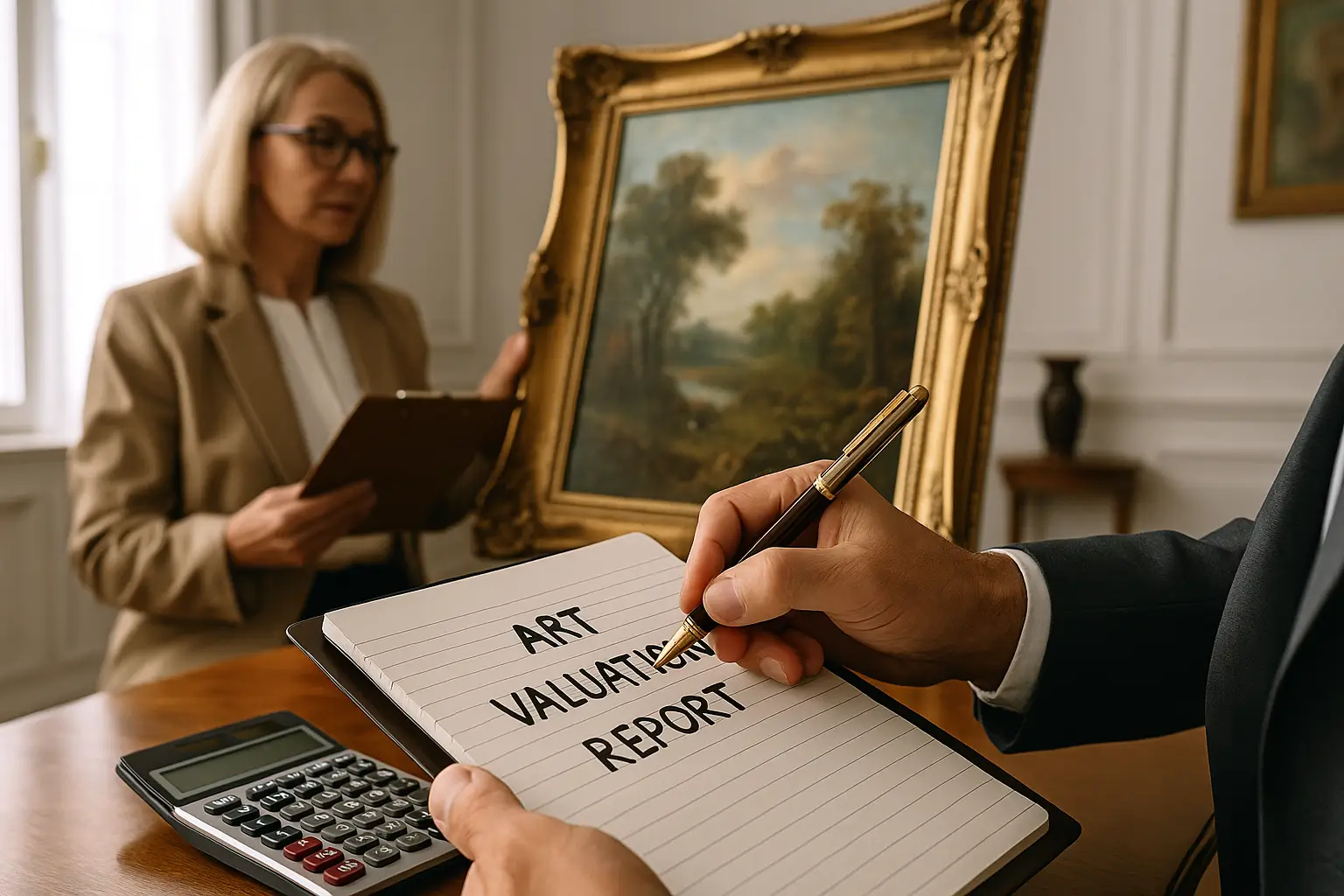
The family may need to consign works to auction before completing detailed provenance research or identifying the best institution for a donation.
Collectors can reduce this risk through early planning.
Possible approaches include lifetime gifts, trusts, foundations, insurance, and agreements with museums.
Every strategy depends on local law.
International families may need advice across several jurisdictions.
Younger Generations Were Less Likely to Cite Taste as the Main Problem
Less than one-third of millennial and Generation Z respondents said inherited works were sold or donated because they did not fit their collections.
This does not mean taste differences are irrelevant.
Younger collectors may prefer other artists, mediums, and values.
The data suggests that aesthetics are rarely the only issue.
An inherited painting may be loved but too valuable to insure.
A sculpture may be important but impossible to install.
A group of works may need to be divided between siblings.
Financial and logistical realities often shape the decision more strongly than artistic preference.
The Great Wealth Transfer Will Include Major Art Collections
Analysis of global billionaire wealth suggests that more than USD 6 trillion may pass to heirs and charities during the next 20 to 30 years.
Only part of this wealth is held in art.
Even a small percentage would create enormous movement across the market.
Museums may receive major gifts.
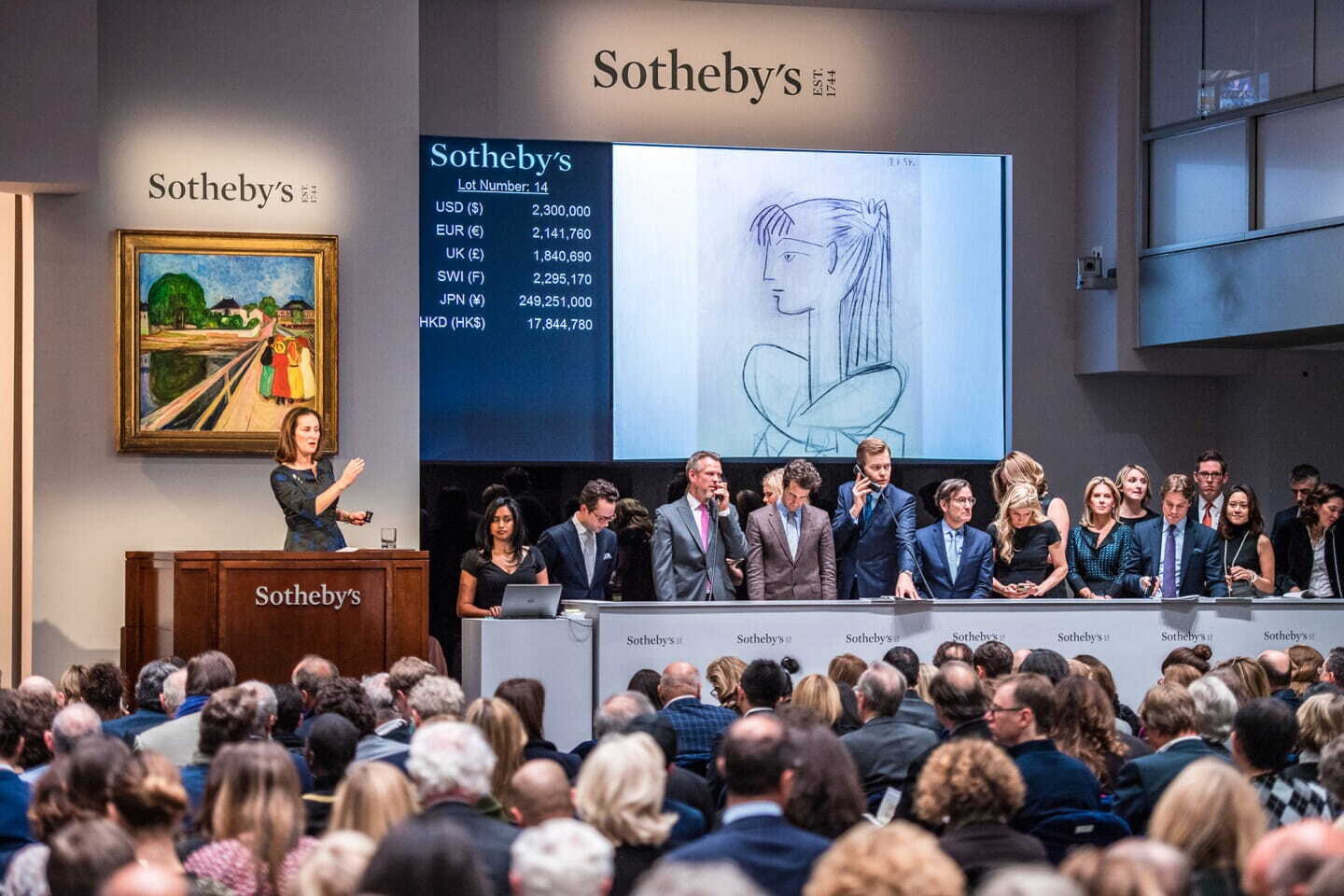
Auction houses may handle important estates.
Private foundations may be created or dissolved.
Works hidden in family homes for decades may return to public view.
This transfer will affect prices, scholarship, and museum collections.
It could also create provenance and authenticity problems when families discover that documentation is incomplete.
Eighty Percent Were Concerned About Preservation
Approximately 80% of surveyed collectors expressed concern about preserving their collections for future generations.
This indicates that legacy matters to most wealthy collectors.
Concern does not automatically produce a plan.
A collector may want the collection to remain together without having created the legal and financial structure required to achieve that goal.
They may assume children will take responsibility even though the children have never participated in acquisitions, inventory, or museum loans.
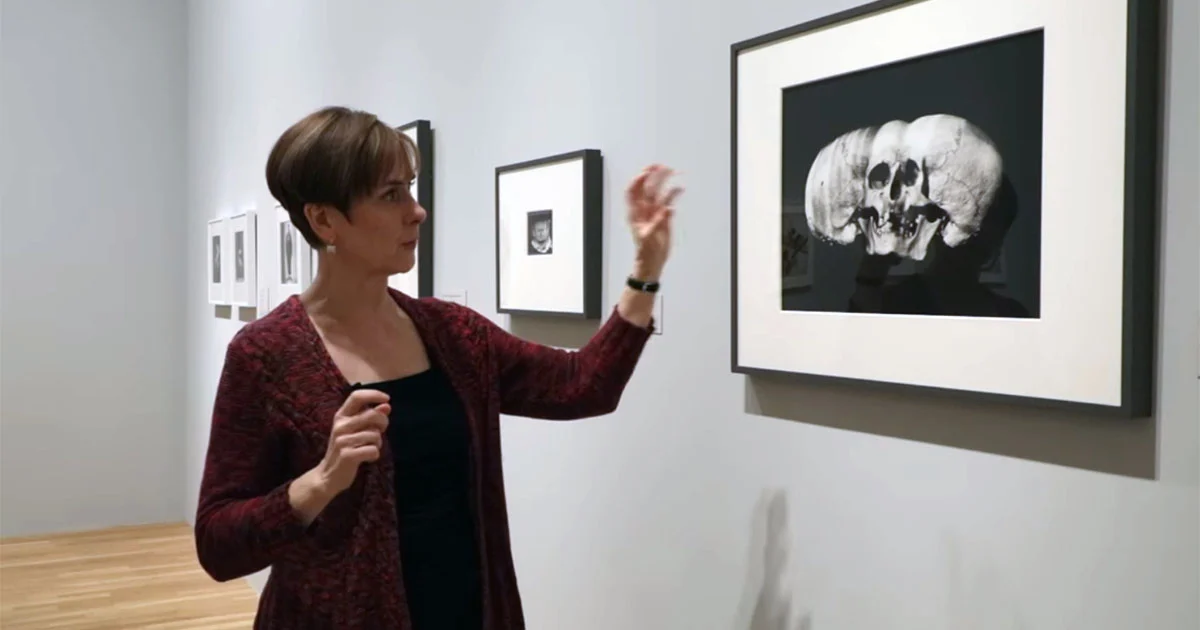
Preservation requires decisions.
Which works are central?
Who will manage them?
How will storage and conservation be funded?
Can the collection remain private, or does it need an institutional partner?
Most Planned to Leave Art to a Partner or Spouse
Approximately 65% of respondents had plans to bequeath works to a partner or spouse.
This may provide continuity during the first stage of inheritance.
A surviving partner may understand the collection’s history and existing relationships with galleries, advisors, and museums.
However, transferring everything to a spouse can postpone rather than solve the longer-term issue.
The collection will eventually need to pass again.
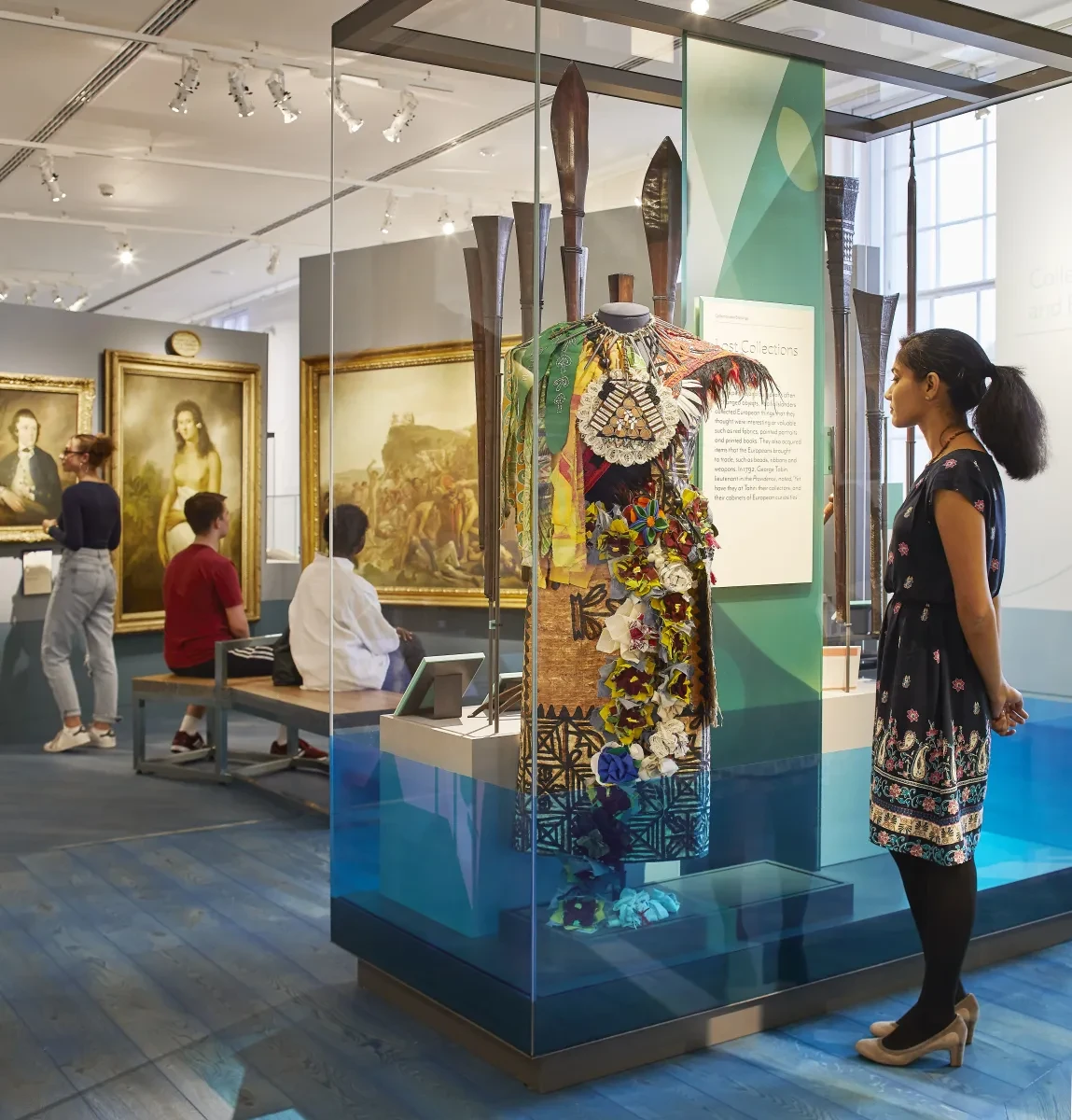
Families should prepare for more than one generation of succession.
The surviving spouse also needs clear legal ownership and access to records.
In many collections, one person handles acquisitions while the other remains unfamiliar with prices, storage, and documentation.
That imbalance can create vulnerability.
Forty-Three Percent Planned to Leave Art to Children
Approximately 43% had plans to transfer works to their children.
This figure is significantly lower than the share planning transfers to spouses.
Parents may be uncertain whether children want the collection or can manage it.
Some families intend to divide works.
Others may place the most important objects inside a foundation while giving smaller groups to individual heirs.
Children should be involved early.
They need to understand the collection’s themes, artists, and responsibilities.
A child who is never invited to a studio visit or museum meeting cannot be expected to become a knowledgeable steward overnight.
Almost Half Planned Museum Donations
Approximately 49% of respondents had plans to donate works to museums.
This is one of the most positive findings.
Museum gifts can preserve public access, strengthen institutional collections, and support scholarship.
The process is not simple.
Museums do not automatically accept everything.
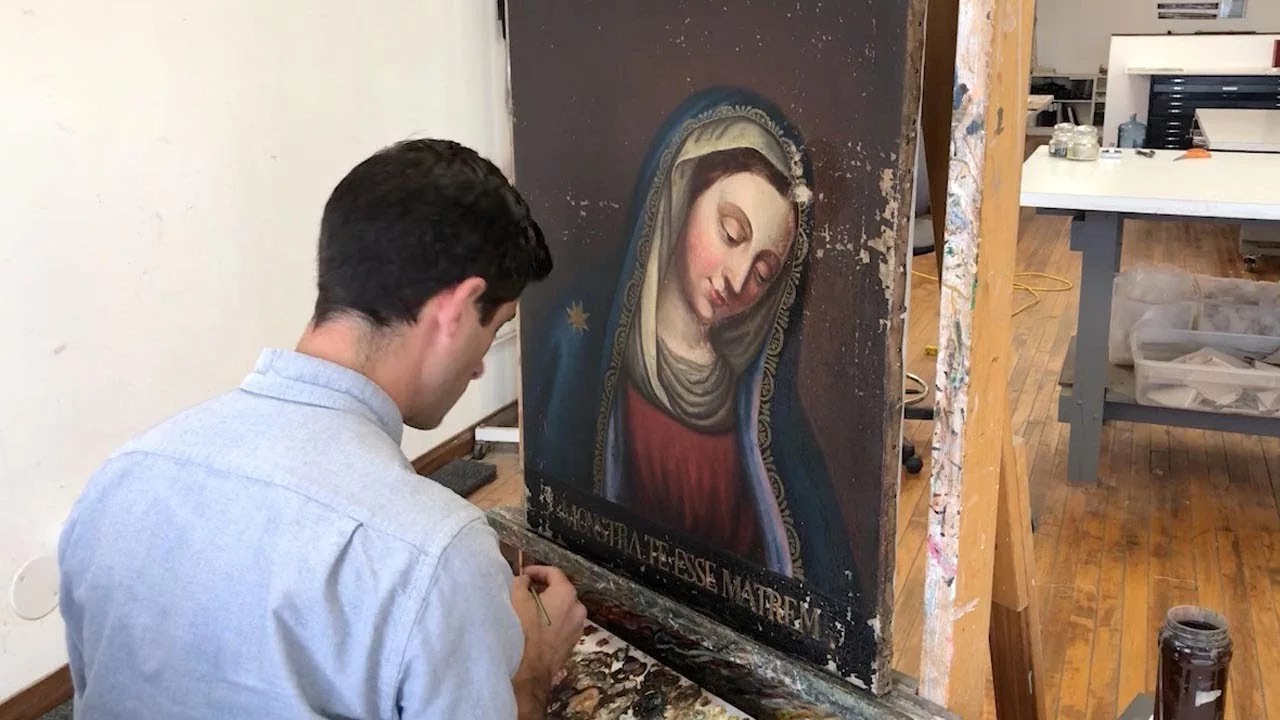
They consider quality, relevance, provenance, storage requirements, and conservation costs.
A museum may want only several key works rather than the entire collection.
Collectors should begin conversations early and remain realistic.
A donation rejected at the last minute can create serious estate problems.
Why Museums May Refuse a Collection
Institutions have limited storage and budgets.
A museum may already own similar examples by an artist.
An artwork may require expensive restoration.
Its provenance may be incomplete.
The collector may impose conditions the museum cannot accept, such as permanent display.
Donors sometimes believe that ownership of an important name guarantees acceptance.
Museums evaluate the specific work, not only the artist.
A weak or damaged piece by a famous artist may add little to the collection.
Early communication allows the collector to identify a more suitable institution or develop a mixed plan involving donations, sales, and family retention.
Collections Need Professional Inventories
Inheritance becomes risky when the family does not know exactly what it owns.
A complete inventory should include:
artist;
title;
date;
medium;
dimensions;
edition information;
current location;
acquisition documents;
provenance;
condition;
insurance value;
loan history;
exhibition history;
copyright information.
Photographs should be attached to every record.
The inventory must be updated when works move, receive conservation treatment, or enter exhibitions.
Digital works require additional information about files, wallets, hardware, software, and access keys.
Without this material, heirs may accidentally lose both financial and cultural value.
Emotional Value Should Be Documented
A spreadsheet cannot explain why an artwork mattered to the collector.
Families should record personal stories.
Was the work the first acquisition?
Did the collector know the artist?
Was it displayed in a childhood home?
Did it represent a turning point in the collection?
These details may influence which works heirs choose to preserve.
They can also support future exhibitions and publications.
Art collections are historical archives of relationships, not merely asset lists.
Dividing Art Between Several Heirs
Collections can become difficult when several children inherit together.
One work cannot always be divided fairly.
Market values change, and emotional values are impossible to calculate precisely.
Possible solutions include:
allowing heirs to select works in rotation;
creating financial balancing payments;
placing important works in shared ownership;
transferring the collection to a legal entity;
selling selected pieces and dividing proceeds;
donating central works under the family name.
Shared ownership requires clear rules.
Who pays insurance?
Who decides on museum loans?
Can one owner force a sale?
Informal family agreements may fail when relationships change.
Selling Inherited Art Responsibly
An heir who decides to sell should avoid rushing.
The work needs a current condition report, provenance review, and market analysis.
Auction may provide public competition but also expose an unsold result.
Private sales offer discretion but less transparent pricing.
Different works may suit different channels.
A major masterpiece may require an international auction.
A specialized historical collection may be better handled by a dealer with academic expertise.
The goal is not simply to achieve the highest immediate price.
Responsible sales can preserve the collection’s history through catalogues, research, and careful placement.
Editorial Note
ArtExpoWorld believes the survey corrects an unfair stereotype about younger heirs.
Most are not destroying family collections because they dislike their parents’ taste.
They are confronting real problems involving taxes, space, storage, ownership, and incomplete planning.
Collectors who genuinely care about legacy must do more than say they want the collection preserved.
They need to involve heirs, organize documents, and provide the financial structure required for conservation.
A collection should not become an expensive test of family loyalty.
Some works will remain. Others will be sold or donated.
A successful legacy is not necessarily a collection frozen forever. It is a process in which the most meaningful artworks and knowledge survive through deliberate decisions.