






The Art Collector’s Legacy
Building an art collection can take decades.
Preserving it after the collector’s death can be much more challenging.
A collection is not just an ordinary group of financial assets.
Every artwork has a physical condition, ownership history, market value, legal status, and relationship with the broader collection.
The next generation may understand these elements clearly.
They may also inherit thousands of objects without knowing why they were purchased, where the documents are kept, or whether the works should be sold, donated, or preserved together.
Legacy planning is therefore one of the most important responsibilities of a serious collector.
Waiting until illness, death, or family conflict makes decisions urgent can destroy both financial value and cultural significance.
Not Every Heir Wants to Become a Collector
Many collectors hope their children will share their passion.
Sometimes they do.
An heir may continue acquiring works, supporting artists, and preserving the original direction of the collection.
In other cases, the next generation feels little emotional connection to the art.
The works may represent storage costs, insurance responsibilities, and complicated inheritance taxes rather than enjoyment.
Research among high-net-worth collectors found that more than 90% had inherited at least some artworks.
Most kept part of what they received.
However, approximately 19% sold or donated all inherited works.
This shows that inheritance does not guarantee continuity.
A collector should never assume the next owner will automatically preserve the collection intact.
Transition or Sale
One of the first questions is whether the collection should remain together.
Possible outcomes include:
transfer to family members;
division among several heirs;
private sale;
auction;
donation;
long-term institutional loan;
transfer to a trust or foundation;
partial sale combined with preservation of key works.
Each option has different financial, legal, and cultural consequences.
A complete sale may produce liquidity but permanently dismantle the collector’s project.
Keeping everything together may preserve the collection’s identity but create high costs.
The best choice depends on the quality of the collection, the wishes of the heirs, available resources, and whether institutions have genuine interest.
Written Authority Is Essential
Heirs often employ third-party specialists.
These may include advisors, appraisers, dealers, auction houses, lawyers, conservators, and collection managers.
Every relationship should be clearly documented.
The agreement must explain what the service provider is authorized to do.
There is a major difference between valuing an artwork, preparing it for sale, and having legal authority to sell it.
When instructions are vague, serious disputes can arise.
An advisor may believe they have permission to approach buyers.
The owner may have intended only to receive a valuation.
Once a work is presented to the market, withdrawing it can create suspicion.
Potential buyers may wonder whether the work has authenticity, condition, or ownership problems.
Even an unauthorized offer can damage reputation and future value.
Apparent Authority Can Create Legal Risk
In some legal systems, a buyer may rely on the apparent authority of an intermediary.
This means that even if the owner did not directly authorize a sale, the circumstances may have made the dealer or advisor appear authorized.
The owner could then face an enforceable agreement or costly litigation.
Collectors and heirs should never rely on informal conversations when valuable art is involved.
Written agreements should define:
which works are included;
whether the agent may contact buyers;
the asking price or reserve;
commission;
duration of authority;
insurance responsibility;
shipping and storage;
right to withdraw;
confidentiality;
governing law.
Clarity protects both the collection and the professional acting on its behalf.
Donation Can Preserve the Collection
Donating artworks to a museum or public institution can create a lasting legacy.
It may allow works to remain accessible and, in some jurisdictions, provide inheritance or income tax advantages.
A donor may request that the collection be named after them.
Conditions may also require that works remain together or restrict future deaccessioning.
However, museums do not accept every condition.
Institutions need flexibility to manage storage, conservation, and exhibitions.
A condition that seems reasonable to the collector may become impossible for the museum to honor permanently.
Negotiations should take place well before the transfer.
The collector should understand exactly what the institution is willing to display, store, and preserve.
Estate Taxes Can Force Sales
Taxes are a major reason inherited collections are sold or donated.
Survey data showed that 47% of collectors who sold or donated inherited works did so partly to pay estate taxes.
In Japan, the proportion reached 72%.
Countries apply very different inheritance rules.
Some offer relief for objects considered culturally important.
Others allow artworks to be accepted by the state in place of tax.
The existence of a tax benefit should not be assumed.
Collectors with international residences, citizenships, or storage locations need advice covering several jurisdictions.
A painting held in one country may be governed by different tax and succession rules than the collector’s main residence.
Long-Term Loans Can Help Heirs
A loan can provide a middle ground between private ownership and donation.
The family retains ownership while the work is displayed by a museum.
This can preserve public access and reduce some storage or insurance costs.
Museum exposure can also strengthen provenance.
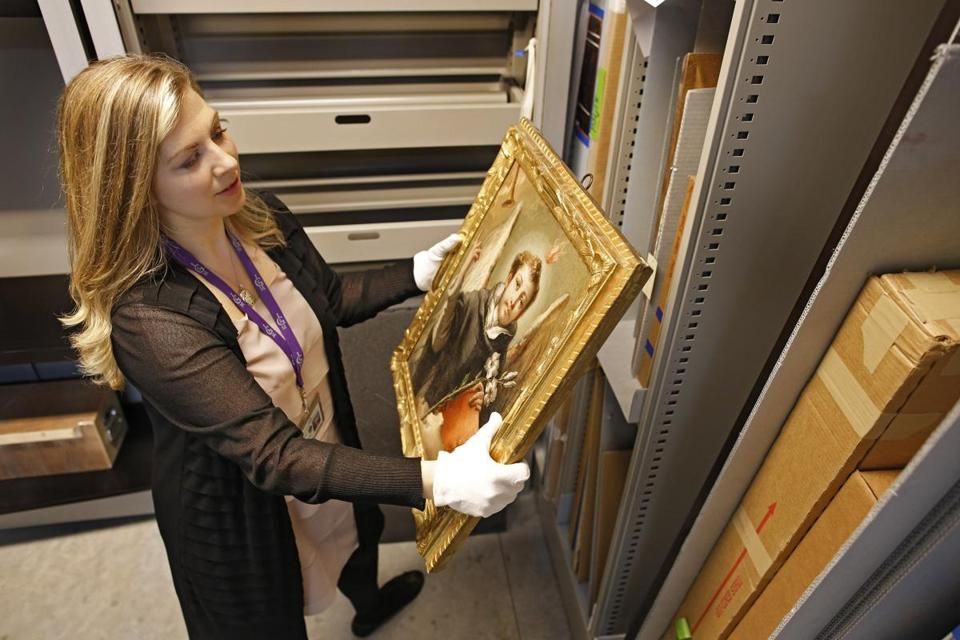
A long-term loan may be especially useful when heirs value the legacy but lack space or interest to display the work privately.
The agreement should still be detailed.
It needs to cover conservation, insurance, transport, reproduction rights, loan duration, and responsibility for damage.
The lender must also understand that the museum may not display the work continuously.
Ownership Does Not Include Copyright
Buying or inheriting an artwork does not automatically transfer copyright.
The owner possesses the physical object.
The artist or artist’s estate may retain the right to reproduce the image.
This distinction becomes important when a museum wants to include the work in a catalogue, website, poster, or commercial product.
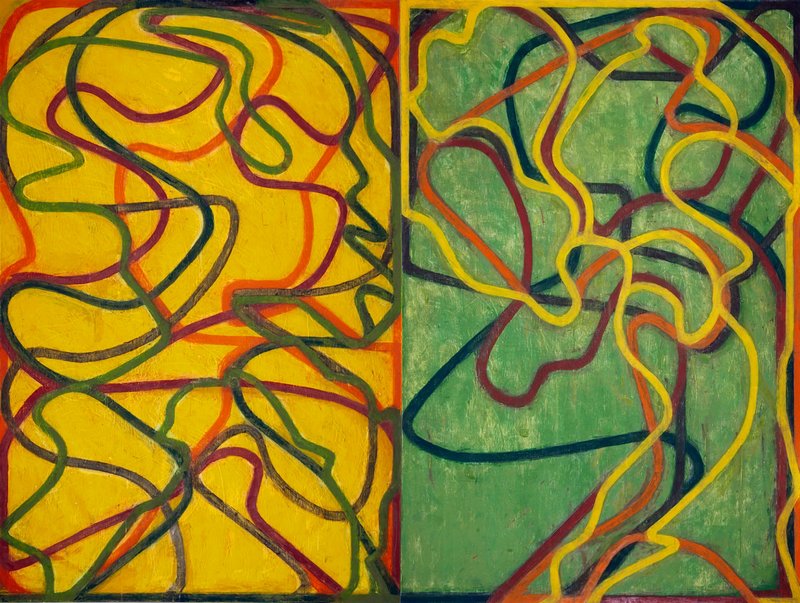
Contemporary artists may also retain moral rights.
These can include rights connected with attribution and protection against certain alterations or presentations considered harmful to the work.
Collectors planning international loans need to consider the laws of the country where the exhibition takes place.
Copyright and moral rights differ between jurisdictions.
Respecting the Artist’s Wishes
A collector may legally own a work while the artist still has strong views about how it should be presented.
An artist may have planned a first exhibition in a particular country or may object to a display that changes the intended context.
Ignoring these wishes can create reputational problems even when the owner is legally permitted to proceed.
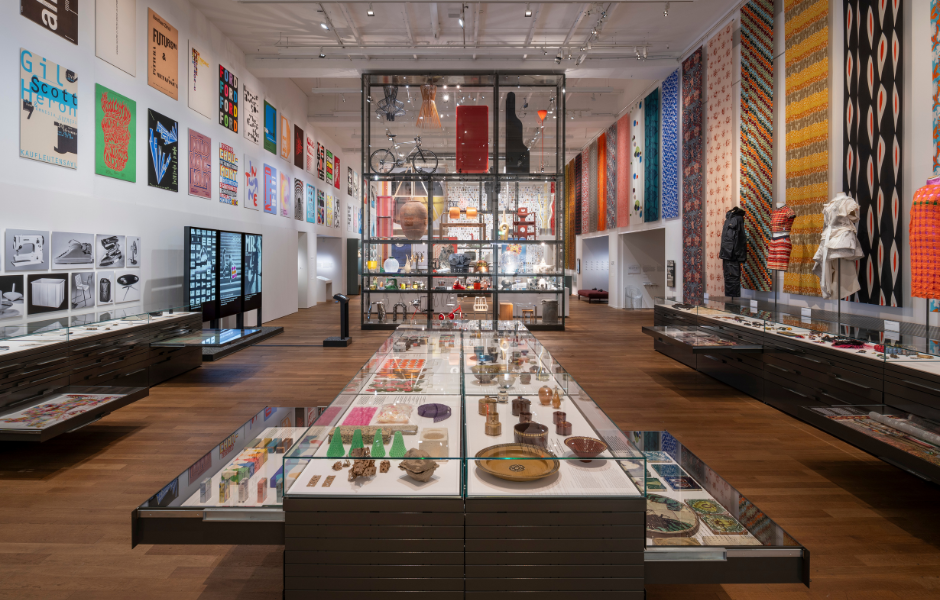
Good collecting involves relationships.
A collector, heir, or institution should communicate with living artists and estates whenever a loan or publication may affect the artist’s plans.
Legal rights define the minimum obligation.
Respect can require more.
Cross-Border Estates Are Complicated
International collectors often own homes and artworks in several countries.
A collector may be a citizen of one country, live primarily in another, and store works in a third.
The law governing succession may depend on domicile, habitual residence, nationality, and the location of assets.
European succession rules can simplify some cross-border cases, but they do not automatically resolve taxation.
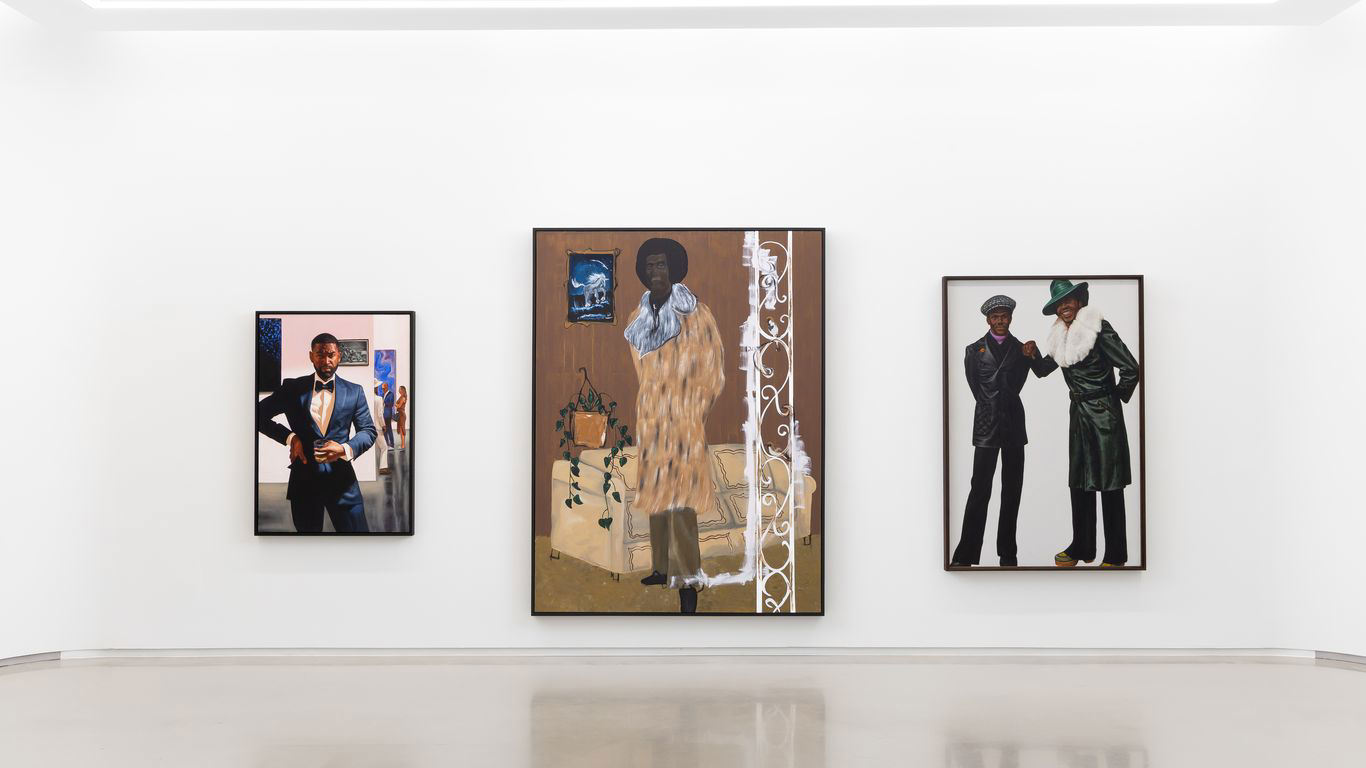
The United Kingdom did not opt into the full European succession framework.
Nevertheless, British nationals living in EU countries may sometimes choose English law to govern succession.
This can matter because countries such as France and Italy apply forced-heirship principles.
Certain family members may have legal rights to part of the estate even when the will attempts to provide otherwise.
These rules can force a collection to be divided.
Marriage and Divorce Can Break Up Collections
Ownership within a marriage also requires attention.
Some legal systems treat property acquired during marriage as jointly owned.
Others maintain separation between spouses.
A collection built through shared income may therefore be divided after divorce or death.

Collectors should document:
who purchased each work;
whose funds were used;
whether it was a gift;
where title is held;
whether a prenuptial or marital agreement applies.
Art can become emotionally charged during family disputes.
One spouse may consider the collection a cultural project.
The other may view it primarily as a financial asset.
Clear ownership records reduce conflict.
Trusts, Foundations and Companies
Collectors who want to preserve a collection across generations may transfer ownership to a legal entity.
Possible structures include trusts, foundations, charities, and private companies.
These structures can help maintain the collection as a single unit.
They may also provide professional governance, privacy, and continuity beyond the life of one person.
The appropriate structure depends on the goal.
A charitable foundation may support public exhibitions and education.
A family company may focus on wealth preservation.
A trust may control how beneficiaries receive benefits without dividing ownership of individual works.
Every structure has tax, reporting, and administrative obligations.
A collector should not create an entity solely because it sounds prestigious.
Valuations Serve Different Purposes
There is no single permanent value for an artwork.
Insurance valuation, inheritance valuation, tax valuation, and auction estimate may all differ.
Insurance values often reflect the cost of replacing a comparable work.
Auction estimates may be designed to encourage competitive bidding.
Estate valuations may follow legal rules concerning market value at a specific date.
During divorce, each party may prefer a different interpretation.
The spouse keeping the collection may argue for a lower value.
The spouse seeking compensation may argue for a higher figure.
Collectors should understand the purpose of every valuation and retain the supporting methodology.
Provenance Problems Can Destroy Value
A collection’s reputation depends on the history of its works.
Objects connected with looting, conflict, forced sales, or illegal export can become extremely difficult to sell or donate.
Major galleries and auction houses increasingly avoid works with unresolved red flags.
Museums also require detailed due diligence before accepting gifts or loans.
A collector should review provenance before passing the collection to heirs.
Problems ignored decades ago may be unacceptable under current standards.
Documentation should include:
invoices;
ownership history;
import and export permits;
authenticity records;
condition reports;
correspondence;
exhibition history;
restitution research.
Leaving these questions unresolved passes an expensive problem to the next generation.
Due Diligence Standards Continue to Rise
Research done during the original purchase may no longer be sufficient.
Governments, museums, auction houses, and financial institutions now expect more detailed information about beneficial ownership, sanctions, provenance, and source of funds.
Older collections may contain gaps simply because earlier dealers did not document transactions carefully.
Collectors should audit records periodically.
A missing invoice, unclear export history, or undocumented restoration may reduce future options.
The goal is not only to protect resale value.
Good documentation preserves the historical meaning of the collection.
Philanthropy Across Borders
Donations can support museums, universities, archives, and cultural foundations.
Tax treatment, however, usually favors local institutions.
A collector living in one country may not receive the same benefit for donating to a museum abroad.
Within the European Union, some rules require comparable treatment for eligible institutions across member states.
Outside these systems, cross-border benefits vary considerably.
Collectors should choose recipients based on cultural fit first, while understanding the financial consequences.
A tax-efficient donation to the wrong institution may produce a weak legacy.
The work should enter a collection where it can be researched, preserved, and used.
Create a Complete Collection Inventory
Every collector needs a professional inventory.
Each record should include:
artist;
title;
date;
medium;
dimensions;
edition information;
photograph;
purchase price;
current valuation;
provenance;
condition;
exhibition history;
location;
insurance status;
copyright information;
loan history.
The inventory should be securely backed up.
Family members and executors need to know how to access it.
Passwords and digital-wallet instructions should also be included when the collection contains digital works.
Explain the Collection’s Meaning
Documents describe the objects.
They do not necessarily explain why the collection exists.
Collectors should write a short statement describing the central themes, artists, and decisions.
This can help heirs distinguish key works from peripheral purchases.
It may also guide museums, advisors, and estate administrators.
Without this context, an important collection can be reduced to a spreadsheet of prices.
A legacy should preserve knowledge as well as ownership.
Editorial Note
ArtExpoWorld believes legacy planning should begin while the collector is still actively buying.
Waiting until the end of life creates avoidable pressure and conflict.
The greatest mistake is assuming that heirs will understand the collection automatically.
They may know the artworks from childhood but have no idea which pieces are central, which documents are missing, or which legal obligations exist.
A responsible collector should leave clarity, not a puzzle.
The best legacy plan respects the heirs, the artists, and the cultural significance of the collection.
Sometimes preservation is the right answer.
Sometimes sale, donation, or division is more realistic.
The important point is that these decisions are made deliberately rather than during a crisis.