





Paul Thiers and N.E.S.T.: When Art, Design and Music Become One Collection
Paul Thiers does not separate contemporary art from architecture, furniture, music, wine or automobiles.
His collection developed from the belief that beauty and creative intelligence can transcend disciplines.
A Bruce Nauman video, a Thomas Schütte sculpture, a Jean Prouvé chair and a Ferrari F40 belong to different markets and histories.
Within Thiers’s collection, they participate in a larger unified environment.
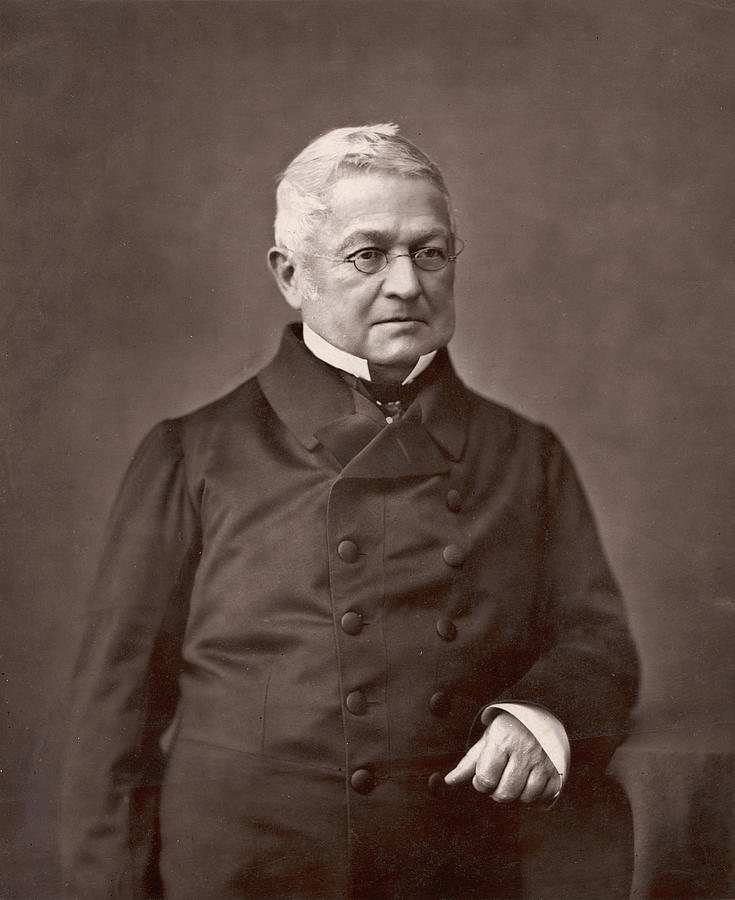
This philosophy eventually led him to create N.E.S.T. in Eke, Belgium.
The name represents four principles: Nurture, Enable, Share and Transmit.
N.E.S.T. is not intended to function solely as a private display space.
It is an incubator where artists, musicians, designers and thinkers can meet, work and influence one another.
The project also continues a lesson Thiers learned from curator Jan Hoet: knowledge and mentorship should be passed forward.
Paul Thiers First Encountered Art Through the CoBrA Movement
Thiers’s earliest introduction to art came through his eldest brother.
His brother was an art dealer specializing in CoBrA, the postwar European movement associated with artists from Copenhagen, Brussels and Amsterdam.
The name was formed from the first letters of those three cities.
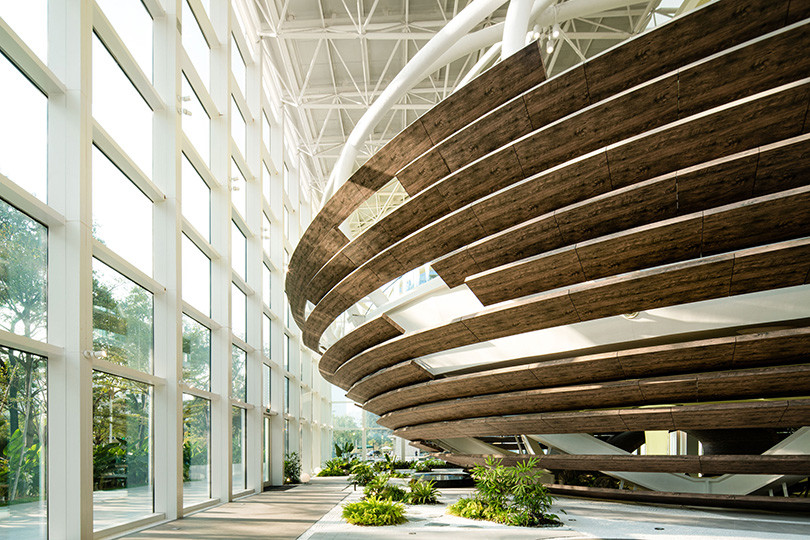
Artists connected with the movement included Karel Appel, Corneille and Asger Jorn.
CoBrA rejected polished academic control in favor of spontaneity, bold color, experimental forms and imagery influenced by children’s drawings, folklore and non-Western art.
This family connection exposed Thiers to the art world.
However, contemporary art did not become a consuming passion until his student years.
The decisive influence was Jan Hoet.
Jan Hoet Changed the Direction of Thiers’s Life
Jan Hoet was the legendary director of S.M.A.K., the Municipal Museum of Contemporary Art in Ghent.
He was known for an energetic curatorial approach that brought art into unexpected environments and encouraged direct contact between artists and audiences.
In 1986, Hoet organized “Chambres d’Amis,” translated as “Guest Rooms.”
Fifty residents of Ghent opened their private homes to internationally recognized artists, who created site-specific works inside domestic spaces.
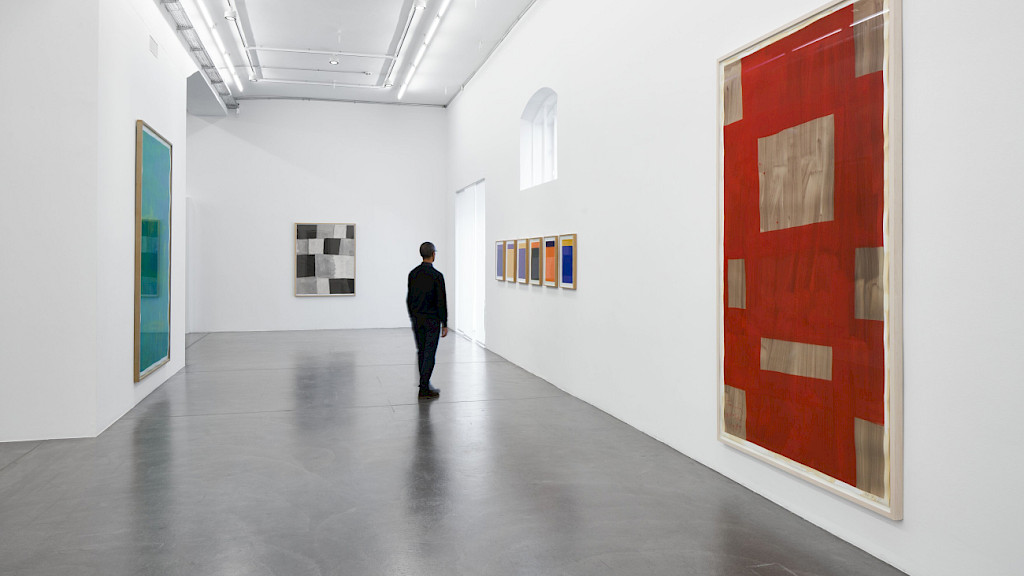
Participating artists included Bruce Nauman, Juan Muñoz, Daniel Buren, Sol LeWitt and Günther Förg.
Thiers’s home hosted an installation by Förg.
For three months, visitors entered the residence to experience contemporary art.
The project dissolved the traditional boundary between museum and home.
For Thiers, it became a transformative experience.
The art world did not remain inside a distant institution. It arrived at his door and changed how the house could be understood.
Collecting Became an Obsession
After “Chambres d’Amis,” Thiers began collecting with increasing intensity.
Professional commitments occupied much of his time, but galleries, exhibitions and art fairs filled the rest.
Collectors often describe this progression.
The first purchase creates excitement.
The second purchase starts comparison.
Soon the collector begins researching artists, traveling to fairs and rearranging rooms to accommodate new works.
An interest becomes a system.
Thiers recognized that collecting can become obsessive, but his activity also became more disciplined over time.
Initial intuition developed into a focused approach.
A Collector Needs to Learn the ABC of Art
Jan Hoet became a mentor and close friend.
One of his central lessons was that collectors need to understand the ABC of art.
Taste alone is insufficient.
A collector should know what came before, how movements developed and why an artist’s work matters within a larger context.
This does not mean every buyer needs an academic degree.
It means that judgment improves through comparison.
A contemporary sculpture appears differently when the collector understands Modernism, Minimalism and the history of the human figure.
A conceptual photograph becomes clearer when considered alongside earlier experiments with language and authorship.
Hoet taught Thiers to see art physically and emotionally while also recognizing historical structure.
Jan Hoet Tested New Acquisitions Against Masterpieces
When Thiers began acquiring regularly, Hoet invited him into the museum after hours.
Thiers would bring his newest purchases.
Hoet placed them between important works by artists such as Marcel Broodthaers and Joseph Beuys.
The test was simple and rigorous.
Could the new work maintain its presence beside established masterpieces?
Price and reputation were temporarily removed from the decision.
The work had to survive visual comparison.
This exercise helped Thiers develop confidence without becoming complacent.
A collector should trust instinct, but instinct grows stronger when repeatedly challenged.
Great Art Does Not Reveal Everything Immediately
Thiers learned that full understanding is not required at the moment of purchase.
Important artworks often contain several layers.
Their meaning changes with time, context and the collector’s own experience.
This does not mean buying an object simply because it is confusing.
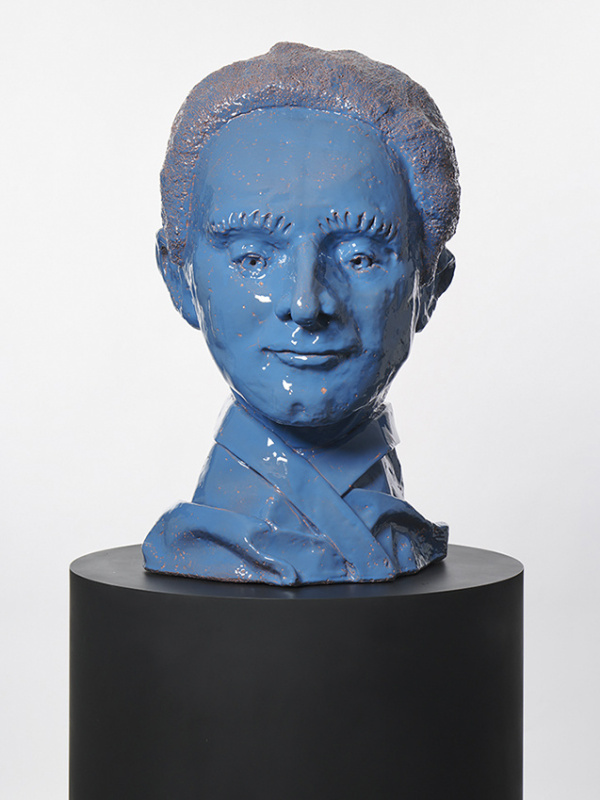
The collector still needs to recognize intensity, intelligence or formal strength.
The mystery should feel productive.
A work that reveals everything at first glance may eventually become decorative and silent.
A challenging work can remain active for decades.
Bruce Nauman and Thomas Schütte Became Central Artists
Thiers is especially interested in artists who explore the human condition.
Love, vulnerability, violence, anxiety, humor and passion appear repeatedly in his collecting.
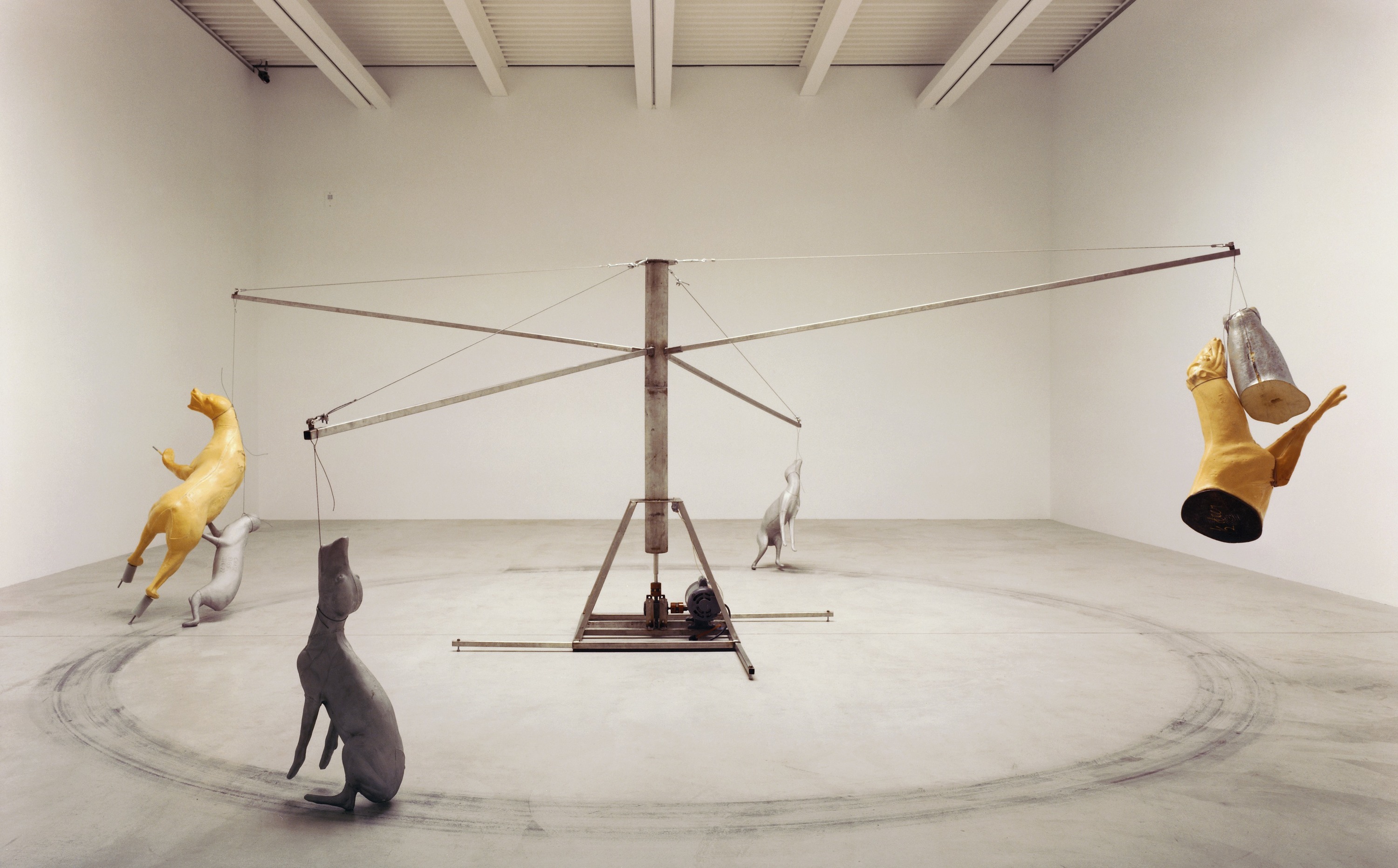
Bruce Nauman and Thomas Schütte became central figures.
Nauman works across video, sculpture, drawing, performance and neon.
His practice often uses repetition, language, physical discomfort and absurdity to examine human behavior.
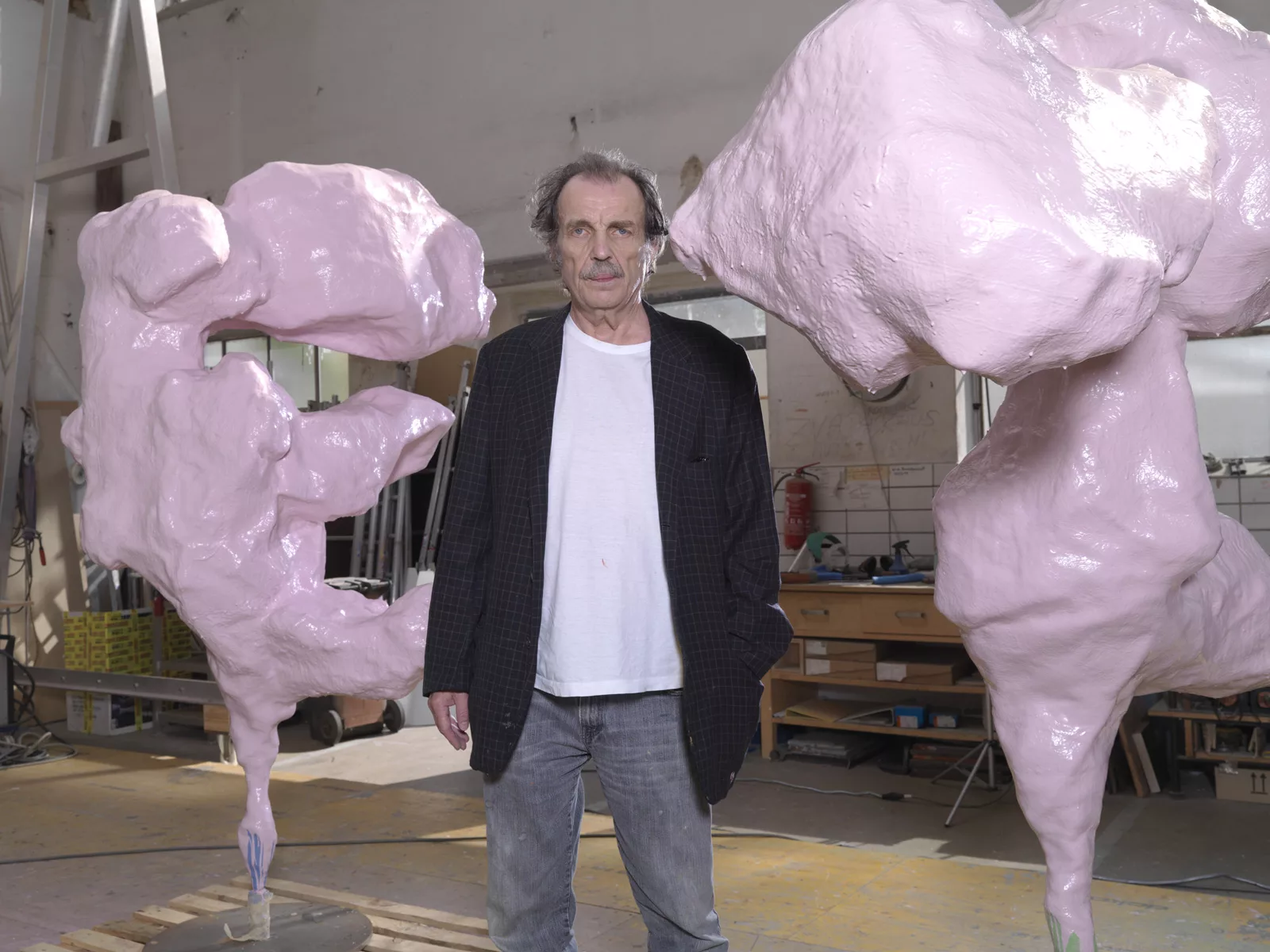
Schütte also moves between mediums.
His sculptures and watercolors can appear monumental, vulnerable, grotesque or humorous.
Both artists resist a single recognizable format.
For Thiers, their freedom and willingness to challenge viewers make them artists’ artists.
Franz West and Jason Rhoades Invite Participation
Franz West is another important figure in the collection.
Works such as the Onkel-Stuhl, or Uncle Chair, blur the line between sculpture and furniture.
The viewer can sit, touch or physically interact with the object.
Jason Rhoades created similarly immersive relationships between artwork and audience.
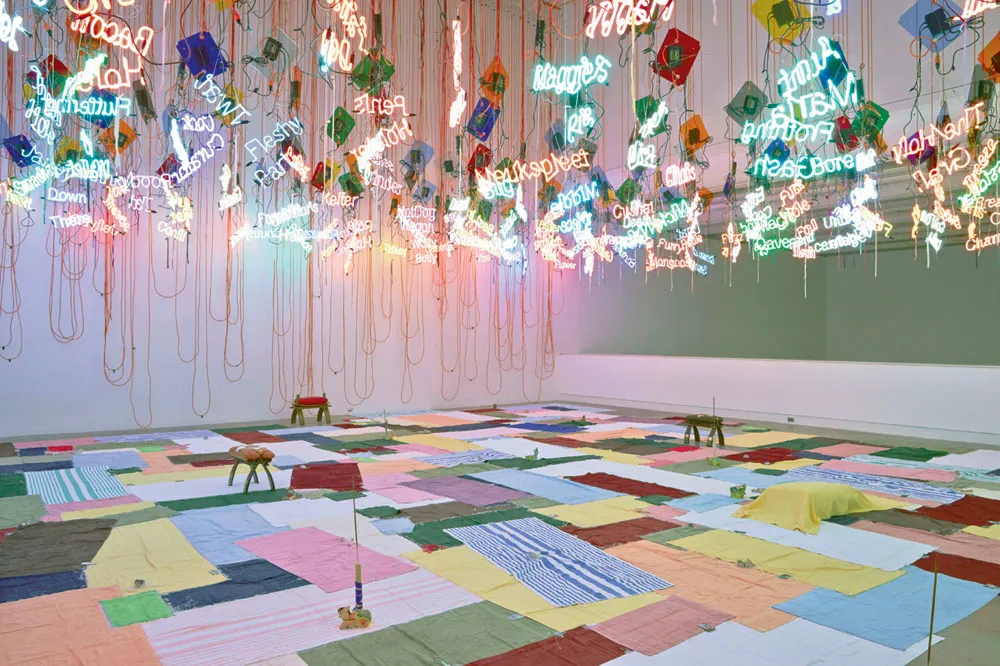
His installations often contain large accumulations of materials, language, lights and everyday objects.
These works cannot be fully understood through a single photograph.
They require physical presence.
This helps explain why Thiers refuses to buy art online.
He needs to stand before a work and experience its scale, material and energy.
Paul Thiers Collects Artists in Depth
Thiers does not aim to acquire one example from every famous artist.
He follows particular practices across several works and mediums.
This approach allows a collection to show development.
A drawing may reveal an artist’s early thought process. A sculpture may transform the same idea into physical space. A later photograph or film may demonstrate another direction.
Recent and ongoing interests have included Rashid Johnson, Danh Vo, Tracey Emin and Wolfgang Tillmans.
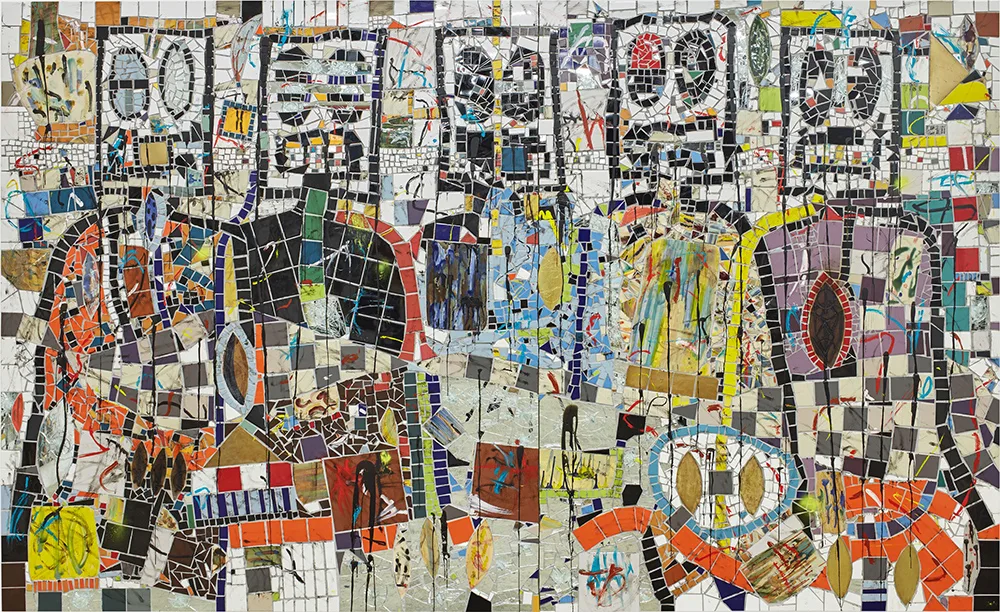
Johnson works across painting, photography, film, sculpture and installation.
His art often examines anxiety, personal history, race and cultural memory.
Danh Vo investigates displacement, colonial histories and the movement of objects between private and political contexts.
Tracey Emin uses personal experience, language and vulnerability.
Wolfgang Tillmans has expanded the possibilities of photography while also working with installation, abstraction and political engagement.
Drawings Offer Direct Access to Artistic Thought
Thiers has been drawn to drawings from the beginning of his collecting life.
Drawings can appear less formal than paintings or sculptures.
They record uncertainty, movement and decisions.
A line may reveal how an artist begins constructing an idea.
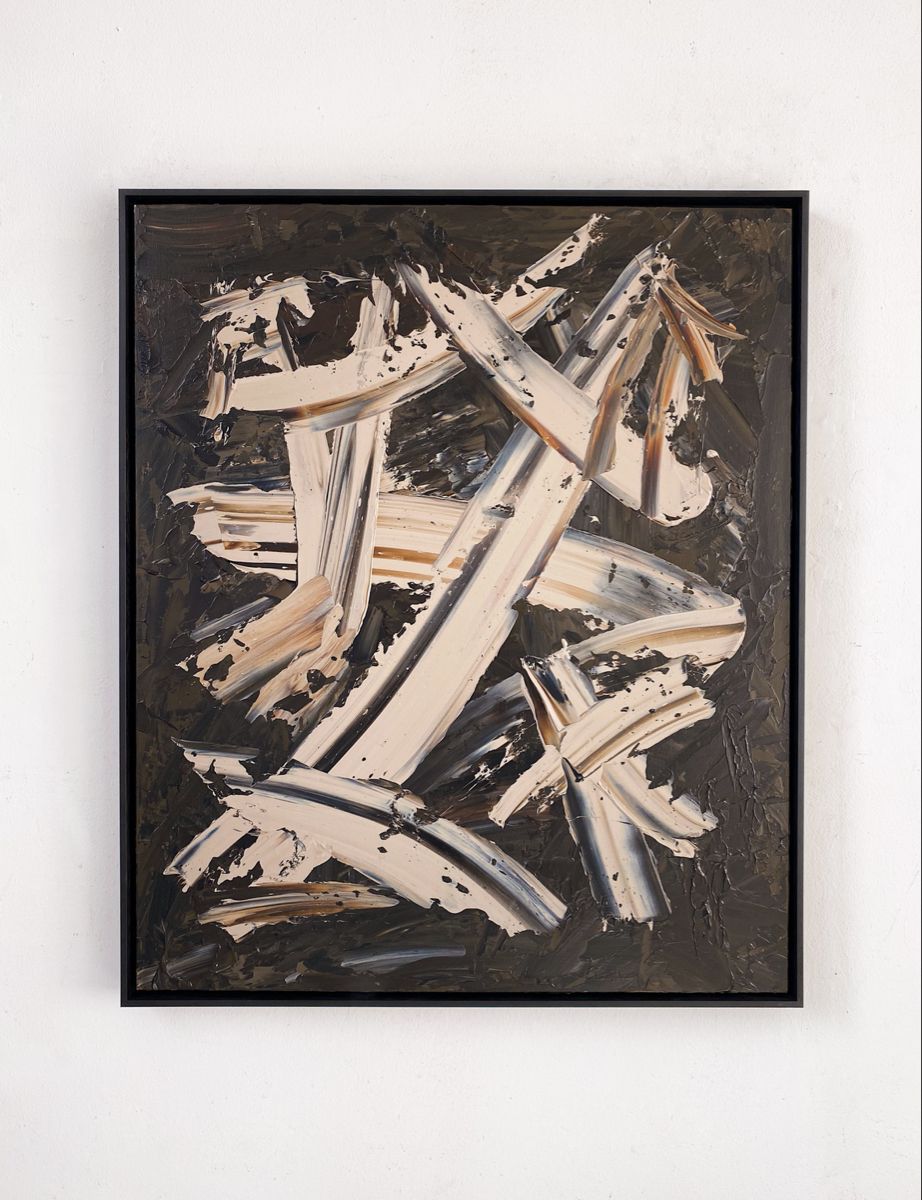
This intimacy is especially important in the work of Francis Alÿs, whose practice moves between drawing, painting, video, performance and poetic public actions.
Robert Gober’s drawings and objects create psychologically unsettling domestic environments.
Lucas Arruda’s meditative landscapes explore light, atmosphere and the boundary between representation and abstraction.
Works on paper also allow collectors to follow artists in greater depth because prices may be lower than for major paintings.
Their significance should not be underestimated.
Art, Design and Automobiles Belong to One Cultural Environment
Contemporary art remains Thiers’s central passion, but it is not his only one.
His collection includes architecture, design, music, wine and automobiles.
Cars such as the Ferrari F40, Ferrari F50 and Mercedes-Benz 300SL Roadster are valued not only as machines.
They represent engineering, proportion, material and historical design.
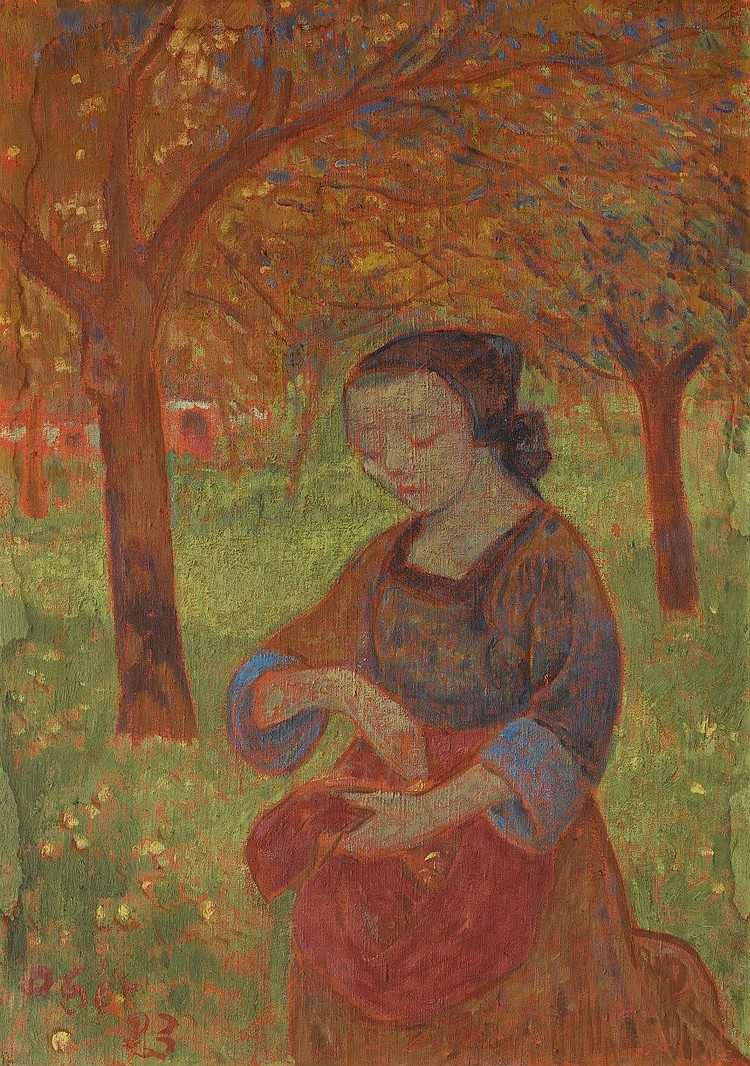
The Bauhaus demonstrated that functional objects could be shaped by artistic principles.
Thiers extends this idea further.
Function does not prevent an object from becoming art.
When design exceeds ordinary utility and produces an exceptional emotional or formal response, the boundaries become unstable.
N.E.S.T. Was Created During the Pandemic
During the pandemic, Thiers began imagining a place where his interests could coexist.
The result was N.E.S.T.
Its name stands for Nurture, Enable, Share and Transmit.
The project is intended to provide more than storage and display.
It creates an environment where art, architecture, design and music influence one another.
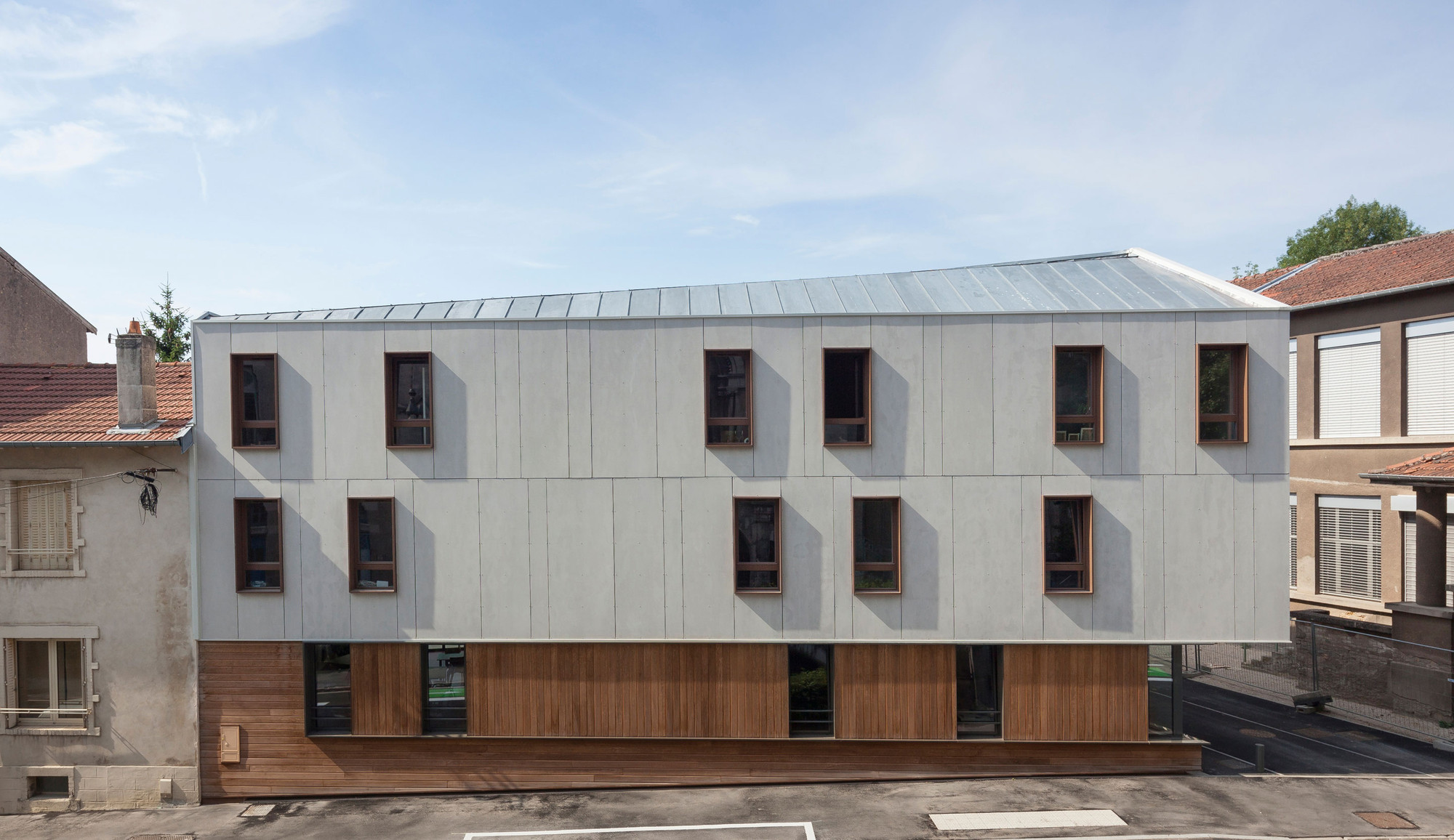
Belgian architect Olivier Dwek helped develop the space.
Dwek is known for restrained architecture, precise materials and environments that allow art and design to remain central.
At N.E.S.T., the building does not function as a neutral white box.
It becomes part of the collection.
Tadashi Kawamata, Ólafur Eliasson and Ritsue Mishima Shape the Space
N.E.S.T. includes architectural interventions by Tadashi Kawamata.
Kawamata frequently uses timber, temporary structures and accumulations of ordinary materials to transform buildings and public spaces.
Light works by Ólafur Eliasson introduce perception, color and environmental experience.
Glass works by Ritsue Mishima interact with natural and artificial light, creating objects that change as viewers move around them.
These contemporary interventions appear alongside design by Jean Prouvé, Charlotte Perriand, Le Corbusier, Jean Royère and Martin Szekely.
The result is not organized as separate departments.
A glass object, chair, sculpture and architectural element can occupy the same visual conversation.
Jean Prouvé, Charlotte Perriand and Le Corbusier Connect Art With Use
Jean Prouvé developed furniture and architecture through industrial materials and practical construction.
Charlotte Perriand transformed modern interiors and challenged assumptions about how people should live with furniture.
Le Corbusier connected architecture, urban planning, design and theories of modern life.
Jean Royère brought playfulness and sensual form into furniture.
Martin Szekely is known for reducing objects to precise structures and materials.
Inside N.E.S.T., these figures reinforce the idea that use and beauty do not need to be separated.
A chair changes the body’s position in space.
Architecture controls movement, light and social interaction.
These experiences can be as carefully composed as a sculpture.
Music and Wine Complete the Sensory Environment
N.E.S.T. also contains a wine cellar and a concert space.
The performance area includes a Steinway & Sons Spirio | r concert piano.
The inclusion of wine and music is not a decorative luxury added after the art.
It reflects Thiers’s belief that culture is experienced through several senses and forms of attention.
A concert changes the atmosphere of a building.
Wine creates connections with land, craft, time and memory.
Architecture determines how sound travels and how people gather.
N.E.S.T. attempts to combine these experiences without reducing any one discipline to a background for another.
The Mission Is to Support Young Creatives
Thiers wants N.E.S.T. to support younger artists, musicians and thinkers.
It provides a place for collaboration, experimentation and exchange.
This mission connects directly with Jan Hoet’s influence.
Hoet helped Thiers learn how to look, compare and take intellectual risks.
N.E.S.T. allows the collector to pass that support forward.
Patronage becomes more than buying finished objects.
It can provide space, time, introductions and confidence before a young creative has reached an established position.
A Private Collection Can Become an Incubator
Many private collections look backward.
They preserve what the collector has already acquired.
An incubator also looks forward.
It asks what new work might become possible because the space exists.
Artists can meet musicians. Designers can respond to architecture. Performances can temporarily transform the collection.
This activity may not immediately increase the financial value of any object.
Its value lies in production and exchange.
A private collection becomes part of a living cultural system.
What Collectors Can Learn From Paul Thiers
Thiers’s experience offers several lessons.
Historical knowledge strengthens instinct.
Art should be encountered physically whenever possible.
Collecting in depth can be more meaningful than chasing a long list of famous names.
Drawings and works on paper deserve the same seriousness as larger objects.
Design, architecture and music can deepen a collection when their inclusion follows a genuine philosophy.
Most importantly, mentorship creates responsibility.
Knowledge received from one generation should not end with the collector.
It can be transmitted through spaces, conversations and opportunities for younger creatives.
Editorial Note
ArtExpoWorld believes N.E.S.T. succeeds because it is not built around the idea that every beautiful object must be forced into the category of fine art.
Paul Thiers allows differences between sculpture, furniture, architecture, music, wine and automobiles to remain visible while exploring how they affect one another.
The strongest part of the project is not the presence of famous names or valuable cars.
It is the decision to transform a private collection into an environment for younger artists and thinkers.
Collectors frequently speak about legacy as the future preservation of their possessions.
Thiers offers a more active definition.
Legacy can also mean transmitting knowledge, confidence and access while the collector is still present to participate.