






How to Buy Your First Artwork at Art Basel Hong Kong
Buying your first artwork at a major international fair can feel overwhelming.
Art Basel Hong Kong brings together galleries, artists, and collectors from across Asia and around the world.
Hundreds of works compete for attention.
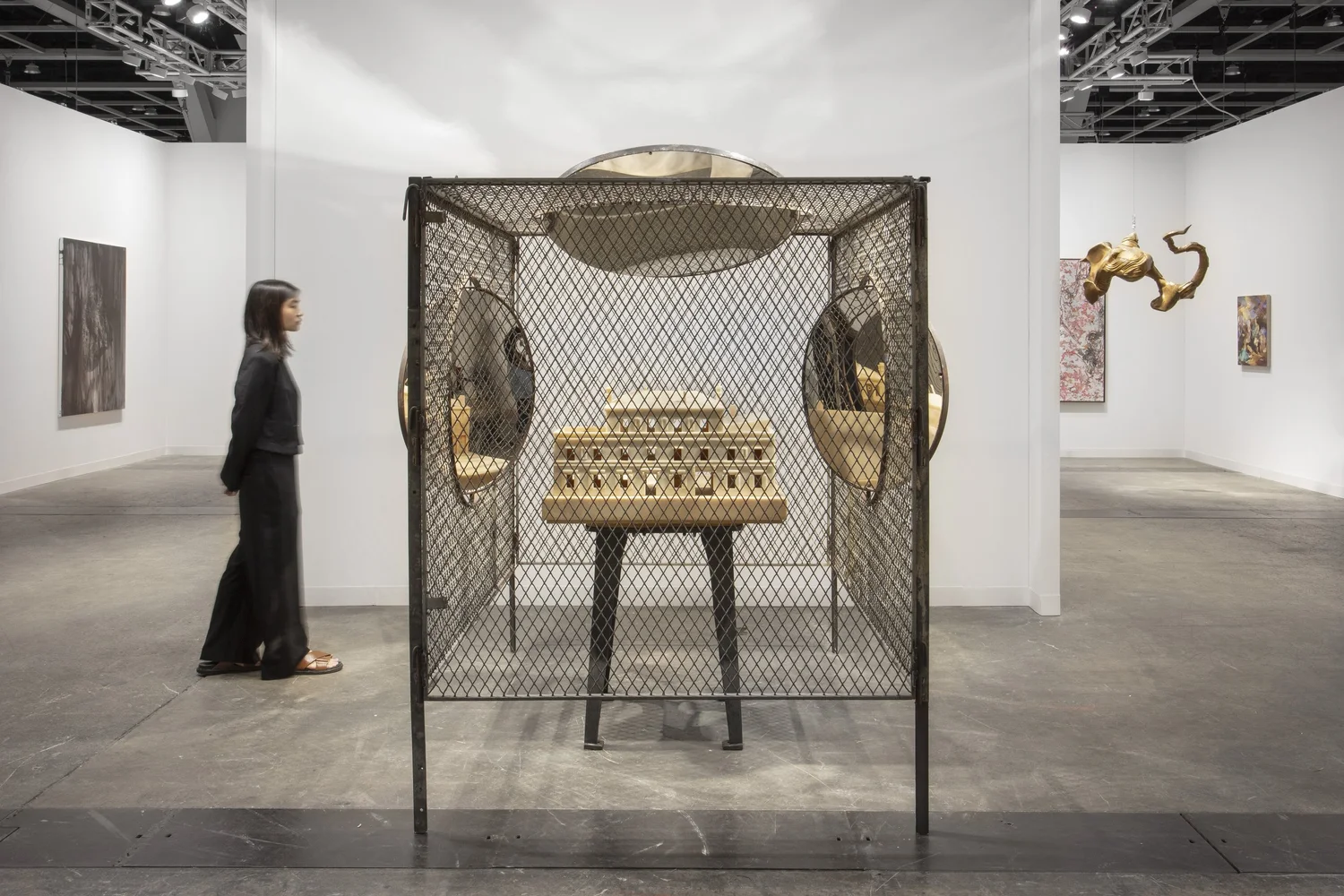
Some are immediately recognizable. Others require time, research, and explanation.
A new buyer may worry about asking the wrong questions, misunderstanding the price, or making an impulsive decision.
These concerns are normal.
Collector Ellie Huang, Asia Art Center representative Wei Rongda, and Art Basel Hong Kong director Angelle Siyang-Le offer a useful perspective on how first-time buyers can approach the fair with confidence.
Research the Fair Before You Arrive
Preparation is one of the most effective ways to avoid visual overload.
Study the participating galleries and artists before entering the exhibition hall.
Make a short list of booths you definitely want to see.
Review the fair map and note any special sectors, solo presentations, or historical displays.
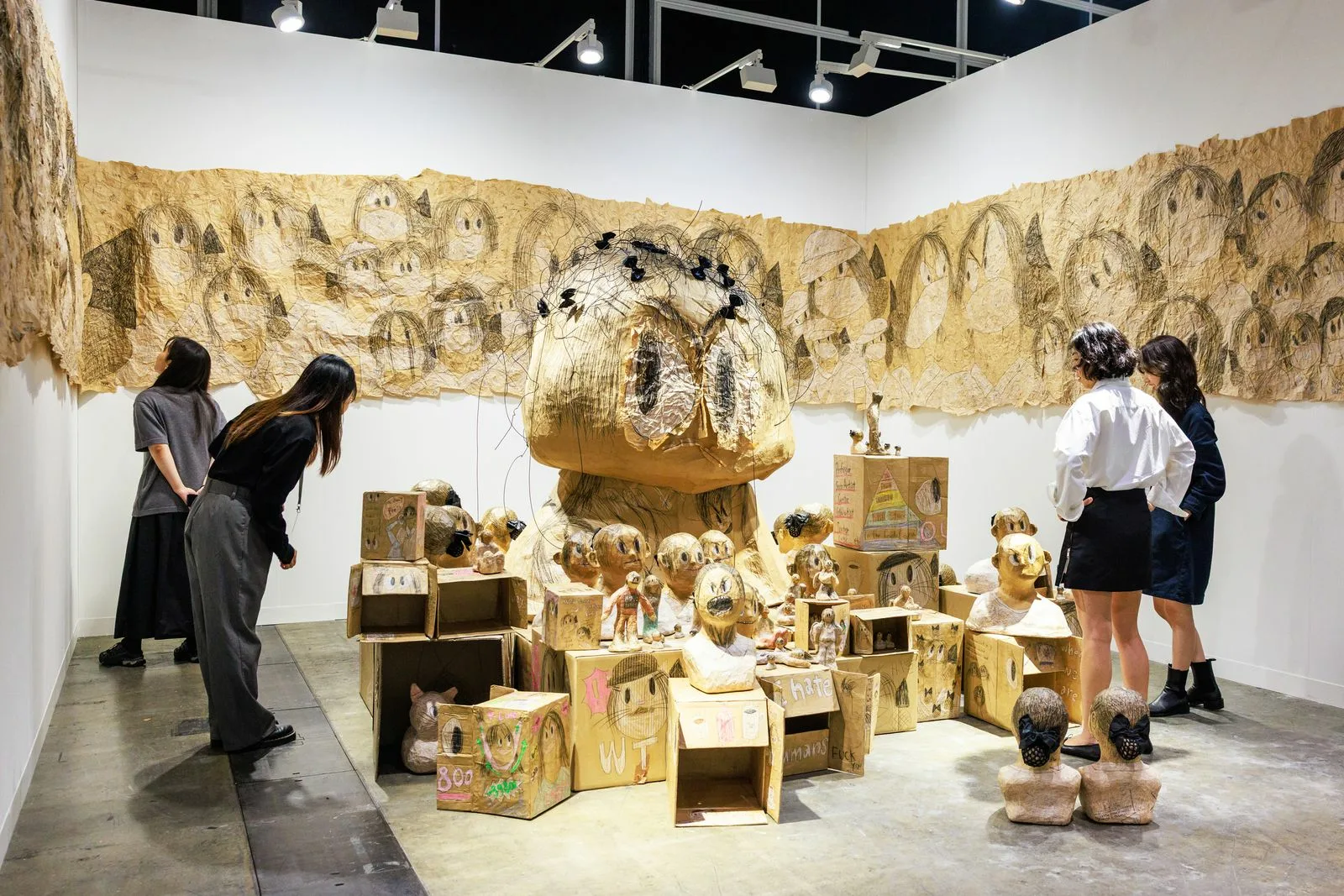
This does not mean planning every minute.
Unexpected discoveries are one of the main pleasures of an art fair.
A useful strategy is to divide the visit into two parts.
First, visit the galleries and artists already on your list.
Then leave time to wander without a fixed route.
Wei Rongda recommends treating preparation as part of the enjoyment rather than a chore.
Researching an artist before the fair can make the physical encounter more meaningful.
Allow More Than One Day
A major fair is difficult to understand in just a few hours.
First-time visitors may need two or three days.
The first visit can be used to explore and take notes.
The second allows you to return to works that stayed in your mind.

A final visit may be necessary before deciding whether to buy.
Repeated viewing is valuable.
An artwork that seems exciting for five minutes may lose its effect.
Another work may seem quiet at first and become more powerful each time you return.
Even experienced professionals can become disoriented on a large fair floor.
There is no reason to rush simply because other visitors appear confident.
Use the Fair Sectors to Focus Your Visit
Art Basel Hong Kong is divided into sectors.
These sections help visitors understand the type of presentation they are seeing.
Insights focuses on artists and historical developments connected with the Asia-Pacific region.
It can be especially useful for collectors who want to understand regional art histories rather than concentrate only on the newest market names.
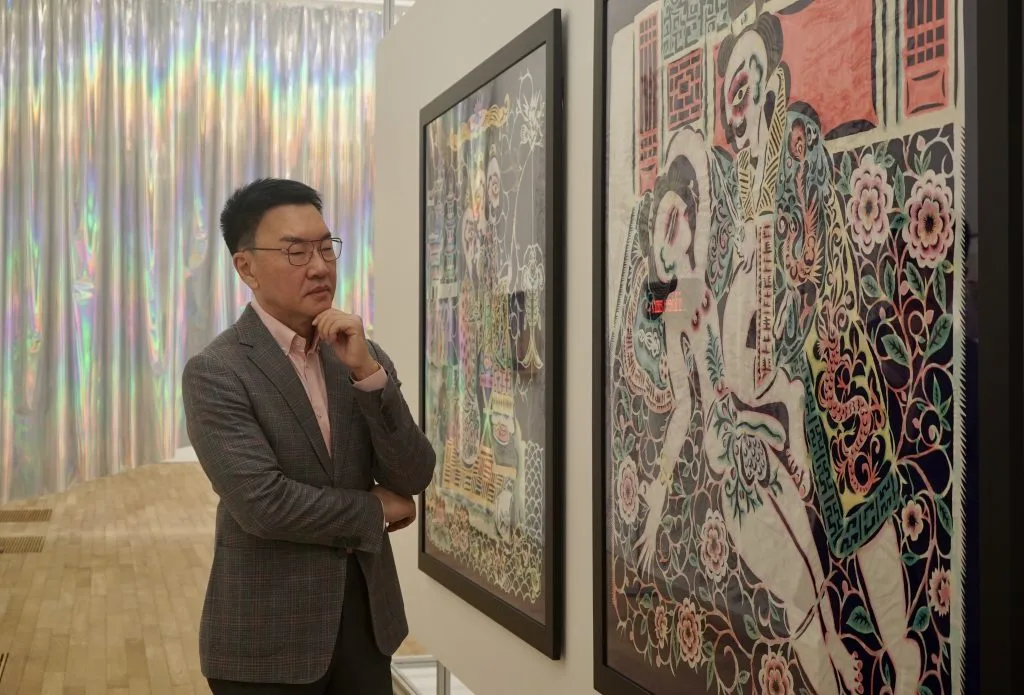
Discoveries presents emerging artists through focused solo exhibitions.
This sector is often attractive to new collectors because it offers the opportunity to study one artistic practice in depth.
Kabinett consists of thematic presentations inside gallery booths.
These projects may focus on one artist, one historical period, or a specific group of works.
The main Galleries sector includes established international programs across modern and contemporary art.
Do Not Ignore Small Galleries
New collectors often begin with famous names.
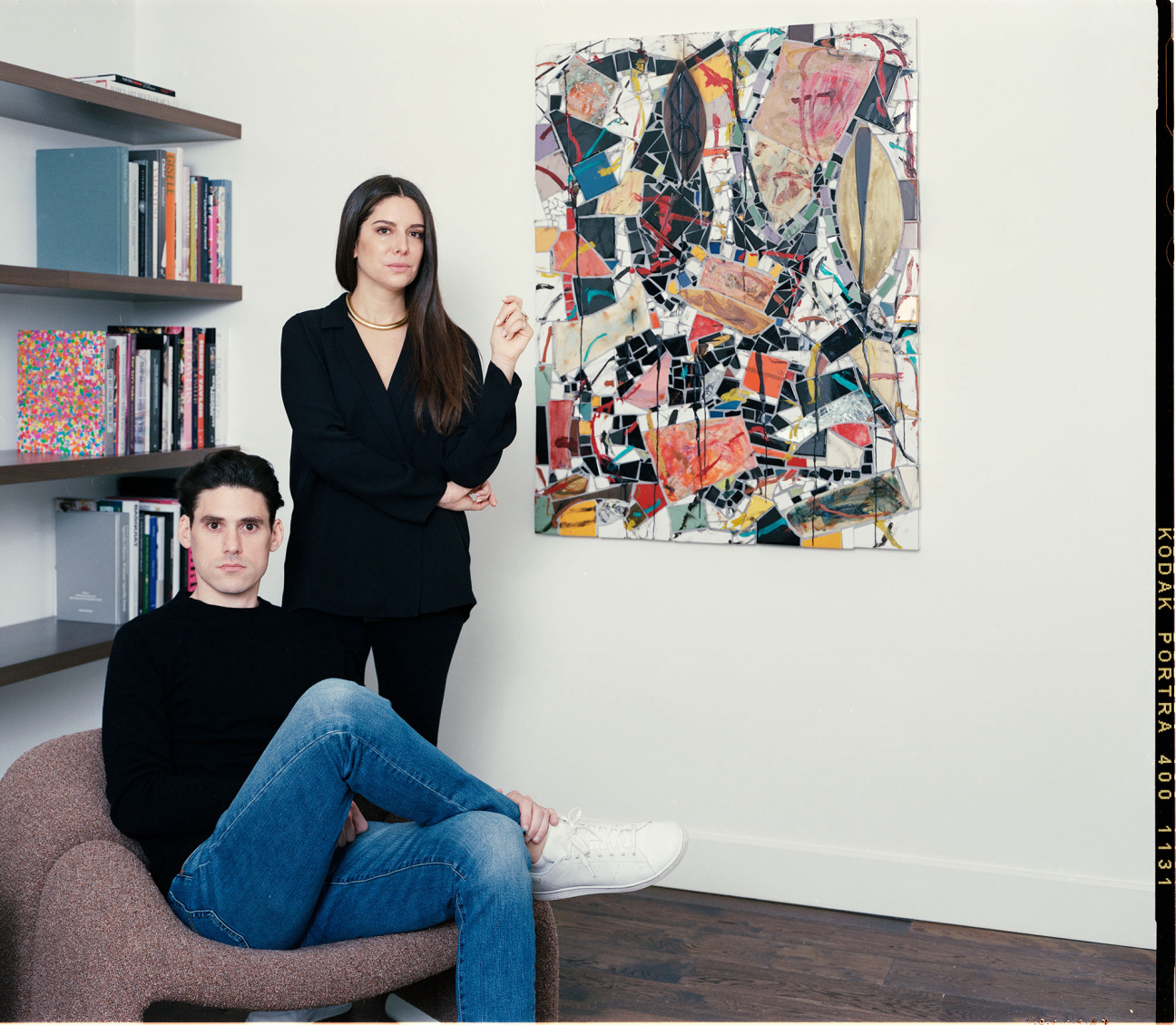
Ellie Huang initially focused on large galleries such as Pace and David Zwirner.
Over time, she became increasingly interested in smaller galleries and their regional histories.
A small gallery may introduce you to an artist before that artist appears in major museums.
It may also provide more time for conversation.
Research where the gallery is based, how long it has represented the artist, and what exhibitions it has organized.
A serious small gallery can offer knowledge and commitment equal to that of a much larger business.
Huang discovered her first fair purchase in the back room of a booth during the closing weekend.
This is an important reminder.
Not every available work is displayed prominently.
Ask whether the gallery has additional pieces.
Develop Your Eye Before Chasing Market Advice
Collectors develop taste by seeing art repeatedly.
Visit museums, galleries, artist studios, and exhibitions.
Read catalogues and interviews.
Compare work by the same artist across several years.
Wei Rongda advises buyers with some existing knowledge to trust their aesthetic experience while remaining within a comfortable financial range.
Angelle Siyang-Le offers a sharper version of the same principle: buy with your eyes, not your ears.
A work should not become desirable only because other collectors are discussing it.
Market reputation can provide useful context, but it should not replace personal attention.
The most fashionable booth is not automatically the best place to begin a collection.
Understand Why You Want to Buy
Before purchasing, ask what motivates you.
Do you want to live with the artwork?
Are you supporting an emerging artist?
Are you building a collection around a region, medium, or theme?
Are you mainly attracted by the possibility of financial growth?
There is nothing wrong with considering value.
The problem begins when speculation becomes the only reason to buy.
A first purchase should be financially manageable.
It should not create pressure to resell quickly.
Collectors learn through ownership, and that process takes time.
Speak With the Gallery
A gallery booth is a commercial environment, but visitors are allowed to ask questions.
Begin with the artist.
Ask what ideas the work explores.
Find out how it relates to the artist’s wider practice.
Ask whether it belongs to a new series or an important earlier period.
Then discuss the practical details.
You need to know:
the price;
dimensions;
medium;
date;
edition size, when relevant;
availability;
condition;
framing;
taxes;
shipping;
documentation.
The gallery should also explain whether the work is unique or part of an edition.
For secondary-market pieces, ask about provenance and previous exhibitions.
Do Not Be Intimidated by Price Questions
Prices may not always be displayed.
Asking is normal.
You do not need to apologize or pretend that every amount is affordable.
Tell the gallery your budget when appropriate.
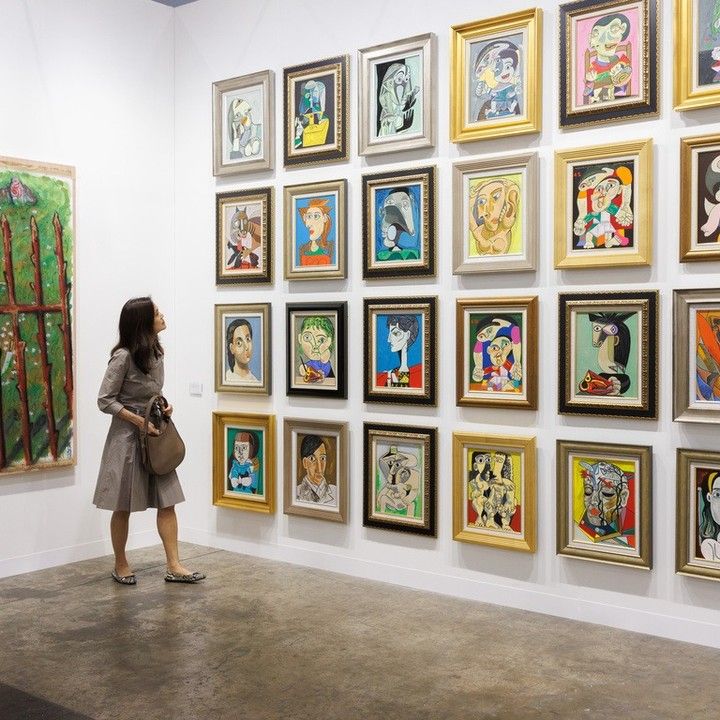
A dealer may show you works on paper, editions, or smaller pieces that are not on the main wall.
Ask what is included in the quoted amount.
Shipping, taxes, insurance, and installation can significantly increase the total cost.
When purchasing internationally, customs rules also matter.
Avoid Purely Impulsive Buying
Art fairs create urgency.
The work may be available for only a short time.
Another collector may be interested.
The gallery may need an answer before the fair closes.
Some decisions genuinely need to be made quickly.
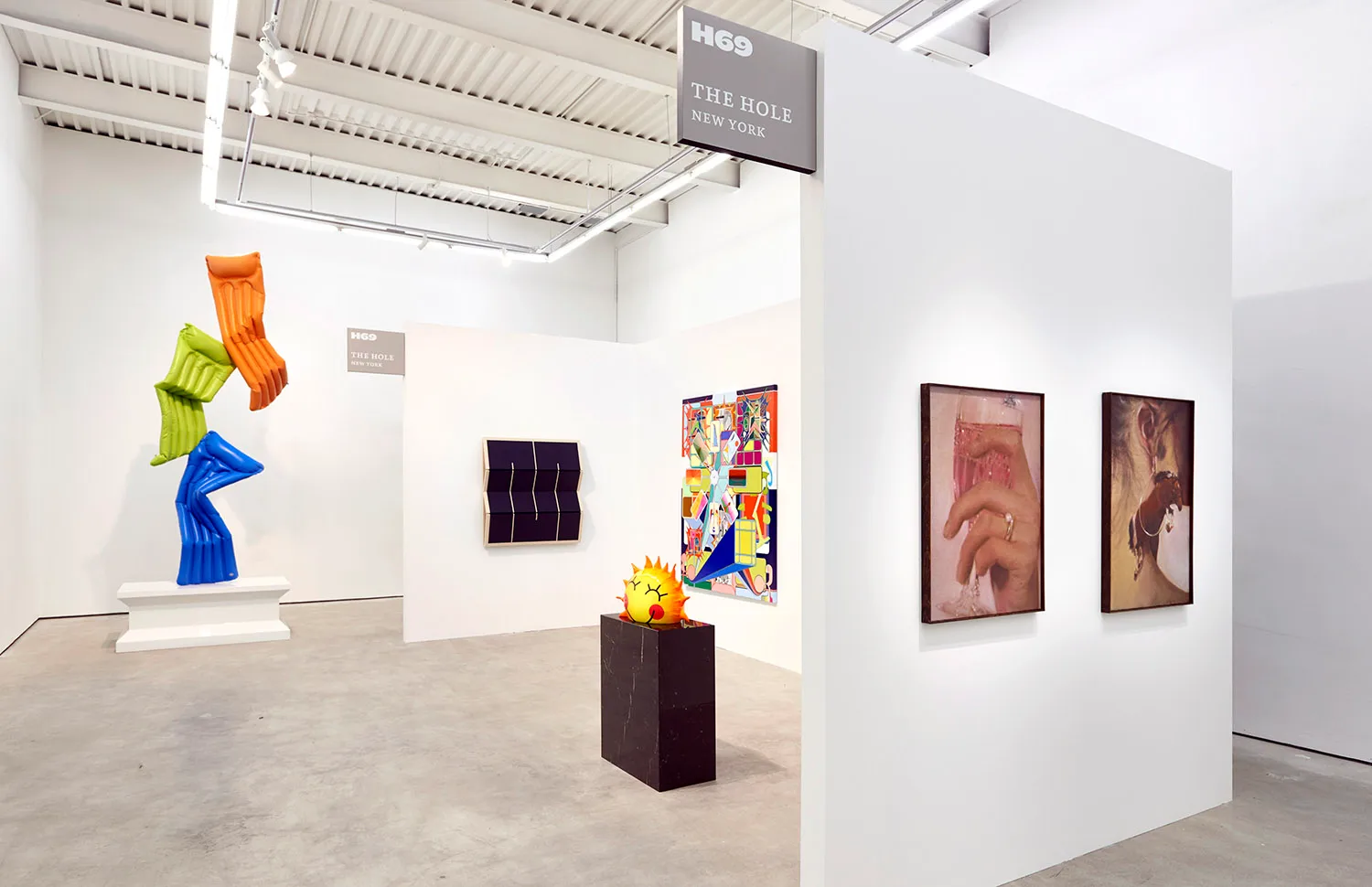
However, urgency should not prevent basic research.
Do not buy only because the booth is crowded or because someone tells you the artist is rising.
Take photographs when permitted.
Write down the details.
Walk away and return later.
A work that continues occupying your thoughts may deserve serious consideration.
Know When to Act
Caution does not mean delaying every decision indefinitely.
A strong work can sell while you are thinking.
Ellie Huang encountered her first purchase on the second day of Art Basel Hong Kong 2024.
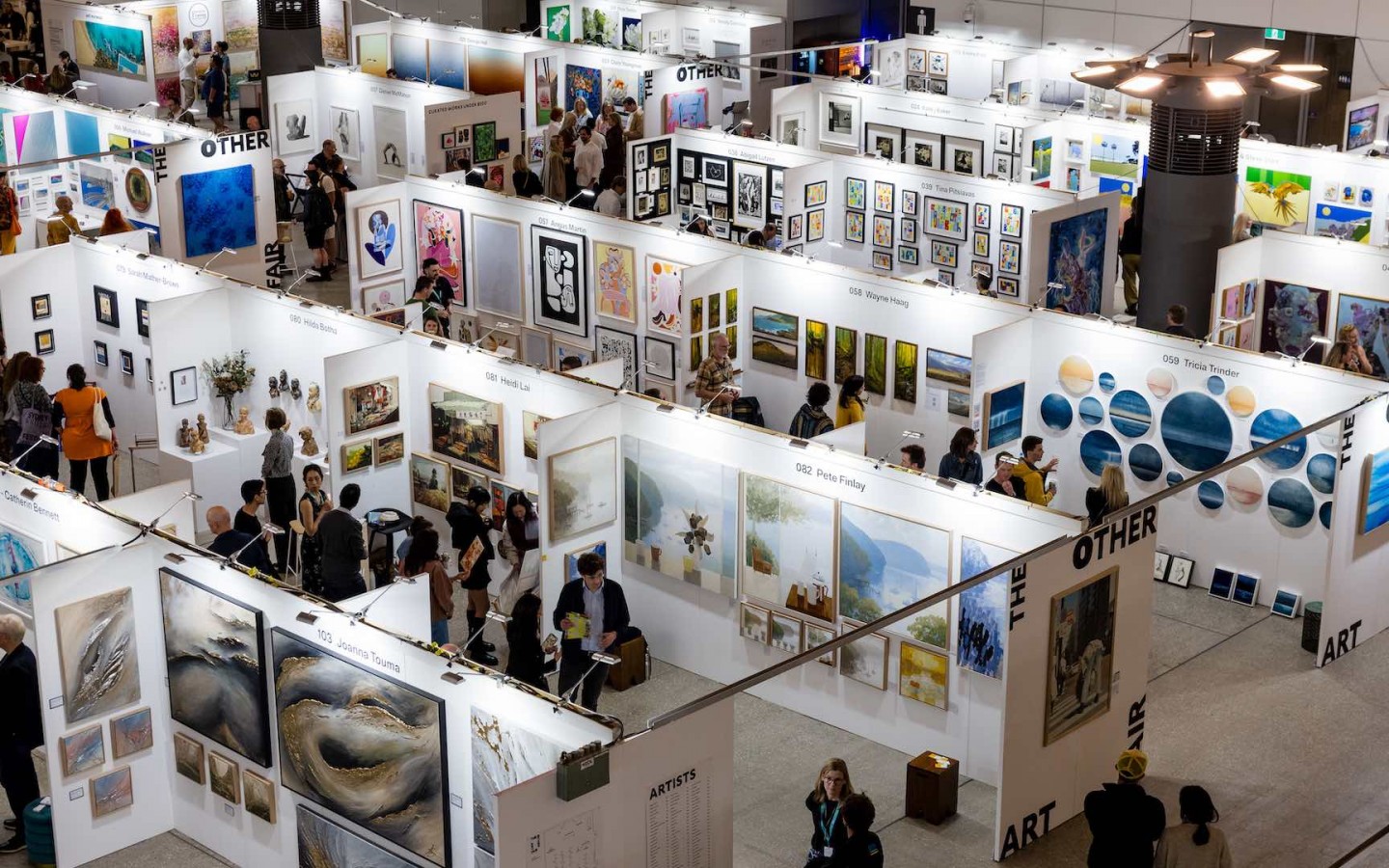
She spoke with the gallery, learned the story behind the artist and the artwork, understood the price, and recognized a deep personal connection.
She decided to buy.
Sometimes the collector has completed enough research and the answer becomes clear.
The important distinction is between informed decisiveness and panic.
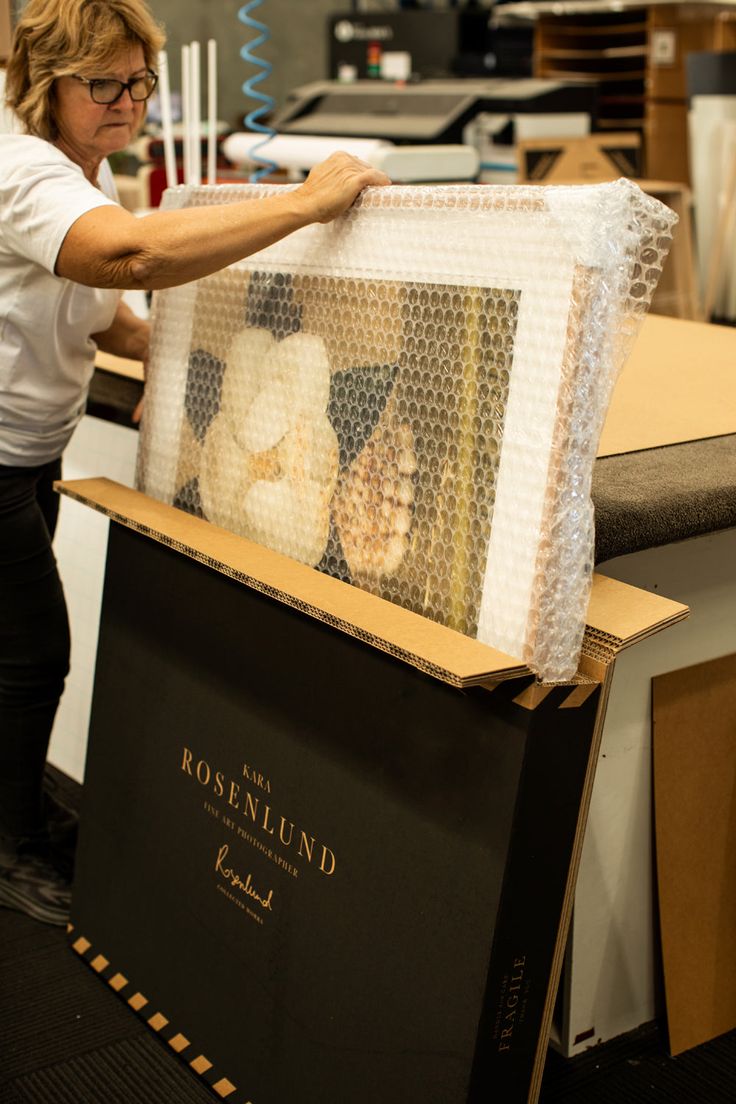
Consider the Practical Side of Transport
Buying art at a fair creates immediate logistical questions.
Small and durable works may sometimes be carried home with proper packaging and customs documentation.
The gallery should assess whether this is safe.
Larger works usually require professional art handlers.
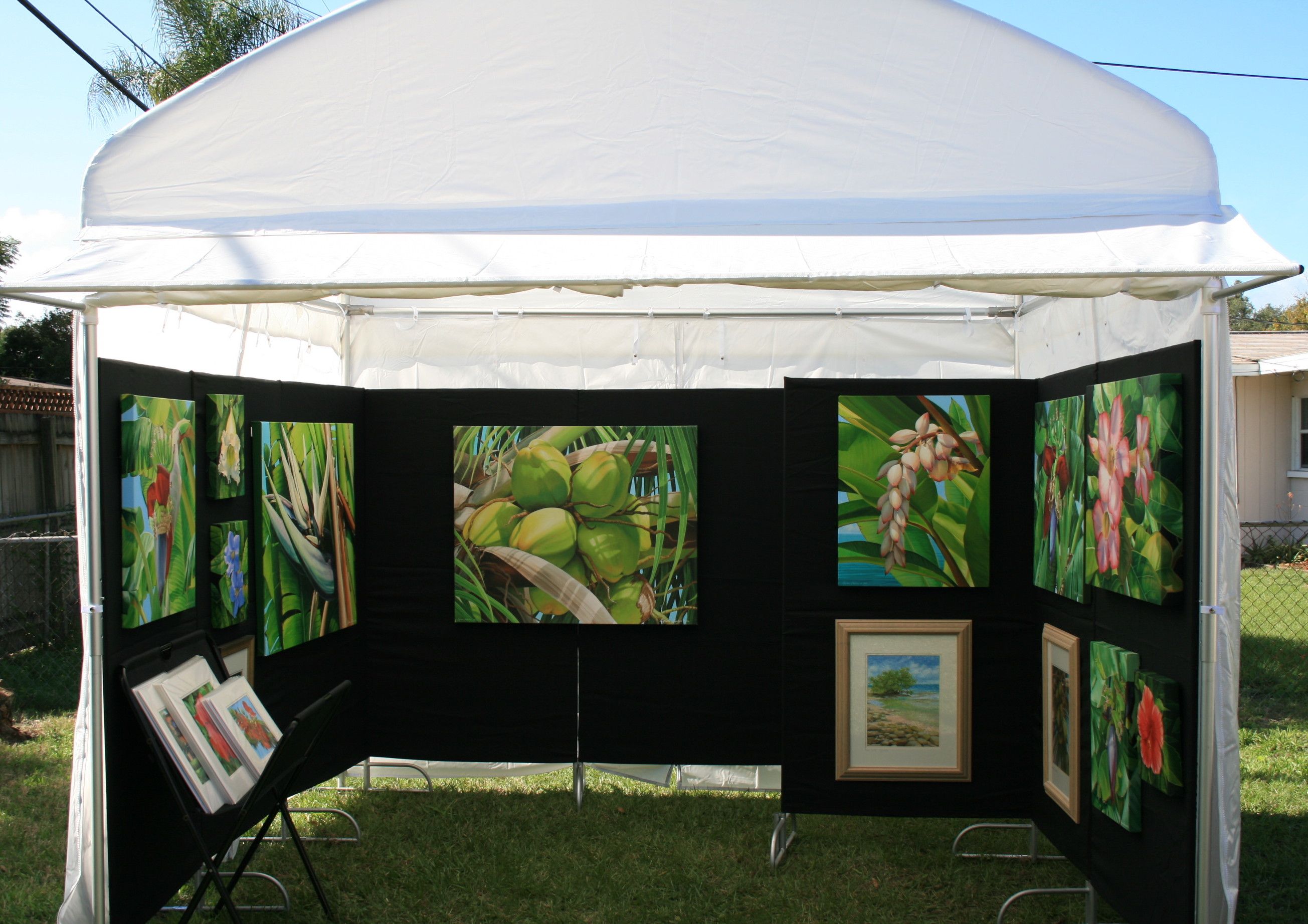
A canvas may occasionally be removed from its stretcher, rolled in a protective tube, and restretched at its destination.
This method is not appropriate for every painting.
The artist’s materials, surface, and construction must be considered.
Never arrange amateur transport simply to save money.
Damage can cost more than professional handling.
Request the Correct Documents
Before payment, confirm what documents the gallery will provide.
These may include:
invoice;
certificate of authenticity;
condition report;
provenance;
edition certificate;
installation instructions;
customs documents;
artist biography;
exhibition history.
The invoice should identify the artist, title, date, medium, dimensions, and price.
Store all records permanently.
They will be needed for insurance, future loans, and eventual resale.
Build Relationships With Galleries
A first purchase can begin a long relationship.
Stay in contact with galleries whose programs you respect.
Attend their exhibitions.
Ask about artists’ future projects.
A gallery may later invite you to studio visits, private previews, or collector events.
Relationships also help galleries understand your taste.
Over time, they may introduce works that fit your collection before those pieces are offered more widely.
This access should grow through genuine engagement, not aggressive networking.
Meet Other Collectors
Collecting can become part of an international community.
Art Basel’s VIP programs, gallery dinners, and museum events bring collectors together.
Regional collector groups can also provide education and introductions.
Art Basel Hong Kong extends beyond the fair hall.
Programs across the city connect visual art with performance, music, and other creative fields.
Tai Kwun Contemporary’s Artists’ Night is one example.
Its 2025 program included Lawrence Lek and performance artist 33EMYBW.
Events like these can help new collectors understand the cultural environment surrounding the market.
Do Not Copy Another Collector’s Taste
Experienced collectors can offer useful advice.
Art advisors can help with pricing, quality, and provenance.
However, the collection should not become a copy of someone else’s holdings.
The goal is to develop your own visual judgment.
Ellie Huang grew up around her mother’s collection, spent time in New York galleries, and gradually formed an independent approach.
Family influence and mentorship can provide a foundation.
The collector still needs to decide what belongs in their own life.
Editorial Note
ArtExpoWorld believes the greatest obstacle facing a first-time art buyer is often not money but intimidation.
Major fairs can make new visitors feel that everyone else understands invisible rules.
In reality, serious collectors continue learning throughout their lives.
Preparation matters, but curiosity matters more.
A gallery that refuses to explain an artwork, price, or process is not creating a healthy relationship with a new buyer.
Collectors should ask questions, compare works, and resist pressure.
At the same time, excessive fear can become another problem.
No amount of research can remove every uncertainty.
A first purchase should combine knowledge with the courage to make a personal decision.