







10 Key Findings From the Art Basel and UBS Survey of Global Collecting 2024
The international art market entered 2024 under pressure.
Economic uncertainty, geopolitical conflict, and weaker auction results created a cautious environment. Some of the world’s wealthiest collectors reduced their spending, while major auction houses reported lower sales.
At the same time, collecting did not stop.
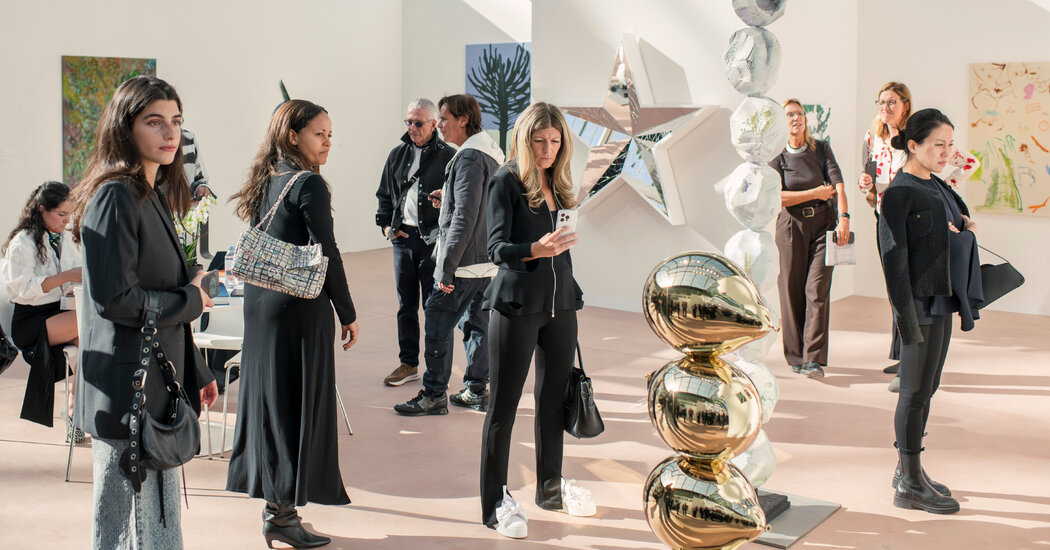
High-net-worth individuals continued buying paintings, works on paper, prints, and works by emerging artists. Galleries remained the most important purchasing channel, art-fair activity increased, and collectors showed a strong willingness to establish relationships with new dealers.
The Art Basel and UBS Survey of Global Collecting 2024, authored by Dr. Clare McAndrew, examined these changes through responses from more than 3,600 high-net-worth individuals across 14 markets.
Rather than presenting a simple picture of growth or decline, the report revealed an art market moving in several directions at once.
Here are its 10 most important findings.
1. The Wealthiest Collectors Reduced Their Average Spending
Average expenditure among ultra-high-net-worth collectors fell substantially in 2023.
The average dropped by approximately 32% to USD 363,905.
At first glance, this appears to show a sharp decline in confidence. However, the median spending figure remained almost unchanged at approximately USD 50,000.
This distinction is crucial.

An average can be strongly affected by a small number of exceptionally large purchases. When a few major collectors reduce multimillion-dollar spending, the average falls dramatically even if the typical collector continues buying at a similar level.
The stable median suggests that ordinary activity among wealthy collectors remained more resilient than the headline decline implied.
Figures from the first half of 2024 showed median expenditure of approximately USD 25,555. If spending continued at a similar rate during the second half of the year, the annual result would remain close to the previous level.
The top of the market may have cooled, but the collector base did not disappear.
2. The Art Trade Remained Active Despite Weaker Auctions
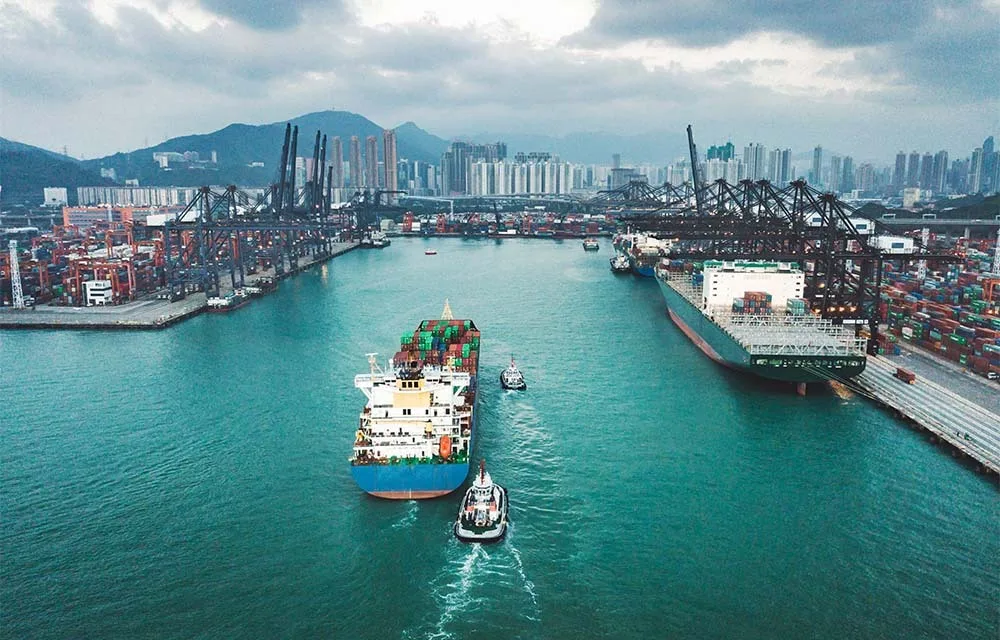
Global imports of art and antiques increased by approximately 6% to USD 33 billion.
Hong Kong played an important role in supporting this trade.
Exports declined slightly to around USD 32 billion, while traditional centers including the United States and United Kingdom showed continued weakness.
Auction results were more difficult.
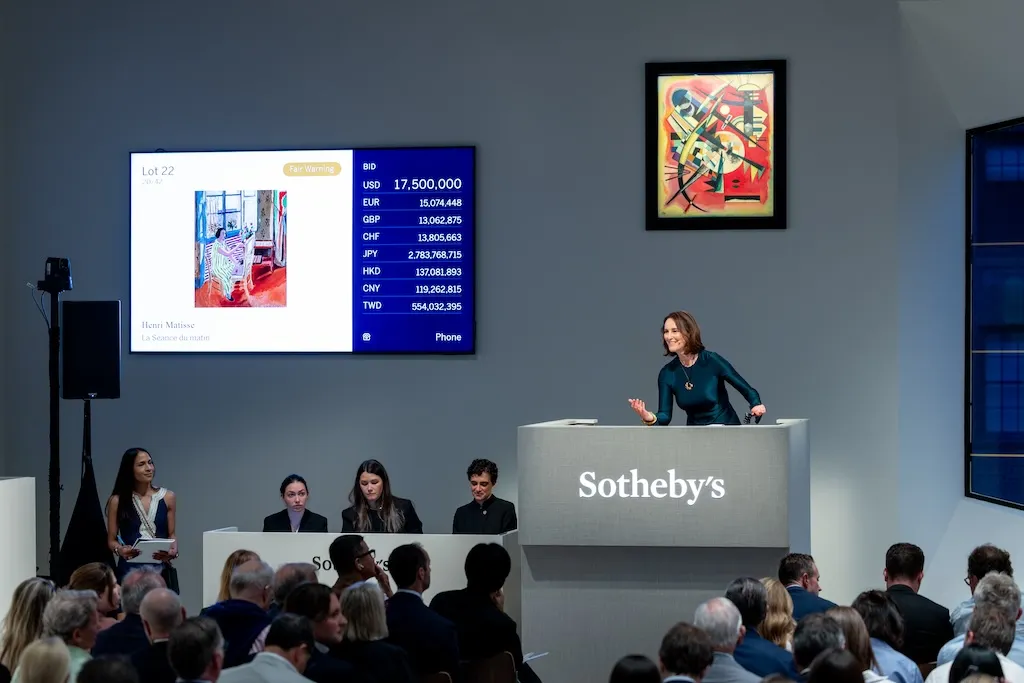
Christie’s, Sotheby’s, Phillips, and Bonhams recorded a combined sales decline of approximately 26% during the first six months of 2024.
This does not mean that collectors lost interest in art.
Auction houses are most visible when handling expensive works, major estates, and evening sales. A slowdown in these areas can coexist with steady activity through galleries, private dealers, online platforms, and lower-value auctions.
The art market is not one single system.
Different price levels and sales channels can move in opposite directions.
3. Younger Collectors Are Not Automatically Rejecting Inherited Art
Much has been written about the Great Wealth Transfer and the possibility that younger heirs will sell the collections assembled by their parents and grandparents.
The survey complicates that assumption.
Approximately 91% of high-net-worth respondents owned artworks received through inheritance, gifts, or bequests.
Around 72% retained at least some of those works.
When inherited art was sold or donated, the main reasons were often practical rather than aesthetic.
Collectors lacked enough space, needed to settle estate taxes, or faced difficulties integrating large collections into their lives.
Less than one-third of millennial and Generation Z respondents said inherited works were removed because they did not fit their taste.
Generational change will certainly affect collections, but the process may be more evolutionary than destructive.
Many younger collectors are preserving family artworks while adding new artists, mediums, and cultural priorities.
4. Collectors Are Supporting New and Emerging Artists
Just over half of high-net-worth spending in 2023 and the first half of 2024 went toward works by new and emerging artists.
The reported share reached approximately 52%, up from 44% in the previous survey.
Spending on mid-career artists fell to around 21%, while established top-tier artists received approximately 26%.
This is one of the most culturally significant findings.
Emerging artists depend on early buyers.
Purchases help finance studios, materials, and future projects. They also give galleries confidence to continue organizing exhibitions and presenting artists at fairs.
The data suggests that wealthy collectors were not concentrating exclusively on the safest famous names during uncertainty.
Many were willing to explore less established practices.
However, support for emerging artists also creates responsibility.
Rapid demand can push prices beyond a sustainable level. Collectors who buy new work and immediately resell it may damage the artist’s market.
Meaningful support requires patience.
5. Women Artists Represent a Growing Share of Collections
Works by women artists accounted for approximately 44% of the art held by surveyed collectors in 2024.
This was the highest share recorded in seven years and represented a significant increase from 33% in 2018.
Spending followed a similar pattern.
Around 44% of expenditure went toward women artists, compared with 56% for men.
The wealthiest and most active collectors showed an even stronger balance.
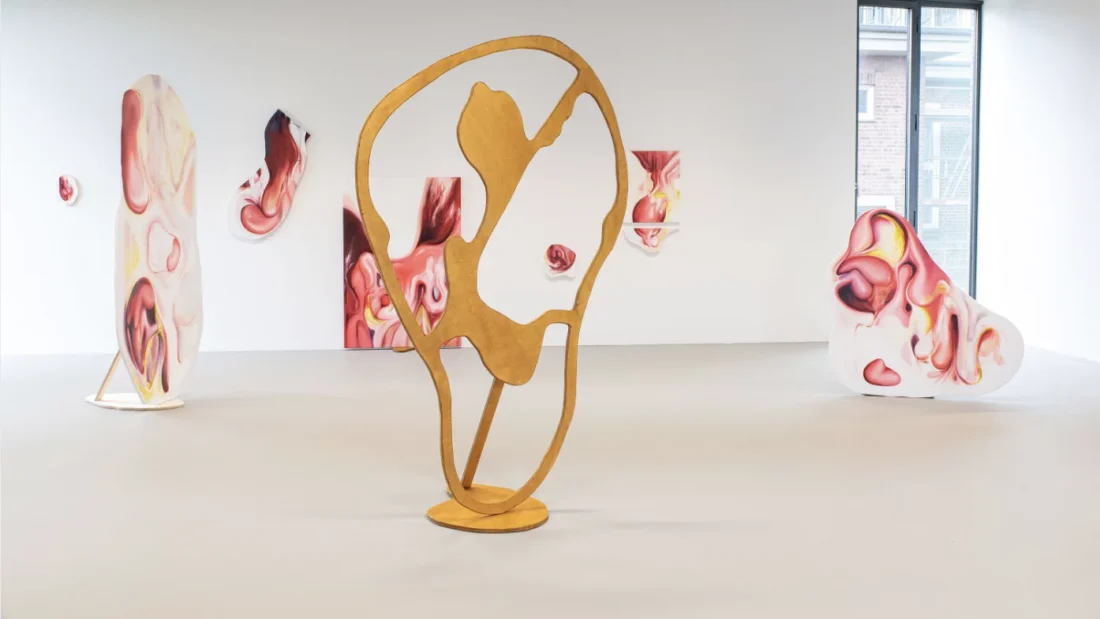
Respondents who had spent more than USD 10 million on art and antiques during 2024 devoted approximately 52% of their spending to women artists.
Those spending between USD 1 million and USD 10 million divided their expenditure almost equally between male and female artists.
This indicates that the growing visibility of women artists is not limited to lower price categories.
Collectors are increasingly acquiring historically overlooked figures as well as contemporary women.
The long-term effect will depend on whether this interest produces serious research, museum exhibitions, and sustained gallery support rather than a temporary market trend.
6. Painting Still Dominates, but Works on Paper and Prints Are Growing
More than three-quarters of respondents purchased at least one painting during both 2023 and the first half of 2024.
Painting remains the central medium of the art market.
It is familiar, relatively easy to display, and supported by centuries of collecting traditions.
However, works on paper experienced substantial growth.
More than half of surveyed collectors bought in this category during 2023, compared with approximately 33% in 2022.
Print buying also increased, reaching approximately 35%.
These mediums generally offer lower entry prices than major paintings and sculptures.
They can therefore support market activity during periods when collectors become cautious about large purchases.
Works on paper and prints should not be treated simply as cheaper substitutes.
Drawings, studies, photographs, and editioned works can be central to an artist’s practice.
Their growing popularity may help create a broader and more stable collecting base.
7. Generation X Became the Highest-Spending Group
Generation X collectors reported the highest average spending in 2023.
Their expenditure reached approximately USD 578,000, representing a modest year-on-year increase.
Their lead continued during the first half of 2024.
Generation X spending was more than one-third higher than millennial spending and approximately double the spending reported by baby boomers and Generation Z.
Millennial collectors had previously recorded some of the fastest growth.
In 2023, their average spending declined by approximately 50% to USD 395,000.
This does not mean millennials left the market.

They remained a large and influential collector group, particularly in digital channels and newer categories.
The data shows that generational narratives can change quickly.
Younger collectors are not always the highest spenders, and older collectors are not automatically the most conservative.
8. Galleries Remain Central, but Collecting Is Now Multichannel
Approximately 95% of respondents purchased through galleries or dealers in some form.
This included physical gallery visits, art fairs, websites, online viewing rooms, email, telephone, and Instagram.
Dealer-related transactions represented around 60% of total spending in the first half of 2024.
The distribution showed how fragmented modern buying has become:
approximately 28% through gallery visits;
25% through dealer websites or online platforms;
18% at art fairs;
18% through email or telephone;
11% through Instagram.
Collectors no longer choose between physical and digital purchasing.
They use both.
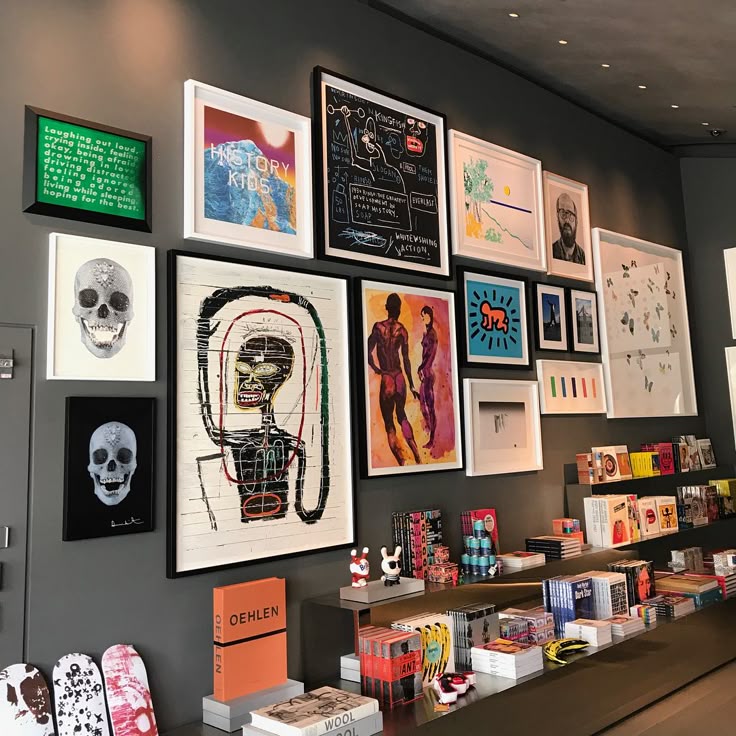
A buyer may discover an artist on Instagram, request additional material by email, view the work through a video call, and complete the purchase after meeting the gallery at a fair.
The strongest dealers are therefore not replacing personal relationships with technology.
They are using technology to support those relationships.
9. Collectors Are Working With More Galleries and Buying Locally
Collectors showed a strong willingness to engage with new dealers.
Around 88% of respondents who purchased through galleries had bought from at least one dealer they had not previously used.
The average number of galleries purchased from rose to approximately 18 in 2023 and 17 during 2024.
In 2019, the comparable figure was around 13.
At the same time, local buying increased.
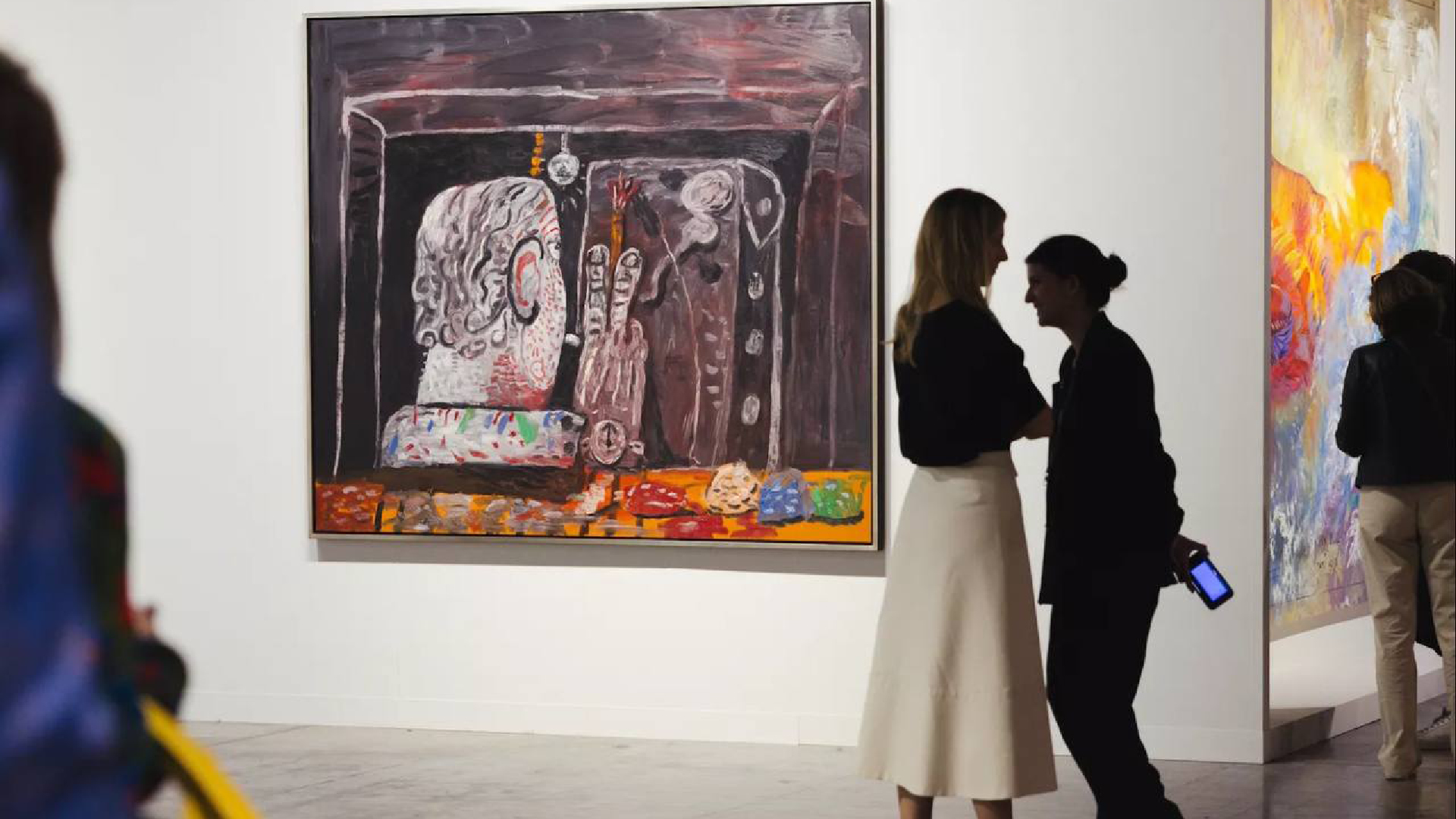
Approximately 70% of galleries used by respondents in 2024 were based within their own region, compared with 50% in 2022.
This suggests that globalization and localism are developing together.
Collectors can discover international art online while also strengthening relationships with nearby galleries.
Local galleries offer practical benefits.
They provide easier access to exhibitions, studio visits, collection support, and personal advice.
Regional buying may also reduce transportation costs and help sustain local artistic ecosystems.
10. Mainland Chinese Collectors Remained Exceptionally Active
High-net-worth collectors in Mainland China reported the highest median expenditure.
The figure reached approximately USD 97,000 during 2023 and remained at the same level in the first half of 2024.
This was more than double the median reported in any other surveyed region.
The result is especially notable because it occurred during wider concerns about slower economic growth in China.

The data suggests that wealthy Chinese collectors remained strongly engaged with art.
Their influence extends beyond purchasing.
Private museums, foundations, corporate collections, and artist-support programs have expanded across Beijing, Shanghai, Guangzhou, and other cities.
Chinese collecting also increasingly connects domestic art with practices from Southeast Asia, Africa, Latin America, and the wider Global South.
The Art Basel VIP Survey Revealed a Different Type of Collector
A separate study of more than 1,400 Art Basel VIP collectors revealed meaningful differences.
This group spent approximately 73% of its art budget through dealers.
Art fairs represented around 26% of dealer-related expenditure, a higher share than in the broader survey.
VIP collectors also showed a stronger preference for in-person transactions.
Approximately 55% of their dealer spending occurred at gallery or dealer premises.
Confidentiality, trust, and security were important motivations.
These collectors valued fairs for discovering artists and comparing a large variety of works, but many completed major transactions through established private relationships.
The comparison shows why one set of statistics cannot describe every collector.
A new online buyer and a long-established international patron may participate in the same market while behaving very differently.
What These Findings Mean for the Art Market
The Survey of Global Collecting 2024 does not describe a market in collapse.
It describes a market becoming more selective.
Collectors reduced some of their largest purchases while remaining active at lower and middle price levels.
They supported emerging artists, bought more works on paper and prints, and continued expanding their gallery relationships.
At the same time, planned selling increased and auction results weakened.

The market was moving away from the extraordinary spending patterns that followed the pandemic.
This may be painful for sellers expecting constant price growth.
It may also create healthier conditions for collectors focused on quality rather than momentum.
Editorial Note
ArtExpoWorld believes the most important message of the Survey of Global Collecting 2024 is that headline auction results do not describe the entire art market.
The decline in major sales was real, but collecting continued through galleries, fairs, online platforms, and regional networks.
The increase in spending on emerging artists and women artists is encouraging.
However, money alone does not guarantee lasting recognition. Artists need exhibitions, scholarship, conservation, and long-term collectors who do not immediately resell their work.
The survey also shows that collectors are becoming more flexible. They buy online and in person, internationally and locally, from famous galleries and from dealers they have only recently discovered.
The strongest art businesses will understand this complexity rather than searching for one universal model of the modern collector.