









Pablo Picasso is widely regarded as one of the most influential artists in the history of modern art. Throughout a career spanning more than seven decades, Picasso continuously reinvented his artistic language, reshaping painting, sculpture, printmaking, ceramics, and visual culture itself.
Picasso’s artistic evolution is marked by remarkable diversity. His Blue Period explored themes of poverty and isolation through cool monochromatic palettes, while the Rose Period introduced warmer colors and more optimistic subjects. These early phases demonstrated his extraordinary ability to adapt style to emotional expression.
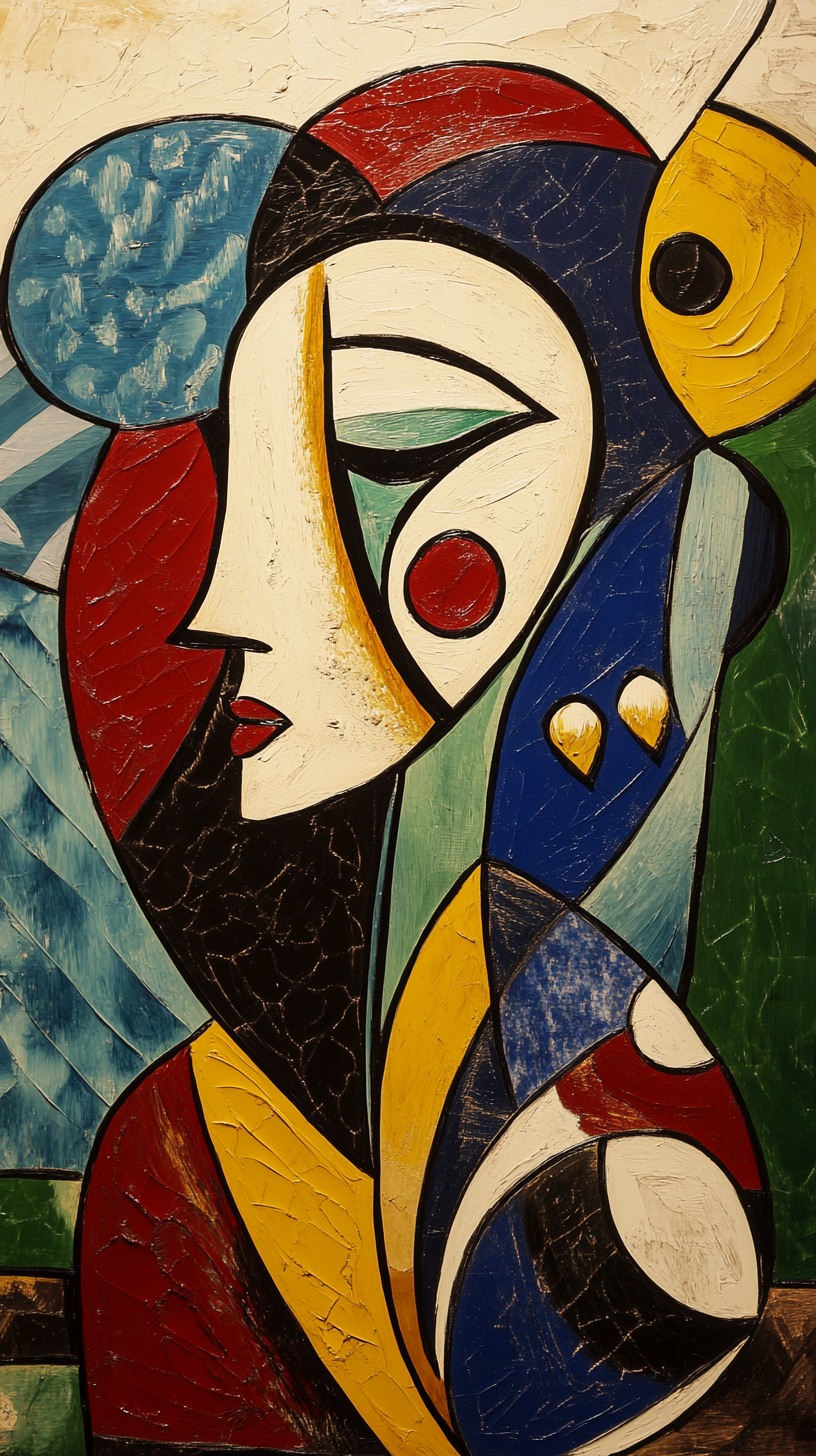
A defining feature of Pablo Picasso’s work is his role in the development of Cubism alongside Georges Braque. By fragmenting objects into multiple viewpoints, Picasso fundamentally changed how space and form could be represented in painting. Cubism became one of the defining movements of twentieth-century art.
His masterpiece Guernica remains one of history’s most powerful anti-war paintings. Through dramatic monochromatic imagery, fragmented figures, and symbolic composition, Picasso transformed a historical tragedy into a universal statement about violence and human suffering.
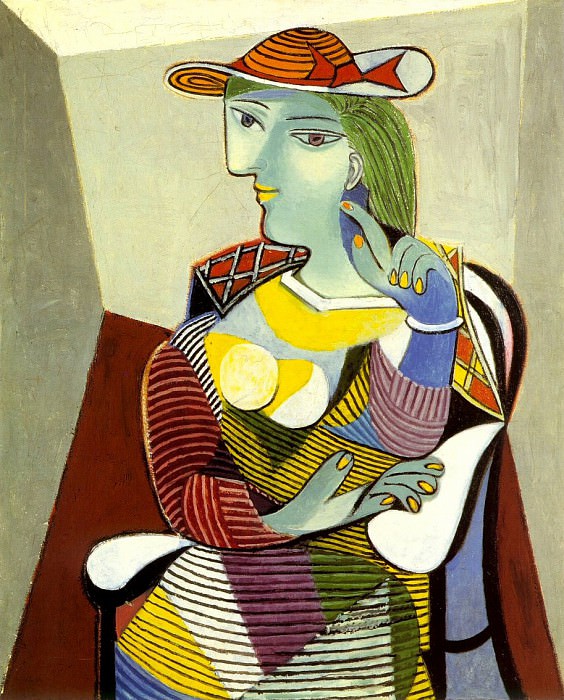
Picasso constantly experimented with materials and techniques. Beyond painting, he produced sculptures, ceramics, collages, prints, and stage designs, refusing to remain confined by any single medium or artistic movement.
Color in Picasso’s work changed dramatically throughout his career. From melancholic blues to vibrant Mediterranean palettes and restrained monochromatic compositions, every chromatic decision reflected a distinct artistic direction.
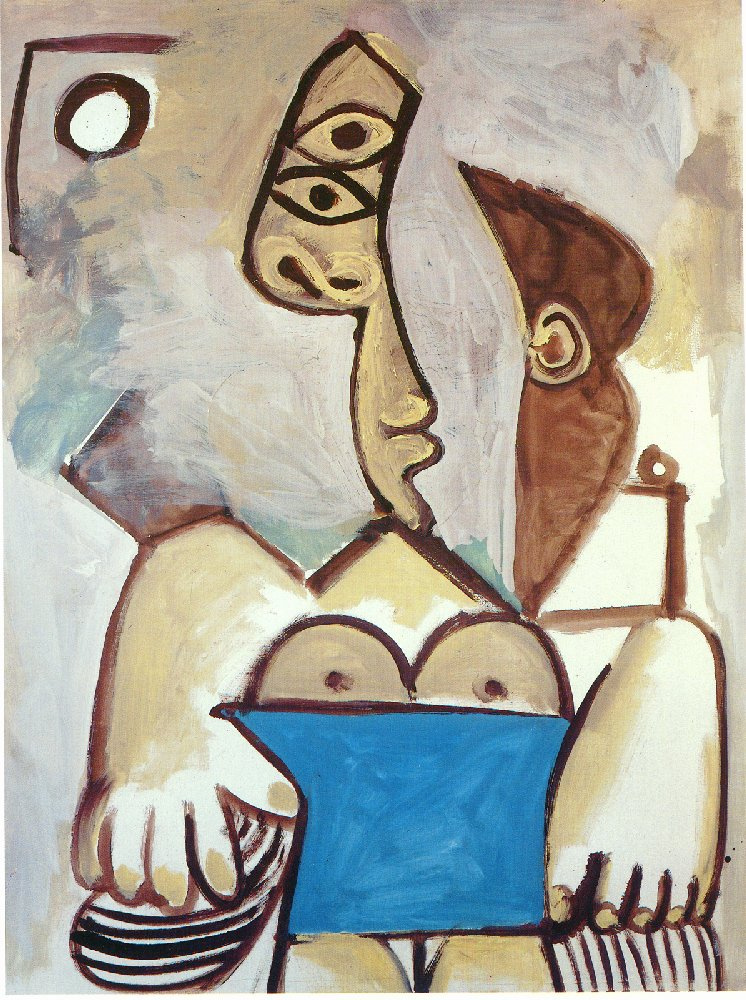
His compositions often challenge conventional perspective. Figures are reconstructed from multiple angles simultaneously, encouraging viewers to rethink perception rather than simply observe reality.
Within modern art history, Picasso stands as perhaps the most transformative artistic figure of the twentieth century. His innovations influenced Cubism, Surrealism, Expressionism, Abstract Art, and countless later movements. At ArtExpoWorld, we regard Picasso as one of the foundational architects of contemporary visual culture.
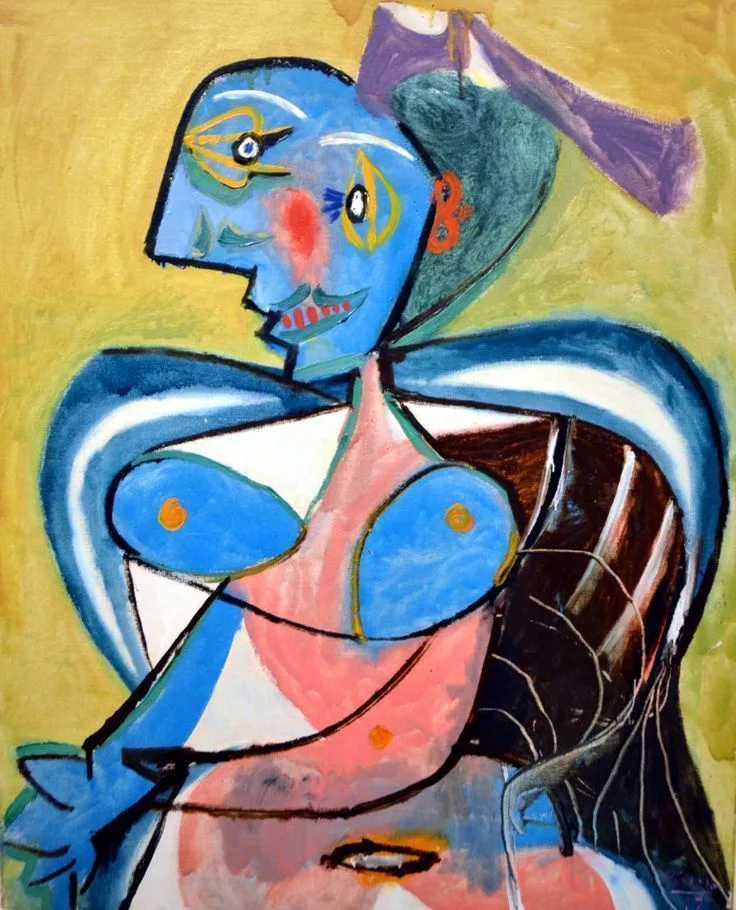
His legacy lies in his relentless experimentation and refusal to accept artistic limitations. Few artists have expanded the language of visual art as profoundly as Picasso.
At ArtExpoWorld, we consider Pablo Picasso a revolutionary master whose creative vision permanently transformed the history of art.