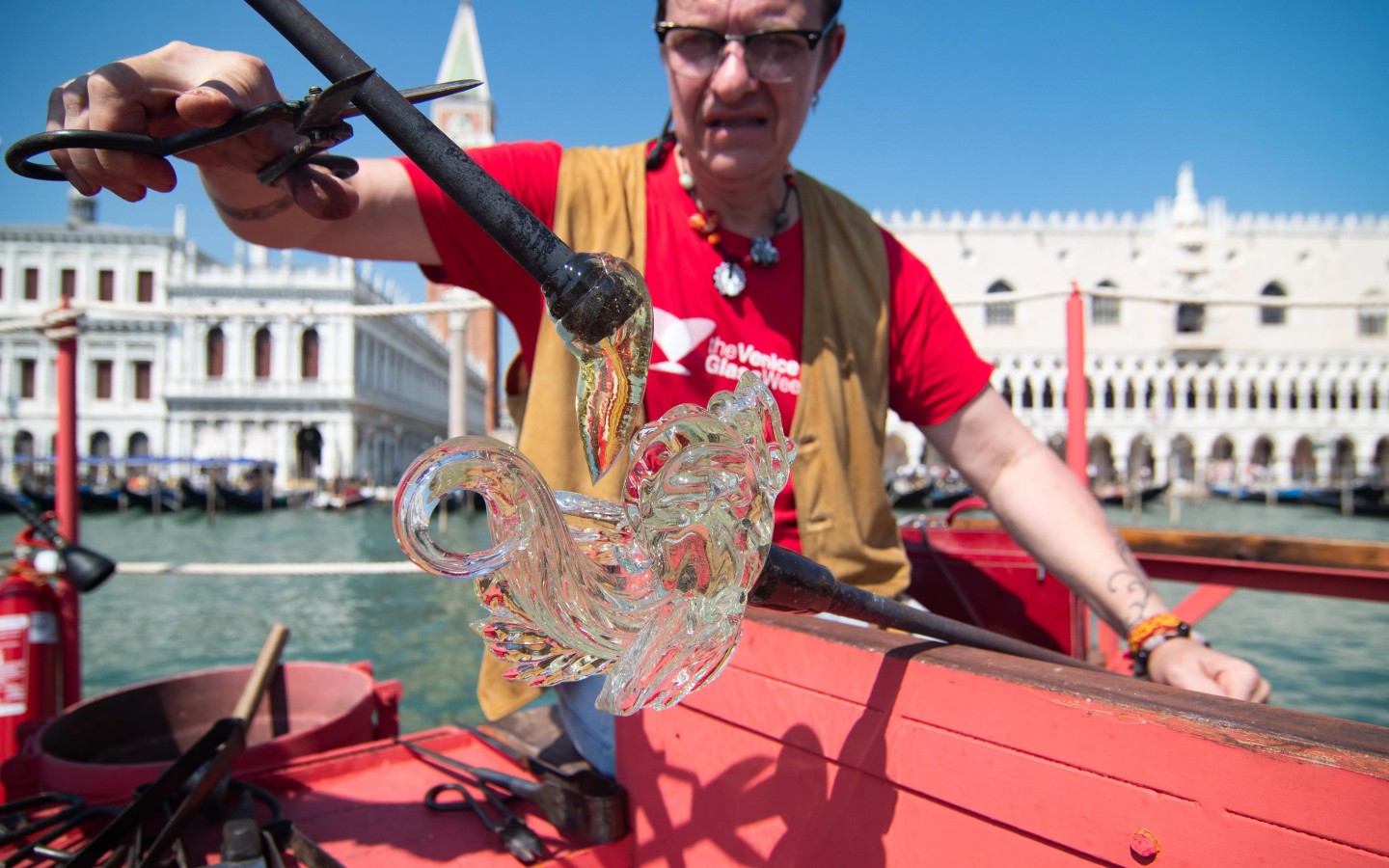
The festival showcases a wide range of practices:

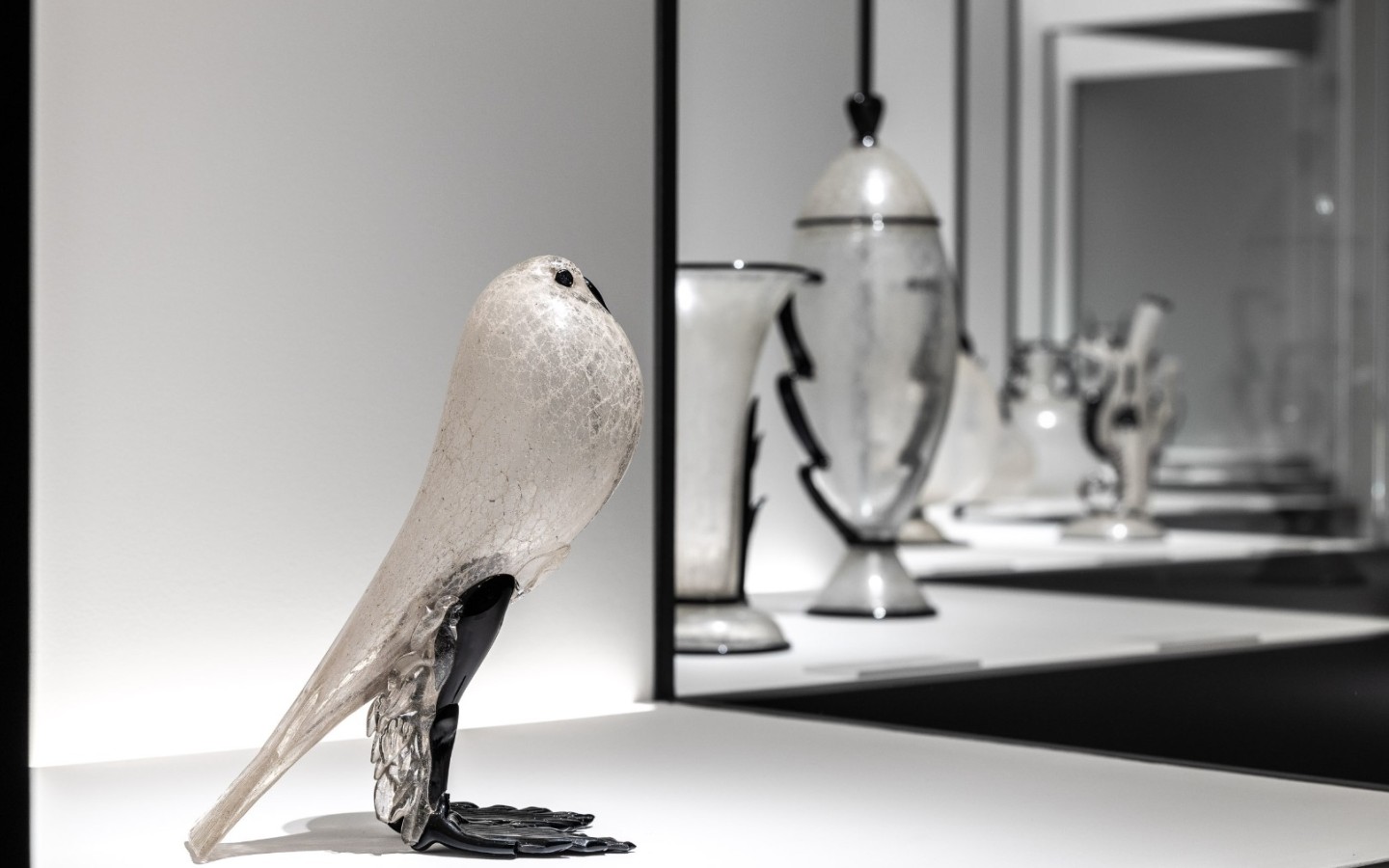
— Traditional Murano glassmaking
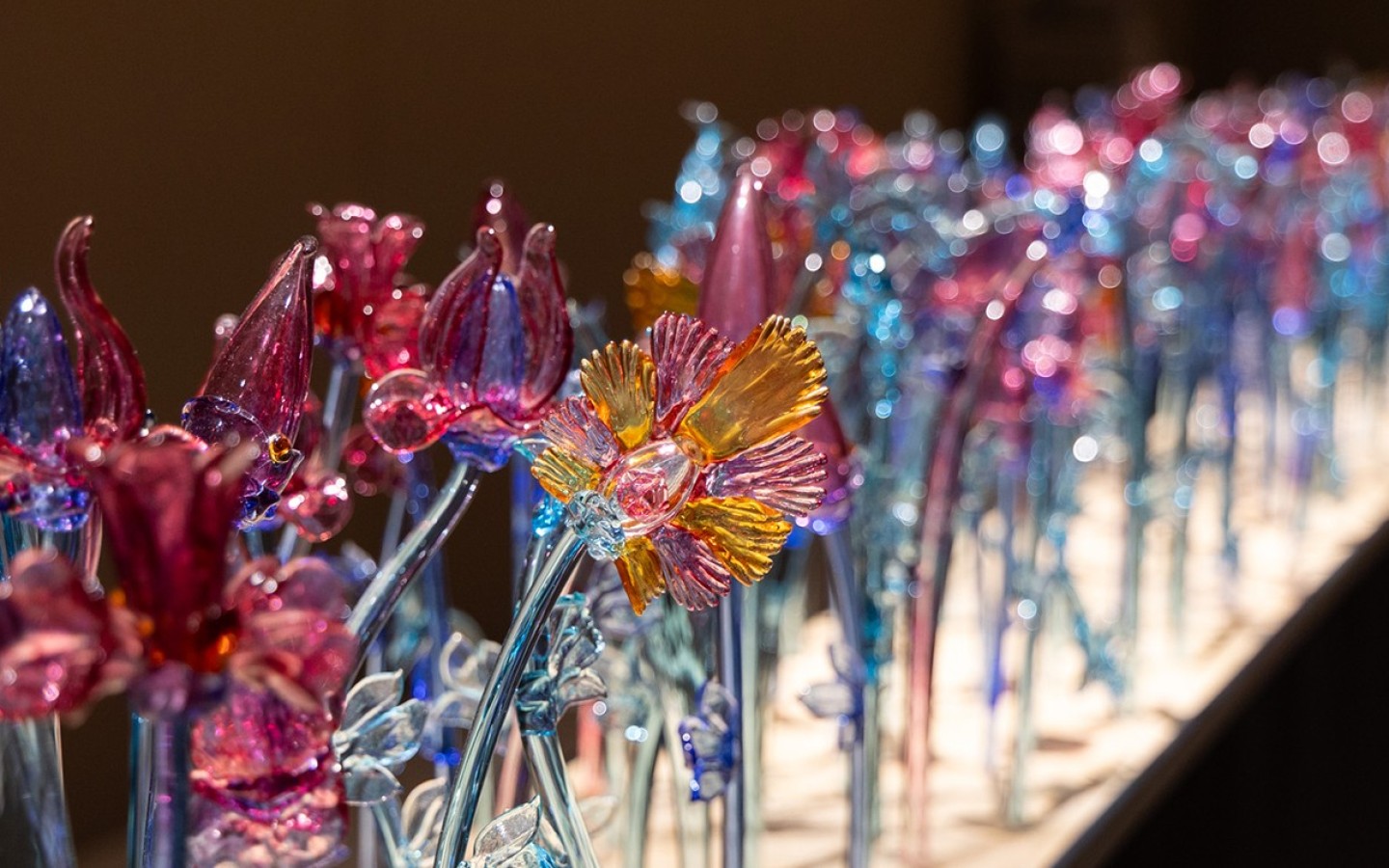
— Contemporary glass sculpture
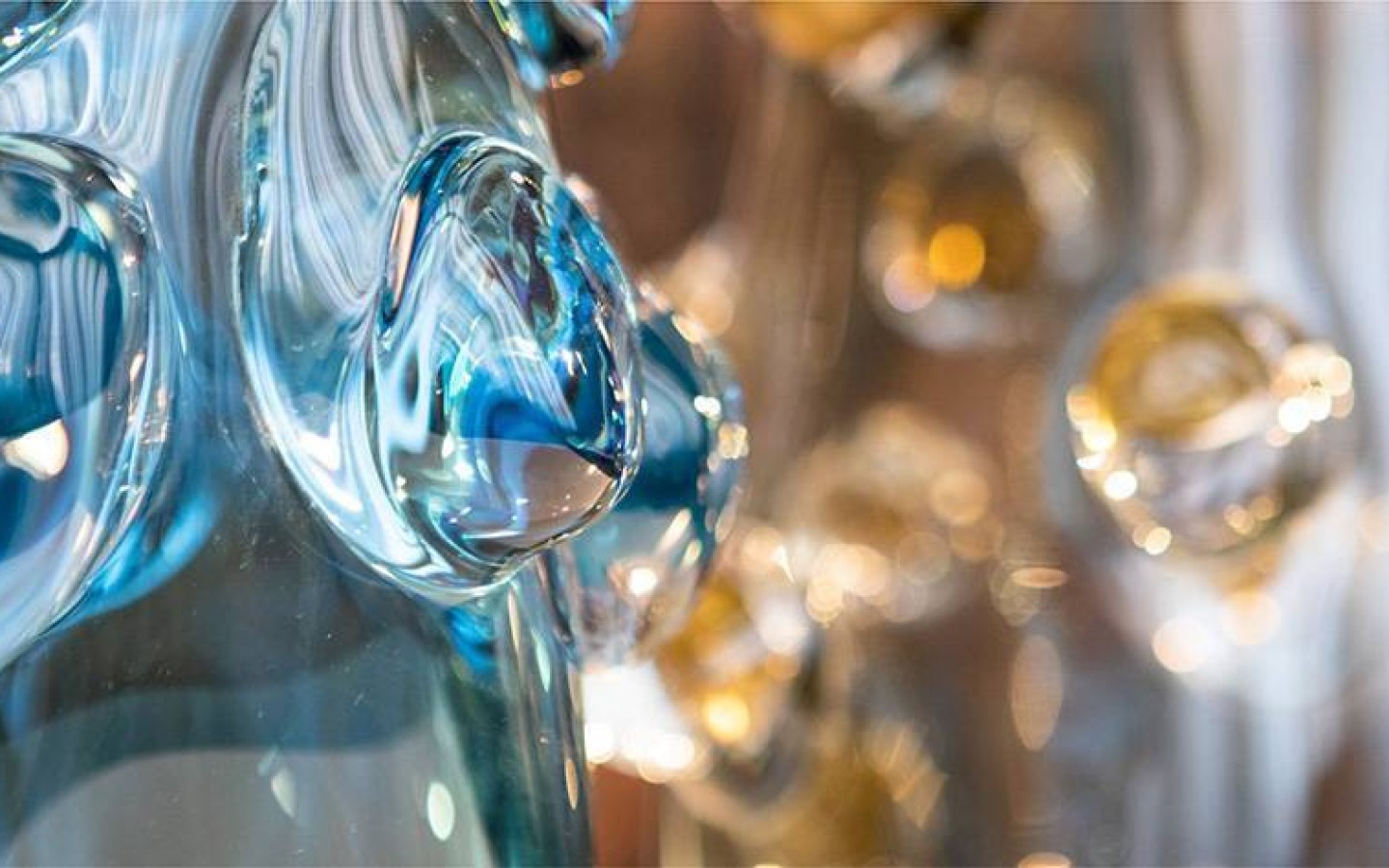
— Experimental material research
— Design and functional objects
— Conceptual installations
— Architectural glass

Artists participating in Venice Glass Week often push the boundaries of the medium, treating glass not only as decorative material but as a conceptual and structural element.

The event attracts both master artisans and contemporary artists working at the intersection of craft and fine art.

Beyond exhibitions, the program includes:

— Live demonstrations in Murano furnaces
— Artist talks and lectures
— Workshops and masterclasses
— Guided tours
— International competitions and awards
— Collaborations with museums and foundations

This educational dimension is critical — it allows visitors to understand not only finished works, but the process behind them.

The festival also strengthens connections between traditional artisans and contemporary designers.

Event Overview

Venice Glass Week is not just a festival — it is a living dialogue between centuries-old craftsmanship and contemporary artistic vision. Murano has been synonymous with glassmaking for over 700 years. Today, this heritage is not preserved as a museum artifact — it is actively evolving. The festival demonstrates how traditional techniques continue to influence modern art, design, and material experimentation.

VENICE GLASS WEEK 2026: Your Complete Visitor Guide

Venice Glass Week 2026 will feature: — Contemporary glass art exhibitions — Design installations — Historical displays — Live glassmaking demonstrations — Site-specific installations — Cross-disciplinary collaborations The event spans hundreds of venues, creating a decentralized cultural experience where visitors move between islands, museums, and workshops.

Dates:

1 September 2026 - 30 September 2026

Location:

Multiple venues across: — Venice — Murano — Mestre. Italy. Key locations include museums, galleries, glass furnaces, palaces, and cultural institutions.

Mission:

Venice Glass Week’s mission is to preserve, promote, and reinvent the art of glassmaking within a contemporary global context. The festival aims to: • Support traditional Murano craftsmanship • Encourage innovation in glass art and design • Foster collaboration between artists and artisans • Promote glass as a contemporary artistic medium • Strengthen Venice’s role as a global cultural center Beyond preservation, the festival actively repositions glass within contemporary art discourse. It challenges the perception of glass as purely decorative, demonstrating its relevance in conceptual, architectural, and experimental practices. Venice Glass Week also plays a crucial role in sustaining the Murano glass industry, which faces economic and generational challenges. By connecting artisans with contemporary artists and international audiences, the festival contributes to the long-term survival of this heritage.

Organizer:

Venice Glass Week is organized by a consortium including cultural institutions, foundations, and organizations dedicated to glass art and Venetian heritage.

Why attend to VENICE GLASS WEEK 2026?

Venice Glass Week 2026 is essential for:

• Collectors interested in glass art and design

• Designers working with material innovation

• Artists exploring craft-based practices

• Cultural professionals studying heritage preservation

• Travelers seeking unique cultural experiences

The festival offers a rare combination of:

— historical depth

— technical mastery

— contemporary experimentation

For collectors, it provides access to both traditional masterworks and cutting-edge design.

For professionals, it offers insight into how craft industries evolve within global cultural frameworks.

For visitors, it delivers an immersive experience — moving between islands, workshops, and exhibitions.

Unlike traditional art fairs, Venice Glass Week is not confined to a single space. It is a city-wide cultural journey.

Ticket Information

General admission costs

One of the defining features of Venice Glass Week is its accessibility. Most exhibitions and events are: • Free to attend • Open to the public • Distributed across multiple venues

Getting There:

By Air:
Venice Marco Polo Airport (VCE) — approx. 20–30 minutes

By Water Transport:
Vaporetto (water buses) connect Venice with Murano and Mestre.

By Train:
Venezia Santa Lucia station provides access to central Venice.

By Walking:
Many exhibitions in Venice are accessible on foot.

Because events are spread across multiple islands, visitors should plan routes carefully.

Travel between Venice and Murano is essential to fully experience the festival.

Gallery: VENICE GLASS WEEK 2026

Secure Your Spot at VENICE GLASS WEEK 2026 —
Before It’s Gone

Free tickets are limited and disappear fast.
Get instant access and secure your spot at the fair.

Early access. Limited availability. Global art — for free.

History of VENICE GLASS WEEK 2026

Venice Glass Week was founded in 2017 to celebrate and revitalize the historic art of glassmaking in Venice and Murano.

The festival emerged in response to growing concerns about the decline of traditional glass production in Murano, as economic pressures and globalization threatened the sustainability of local workshops.

From its first edition, the festival aimed to reconnect contemporary audiences with glass as both craft and art.

Over the years, it expanded rapidly, attracting international participants and institutions. The number of exhibitions, installations, and participating artists grew significantly, transforming the event into a global reference point for glass art.

Venice’s unique history as a center of glass production dates back to the 13th century, when glassmakers were moved to Murano to protect trade secrets and prevent fires in the city.

Murano glass became synonymous with luxury, innovation, and technical mastery, influencing glassmaking traditions across Europe.

Venice Glass Week builds upon this legacy, but does not remain confined to it. The festival actively integrates contemporary practices, digital experimentation, and cross-disciplinary approaches.

Today, it serves as both a preservation initiative and a forward-looking platform.

It demonstrates that traditional craft can remain relevant when connected to contemporary artistic discourse.


Tips for Visitors of VENICE GLASS WEEK 2026

• Plan your itinerary in advance — events are spread across locations
• Allocate at least 2–3 days
• Visit Murano for live demonstrations
• Combine exhibitions with historical sites
• Book workshops early if interested

Be the First to Access Official VENICE GLASS WEEK 2026 Tickets

Don’t miss your chance to attend one of the world’s leading art fairs. Get direct access to the official ticketing page, exclusive updates, and important visitor information.

Early access. Limited availability. Global art at your fingertips.

Editor’s Note

Venice Glass Week 2026 represents one of the most important examples of how traditional craft can evolve within contemporary art.

In a global market dominated by digital and conceptual practices, glass remains one of the most physically demanding and technically complex mediums.

From our perspective, the festival is not just about preservation — it is about transformation.

It shows how heritage industries can survive by integrating with contemporary culture.

For collectors, artists, and cultural thinkers, Venice Glass Week is both a historical journey and a forward-looking experience.

Current and Upcoming Exhibitions