







Max Beckmann was one of the most important German artists of the twentieth century, renowned for his psychologically charged paintings and symbolic interpretations of modern life. Although often associated with Expressionism, Beckmann developed an artistic language that remained entirely his own.
Beckmann’s paintings examine the complexity of human existence through dramatic compositions, powerful figures, and layered symbolism. His work reflects themes of identity, conflict, spirituality, exile, and the search for meaning during periods of profound historical change.
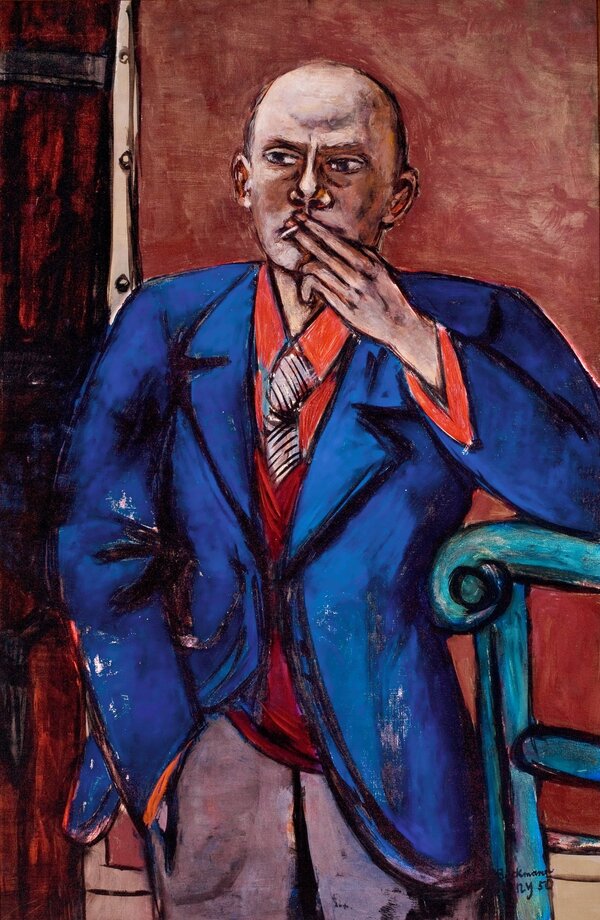
A defining feature of Max Beckmann’s art is his monumental treatment of the human figure. Characters occupy compressed spaces, creating visual tension that reinforces the emotional intensity of each scene.
Color is bold yet disciplined. Deep blacks, saturated reds, golden ochres, and rich blues establish dramatic contrasts while preserving compositional harmony. Every chromatic decision contributes to the psychological atmosphere.
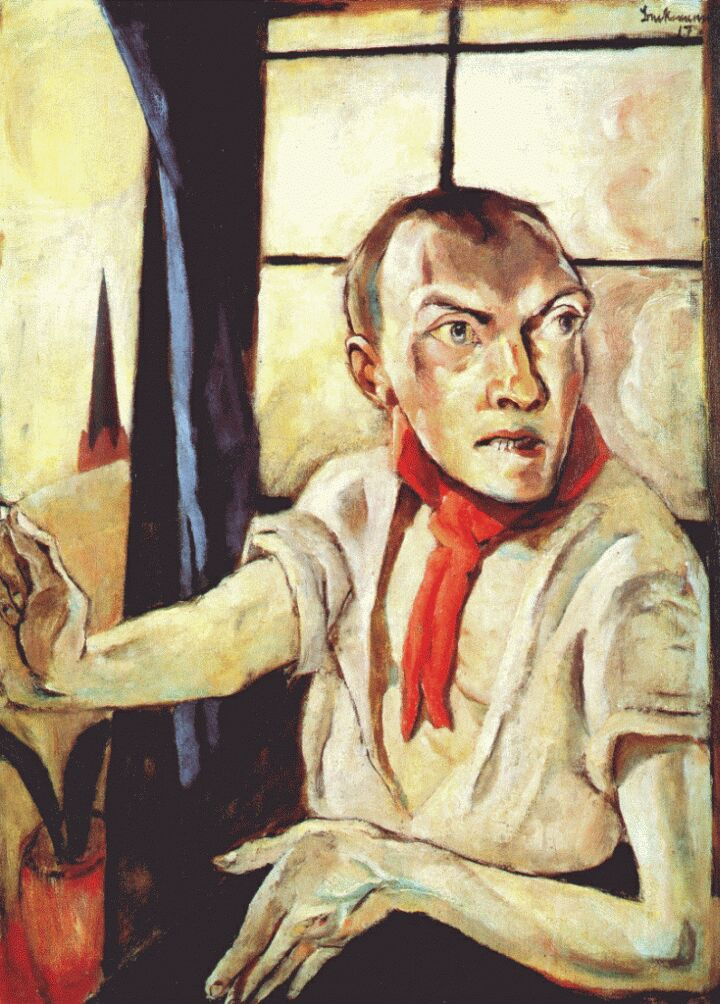
His compositions often resemble theatrical stages, where multiple narratives unfold simultaneously. Symbolic objects, masks, musical instruments, and mythological references enrich the visual experience without providing fixed interpretations.
Beckmann’s celebrated triptychs represent the culmination of his artistic vision. Inspired by medieval altarpieces, these monumental works combine personal symbolism with universal themes of suffering, hope, and transformation.
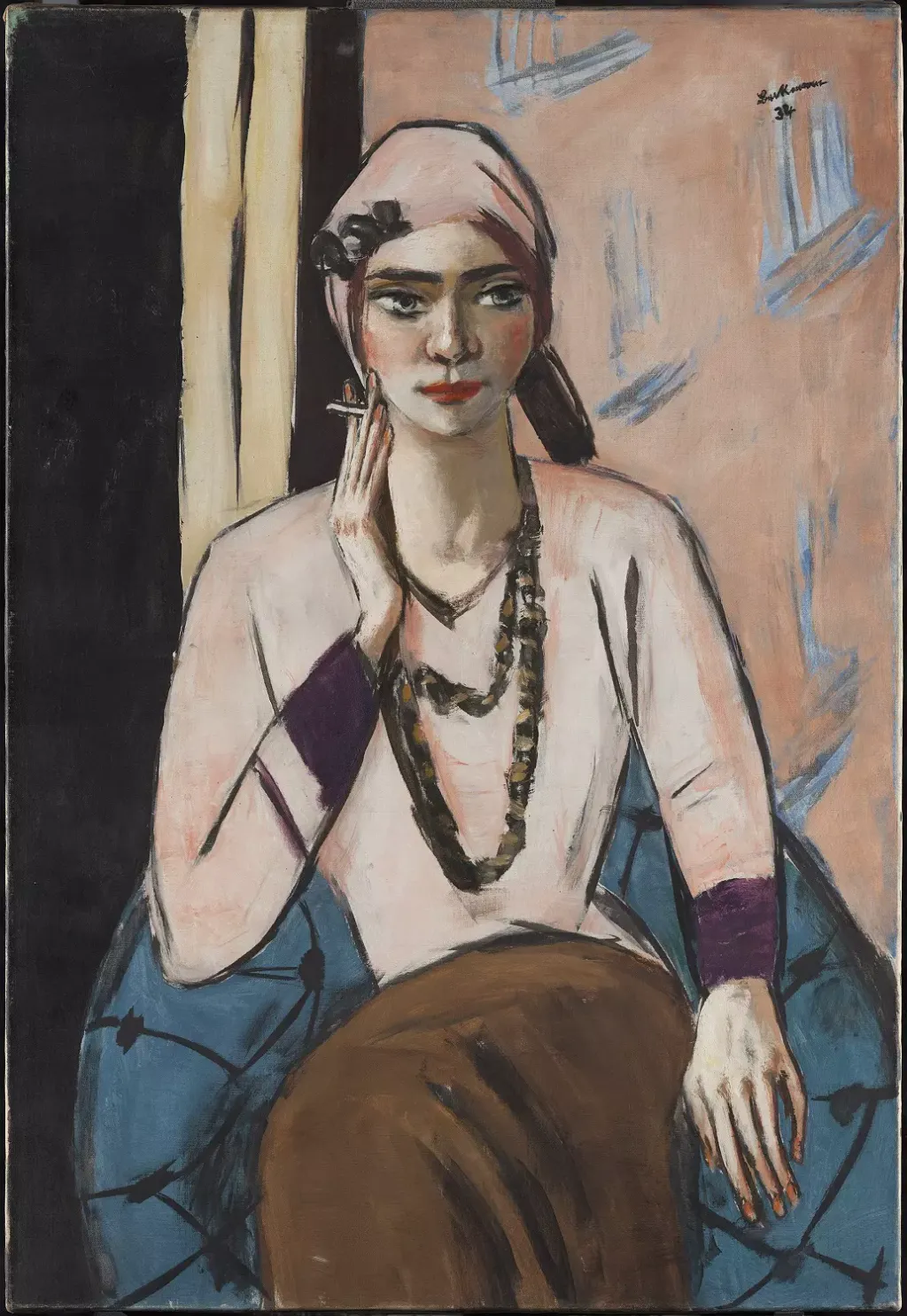
Within the history of modern art, Beckmann occupies a unique position between German Expressionism and New Objectivity while remaining independent of both movements. His influence continues to shape contemporary figurative painting and symbolic narrative. At ArtExpoWorld, we regard Beckmann as one of the defining artists of twentieth-century European art.
His legacy lies in demonstrating that painting can simultaneously function as philosophy, autobiography, and visual theatre.
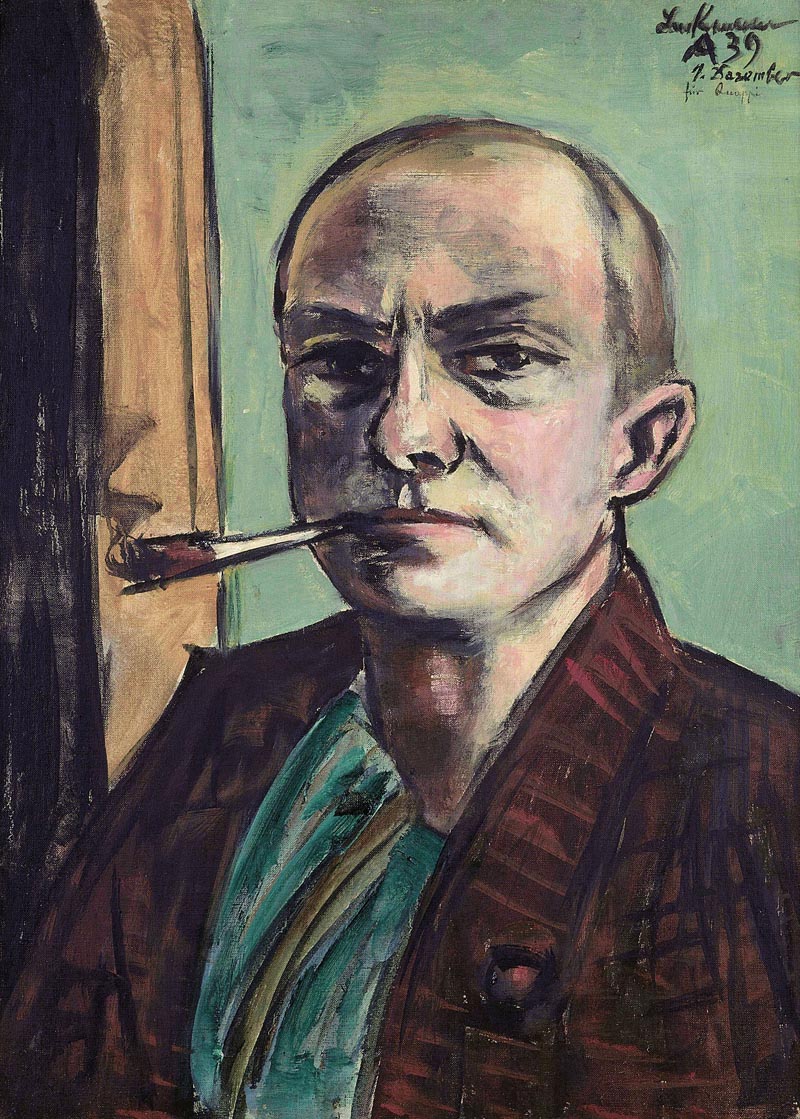
At ArtExpoWorld, we consider Max Beckmann a visionary whose symbolic imagination and psychological depth continue to inspire artists, scholars, and collectors around the world.