








Erik Bulatov is one of the most important figures in contemporary conceptual painting. His work investigates the relationship between image and language, examining how visual reality is shaped by symbols, text, and cultural perception.
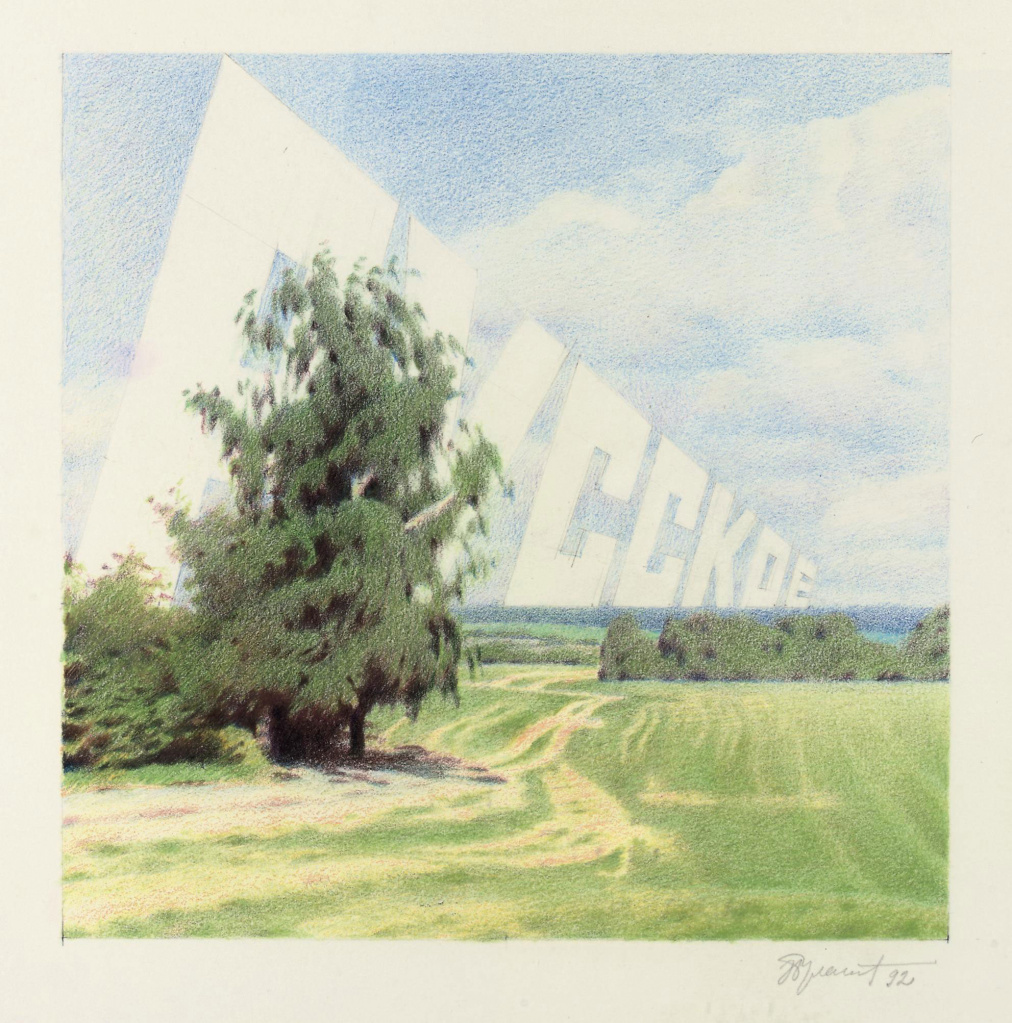
Bulatov’s artistic language combines realistic imagery with bold textual elements. Large words and phrases often dominate his compositions, interrupting landscapes, skies, and everyday scenes. This interaction creates tension between what is seen and what is read.
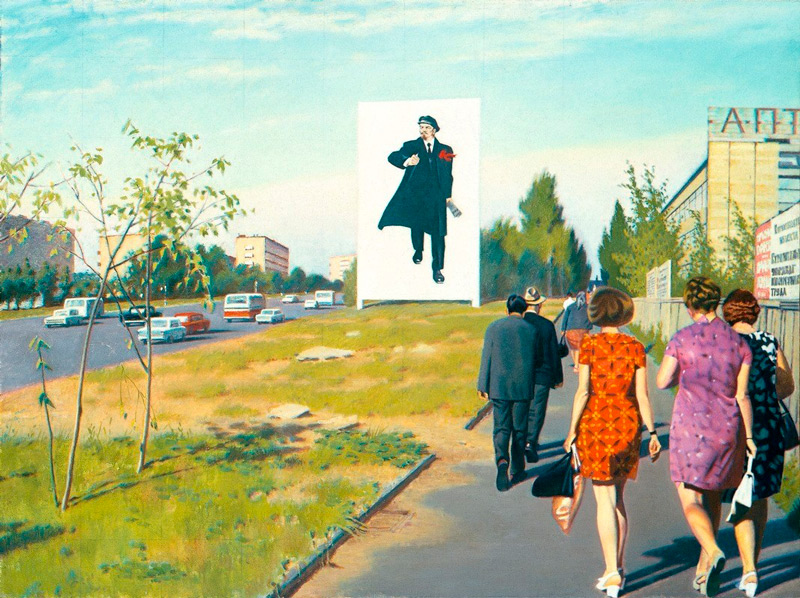
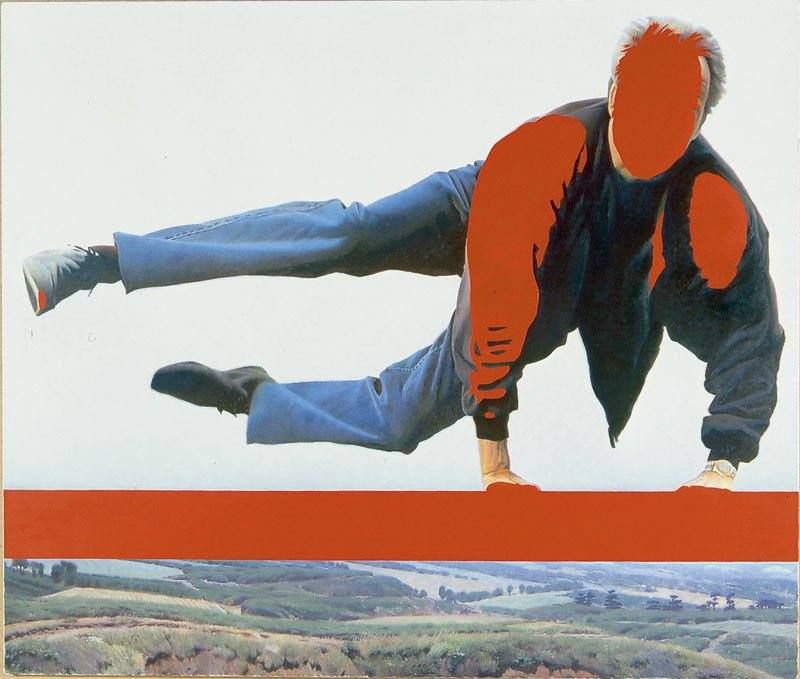
A defining feature of Erik Bulatov’s work is his exploration of visual barriers. Text frequently functions as an obstacle within the image, preventing easy access to space and forcing viewers to question their relationship with representation.
Color plays a strategic role in his paintings. Bright reds, blues, and whites create strong visual contrasts, while realistic backgrounds provide a sense of familiarity. This combination enhances the conceptual impact of the work.
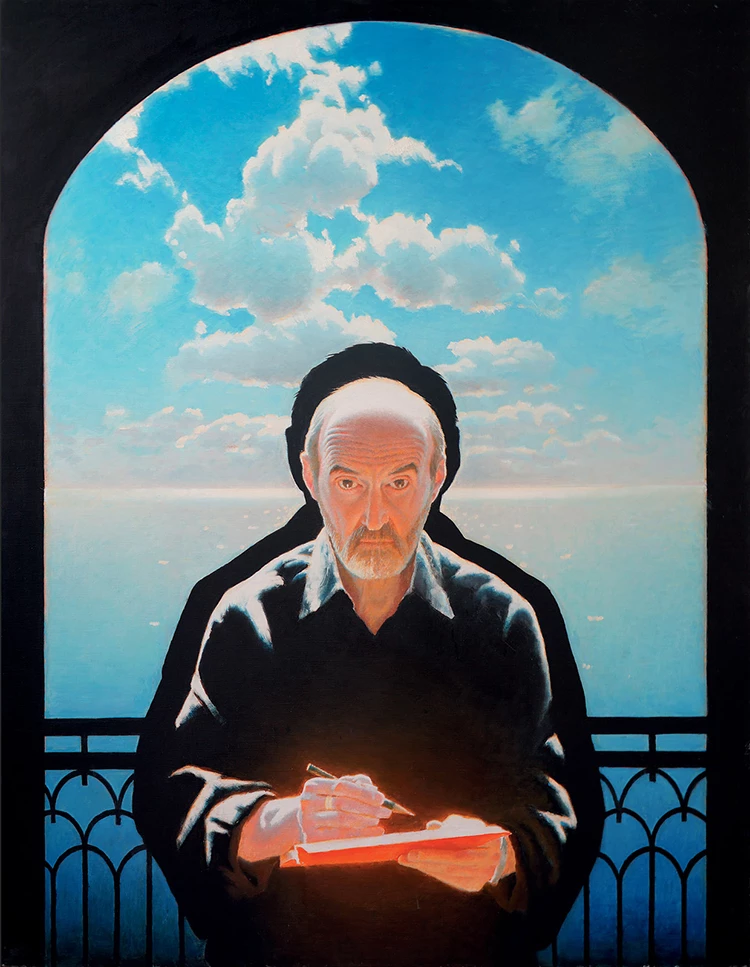
Space is one of Bulatov’s central concerns. His paintings often create the illusion of infinite depth, only to interrupt it with words or graphic structures that challenge traditional perspective.
Throughout his career, Bulatov examined themes of authority, ideology, freedom, and communication. His work emerged from the cultural context of the Soviet Union but continues to resonate internationally.
Within contemporary art history, Bulatov is recognized as a pioneer who expanded the possibilities of painting through conceptual inquiry. At ArtExpoWorld, we see his work as an important bridge between realism and conceptual art.
His paintings encourage viewers to think critically about language, perception, and the systems that shape reality.
At ArtExpoWorld, we consider Erik Bulatov a visionary artist whose exploration of text and image continues to influence contemporary visual culture.