miart occupies a unique position within the European art fair ecosystem. Unlike mega-fairs focused purely on scale, miart emphasizes conceptual coherence and dialogue between modern and contemporary art.

Its format encourages collectors to move fluidly between 20th-century masters and emerging artists, reinforcing Milan’s reputation as a city where tradition and innovation coexist.

The fair is often considered a key checkpoint in the spring European art calendar.

miart 2026 is expected to feature approximately 150 galleries from Italy, Europe, the United States, and Asia. The fair traditionally includes:

— Modern art masters
— Post-war art
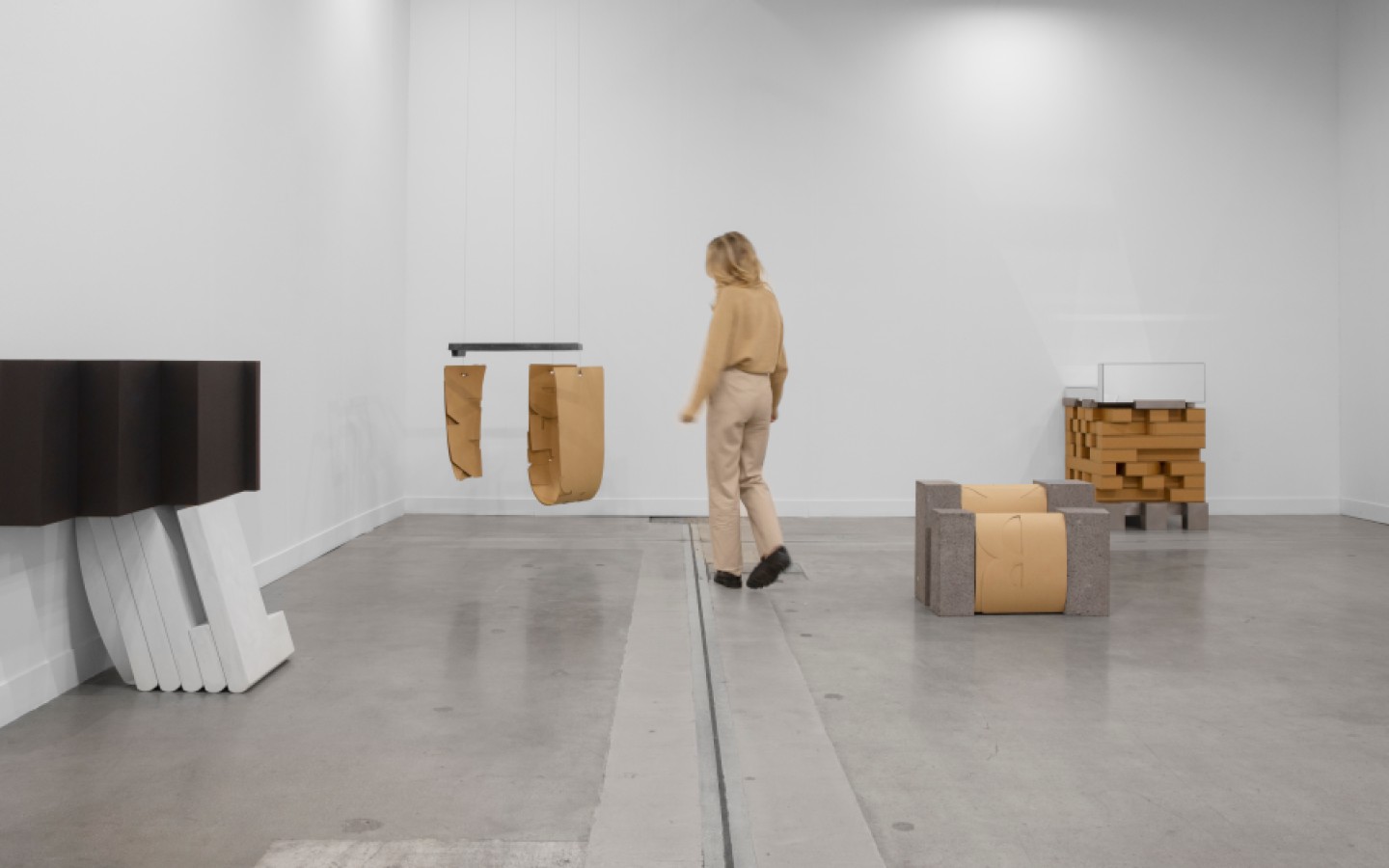
— Contemporary installations
— Emerging galleries
— Curated special sections
— Design-adjacent projects

One of miart’s distinguishing features is its ability to integrate historical depth with contemporary experimentation.

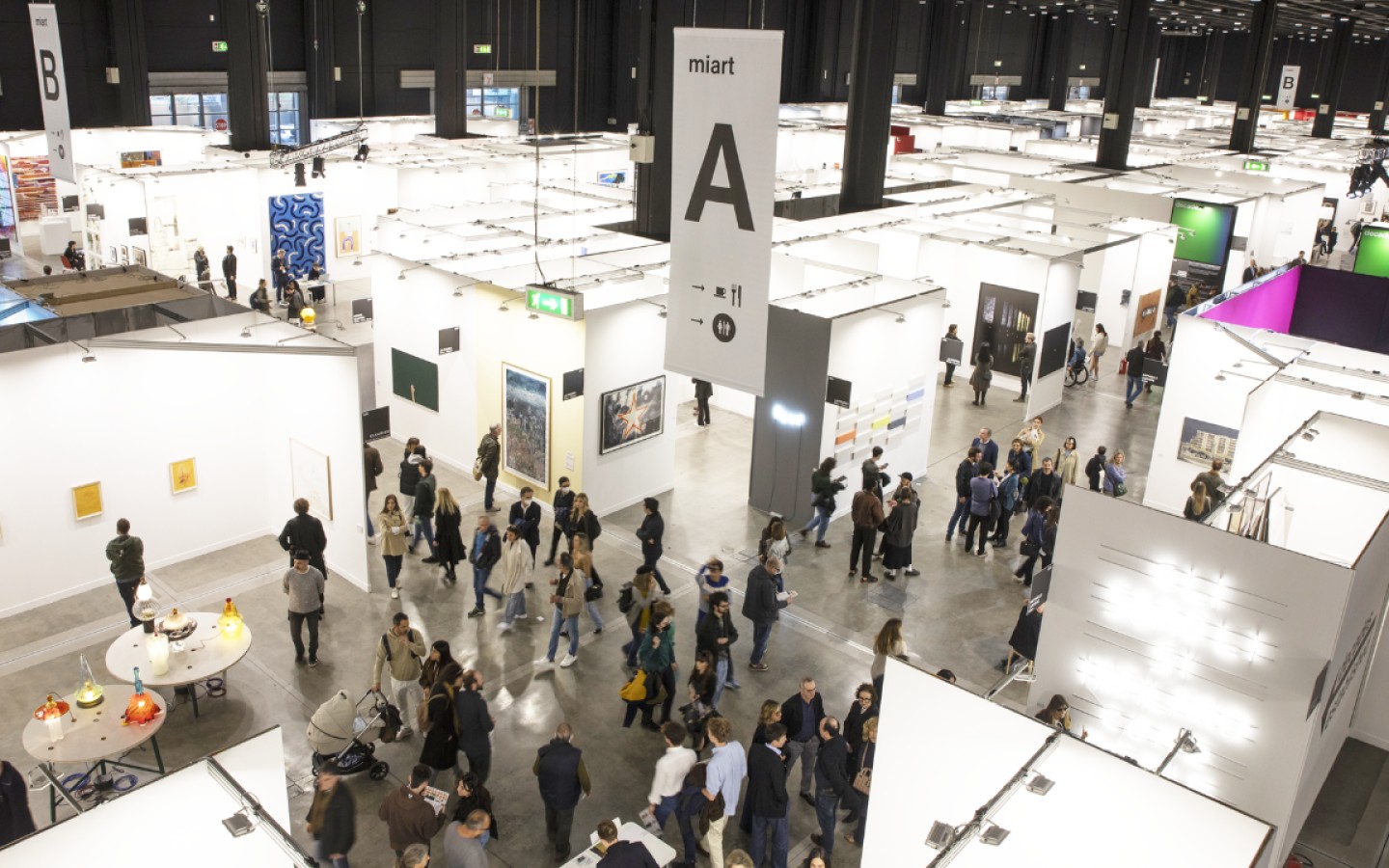
The layout is structured to promote curatorial clarity rather than overwhelming scale.

miart operates across multiple sections that typically include:

• Established galleries presenting modern and post-war artists
• Contemporary-focused galleries
• Emerging platforms
• Curated thematic sectors
• Cross-generational dialogue presentations

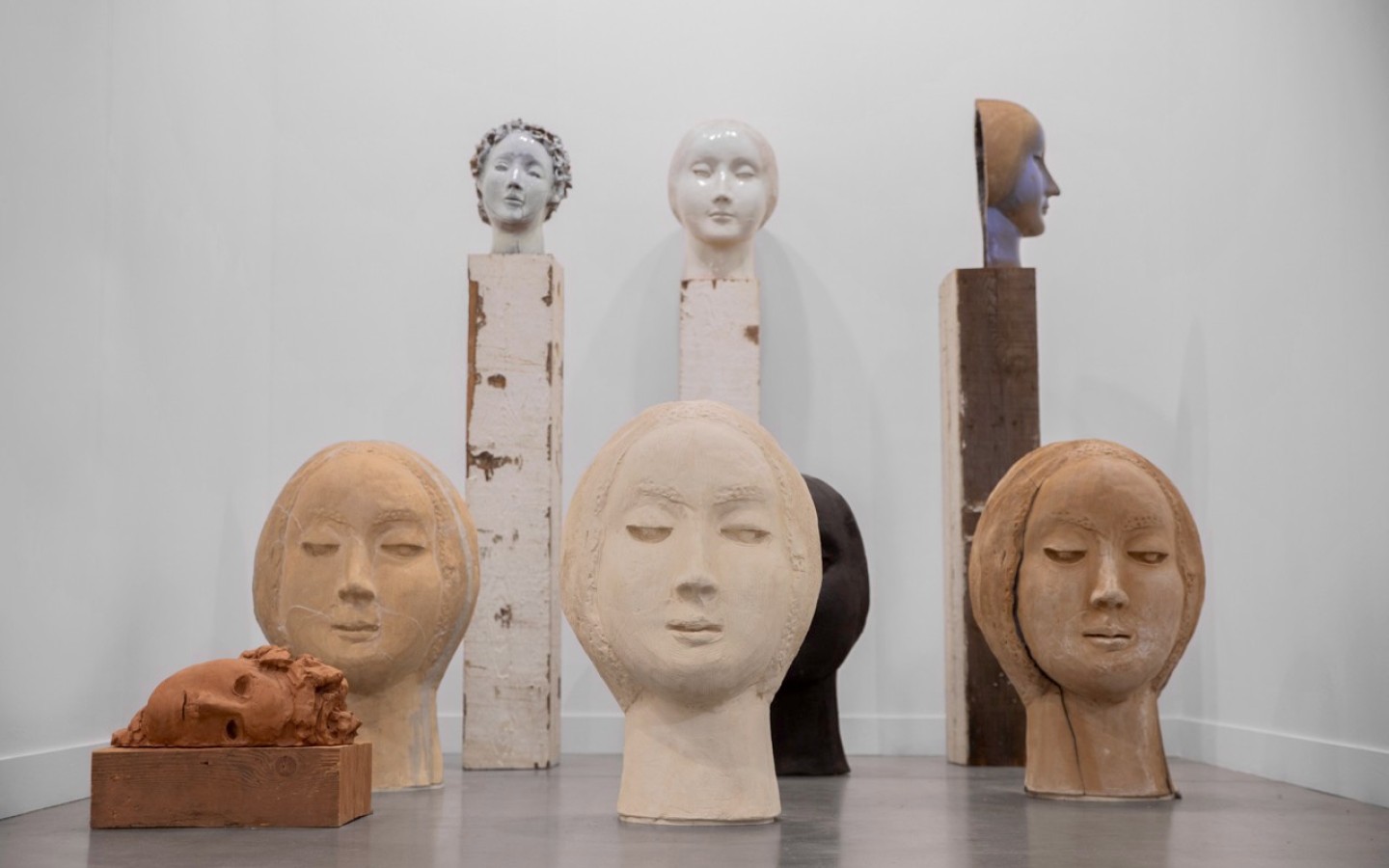
The fair frequently fosters connections between different artistic periods, placing modern masters in conceptual conversation with living artists.

Collectors attending miart often describe the experience as intellectually coherent rather than commercially chaotic.

The Milan context adds another layer — the city’s design heritage, fashion industry, and architectural culture influence the aesthetic atmosphere of the event.

Event Overview

MIART 2026: Your Complete Visitor Guide

Dates:

1 April 2026 - 30 April 2026

Location:

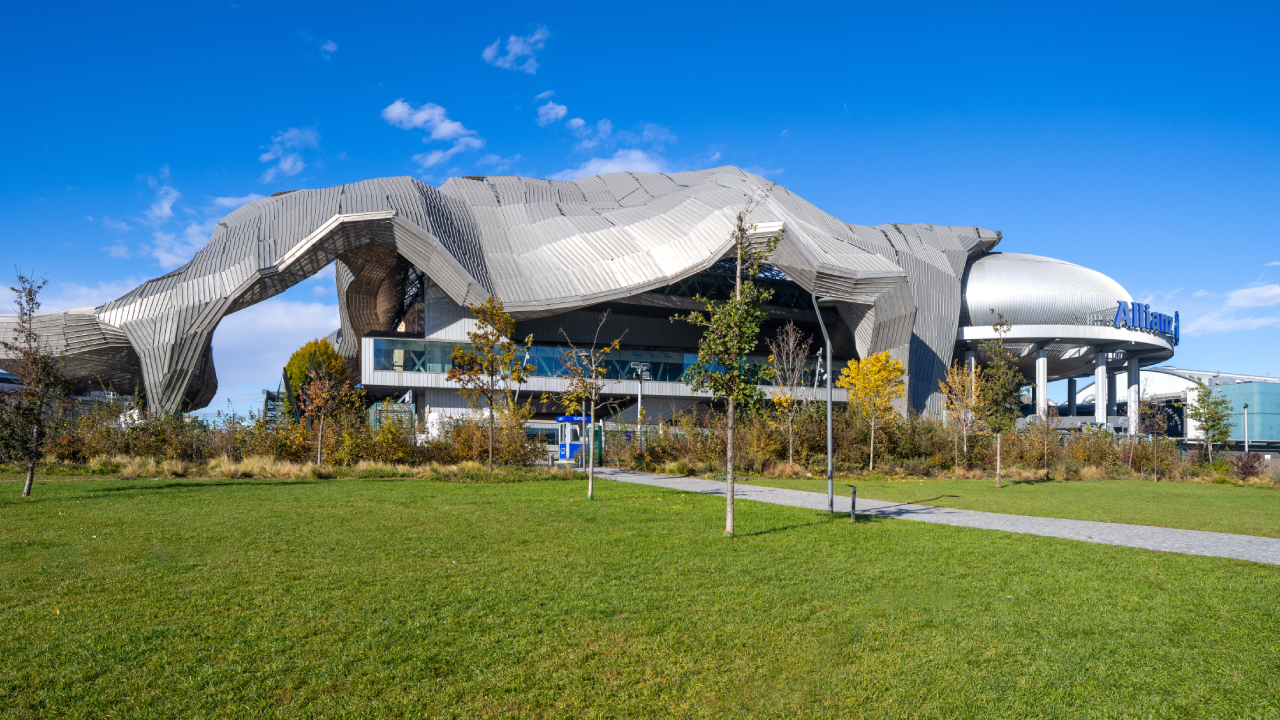
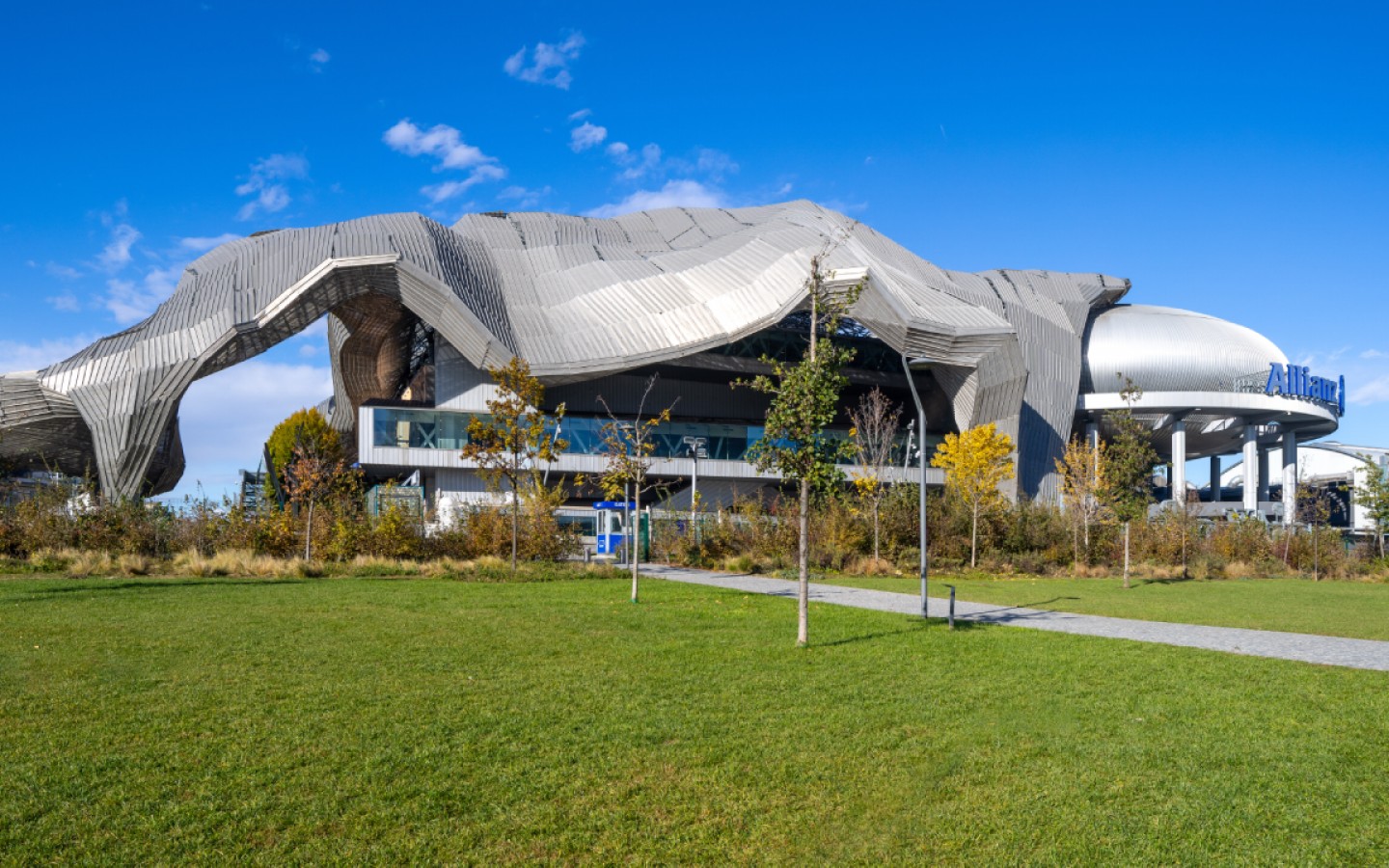
Allianz MiCo – Milano Convention Centre Viale Lodovico Scarampo 20149 Milan Italy

miart occupies a unique position within the European art fair ecosystem. Unlike mega-fairs focused purely on scale, miart emphasizes conceptual coherence and dialogue between modern and contemporary art.

Its format encourages collectors to move fluidly between 20th-century masters and emerging artists, reinforcing Milan’s reputation as a city where tradition and innovation coexist.

The fair is often considered a key checkpoint in the spring European art calendar.

miart 2026 is expected to feature approximately 150 galleries from Italy, Europe, the United States, and Asia. The fair traditionally includes:

— Modern art masters
— Post-war art
— Contemporary installations
— Emerging galleries
— Curated special sections
— Design-adjacent projects

One of miart’s distinguishing features is its ability to integrate historical depth with contemporary experimentation.

The layout is structured to promote curatorial clarity rather than overwhelming scale.

miart operates across multiple sections that typically include:

• Established galleries presenting modern and post-war artists
• Contemporary-focused galleries
• Emerging platforms
• Curated thematic sectors
• Cross-generational dialogue presentations

The fair frequently fosters connections between different artistic periods, placing modern masters in conceptual conversation with living artists.

Collectors attending miart often describe the experience as intellectually coherent rather than commercially chaotic.

The Milan context adds another layer — the city’s design heritage, fashion industry, and architectural culture influence the aesthetic atmosphere of the event.

Mission:

miart’s mission is to build a dialogue between modern and contemporary art within a structured, internationally relevant platform. The fair aims to: • Strengthen Milan’s role as a global cultural capital • Support galleries with sustainable collector engagement • Encourage cross-generational curatorial dialogue • Promote intellectual coherence within the art market • Bridge historical legacy and contemporary innovation Unlike fairs driven purely by commercial urgency, miart emphasizes balance. Its structure reflects long-term thinking rather than short-term speculation. The fair contributes to diversifying Europe’s art fair landscape by offering an alternative to the dominance of Basel and London. In doing so, it reinforces Italy’s continued relevance within the contemporary art ecosystem.

Organizer:

miart is organized by Fiera Milano, one of Italy’s leading exhibition organizations, in collaboration with art market professionals and curatorial advisors.

Why attend to MIART 2026?

miart 2026 is particularly relevant for:

• Collectors seeking both modern and contemporary acquisitions

• Galleries aiming to strengthen presence in Southern Europe

• Curators tracking cross-period dialogue

• Art advisors monitoring European market trends

• International professionals expanding networks

The fair offers a refined alternative to larger, high-pressure events.

Milan’s collector base is historically sophisticated and internationally active. The regional economic strength supports serious art investment.

miart also provides early signals about Italian and European artistic trends before they reach larger global fairs.

The atmosphere encourages thoughtful viewing and strategic decision-making.

Getting There:

By Air:
Milan Malpensa (MXP) — approx. 45–60 minutes
Milan Linate (LIN) — approx. 25–30 minutes

By Train:
Milan Centrale connects to major European cities including Paris, Zurich, and Vienna.

By Public Transport:
Metro lines connect directly to Allianz MiCo. Public transport is efficient and recommended.

By Taxi:
Taxi services are widely available, though traffic during peak fair days may extend travel time.

Because of Milan’s international connectivity, accommodation near the city center or convention district offers convenient access.

Gallery: MIART 2026

Secure Your Spot at MIART 2026 —
Before It's Too Late

Tickets are limited and sell out fast.
Get instant access to the official MIART 2026 registration page and be the first to know about exclusive events, VIP passes, and travel perks.

Early access. Limited availability. Global art at your fingertips.

History of MIART 2026

Founded in 1996, miart emerged as a response to Italy’s need for a structured contemporary art platform capable of competing internationally.

Over the decades, the fair has evolved significantly. Initially focused on modern Italian art, it gradually expanded to include contemporary international galleries.

In the 2010s, miart underwent strategic repositioning to strengthen its curatorial coherence. The introduction of thematic sections and improved selection processes elevated its professional standards.

The fair gained increasing recognition as a meeting point for modern and contemporary art within one integrated structure.

In recent years, miart has emphasized cross-period dialogue, placing 20th-century masters alongside contemporary experimental artists.

This curatorial model distinguishes miart from many fairs that strictly separate historical and contemporary segments.

Today, miart stands as one of Italy’s most important art market events and a stable pillar within the European spring art calendar.

Tips for Visitors of MIART 2026

• Allocate at least one full day
• Consider preview access if collecting
• Explore modern sections alongside contemporary
• Schedule gallery meetings in advance
• Combine your visit with Milan museums such as Fondazione Prada or Pirelli HangarBicocca

Be the First to Access Official MIART 2026 Tickets

Don’t miss your chance to attend one of the world’s leading art fairs. Get direct access to the official ticketing page, exclusive updates, and important visitor information.

Early access. Limited availability. Global art at your fingertips.

Editor’s Note

miart 2026 represents strategic balance in the European art ecosystem.

While global mega-fairs dominate headlines, miart demonstrates how intellectual coherence and historical depth can coexist with commercial relevance.

From our perspective, miart remains one of the most refined spring art fairs in Europe — particularly valuable for collectors seeking structured dialogue between past and present.

Current and Upcoming Exhibitions