









Sightseeing in Salzburg: The Ultimate Must-See List
Salzburg is one of Europe’s most atmospheric small cities, combining Baroque architecture, medieval fortifications, musical heritage, riverside scenery, and immediate access to the Alps. Sightseeing in Salzburg feels unusually concentrated: major attractions stand close together, yet almost every street opens toward church towers, wooded hills, or the white walls of Hohensalzburg Fortress.
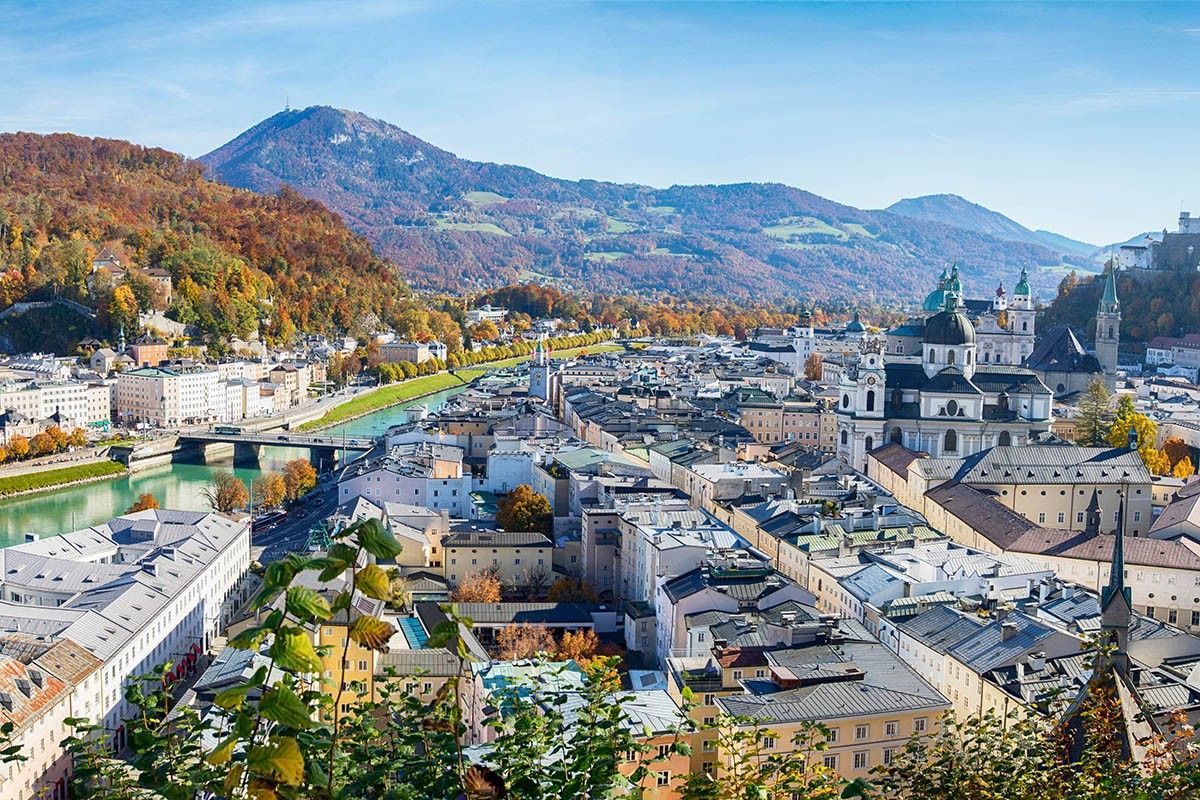
A well-planned Must-See Salzburg itinerary can cover the historic center, Mozart landmarks, palace gardens, museums, viewpoints, and traditional cafés without becoming a rushed checklist. The city rewards slow walking and time spent observing how architecture and landscape frame one another.
Hohensalzburg Fortress – The Essential Must-See Salzburg Landmark
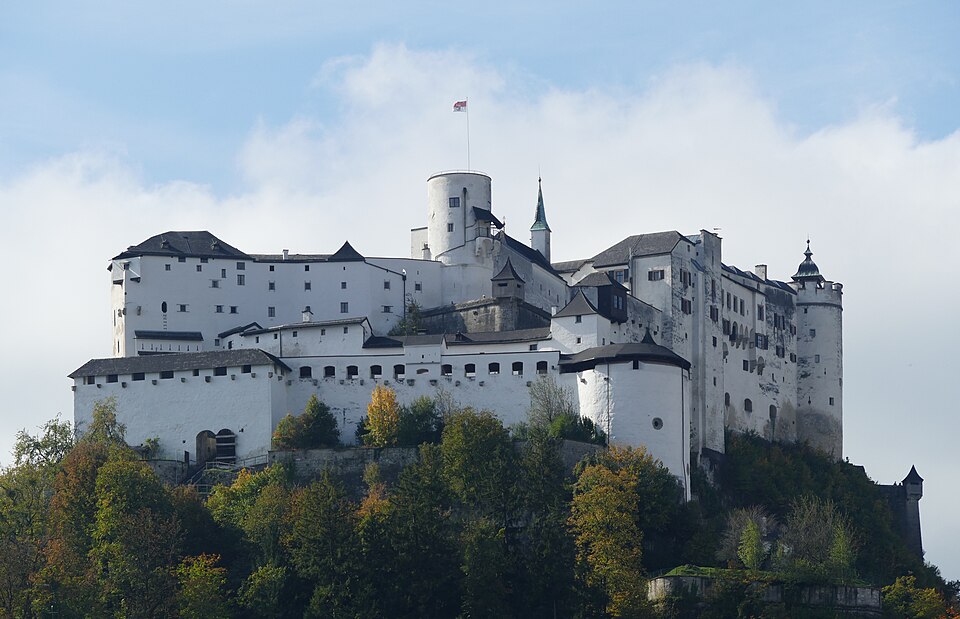
Hohensalzburg Fortress dominates the city from Festungsberg and provides its most recognizable view. The complex includes defensive walls, courtyards, museums, ceremonial rooms, and terraces overlooking the historic center and surrounding mountains. Visitors can reach it by funicular or on foot, making it practical even during a short city break.
The Princes’ Rooms reveal the ceremonial side of the stronghold, while the museums explain its military and political history. The greatest reward is the visual relationship between the fortress, the Baroque rooftops below, the Salzach River, and the Alpine landscape beyond. The official fortress guide also highlights its armoury, museums, and panoramic viewpoints.
Morning usually offers a quieter approach, while late afternoon can create dramatic light across the roofs and mountains. Travelers should allow enough time to explore rather than treating the fortress only as a viewpoint.
Why visit:
To experience Salzburg’s defining landmark, preserved historic interiors, and panoramic views above the city.
Historic Center, Getreidegasse, and Mozart’s Birthplace
The historic center is the heart of sightseeing in Salzburg. UNESCO notes that the city has retained its historic townscape and street pattern to a remarkable degree, with the cathedral, Nonnberg Convent, and surrounding hills continuing to shape the skyline. Its urban fabric developed from the Middle Ages through the nineteenth century, with Baroque architecture becoming one of its defining features.
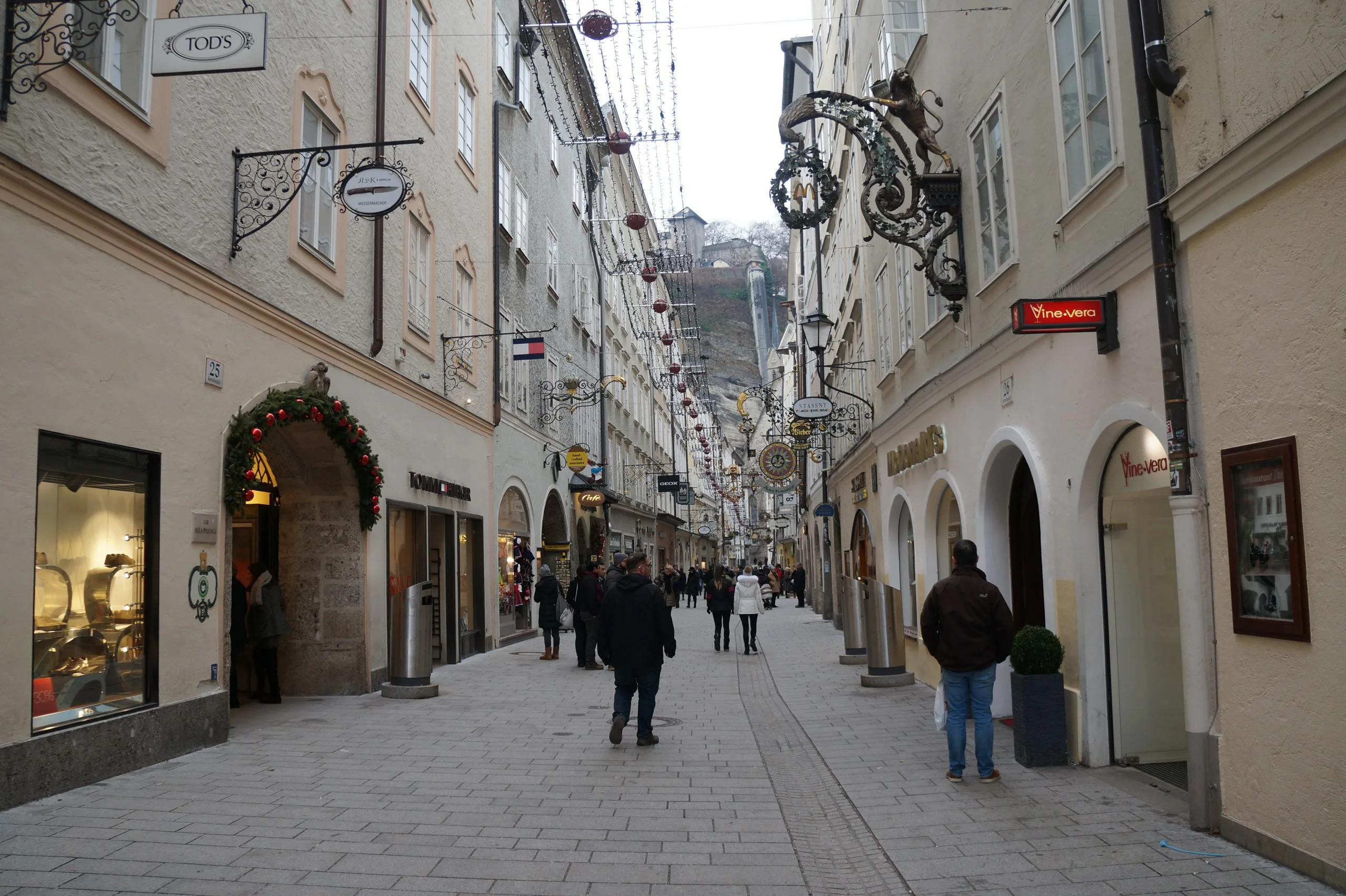
Getreidegasse is the best-known street in the Old Town. Its narrow form, ornate shop signs, passageways, courtyards, and tall historic houses create one of the city’s most photographed environments. Stepping through the connecting passages reveals quieter spaces behind the busy main street.
Mozart’s Birthplace stands at No. 9 Getreidegasse. Wolfgang Amadeus Mozart was born there in 1756, and the house is now one of Austria’s most visited museums. Exhibitions focus on his family, childhood, instruments, and early musical development. The museum’s official visitor information suggests allowing about an hour.
Nearby, Salzburg Cathedral anchors the Old Town with its monumental façade, domes, and broad square. The surrounding Residenzplatz, Kapitelplatz, and narrow lanes form an easy route through the city’s religious, political, and commercial history.
Why visit:
To explore UNESCO-listed streets, Baroque architecture, Mozart heritage, historic squares, and Salzburg’s most recognizable urban scenes.
Mirabell Palace, Gardens, and the Salzach River
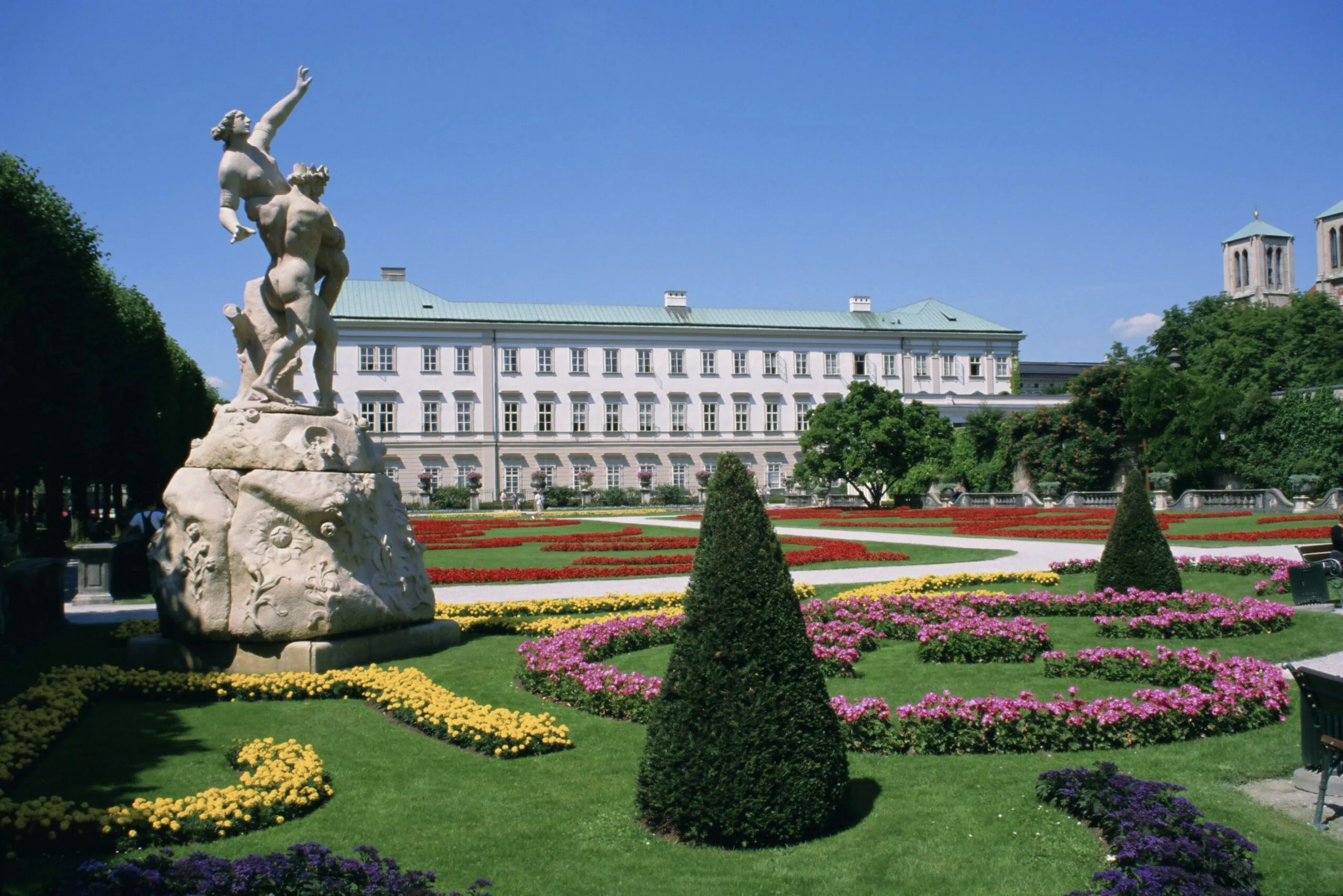
Mirabell Palace and its formal gardens offer an elegant contrast to the narrow streets of the historic center. The gardens are arranged around fountains, sculptures, geometric flower beds, and carefully framed views toward Hohensalzburg Fortress. Mirabell is one of the city’s most popular attractions, and its Marble Staircase and Baroque garden design are central to its appeal.
The gardens are also closely associated with The Sound of Music. Several scenes were filmed around the Pegasus Fountain, rose garden, and steps, making Mirabell especially popular with visitors who know Salzburg through the musical.
From Mirabell, travelers can walk toward the Salzach River and cross one of the central bridges into the Old Town. The riverbanks provide excellent views of church domes, pastel façades, the fortress, and the hills enclosing the city. Walking at sunset adds a calmer dimension to sightseeing Salzburg after the busiest attractions close.
The right bank also leads toward Mozart Residence, Linzergasse, and routes ascending Kapuzinerberg. These areas help visitors move beyond the most crowded streets without leaving the central city.
Why visit:
To enjoy formal gardens, famous film locations, river views, and one of Salzburg’s most harmonious architectural perspectives.
More Salzburg Attractions and Cultural Experiences
A complete city route should include more than the headline landmarks. St. Peter’s Abbey and Cemetery offer a quieter historic setting beneath the fortress. The cemetery’s arcades, chapels, and position against the rock face create one of the city’s most distinctive spaces.
Nonnberg Abbey is another important part of Salzburg’s religious and musical identity. Its elevated position provides a different view of the city and connects the historic center with walking routes around Festungsberg.
Hellbrunn Palace lies outside the central Old Town but is easy to include in a longer visit. The official tourism guide lists the palace and its Trick Fountains among Salzburg’s leading attractions. The playful water features, gardens, and landscaped grounds make it especially appealing in warmer months.
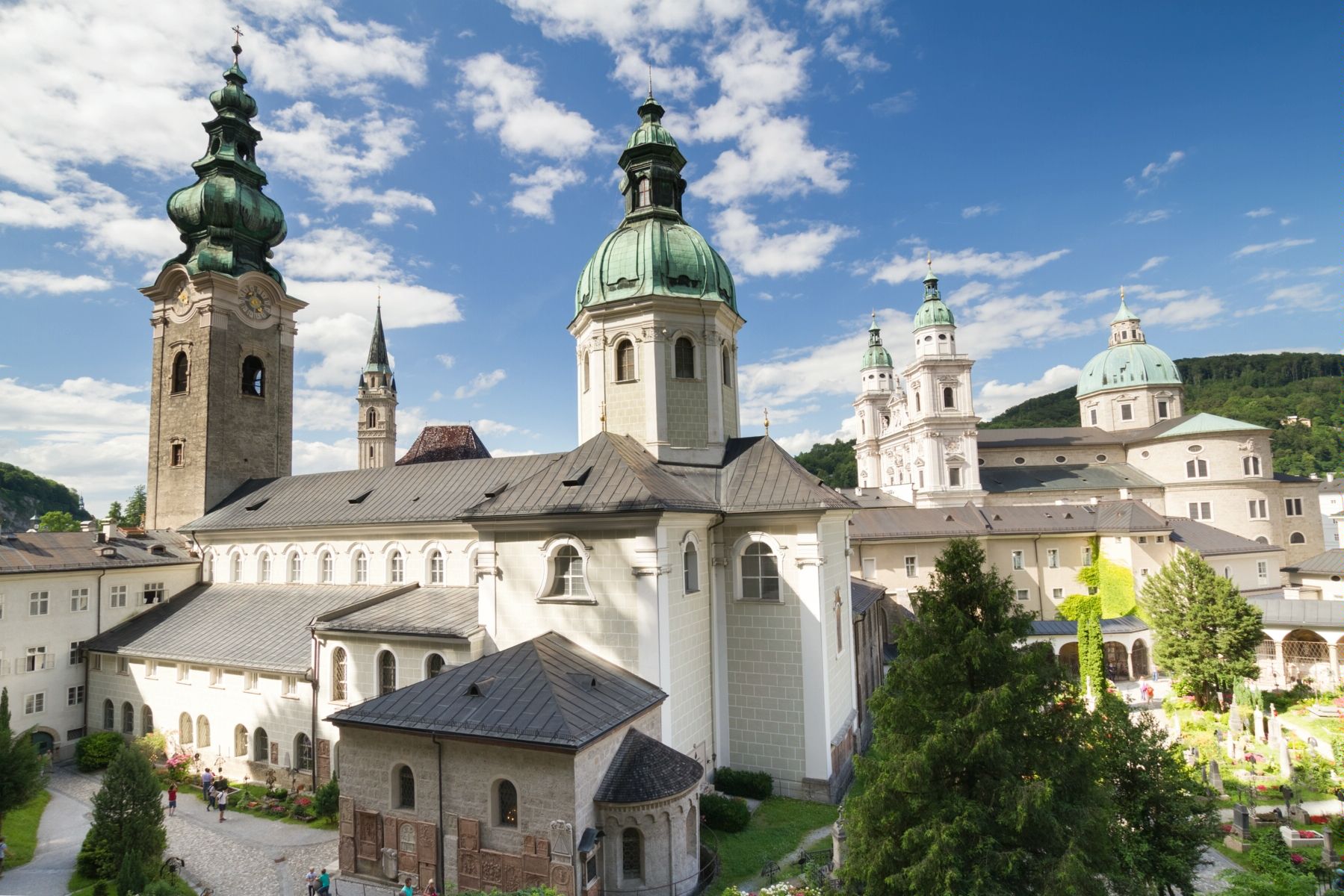
Art and museum visitors can explore the DomQuartier, Salzburg Museum, Museum der Moderne, and galleries around the center. Food-focused travelers should also leave time for historic cafés, traditional Austrian dishes, local confectionery, and the city’s market culture.
The surrounding landscape is part of the attraction. Mönchsberg and Kapuzinerberg provide walking paths and elevated viewpoints within the city, while nearby lakes and Alpine destinations make Salzburg a practical base for day trips.
Why Sightseeing Salzburg Feels So Complete
Sightseeing Salzburg succeeds because the city offers cultural depth without overwhelming distances. Medieval, Baroque, and modern elements are compressed into a walkable landscape framed by hills and mountains. Visitors can move from a fortress to a museum, from a cathedral square to a garden, and from a café to a panoramic path within the same day.
The city is especially rewarding for travelers who value music, architecture, photography, and urban walking. Its famous landmarks matter, but its atmosphere also depends on passageways, courtyards, river light, shop signs, and changing views of the fortress.
ArtExpoWorld Editorial View
Salzburg demonstrates how a relatively small city can create an international cultural identity. Its power does not come from scale but from concentration: architecture, music, landscape, memory, and performance are woven into a compact urban setting.
For ArtExpoWorld readers, Salzburg is more than Mozart’s birthplace or a cinematic backdrop. It is a city where cultural heritage remains visible in streets, institutions, sacred spaces, festivals, and everyday public life. The strongest visit combines celebrated landmarks with quieter moments, allowing the city’s artistic character to emerge through detail.