









Sightseeing in Melbourne: The Ultimate Must-See List
Melbourne is one of Australia’s most rewarding urban destinations, known for creative neighborhoods, major cultural institutions, historic arcades, green spaces, and a distinctive food scene. Sightseeing in Melbourne is less about rushing between isolated monuments and more about discovering how architecture, art, sport, design, and everyday city life connect. A strong Must-See Melbourne itinerary should combine famous landmarks with laneways, riverside walks, museums, markets, and neighborhoods beyond the central business district.
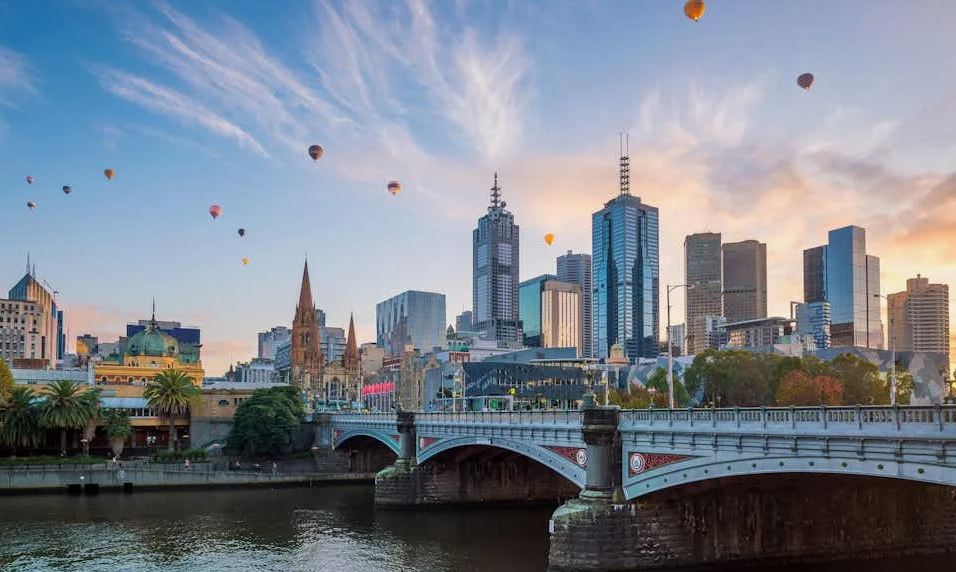
Victorian buildings stand beside contemporary towers, while hidden cafés and public art give the streets a distinctive character. Sightseeing Melbourne works best when travelers leave room for spontaneous discoveries.
Federation Square and Flinders Street – Essential Melbourne Landmarks
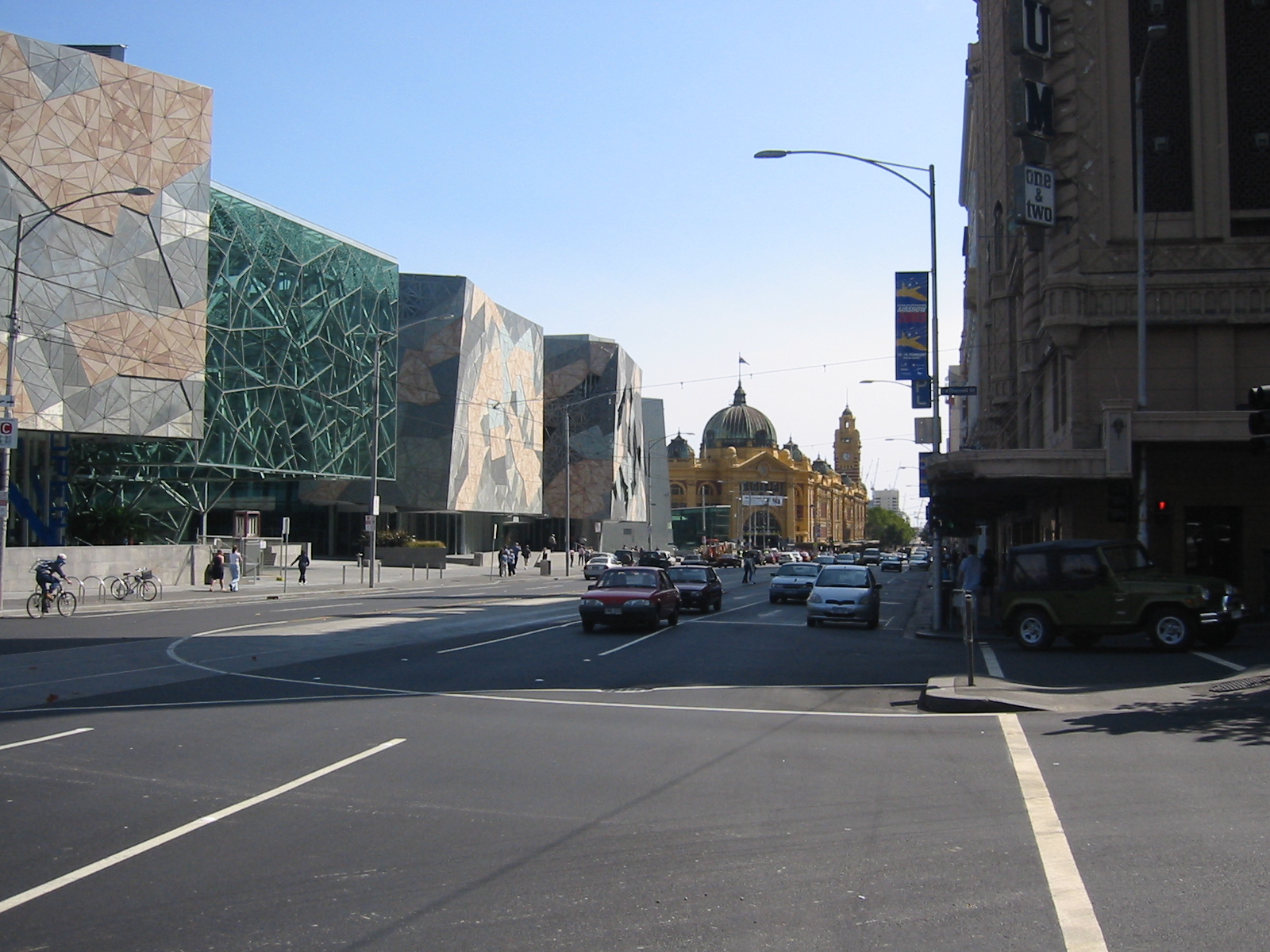
Federation Square is one of the best starting points for exploring Melbourne. Its bold architecture, public plazas, cultural venues, restaurants, and event spaces create a lively meeting point opposite the historic Flinders Street Station. The contrast between these landmarks immediately reveals the city’s character: traditional and experimental at the same time.
Flinders Street Station is one of Melbourne’s most recognizable buildings. Its yellow façade, clocks, dome, and position beside the Yarra River have made it a symbol of the city.
Federation Square also contains important cultural spaces, including the Ian Potter Centre and the Australian Centre for the Moving Image. Exhibitions and public programs keep the area culturally active.
From the square, visitors can walk toward the river, cross to Southbank, or enter the central lanes. This makes the district an efficient first chapter of any city route.
Why visit:
To experience famous architecture, public space, and major cultural institutions in one central location.
Melbourne Laneways – The Creative Heart of the City
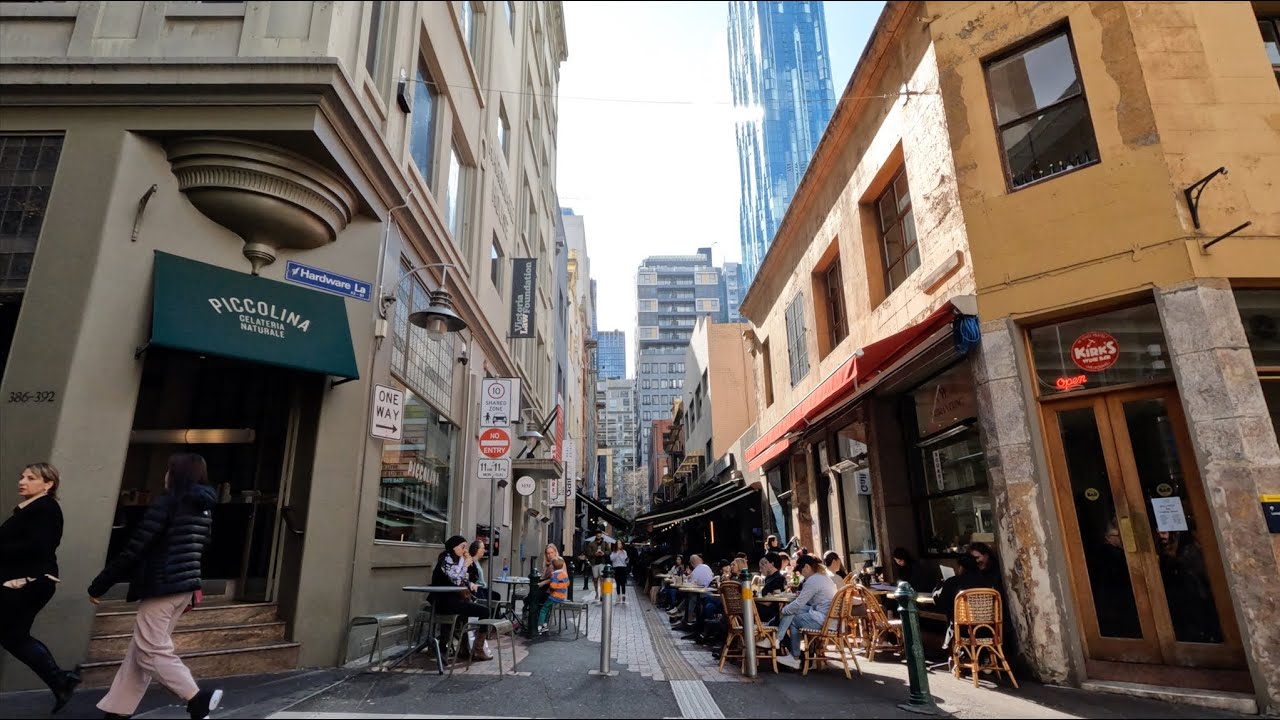
Melbourne’s laneways are among the city’s most distinctive attractions. Narrow streets once used mainly for deliveries have evolved into destinations filled with street art, cafés, restaurants, independent shops, and hidden bars. They give urban exploration an intimate scale and encourage visitors to look beyond the main boulevards.
Hosier Lane is the best-known street-art location, but the wider experience becomes more rewarding when travelers continue into nearby lanes and arcades. Degraves Street, Centre Place, and Hardware Lane reveal different combinations of dining, architecture, and urban creativity.
The historic Block Arcade and Royal Arcade offer a more elegant contrast. Their decorative interiors, glass roofs, mosaic floors, and preserved shopfronts reflect Melbourne’s nineteenth-century prosperity. Together with the graffiti-covered lanes, they reveal the city’s contrasting visual identities.
Morning is ideal for cafés and photography, while evening brings restaurant terraces and a more energetic atmosphere. The laneways are an essential Melbourne experience because they reveal the city through details rather than monumental scale.
Why visit:
To discover street art, independent businesses, historic arcades, and the creative energy that defines central Melbourne.
National Gallery of Victoria and Southbank – Art and Sightseeing Melbourne
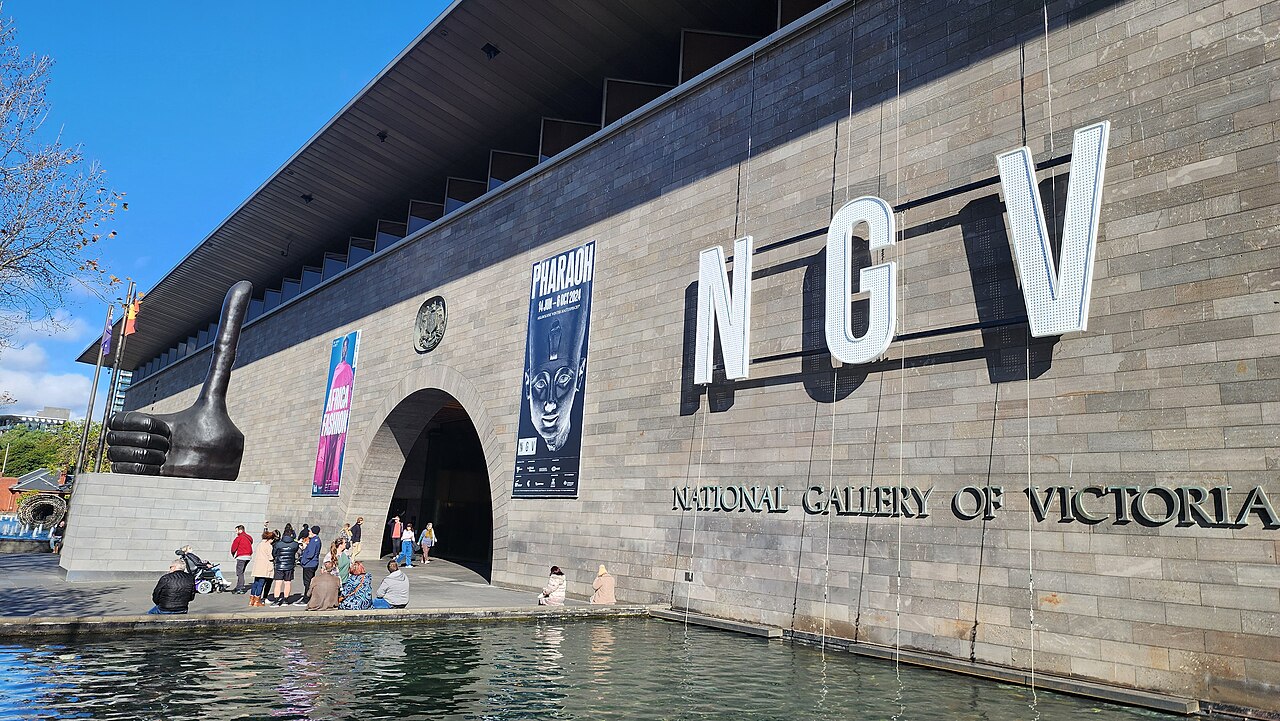
The National Gallery of Victoria is one of Australia’s leading cultural institutions and a major stop for travelers interested in art, architecture, and design. Its collections include Australian, Indigenous, Asian, European, and contemporary works, while temporary exhibitions regularly attract international attention.
The main building on St Kilda Road is recognized for its monumental entrance and dramatic Great Hall. The Ian Potter Centre at Federation Square complements the main gallery with a focus on Australian art.
Nearby Southbank extends the cultural experience along the Yarra River.
The district includes theaters, concert venues, restaurants, public sculptures, and broad pedestrian paths with skyline views. Evening is especially attractive as the riverfront lights reflect on the water.
This riverside district brings together formal culture and relaxed public space. Visitors can move from galleries to riverside dining without leaving the central area.
Why visit:
To explore major art collections, contemporary exhibitions, riverside architecture, and one of Melbourne’s most atmospheric evening districts.
Queen Victoria Market and More Essential Melbourne Experiences
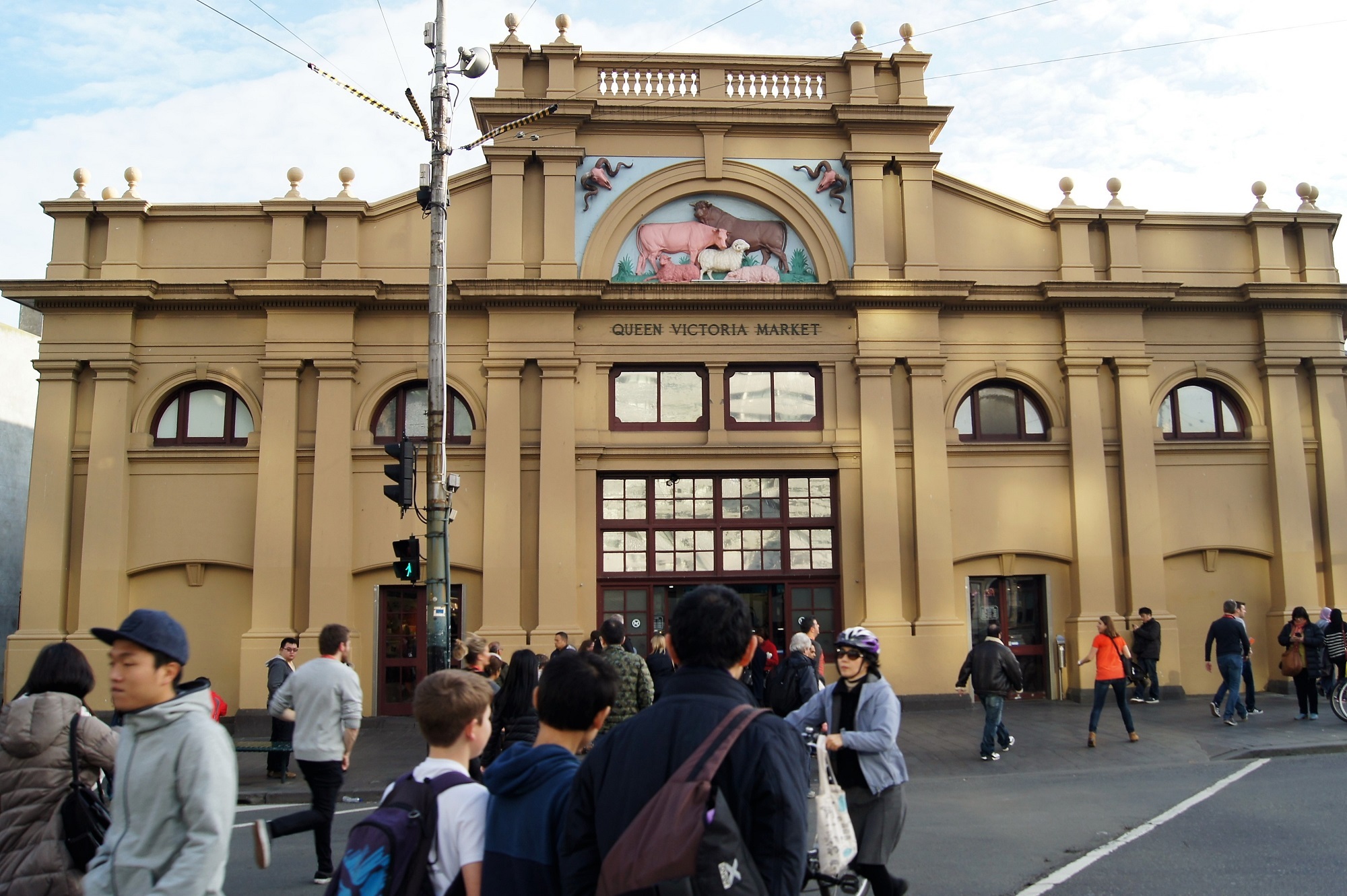
Queen Victoria Market has been part of city life for generations and remains one of the most popular places for food, shopping, and local atmosphere. The market includes fresh produce, specialty ingredients, clothing, souvenirs, and casual meals. It is not simply a tourist attraction; it continues to function as an important commercial and social space.
Visitors should arrive with time to browse rather than treating the market as a quick photo stop. Trying local products and observing the mix of communities gives the experience greater depth. Seasonal night markets add music, street food, and entertainment.
Beyond the center, several destinations deserve a place in a complete sightseeing in Melbourne itinerary. The Royal Botanic Gardens offer peaceful walking paths close to the city. Carlton is known for Italian heritage and cafés, while Fitzroy attracts visitors with independent shops, murals, music venues, and restaurants.
St Kilda provides a different mood with its beach, pier, palm-lined waterfront, and historic amusement park. Sports fans may prefer the Melbourne Cricket Ground, one of the city’s most important landmarks.
Travelers with additional time can also explore the Melbourne Museum, Shrine of Remembrance, State Library Victoria, and Brighton Bathing Boxes.
Why visit:
To combine local food, markets, gardens, neighborhoods, waterfront scenery, and sporting culture.
Why Melbourne Feels Different
Melbourne does not depend on one dominant monument. Its appeal comes from the relationship between streets, institutions, neighborhoods, food, art, and public life. Exploring Melbourne is most successful when visitors combine planned attractions with unplanned discoveries.
Museums, arcades, cafés, and markets provide excellent indoor alternatives, while parks, laneways, beaches, and river walks suit clearer conditions. Public transport also makes it possible to explore beyond the central district without needing a car.
Sightseeing Melbourne rewards curiosity. A small gallery, hidden courtyard, independent bookstore, or quiet residential street can become as memorable as a major landmark. This balance between recognized institutions and local detail gives the city its distinctive personality.
ArtExpoWorld Editorial View
Melbourne demonstrates how a city can build cultural influence without relying on monumental grandeur. Its strongest visual identity appears in the relationship between historic architecture, contemporary design, public art, and daily urban behavior.
For ArtExpoWorld readers, the city is especially valuable because creativity is not confined to museums. It appears in fashion, hospitality, street art, architecture, performance, and neighborhood life. Melbourne treats culture as part of everyday life.
The best cultural journey therefore moves between established institutions and informal spaces. The National Gallery of Victoria matters, but so do the laneways, cafés, markets, music venues, and independent businesses that continually reshape the city’s cultural character.