









Sightseeing in Cairo: The Ultimate Must-See List
Cairo is one of the world’s most historically significant capitals, blending ancient monuments, Islamic architecture, major museums, and vibrant urban life.
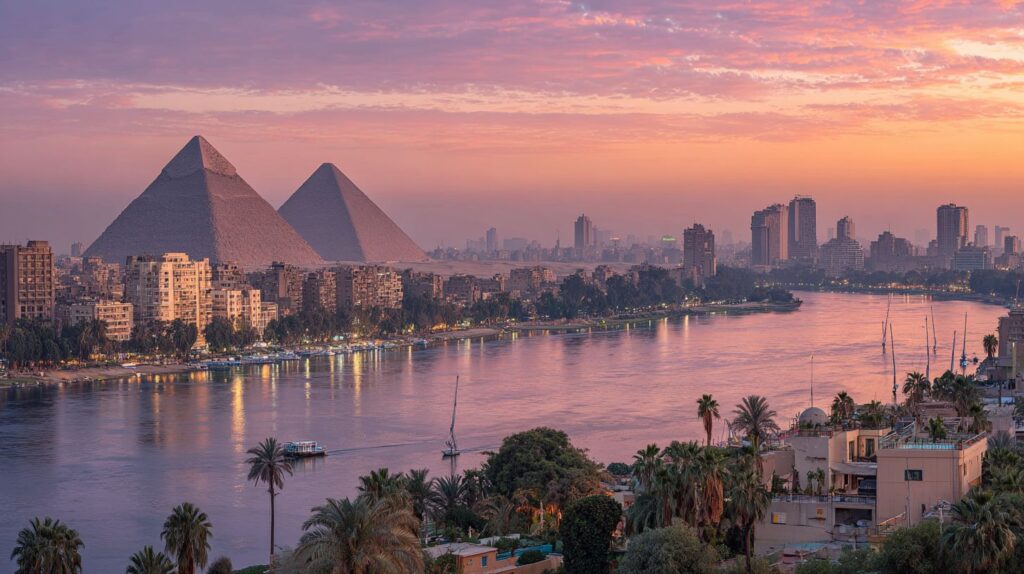
Sightseeing in Cairo introduces travelers to a city shaped by thousands of years of civilization, while the nearby Giza Plateau connects the modern metropolis with the age of the pharaohs. A carefully planned Must-See Cairo itinerary can move from archaeological sites to medieval streets, riverside districts, traditional markets, and institutions preserving some of humanity’s greatest cultural achievements.
Giza Pyramids – One of the Greatest Must-See Cairo Highlights
The Giza Plateau is the essential starting point for sightseeing in Cairo. The complex includes the Great Pyramid of Khufu, the Pyramid of Khafre, the Pyramid of Menkaure, smaller tombs, ancient causeways, and the Great Sphinx. Together, they form one of the most recognizable archaeological landscapes on Earth.
The Great Pyramid is the only surviving monument from the traditional Seven Wonders of the Ancient World. Its scale and precision continue to inspire travelers, while the wider plateau reveals how royal burial complexes were organized during the Old Kingdom.
Visitors should reserve several hours for the site and prepare for strong sunlight, long walking distances, and limited shade. Early morning usually provides a more comfortable experience and clearer views.
For any first visit, Giza is the defining Must-See Cairo experience. It gives sightseeing Cairo a sense of historical scale that no modern attraction can reproduce.
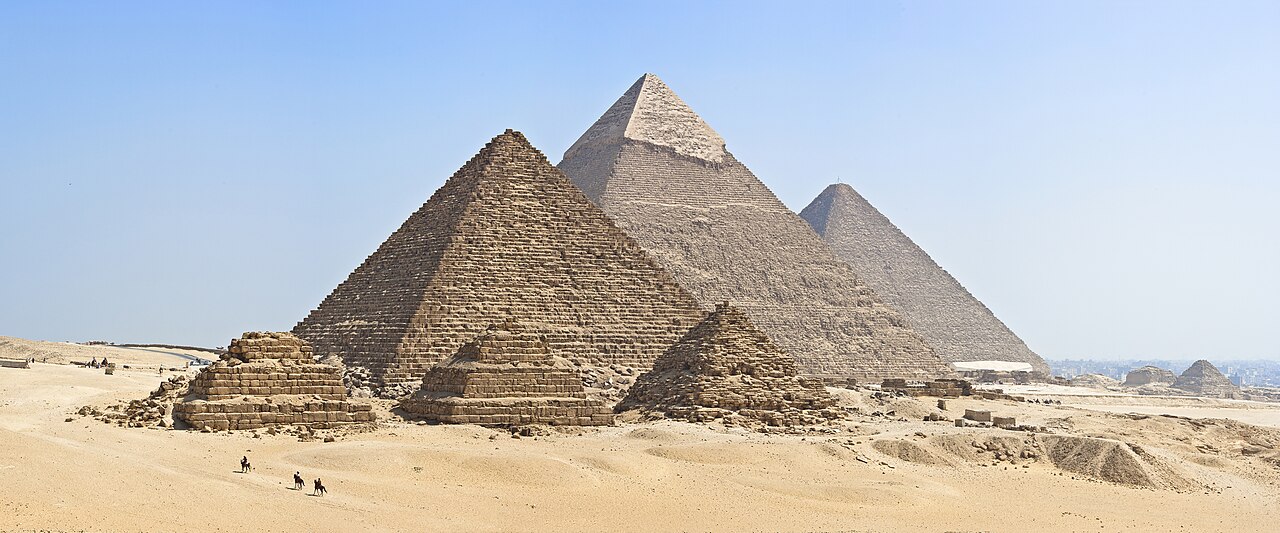
Why visit:
To experience the pyramids and the Great Sphinx in their original desert setting.
Egyptian Museum – Essential Sightseeing in Cairo
The Egyptian Museum in Tahrir Square remains one of the most important cultural stops for travelers interested in pharaonic history. Its historic galleries contain statues, funerary objects, royal artifacts, papyri, jewelry, and discoveries representing many periods of ancient Egypt.
A visit provides essential context before or after exploring Giza, Saqqara, or other archaeological sites. Monumental sculptures explain how rulers presented authority, while smaller objects reveal extraordinary craftsmanship and complex beliefs about death, religion, and daily life.
Tahrir Square adds another layer to the experience, connecting the museum with major streets and routes toward the Nile. The contrast between ancient collections and a contemporary capital is one of the most memorable parts of sightseeing in Cairo.
This museum belongs on every Must-See Cairo list because it links archaeology with the cultural identity of modern Egypt.
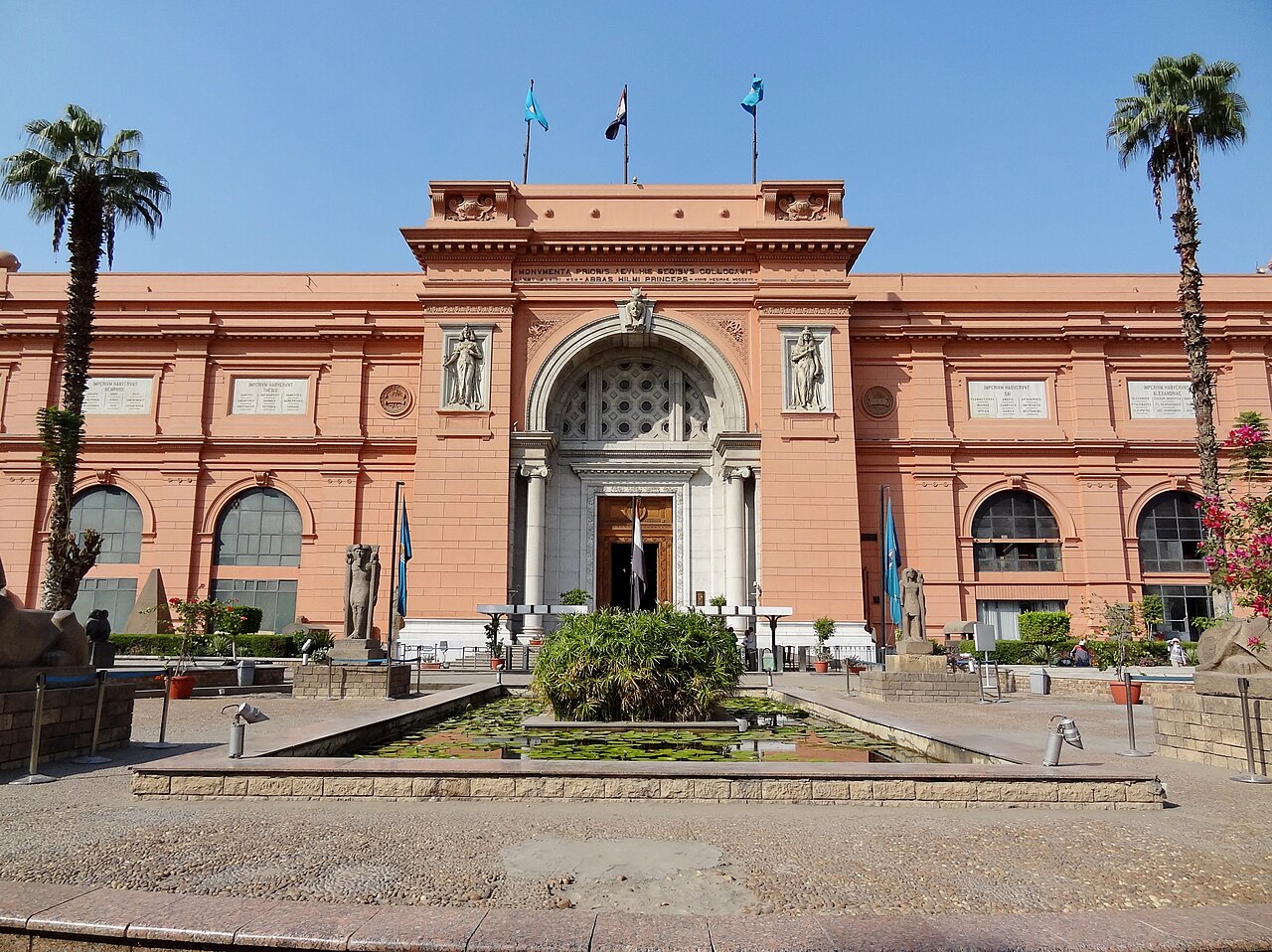
Why visit:
To explore one of the world’s greatest collections of ancient Egyptian art and historical objects.
Cairo Citadel and Sultan Hassan Mosque – Historic Sightseeing Cairo
The Cairo Citadel rises above the city and offers a powerful combination of architecture, history, and panoramic views. Established as a defensive and administrative center, the complex later became closely associated with successive rulers of Egypt.
The Mosque of Muhammad Ali is the most visually dominant building within the Citadel. Its large dome, slender minarets, open courtyard, and richly decorated interior reflect Ottoman architectural influence. Visitors can also explore terraces, gates, museums, and additional historic structures.
Nearby, the Mosque-Madrasa of Sultan Hassan is one of the greatest achievements of Mamluk architecture. Its monumental entrance, immense courtyard, and carefully organized interior spaces create an atmosphere of power and spiritual discipline.
Together, these monuments make the district essential for sightseeing in Cairo. They demonstrate that the city’s importance extends far beyond ancient Egypt.
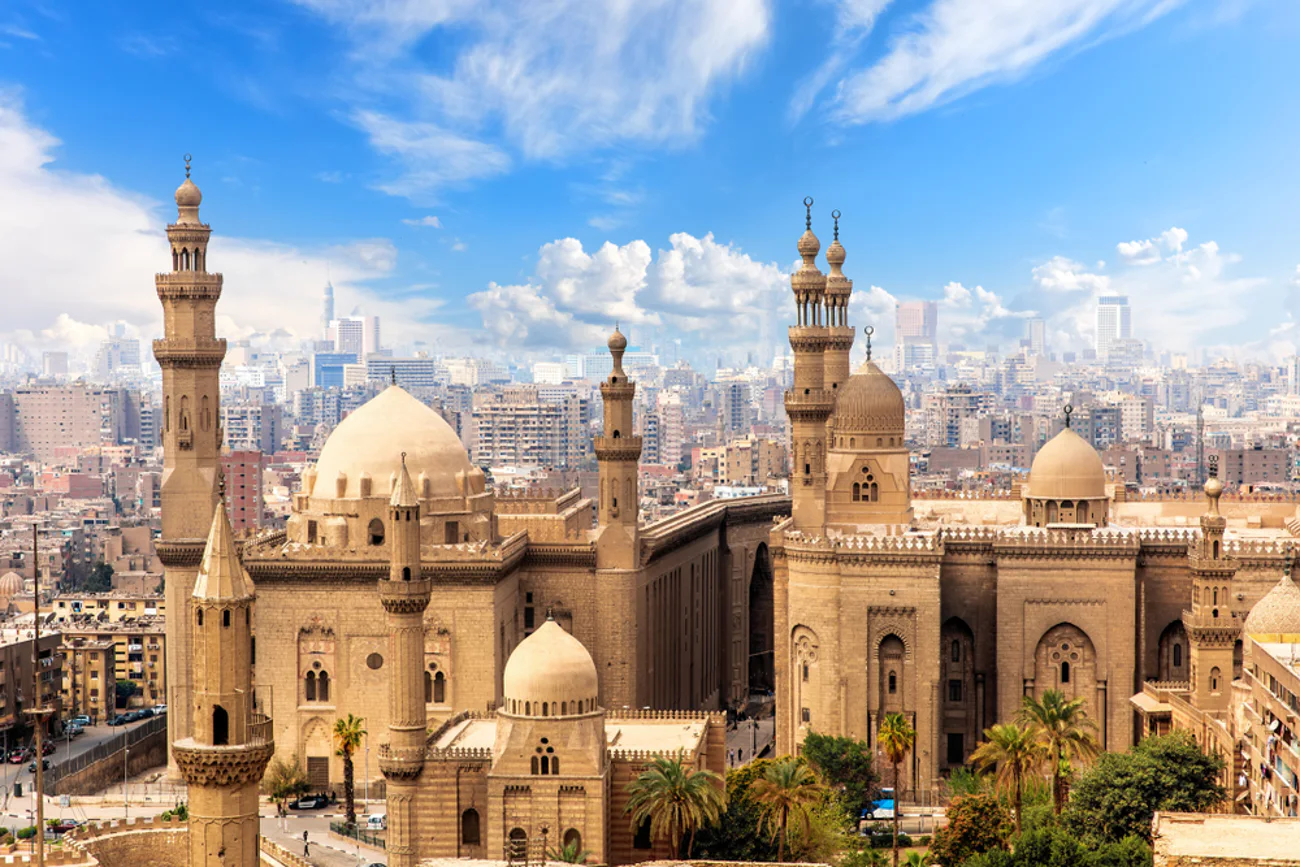
Why visit:
To experience monumental Islamic architecture and elevated views across the capital.
Khan el-Khalili – A Must-See Cairo Cultural Experience
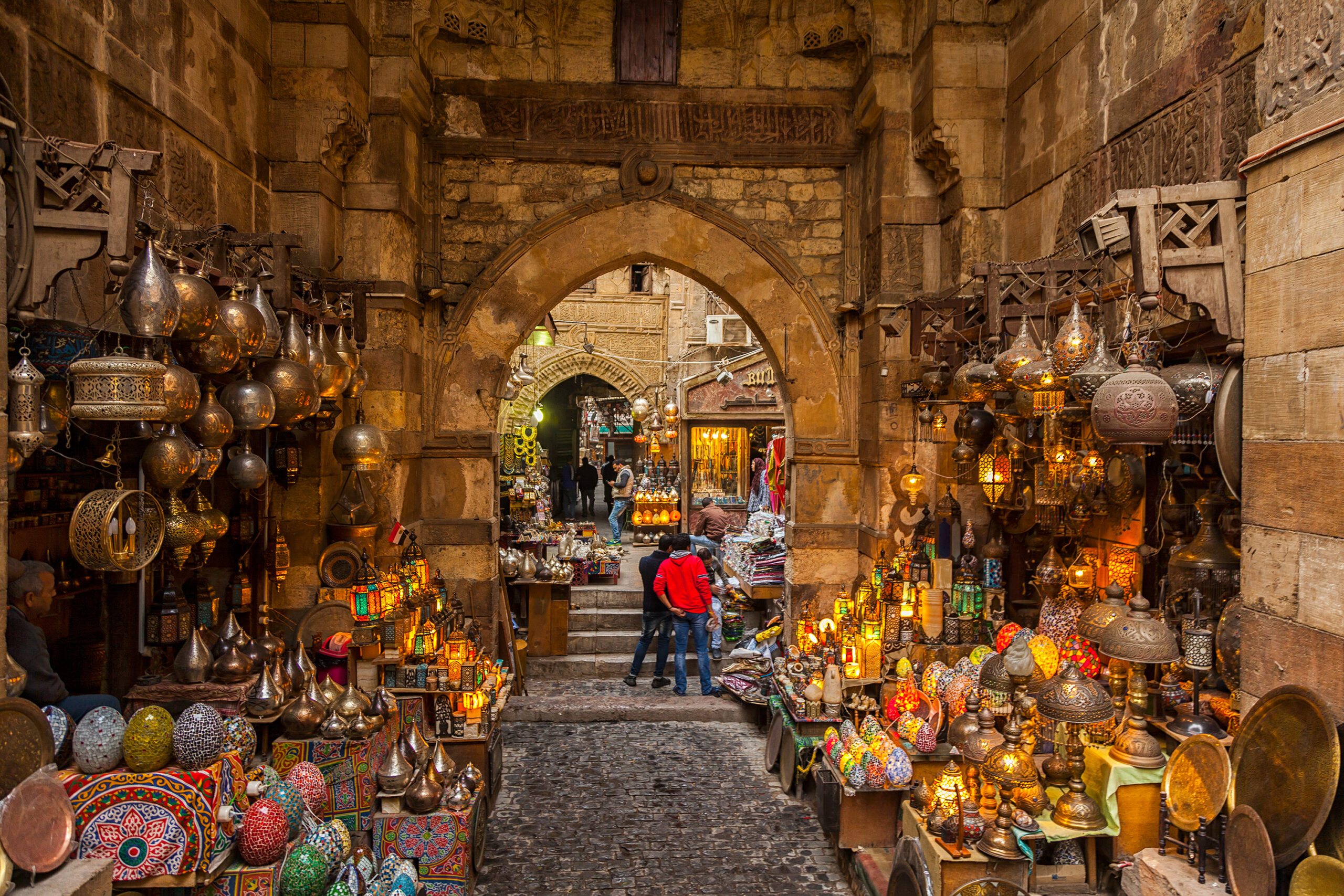
Khan el-Khalili is one of the most atmospheric districts for travelers who want to experience Cairo beyond formal monuments. The market area is filled with narrow passages, workshops, cafés, metal lanterns, textiles, jewelry, spices, perfumes, and constant commercial activity.
The district is best understood as part of historic Islamic Cairo rather than as an isolated shopping destination. Nearby streets lead toward mosques, old houses, religious schools, gates, and restored architectural complexes. Al-Muizz Street is especially valuable because it brings together buildings from several Islamic periods within a walkable area.
Evening changes the atmosphere as lanterns illuminate façades and cafés become busier. Visitors should look beyond the souvenir stalls and notice carved doors, stonework, balconies, and workshop interiors.
This district gives sightseeing Cairo its human scale. After the monumental spaces of Giza and the Citadel, Khan el-Khalili reveals how history survives through trade, food, ritual, and daily movement.
Why visit:
To explore historic streets, traditional craftsmanship, and one of Cairo’s most memorable evening atmospheres.
More Must-See Cairo Attractions
A complete sightseeing in Cairo itinerary should also include places representing the city’s religious diversity, river culture, and modern development. Coptic Cairo contains some of the capital’s oldest Christian landmarks, including the Hanging Church and sites connected with the Roman fortress of Babylon.
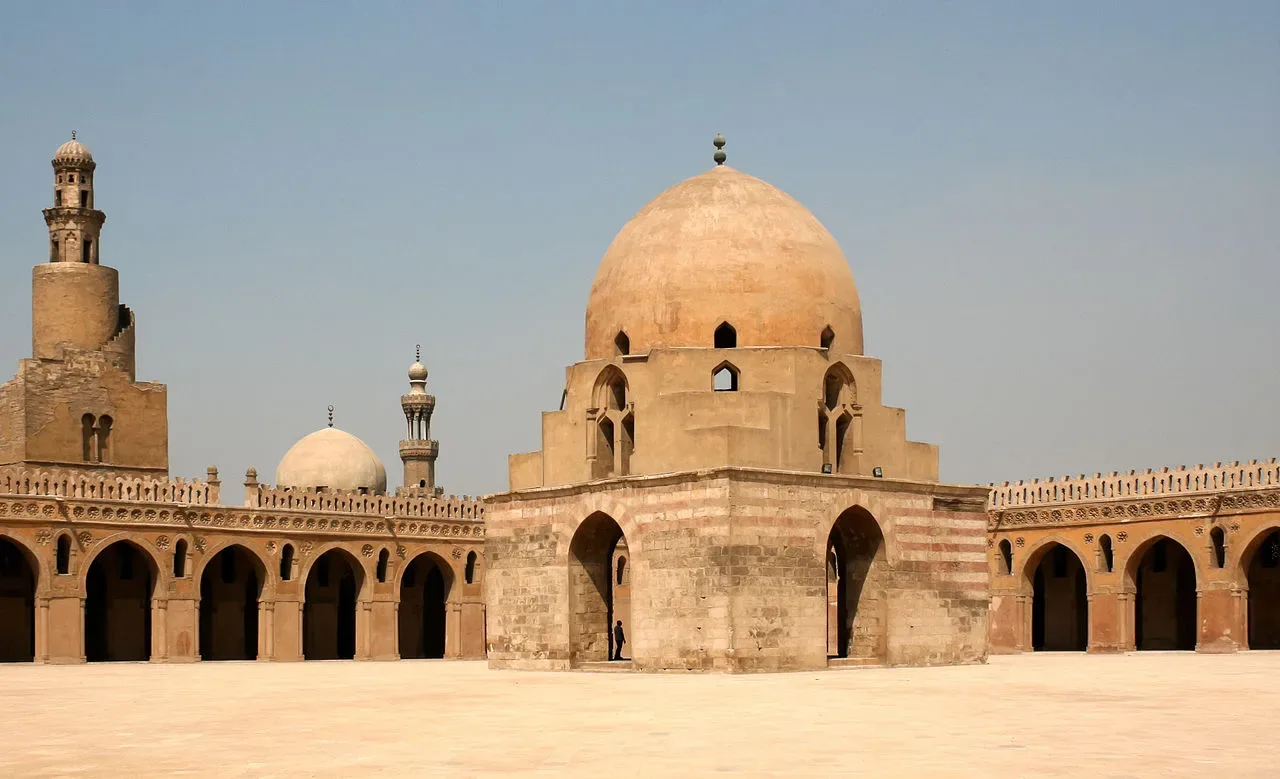
The Mosque of Ibn Tulun is notable for its spacious courtyard, distinctive minaret, and restrained architectural character. Nearby, the Gayer-Anderson Museum combines historic domestic architecture with an unusual collection of furnishings and decorative objects.
The Nile should also be part of the experience. A riverside walk or traditional felucca journey shows how the river continues to shape the city, while Zamalek offers galleries, restaurants, and greener streets.
Travelers with additional time can visit Saqqara or Dahshur as day trips. These sites expand the archaeological narrative beyond Giza and show how pyramid construction developed across different periods.
Why Sightseeing in Cairo Is Unforgettable
Cairo cannot be understood through a single landmark. Its identity comes from the coexistence of pharaonic monuments, medieval mosques, Coptic churches, historic streets, museums, markets, apartment blocks, river views, and constant urban movement. The best Must-See Cairo experiences reveal these layers rather than presenting the city as a destination focused only on the pyramids.
Sightseeing in Cairo requires patience, planning, and openness to intensity. Distances can be significant, traffic can alter schedules, and major attractions deserve more time than many visitors expect. In return, the city offers direct contact with several of the world’s most influential cultural traditions.
For art lovers, architecture enthusiasts, historians, and curious travelers, sightseeing Cairo becomes a journey through changing ideas of power, belief, memory, and urban life.
ArtExpoWorld Editorial View
Cairo challenges the idea that history belongs only to museums. Monuments, sacred spaces, markets, neighborhoods, and the Nile remain part of a living and unpredictable city. The most rewarding approach is to observe how different eras continue to occupy the same urban landscape.
The pyramids provide the unforgettable first image, but Cairo’s deeper cultural identity emerges through its museums, mosques, churches, streets, and communities. This is what makes the city essential for ArtExpoWorld readers: it shows how art and architecture can survive political change, religious transformation, urban expansion, and the passage of millennia.