



Few figures have shaped the global contemporary art market as profoundly as Larry Gagosian. Often called the most powerful art dealer in the world, he built a global gallery empire that represents some of the most influential artists of the last century and today.
Born in Los Angeles in 1945, Gagosian did not begin his career in the traditional art world. His path to becoming the most influential gallery owner of the modern era was unconventional, ambitious, and deeply entrepreneurial. Today, his network of galleries — known collectively as Gagosian Gallery — spans major cultural capitals including New York, London, Paris, Rome, Geneva, Athens, Hong Kong, and Los Angeles.
Within the art industry, Gagosian is widely considered a kingmaker — a dealer capable of elevating artists into the highest tiers of the global market.
From Parking Lot Poster Seller to Art World Titan
Larry Gagosian’s story has become something of a legend in the art market. In the late 1970s he began selling posters near the campus of UCLA in Los Angeles. What began as a modest operation quickly evolved into a business dealing in prints and eventually original artworks.
By the early 1980s, Gagosian opened his first gallery in Los Angeles and started working with prominent collectors and artists. His approach was aggressive compared to traditional European dealers — he understood marketing, celebrity culture, and the psychology of collectors.
This strategy helped him build relationships with some of the most important artists of the era.
Among the major artists associated with his galleries are:
• Jeff Koons
• Damien Hirst
• Richard Serra
• Takashi Murakami
• Anselm Kiefer
• Cy Twombly
Representing artists of this scale placed Gagosian at the center of the international art economy.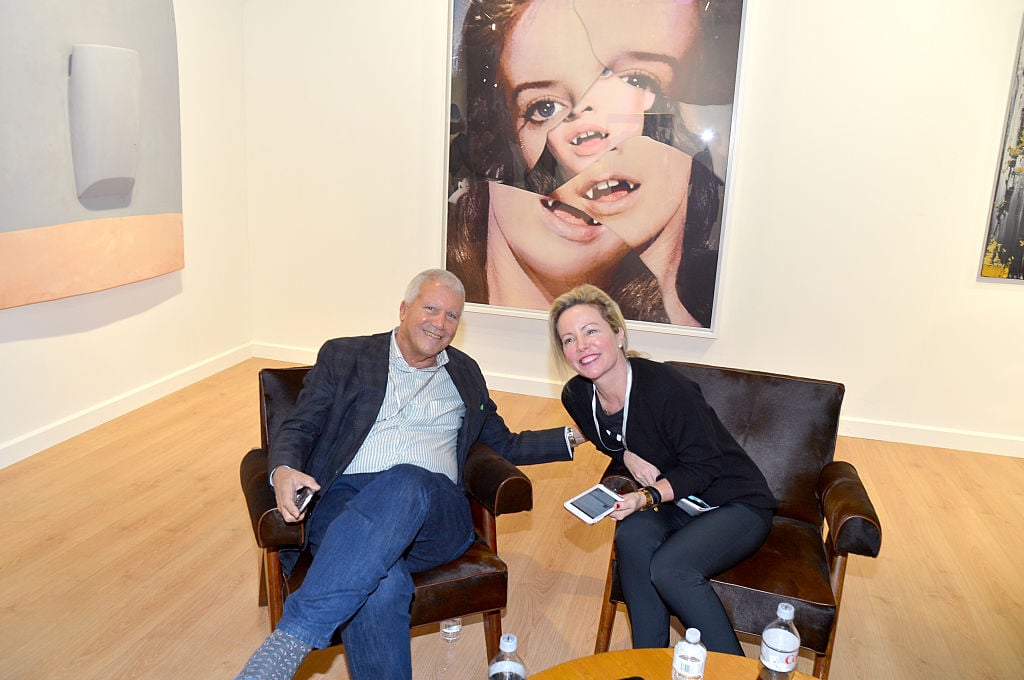
Building the Global Gallery Empire
Today the Gagosian network is one of the largest and most influential gallery systems in the world.
Unlike traditional galleries that operate in a single city, Gagosian created a multi-continental gallery model. Major exhibitions can open simultaneously in New York, London, and Paris, allowing collectors from different regions to engage with the same artist.
This global structure has transformed how the art market operates.
Key features of the Gagosian model include:
• museum-level exhibition spaces
• partnerships with the world’s top collectors
• collaboration with leading museums
• large-scale exhibitions of blue-chip artists
• high-value private sales
The galleries regularly stage exhibitions that rival institutional museum shows in scale and curatorial ambition.
Influence on the Contemporary Art Market
Larry Gagosian is not just a dealer — he is widely credited with reshaping the economics of contemporary art.
Before the 1990s, the art market was dominated by smaller galleries and traditional European dealers. Gagosian introduced a more corporate, international approach that aligned closely with the rise of global wealth and art collecting.
His gallery helped create a new category of artists known as “blue-chip contemporary artists.”
These are artists whose works consistently sell for millions of dollars at auctions and private sales.
Works by artists associated with Gagosian have repeatedly set auction records at houses such as:
• Sotheby’s
• Christie’s
Because of this influence, Gagosian is often described as the most powerful gatekeeper of the contemporary art market.

Relationship with Major Museums
Despite being a commercial dealer, Gagosian maintains close relationships with leading museums and institutions worldwide.
Artists represented by his gallery frequently exhibit in major institutions such as:
• Museum of Modern Art
• Tate Modern
• Centre Pompidou
This overlap between museum programming and gallery representation has become a defining feature of the contemporary art ecosystem.
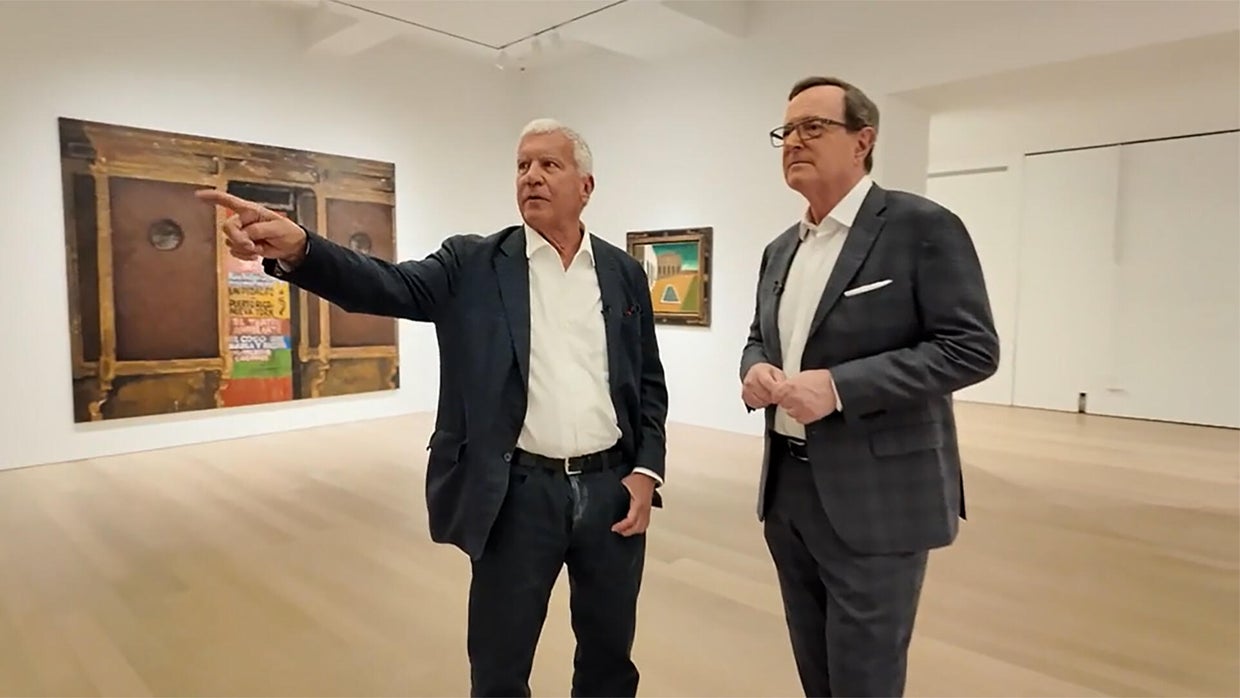
Many museum-level exhibitions are developed in collaboration with galleries like Gagosian.
A Cultural Power Broker
Beyond selling art, Gagosian has become a cultural strategist who understands the intersection of art, celebrity, architecture, and finance.
His exhibitions often involve renowned architects and designers, transforming gallery spaces into architectural installations.
He has also played a major role in expanding the visibility of contemporary art in cities such as Hong Kong, where the global art market has rapidly grown over the past decade.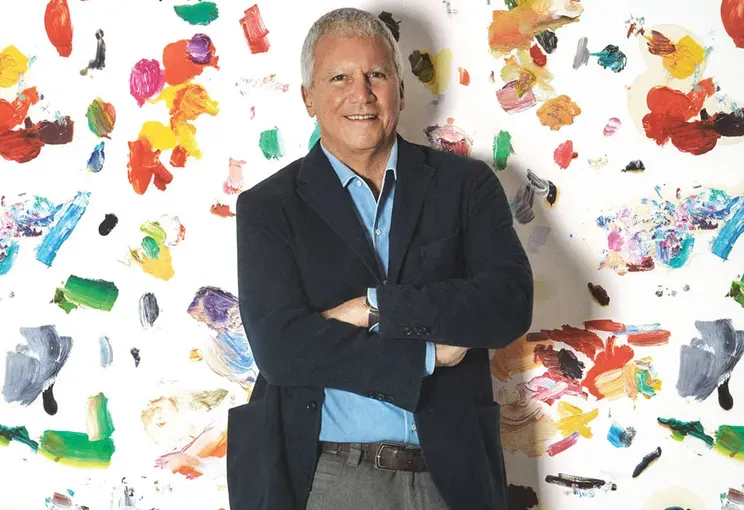
Legacy and Future Influence
After more than four decades in the art world, Larry Gagosian remains one of the most influential figures in global culture.
His business model — combining international galleries, museum-scale exhibitions, and relationships with elite collectors — has become the template for the modern mega-gallery.
Today, the Gagosian brand represents not just a gallery, but a global platform where art, power, and cultural prestige intersect.
For artists, being represented by Gagosian often marks a turning point in their careers. For collectors, it signals access to the very top tier of the contemporary art market.
And for the art world as a whole, Larry Gagosian stands as a symbol of how the art market transformed into a truly global industry.