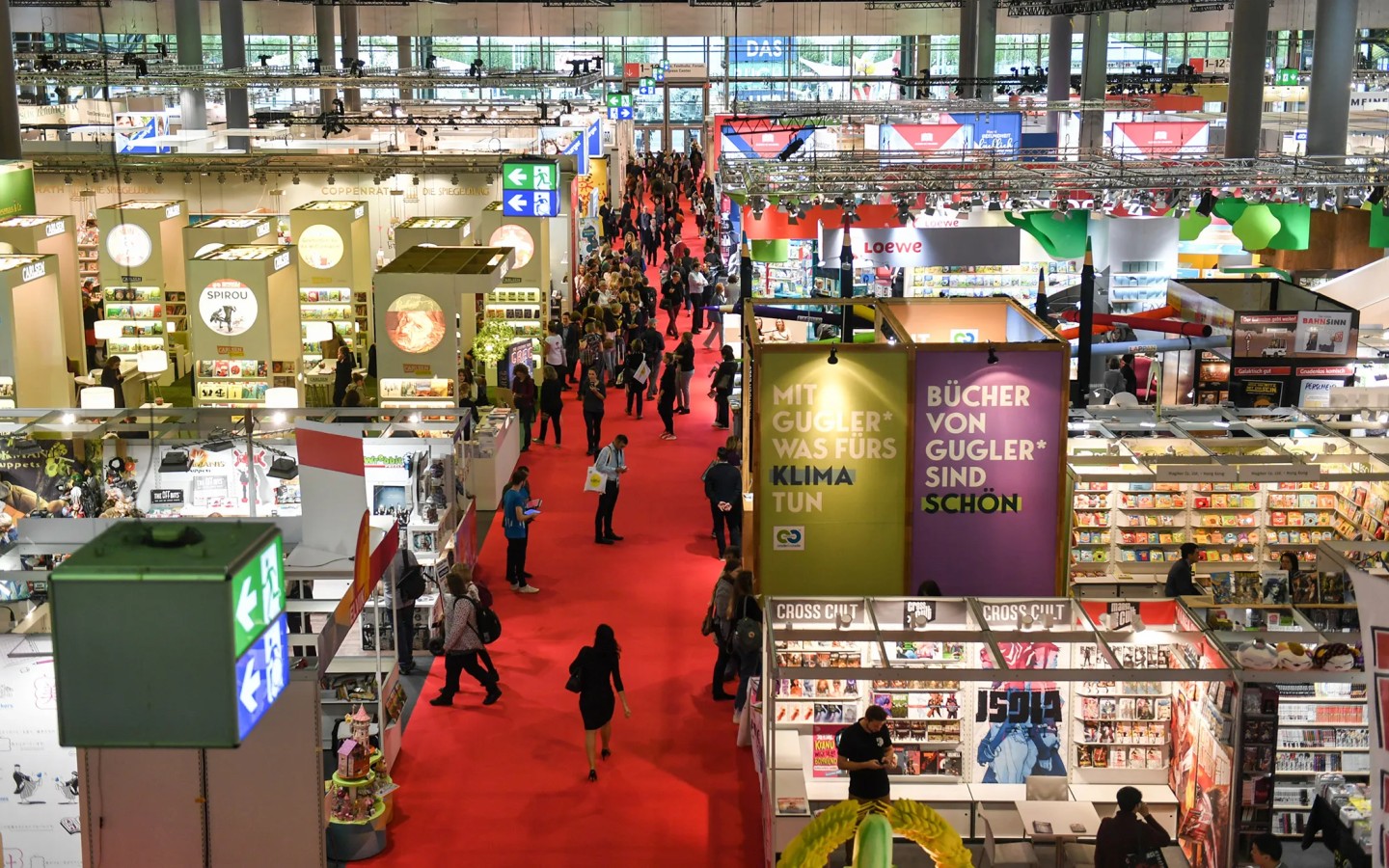
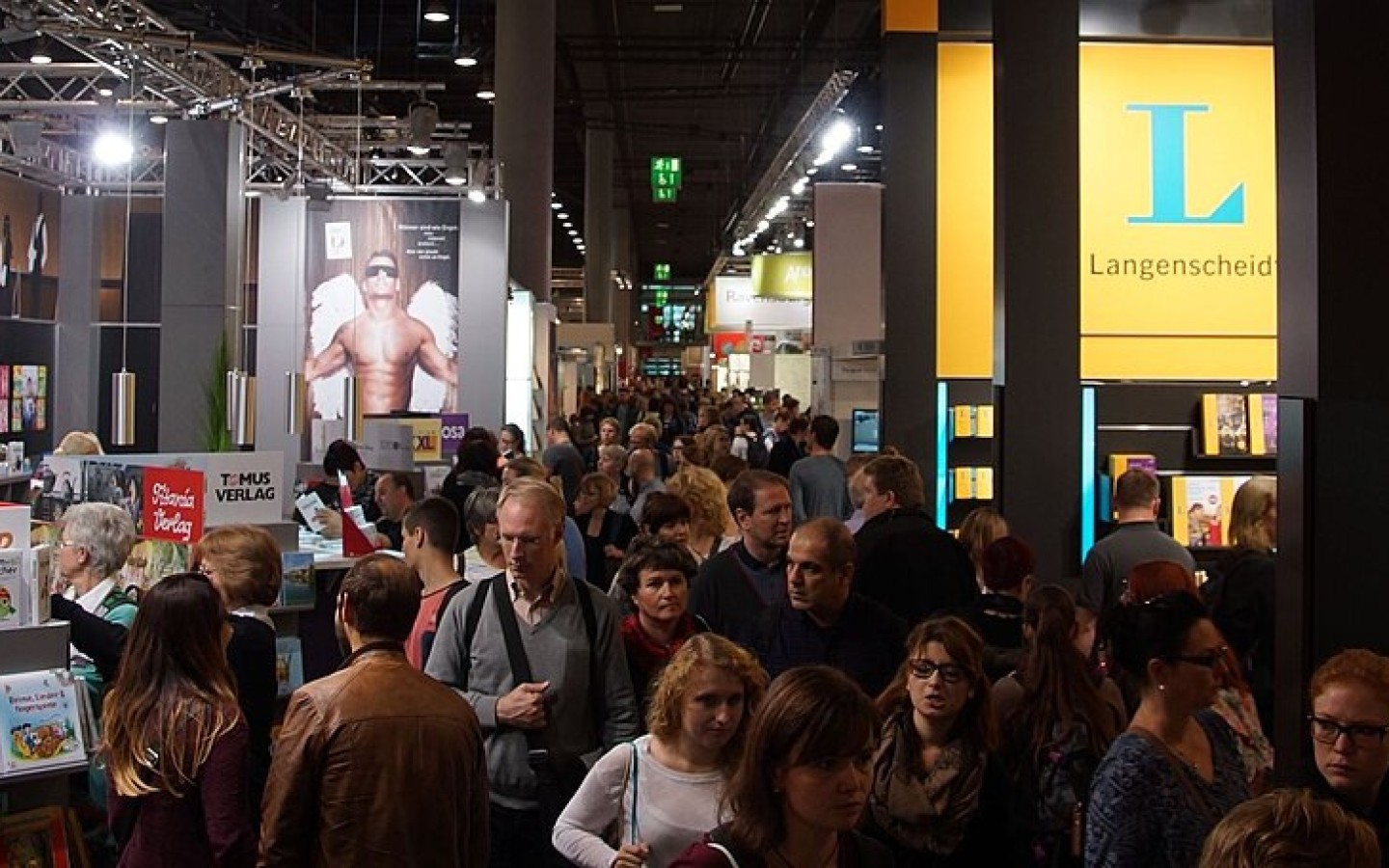
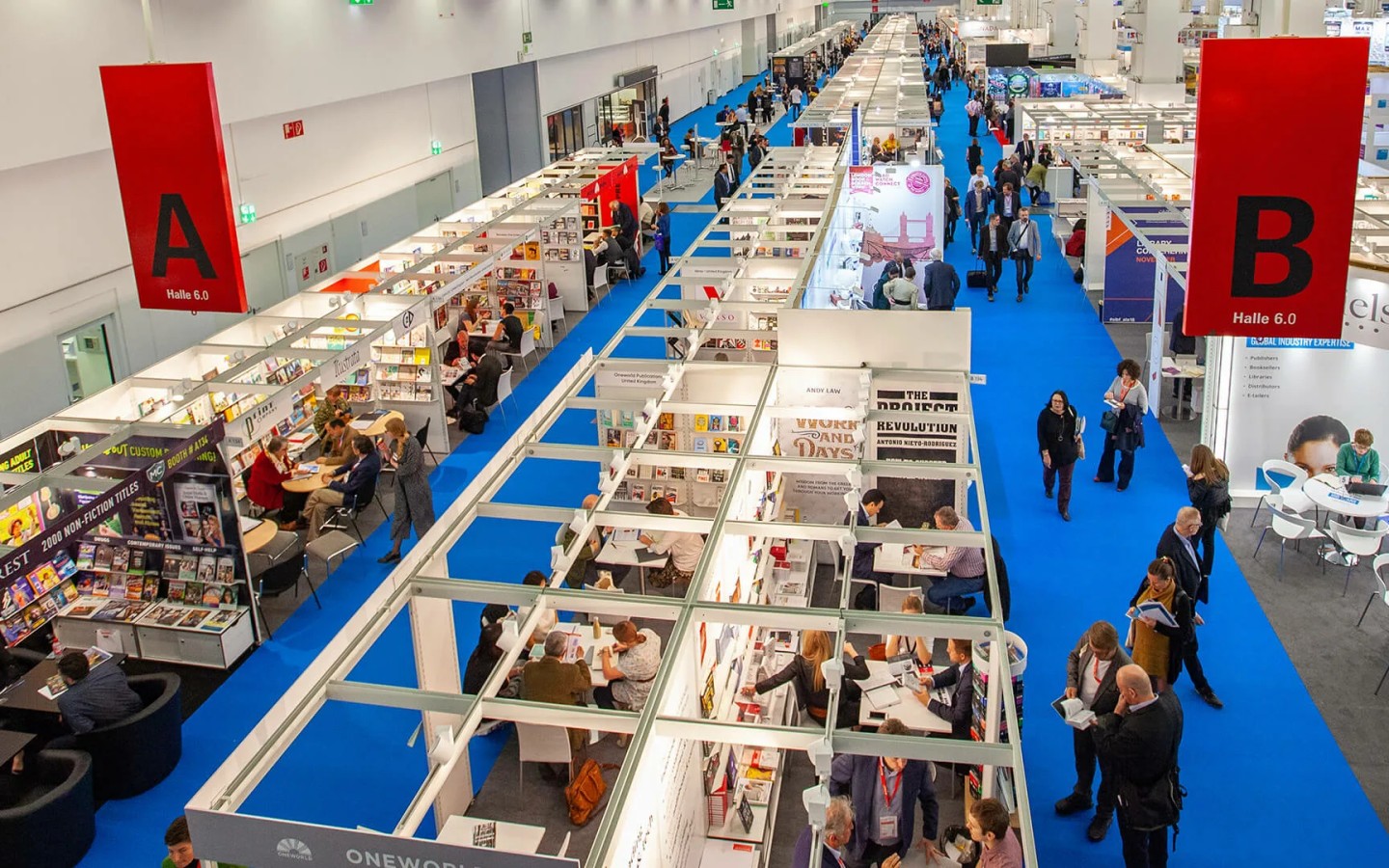
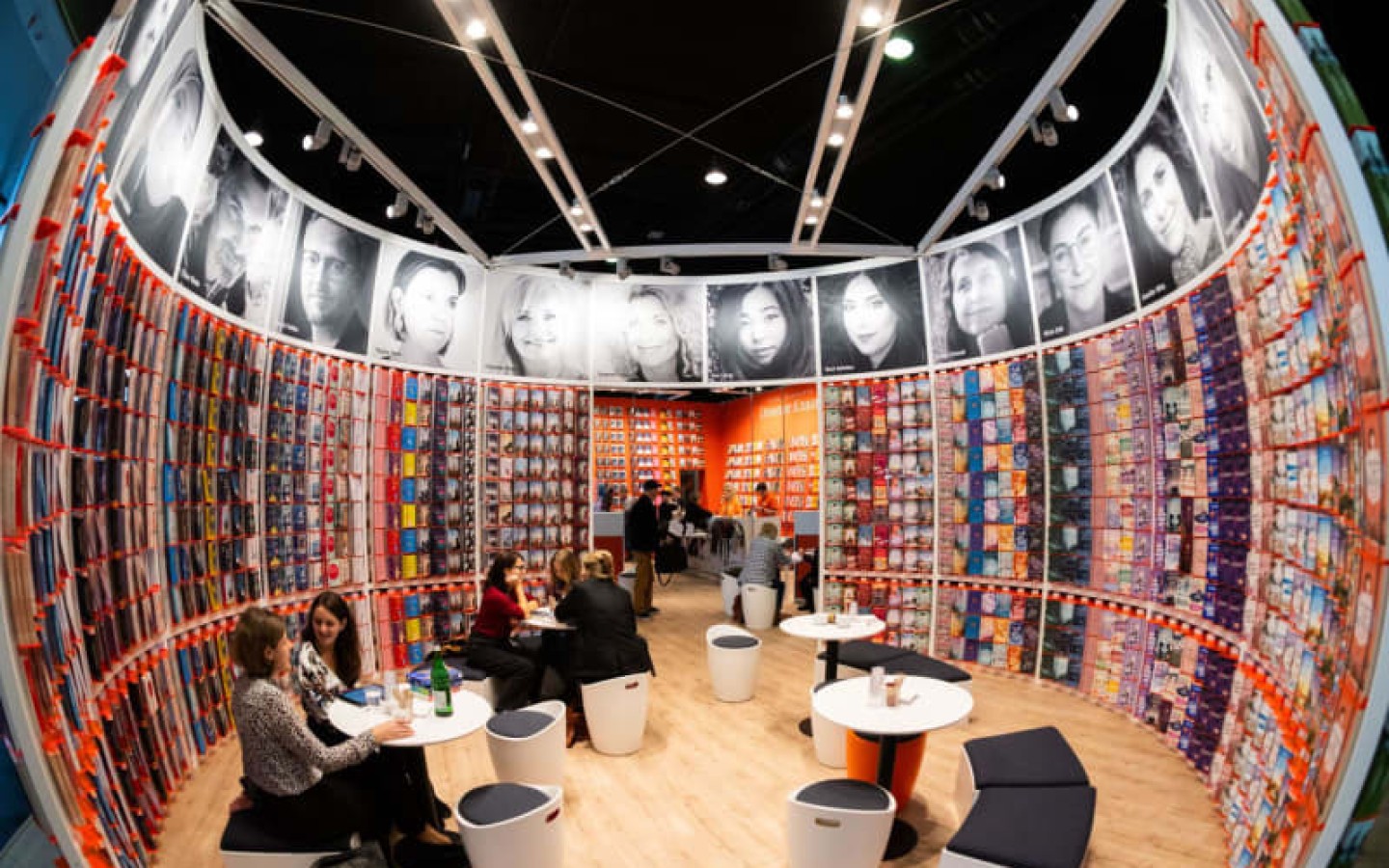
The Frankfurt Book Fair itself dates back to the 15th century, shortly after Johannes Gutenberg’s invention of the printing press in nearby Mainz. Frankfurt became a historic center for the trade of printed materials, establishing a legacy that spans centuries.
While the core fair traditionally focused on literature and rights trading, the increasing relevance of visual culture throughout the late 20th century led to the expansion of photography and art publishing segments.
As contemporary art publishing grew in sophistication, the Art & Photo Program developed into a distinct professional cluster within the fair.
Over the past two decades, the program has evolved from a niche segment into a significant international meeting point for art publishers and visual culture specialists. It has mirrored broader shifts in the art world — from analog photography to digital archives, from traditional catalogues to conceptual artist books, from regional presses to global distribution networks.
The rise of independent art publishing in Europe and Asia significantly expanded the program’s scope. Specialized photography publishers, museum presses, and experimental design houses began to use Frankfurt as a strategic launch platform for international editions.
In recent years, the Art & Photo sector has also become central to discussions around:
— Copyright reform
— Digital image licensing
— NFT publishing intersections
— Archival preservation
— Sustainable printing practices
The fair’s long history provides credibility and institutional depth that few cultural events can rival. Its continuity across centuries demonstrates the resilience of publishing as a cultural backbone — even as formats evolve.
Today, the Art & Photo Program stands as a reminder that artistic production does not end at exhibition — it continues through documentation, printing, and intellectual circulation.