









Sightseeing in Dubrovnik: The Ultimate Must-See List
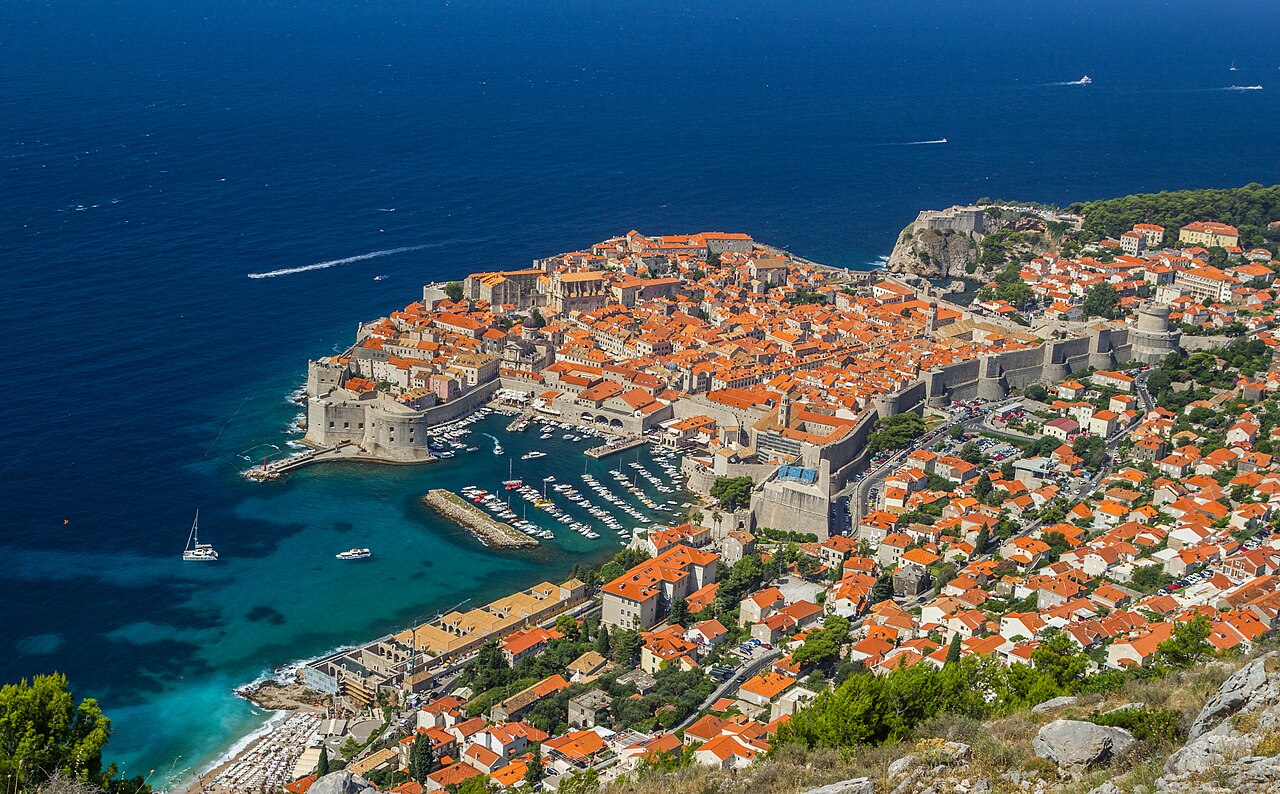
Dubrovnik is one of the most spectacular historic cities on the Adriatic coast. Massive m
edieval walls, limestone streets, Baroque churches, terracotta rooftops, defensive towers, and brilliant blue water create a cityscape recognized around the world. Sightseeing in Dubrovnik combines architecture, maritime history, panoramic viewpoints, beaches, museums, and narrow streets within an exceptionally compact historic center.
Often called the “Pearl of the Adriatic,” Dubrovnik developed for centuries as the center of the independent Republic of Ragusa, an important maritime and trading power. Its historic identity remains visible throughout the Old Town, which is protected as a UNESCO World Heritage Site.
A strong Must-See Dubrovnik itinerary should combine the city walls, Stradun, historic palaces and churches, Mount Srđ, the waterfront, and at least one experience on the Adriatic Sea.
Dubrovnik City Walls – The Essential Must-See Experience
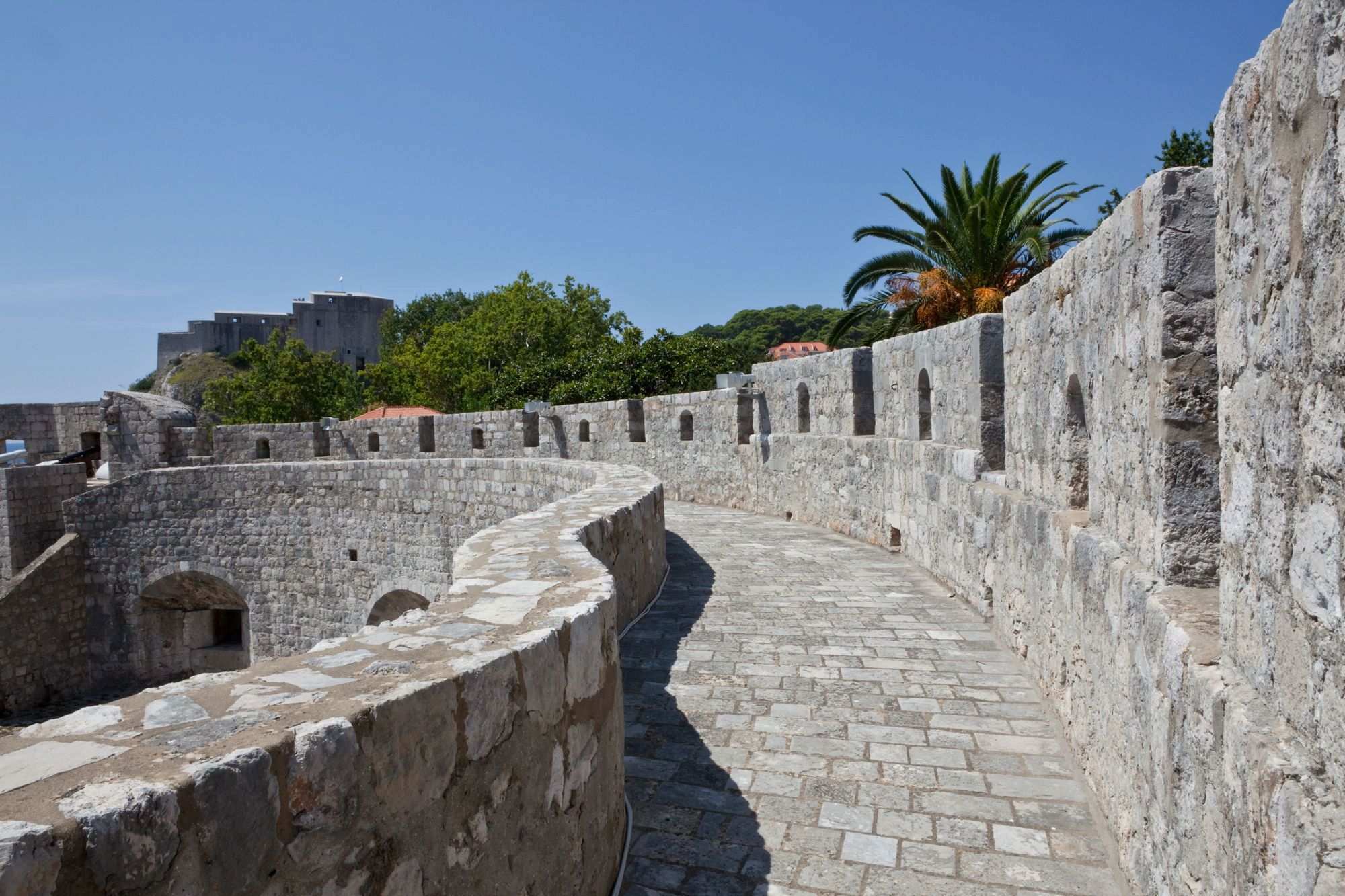
Walking the city walls is the defining sightseeing experience in Dubrovnik. The fortifications surround much of the historic center and provide constantly changing perspectives over rooftops, towers, narrow streets, the harbor, and the Adriatic Sea.
The walls developed over centuries as Dubrovnik strengthened its defenses against military threats. Towers, bastions, gates, and forts became part of a sophisticated defensive system protecting one of the Mediterranean’s most important trading cities.
From the elevated walkway, visitors can clearly see the characteristic orange-red roofs of the Old Town. The contrast between pale stone buildings and deep blue water creates the classic Dubrovnik panorama.
Fort Minčeta forms one of the highest and most recognizable points of the defensive system, while sections overlooking the sea provide dramatic views toward Fort Lovrijenac.
The complete walk deserves time. Heat and limited shade can make midday uncomfortable during summer, so morning or later afternoon is usually preferable.
Why visit:
To experience Dubrovnik’s medieval fortifications and the most spectacular panoramic views of the Old Town and Adriatic coast.
Stradun and Dubrovnik Old Town
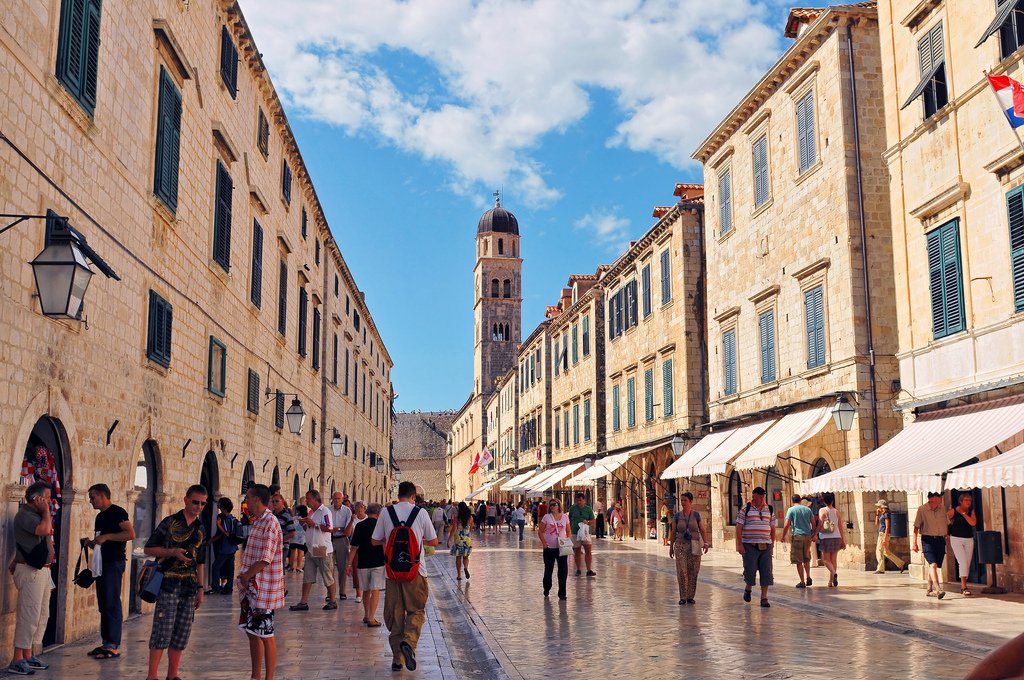
Stradun is the main pedestrian street running through the historic center. Its polished limestone pavement, uniform façades, cafés, shops, churches, and public buildings create the social and architectural spine of the Old Town.
Entering through Pile Gate provides one of the classic introductions to Dubrovnik. The street opens ahead while narrow lanes climb steeply toward residential areas on either side.
Important landmarks appear around Stradun and nearby squares. The Large Onofrio Fountain stands near the western entrance, while the Franciscan Monastery contains a historic pharmacy and peaceful cloister.
At the eastern end, Luža Square brings together several major monuments. Orlando’s Column, the Church of St. Blaise, the Clock Tower, and Sponza Palace create one of Dubrovnik’s richest architectural compositions.
The Rector’s Palace nearby reflects the political history of the former Republic of Ragusa. Its elegant courtyard and museum collections introduce visitors to the government, diplomacy, and aristocratic culture of historic Dubrovnik.
The best way to explore this district is to leave Stradun repeatedly and enter smaller streets. Staircases, hidden courtyards, stone houses, laundry lines, tiny restaurants, and unexpected sea views reveal another side of the city.
Why visit:
To explore Dubrovnik’s UNESCO-listed historic core, monumental architecture, atmospheric lanes, and centuries of Mediterranean urban history.
Fort Lovrijenac and Dubrovnik’s Maritime Defenses
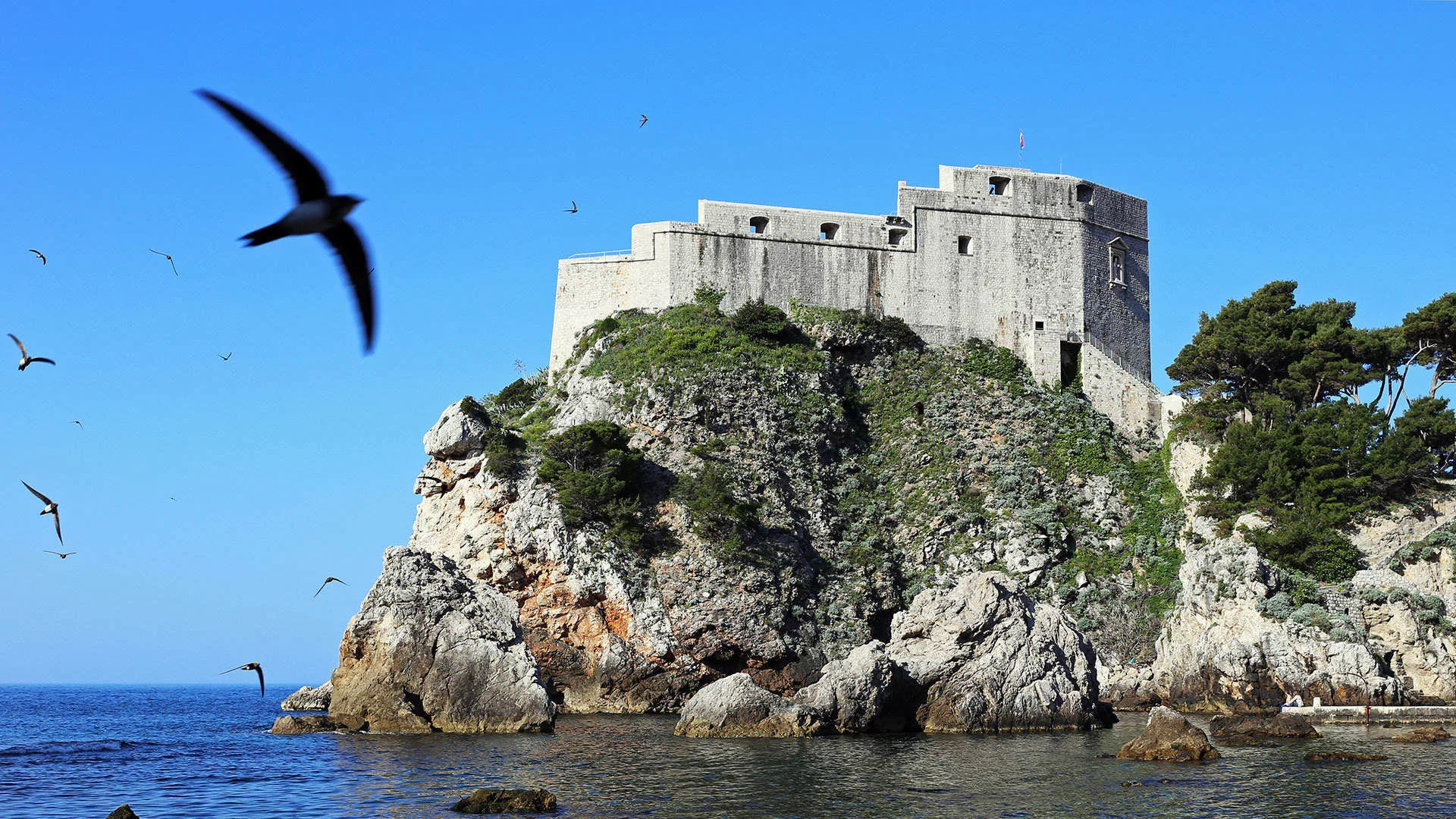
Fort Lovrijenac rises dramatically on a rocky outcrop outside the western city walls. Its location above the sea makes it one of Dubrovnik’s most visually powerful landmarks.
The fortress was strategically positioned to protect the city from attacks approaching by land and sea. Thick defensive walls and elevated terraces demonstrate the military thinking that helped preserve Dubrovnik’s independence for centuries.
Today, the terraces provide outstanding views toward the city walls and Old Town. The location is particularly impressive when seen from the water, where the fortress appears almost integrated into the rock itself.
Dubrovnik’s historic harbor provides another perspective on its maritime heritage. Boats once connected the Republic of Ragusa with commercial networks throughout the Mediterranean and beyond.
Walking around the harbor reveals defensive structures, historic buildings, fishing boats, excursion vessels, and views toward the outer walls.
Why visit:
To understand Dubrovnik’s maritime power, defensive architecture, and extraordinary relationship with the Adriatic Sea.
Mount Srđ – The Best Panoramic View of Dubrovnik
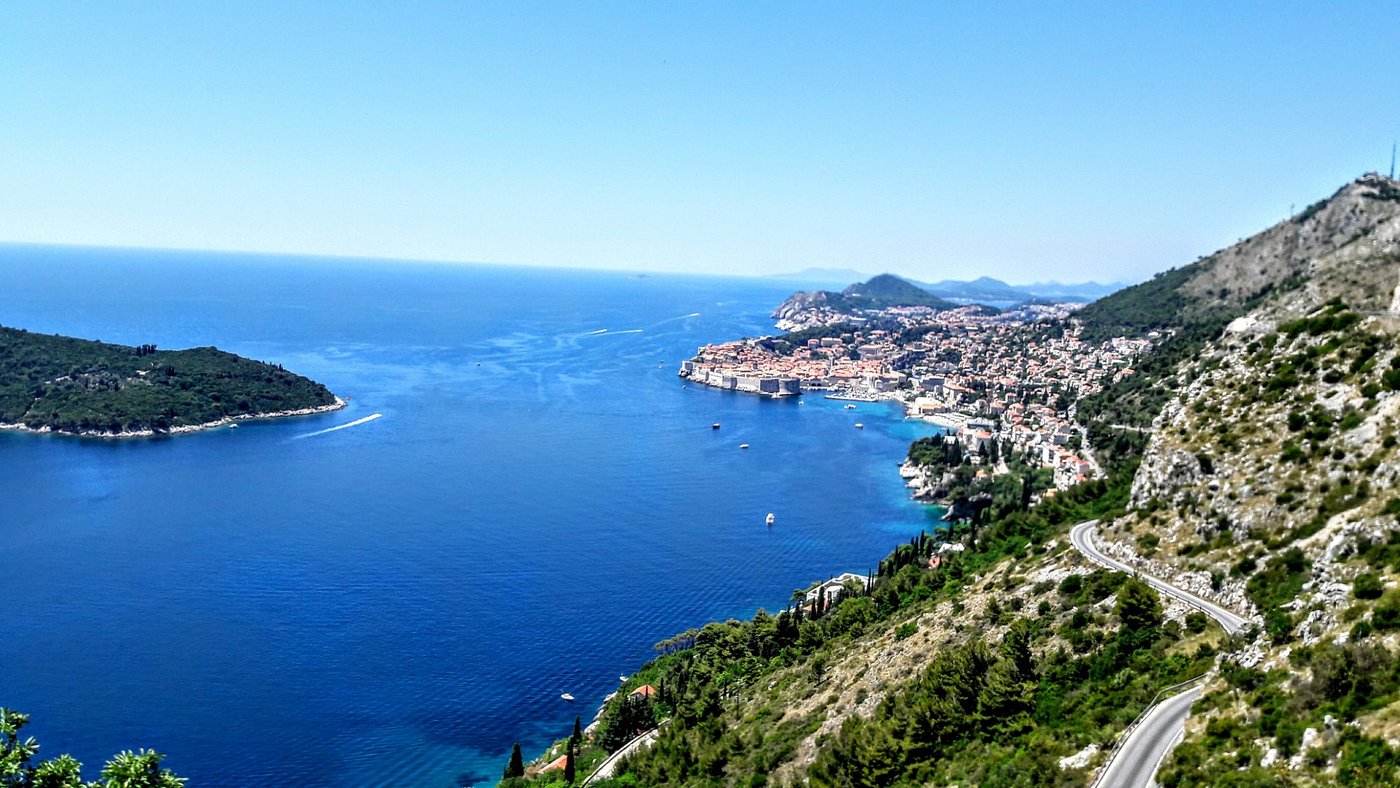
Mount Srđ rises directly behind Dubrovnik and provides the widest panoramic perspective over the city. Visitors can reach the summit by cable car, hiking trail, or road.
From the top, the entire Old Town appears as a compact geometric composition surrounded by walls and sea. Lokrum Island lies immediately offshore, while the coastline and neighboring islands extend into the distance.
Sunset is particularly popular because the changing light transforms the Adriatic and historic rooftops. Photographers should arrive early enough to explore several viewpoints rather than remaining beside the main observation area.
The summit also contains Fort Imperial, built during the Napoleonic period and later connected with more recent conflicts in Dubrovnik’s history.
Seeing the city from Mount Srđ helps visitors understand its geography. The walls, harbor, islands, mountains, and sea suddenly become part of one coherent landscape.
Why visit:
To experience the ultimate Dubrovnik panorama and understand the geography that shaped the historic city.
Lokrum Island, Beaches, and More Dubrovnik Attractions
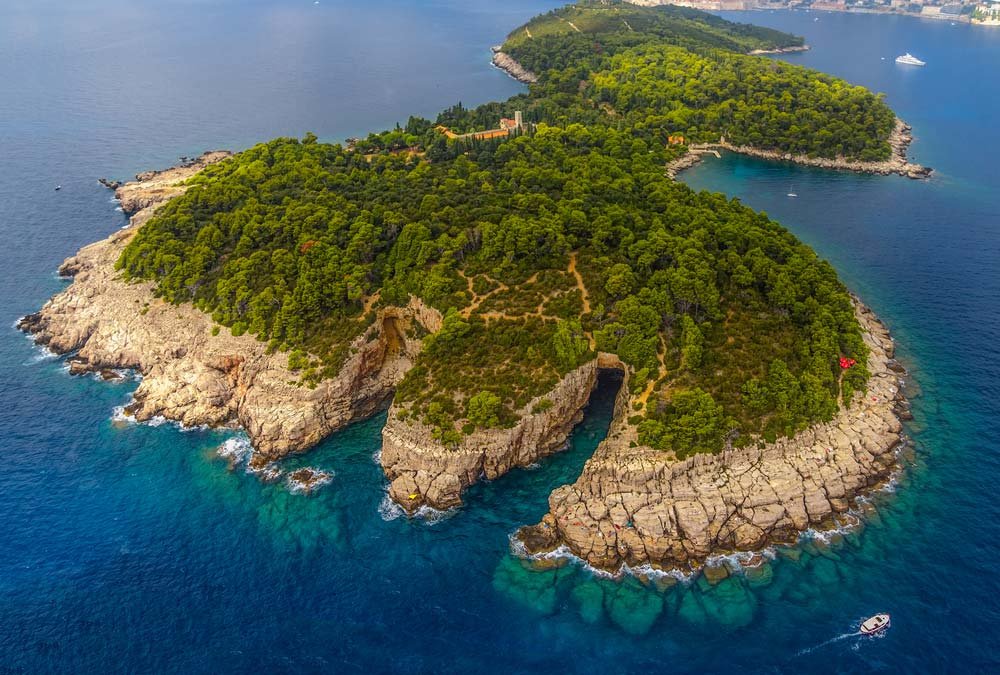
Lokrum Island lies just offshore and provides an easy escape from the crowded Old Town. Regular boats connect the historic harbor with the island during the visitor season.
The island combines forest paths, rocky swimming areas, historic ruins, gardens, and peaceful viewpoints. Its natural landscape creates a dramatic contrast with the dense stone architecture of Dubrovnik.
Travelers seeking beaches can visit Banje Beach near the Old Town or explore additional swimming locations along the coast. Kayaking around the city walls is another popular way to experience Dubrovnik from sea level.
The Cathedral of the Assumption deserves attention for its architecture and religious art, while the Dominican Monastery combines Gothic and Renaissance elements with an important collection.
Visitors interested in recent history can explore museums and exhibitions dealing with Dubrovnik during the conflicts of the 1990s.
Food should also form part of the experience. Seafood, Mediterranean ingredients, local wines, olive oil, and Dalmatian dishes connect the city with the wider culinary culture of the Adriatic coast.
Why visit:
To combine island nature, swimming, religious architecture, museums, local cuisine, and alternative perspectives of the city walls.
Why Sightseeing in Dubrovnik Is So Memorable
Dubrovnik is relatively small, but its visual impact is enormous. Few cities preserve such a clear relationship between fortifications, historic architecture, landscape, and sea.
Two full days provide a strong introduction. The first can focus on the walls, Old Town, museums, and Fort Lovrijenac. The second can include Mount Srđ, Lokrum Island, kayaking, beaches, or additional historic sites.
Travelers visiting during peak summer should begin sightseeing early. Dubrovnik can become extremely busy, particularly when cruise passengers arrive. Early morning and evening reveal a quieter and more atmospheric city.
ArtExpoWorld Editorial View
Dubrovnik demonstrates how architecture can become inseparable from geography. The city walls are not simply historic monuments; they define the visual boundary between organized urban space and the open Adriatic.
For ArtExpoWorld readers, Dubrovnik offers an exceptional study in stone. Streets, palaces, churches, fortifications, staircases, and public squares use similar materials, creating remarkable visual unity despite centuries of architectural change.
Yet the sea remains equally important. Maritime trade created the wealth that financed much of the city’s architecture, while defensive structures protected the independence that allowed its culture to flourish.
Dubrovnik therefore succeeds not simply as a preserved medieval city but as a complete cultural landscape where architecture, history, politics, commerce, and nature remain visibly connected.