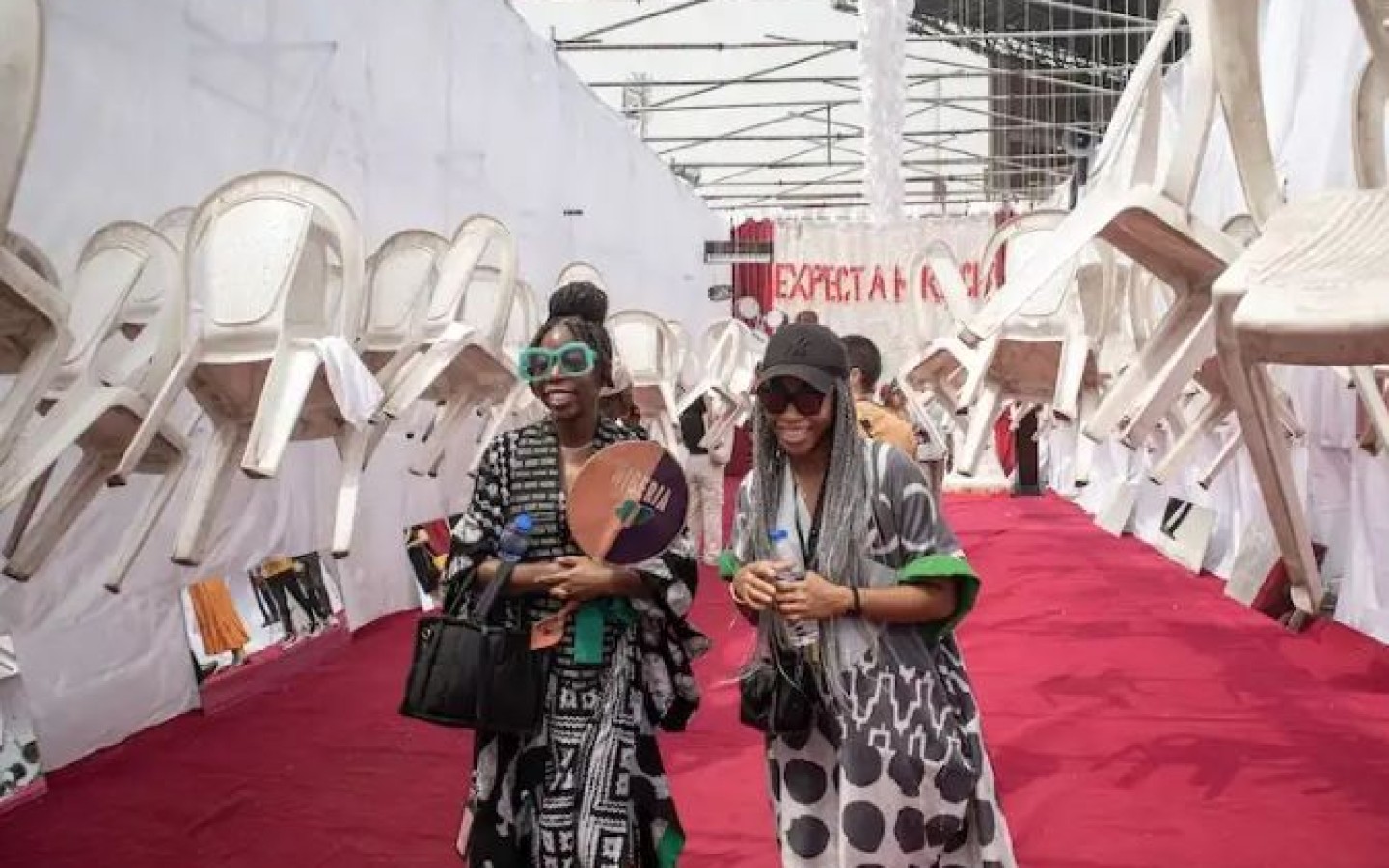


An artwork can exist for decades without becoming publicly visible. Its absence may reflect conservation needs, financial resources, a museum’s priorities, or an inherited narrative of which histories matter. Lagos Biennial 2026 takes these conditions as its subject. The fifth edition, The Museum of Things Unseen, opens a discussion about what a museum could become if visibility were treated as a responsibility rather than a neutral outcome.

The announced exhibition period is 14 November–6 December 2026, with a professional and invited-guest pre-opening on 13 November. Curated by Furen Dai, Chinyere Obieze, and Sam Hopkins, the edition also introduces the Àkéte Collection’s first major exhibition. It is a timely Lagos visit with a distinct institutional question at its core.
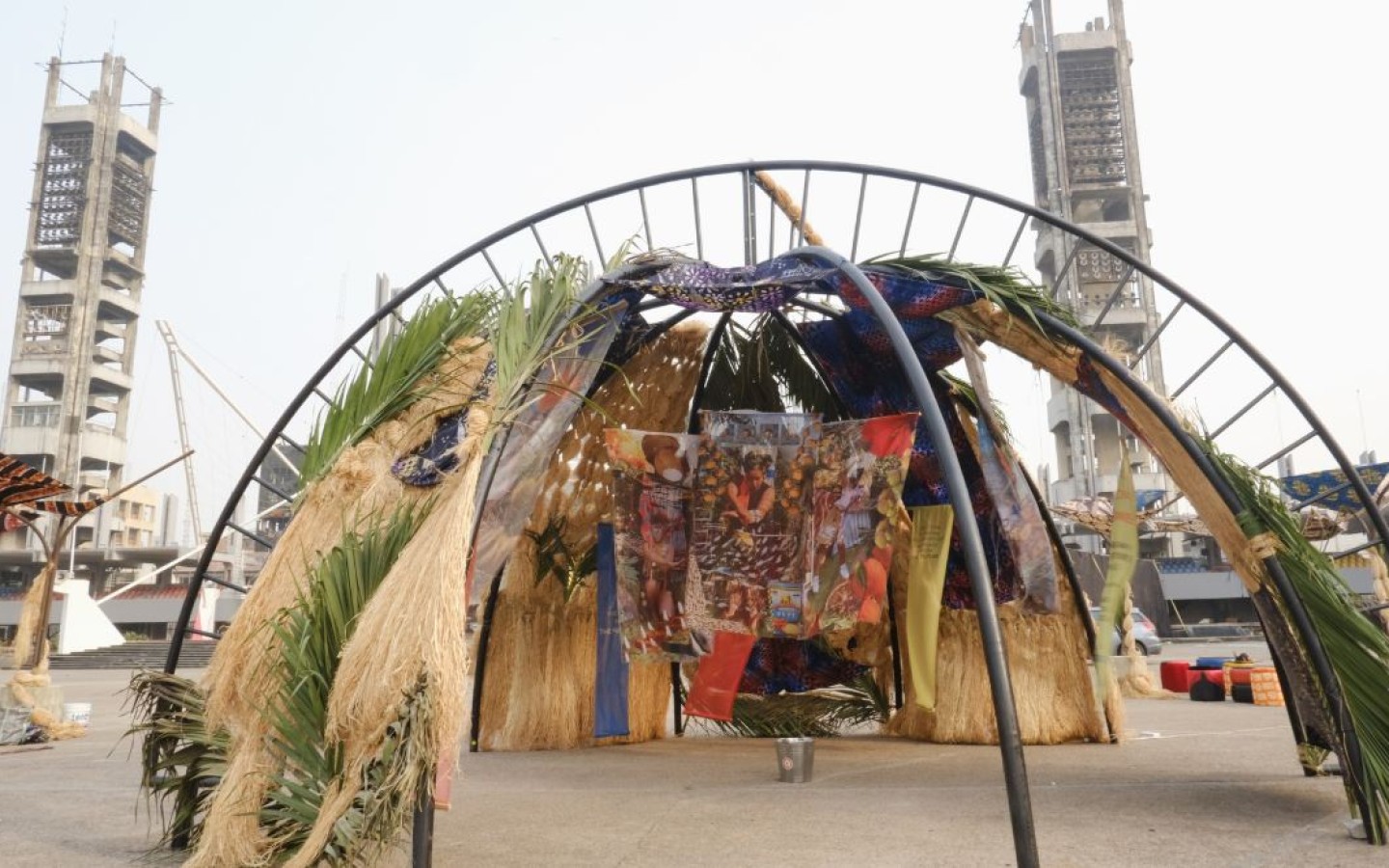
The curatorial proposal brings rarely or never publicly seen works into a speculative museum setting. Contemporary artists are invited to reinterpret the material and question the structures through which objects circulate. This is a biennial exhibition and research platform, not a gallery sales fair or a single-medium survey.

The final exhibition checklist, total number of artists, and full daily programme were not available in the reviewed announcements on 29 October 2026. Names associated with earlier Lagos Biennial editions should not be described as new participants without confirmation. The edition’s central promise concerns the conditions of encounter: which objects become available, how they are framed, and who is able to interpret them.

Participants and Programme

The accompanying announcements include an international colloquium, the inaugural Curatorial Lab Lagos led by Adam Szymczyk, and the OFFish parallel programme. The lab is described as a three-day initiative; specific attendance conditions and the detailed timetable require confirmation. A professional educational programme should not be presumed to operate as a drop-in public event.

Lagos Biennial 2026 Event Overview

Lagos Biennial 2026: Dates, Tickets & Visitor Guide

Dates:

14 November 2026 - 6 December 2026

Location:

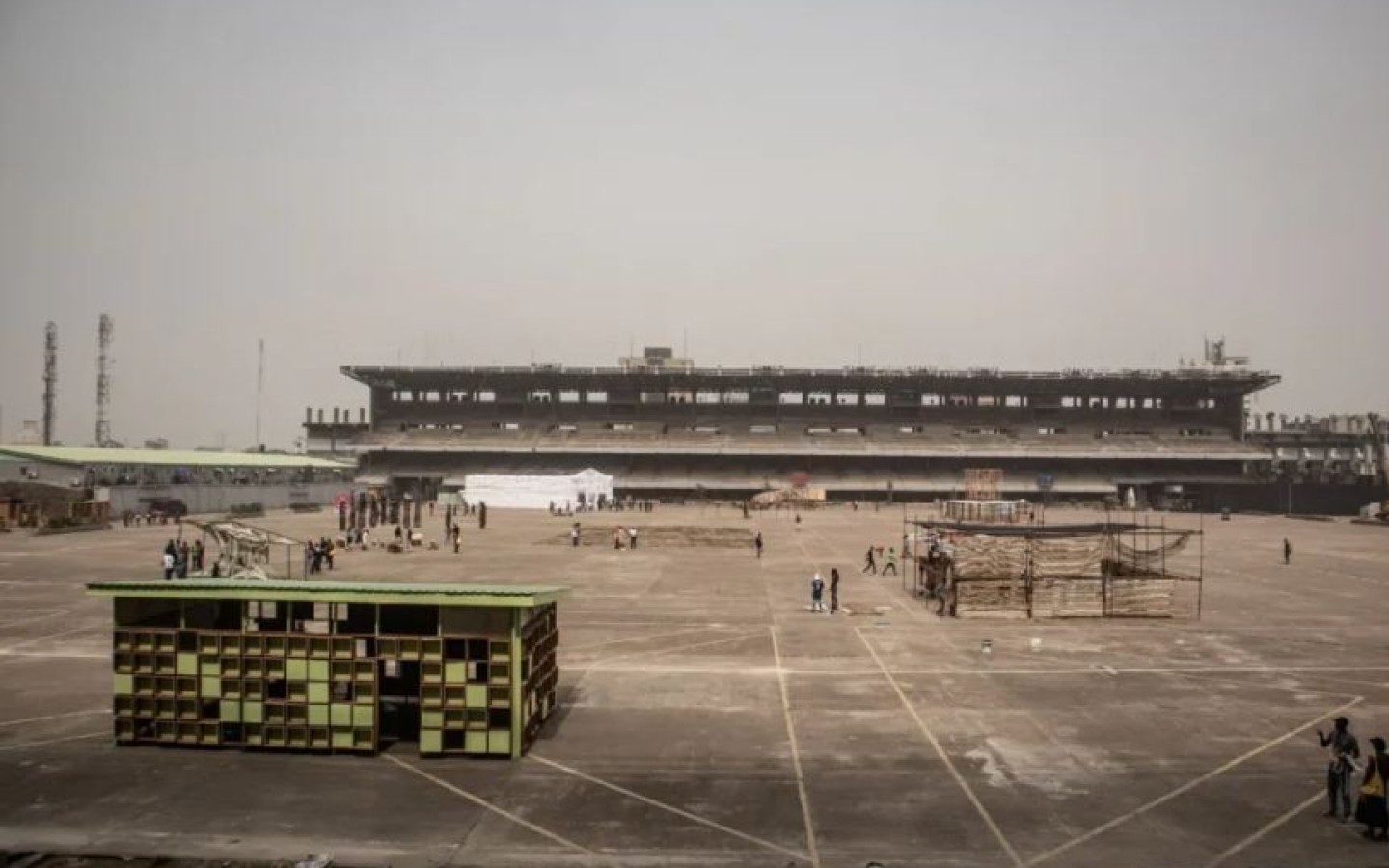
Lagos, Nigeria. The OFFish announcement identifies the Àkéte Collection as its venue, with pavilions beside the central biennial exhibition. A complete public visitor address, entrance map, and confirmed route were not provided on the pages checked. Obtain those details before arranging a transfer. The 2024 venue, Tafawa Balewa Square, should not automatically be used as the destination for 2026.

Mission:

The biennial asks how an art institution based in Lagos might revise the narratives through which cultural objects have been collected and displayed. The question reaches beyond the presence or absence of individual objects. Labels, loans, conservation decisions, and the authority to tell a story also shape what becomes visible.

Organizer:

Àkéte Art Foundation, with Lagos Biennial artistic director Folakunle Oshun and the edition’s three co-curators. Use this page’s enquiry form for visitor assistance and the latest access information.

Why attend to Lagos Biennial 2026?

Choose this edition if you are interested in how exhibitions produce knowledge rather than simply display it. The speculative museum framework allows an object and its institutional history to be examined together. It is particularly relevant to viewers following debates about restitution, public access, and the possibility of building durable art institutions in places too often discussed only as sources of cultural material.

Ticket Information

General admission costs

The official site provides a ticket page, but no published admission price was visible in the version checked. Public entry should therefore be treated as unconfirmed, not assumed free because a third-party calendar says so. Request the rate and access conditions through the enquiry form. Pre-opening accreditation, public exhibition entry, and participation in a professional programme are separate matters.

Getting There:

Confirm the exhibition address and entrance before choosing a vehicle or a meeting point. Lagos journeys can vary substantially depending on origin, road conditions, and time of day. A city name or the address of a previous edition is insufficient for a timed arrival. Arrange a return plan as well as the outward journey if attending an evening event.

Visitors arriving through Murtala Muhammed International Airport should plan immigration, luggage collection, accommodation check-in, and the exhibition transfer as separate stages. Ask the organiser about step-free access and facilities once the venue map is available. A large-scale cultural event should not be assumed to provide a shuttle, a continuous multi-venue route, or uniform accessibility across every site.

Accommodation

Choose a base after the exhibition’s public entrance and your other appointments have been confirmed. A room described as being in an art district may still involve a substantial daily journey. Flexible terms are useful while final visitor arrangements are being published. If travelling for both the fair and biennial, account for the gap between their public opening dates rather than booking a single art-weekend.

Don't Miss an Exhibition

Follow us on X to get the latest art events from around the world first

Follow

Gallery: Lagos Biennial 2026

Secure Your Spot at Lagos Biennial 2026 — Before It's Too Late

Tickets are limited and sell out fast.
Get instant access to the Lagos Biennial 2026 registration page and be the first to know about exclusive events, VIP passes, and travel perks.

Early access. Limited availability. Global art at your fingertips.

History & Context of a Lagos Biennial 2026

Established in 2017, the biennial’s first four editions used the Nigerian Railway Corporation, Independence House, and Tafawa Balewa Square. These locations made the city’s architecture and public histories part of the encounter with contemporary art. The Àkéte Collection proposes a further step towards a lasting collection and institutional space.

Earlier in November, ART X Lagos 2026 has public visiting dates of 7–8 November within its wider 5–8 November edition. Its gallery and market framework offers a different perspective on artistic visibility. The biennial opens to the public six days after the fair’s public close, so the two require separate visits and a longer stay if combined.

What has changed for 2026

The previous edition’s REFUGE framework gives way to The Museum of Things Unseen. The announced unveiling of the Àkéte Collection and the inaugural Curatorial Lab are substantial new elements. The final work list will determine how those institutional ambitions become an exhibition that a public audience can truly engage with.

Interesting Fact

OFFish began during the biennial’s second edition in 2019 as a parallel off-site initiative. For 2026, its announced pavilions are located around the central exhibition. The arrangement gives an independent response a physical place beside the main curatorial framework. It makes the relationship between an institution’s center and its margins something a visitor may be able to experience spatially.

Tips for Visitors of Lagos Biennial 2026

Read the information about an object’s arrival and ownership as carefully as the artist biography. If the exhibition proposes a new interpretation, ask what knowledge supported it and which voices participated. A previously unseen object does not become fully understood merely by being placed in public; its new presentation also deserves scrutiny.

Tips from the ArtExpoWorld

Our Lagos art events in November 2026 calendar compares the fair’s public weekend with the biennial’s later opening. Use it to choose dates and distinguish commercial representation from institutional display. The connection is strongest when each event helps sharpen a question raised by the other, rather than being treated as another stop on an interchangeable list.

Be the First to Access Official "Lagos Biennial 2026" Tickets

Don’t miss your chance to attend one of the world’s leading art fairs. Get direct access to the official ticketing page, exclusive updates, and important visitor information.

Early access. Limited availability. Global art at your fingertips.

Editor’s Note

The most demanding question here is whether an exhibition can make its own authority visible. Bringing a neglected work into view is a beginning, but the new display also selects, classifies, and interprets. We would be persuaded by an installation that lets visitors understand those choices rather than presenting visibility as a problem the institution has already solved.

The Àkéte Collection makes the proposition consequential. A biennial can close after a few weeks; a collection creates continuing obligations of care, access, and interpretation. The interest lies in how those obligations are imagined from Lagos, with its specific histories and audiences, rather than measured only against an imported museum model.

We would approach the edition with high expectations for the relationship between objects and explanation. A strong work should remain capable of exceeding the argument that brought it into the room. The most successful version of this museum would make room for that resistance, allowing an unfamiliar object to change the institutional question itself.

Current and Upcoming Art Expos