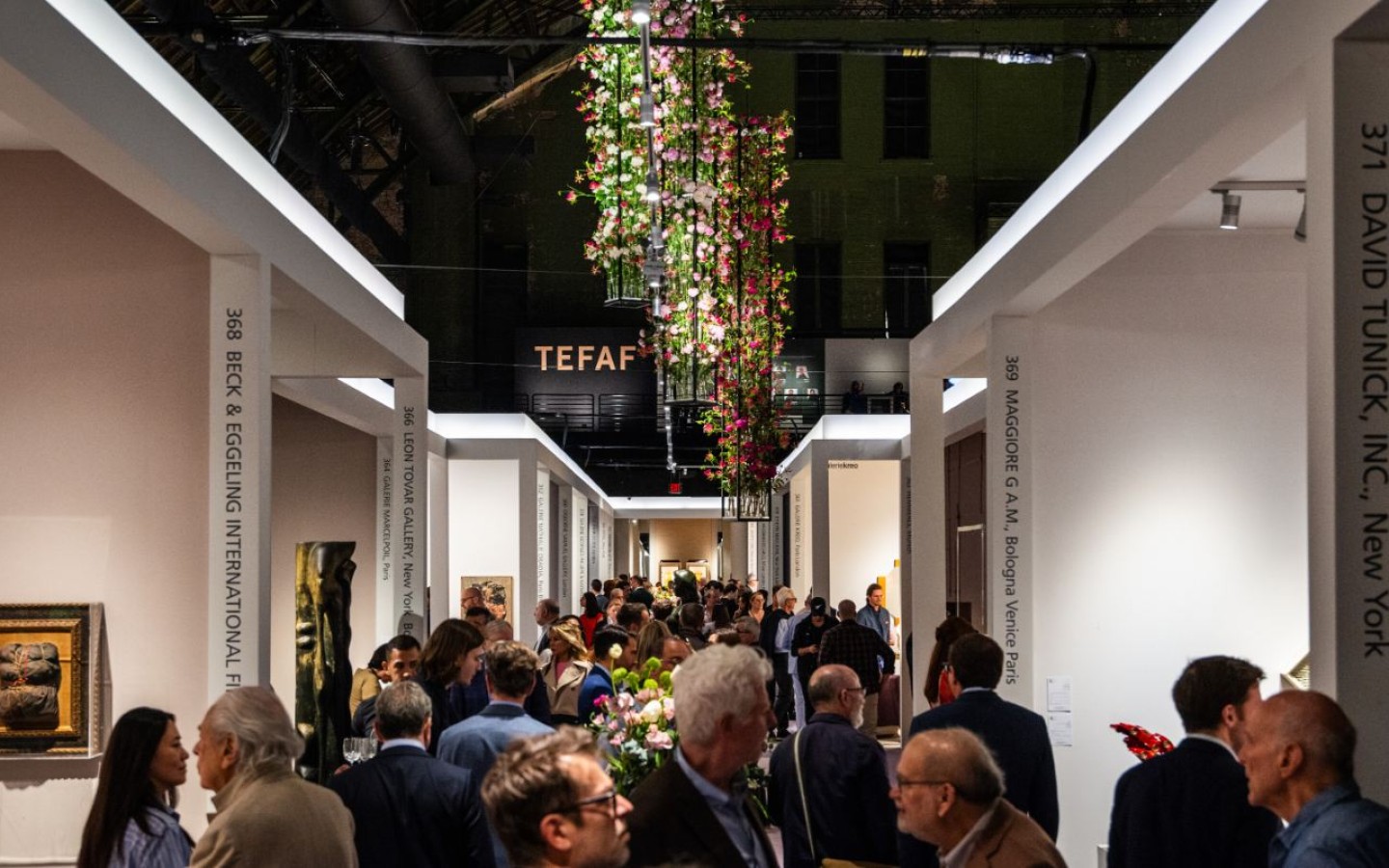
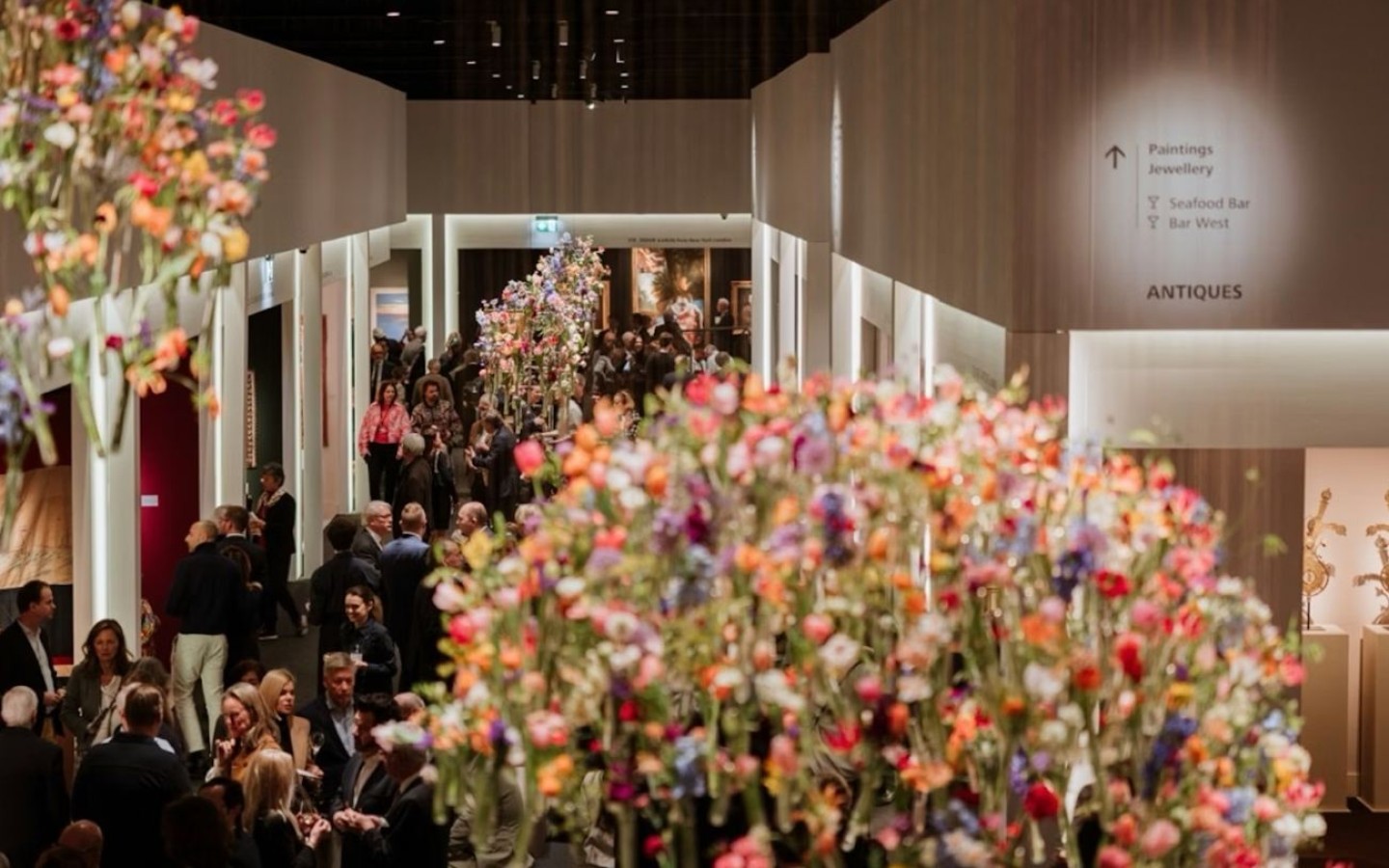
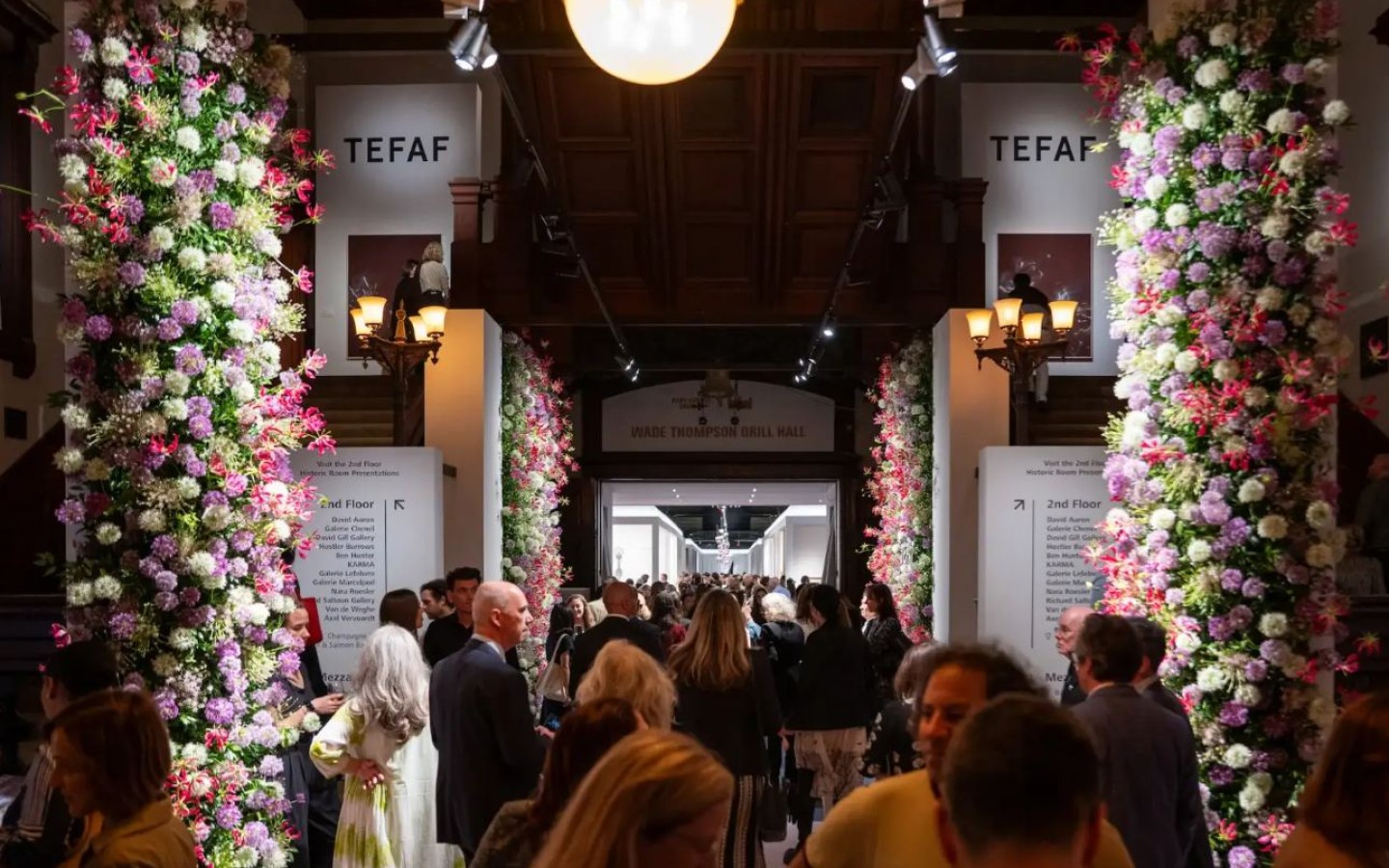
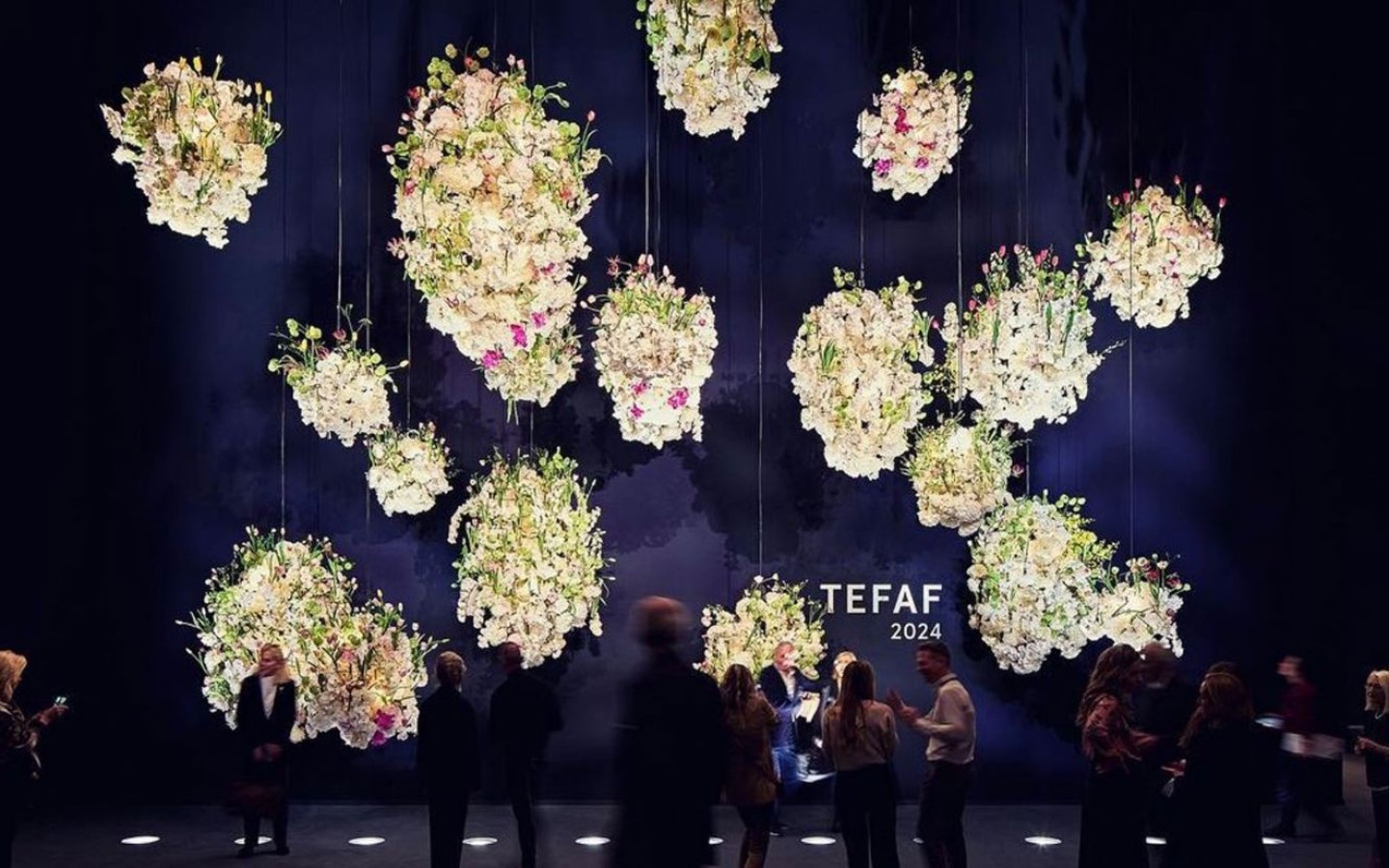
The European Fine Art Foundation was established in 1988, and Maastricht has remained the home of its flagship fair ever since.
During the decades that followed, TEFAF developed an international reputation for combining the traditions of the antiques trade with the standards expected by museums and major private collections.
Its location is part of that identity.
Maastricht sits close to the borders of Belgium and Germany and has historically occupied a crossroads between different European cultures and markets.
In 2026, TEFAF and its local partners announced a long-term agreement securing the fair’s presence in Maastricht through 2036.
That decision reinforces the relationship between the event and the city rather than treating Maastricht as simply one venue among many.
The TEFAF Vetting Process
One of the main reasons TEFAF has developed such a strong reputation is its vetting system.
Before the fair opens, specialist committees examine the works presented by exhibitors.
Experts assess authenticity, condition and attribution, supported when necessary by scientific research and technical equipment.
The committees include academics, curators, conservators, conservation scientists and independent specialists.
Works are also subject to provenance and due-diligence procedures.
This does not turn purchasing art into a risk-free activity, but it creates an additional level of professional scrutiny rarely visible to ordinary visitors at an art fair.
For non-buyers, the process is equally important because it helps explain why so many works presented at Maastricht are of museum-level quality.
The reconsideration of artistic history takes another form at Art Paris 2027, where the new Histories sector revisits artists and movements from the 1960s to the 1990s. For readers drawn to the way specialist presentations change an object’s interpretation, the April fair offers a focused later-twentieth-century comparison.