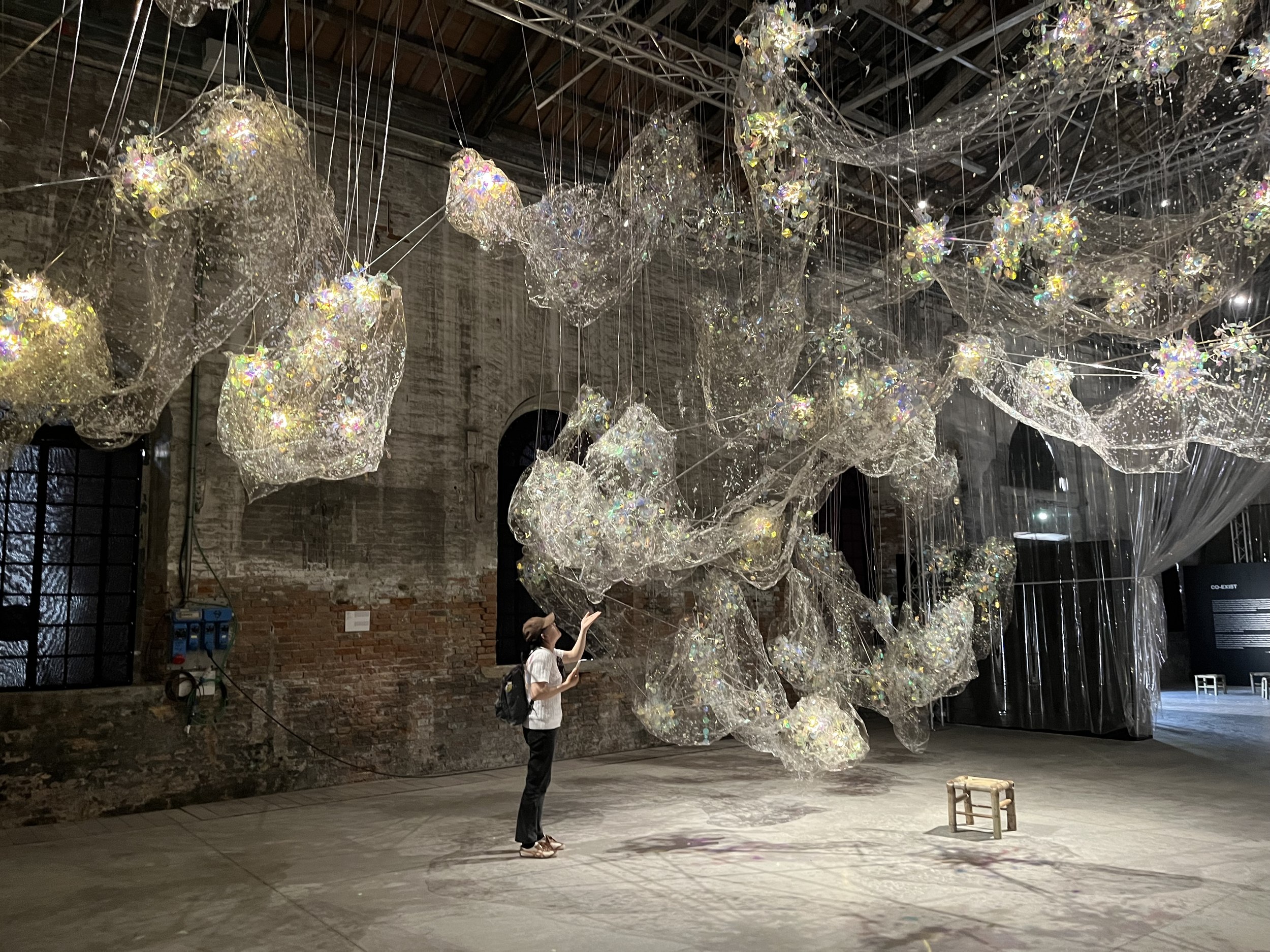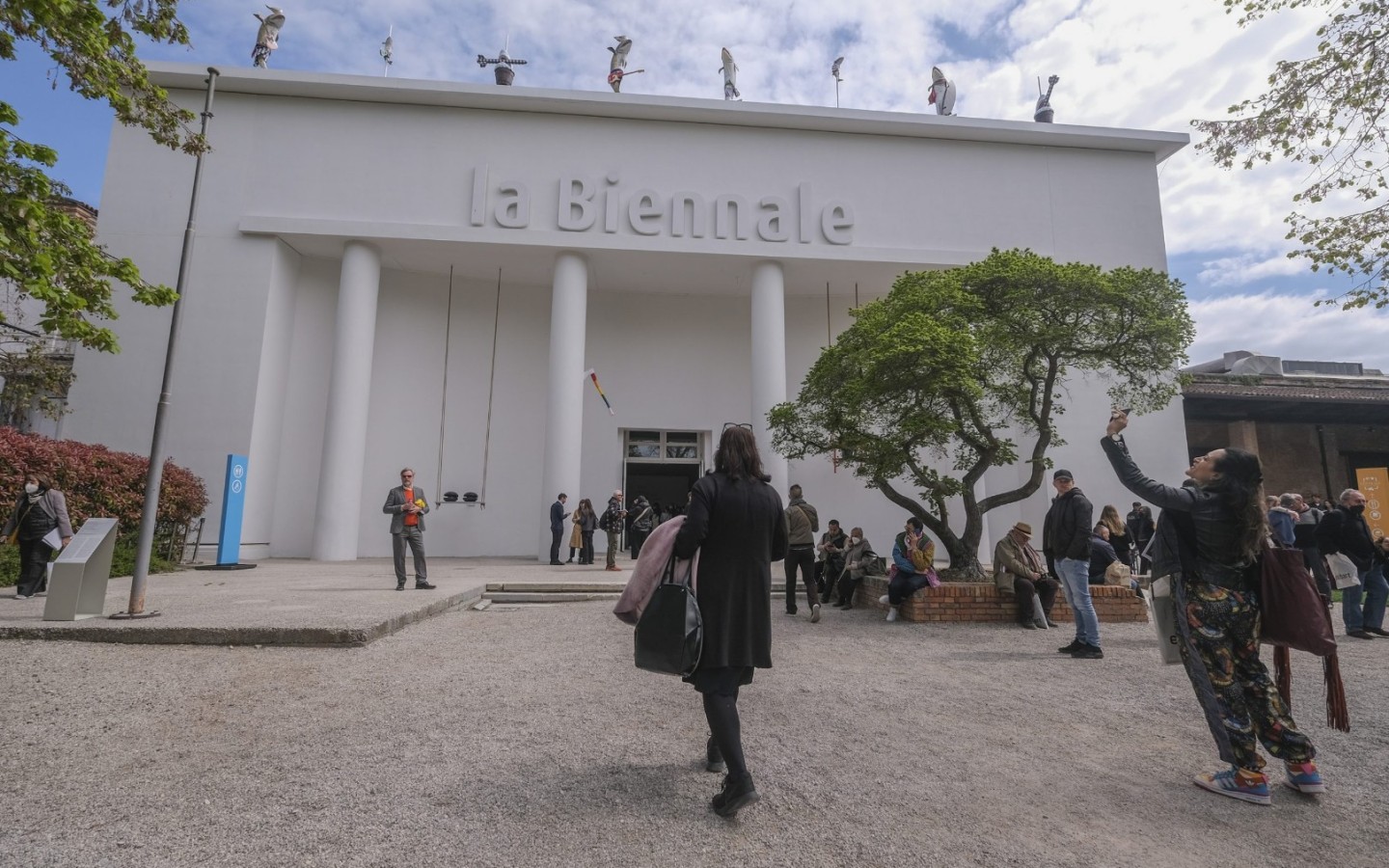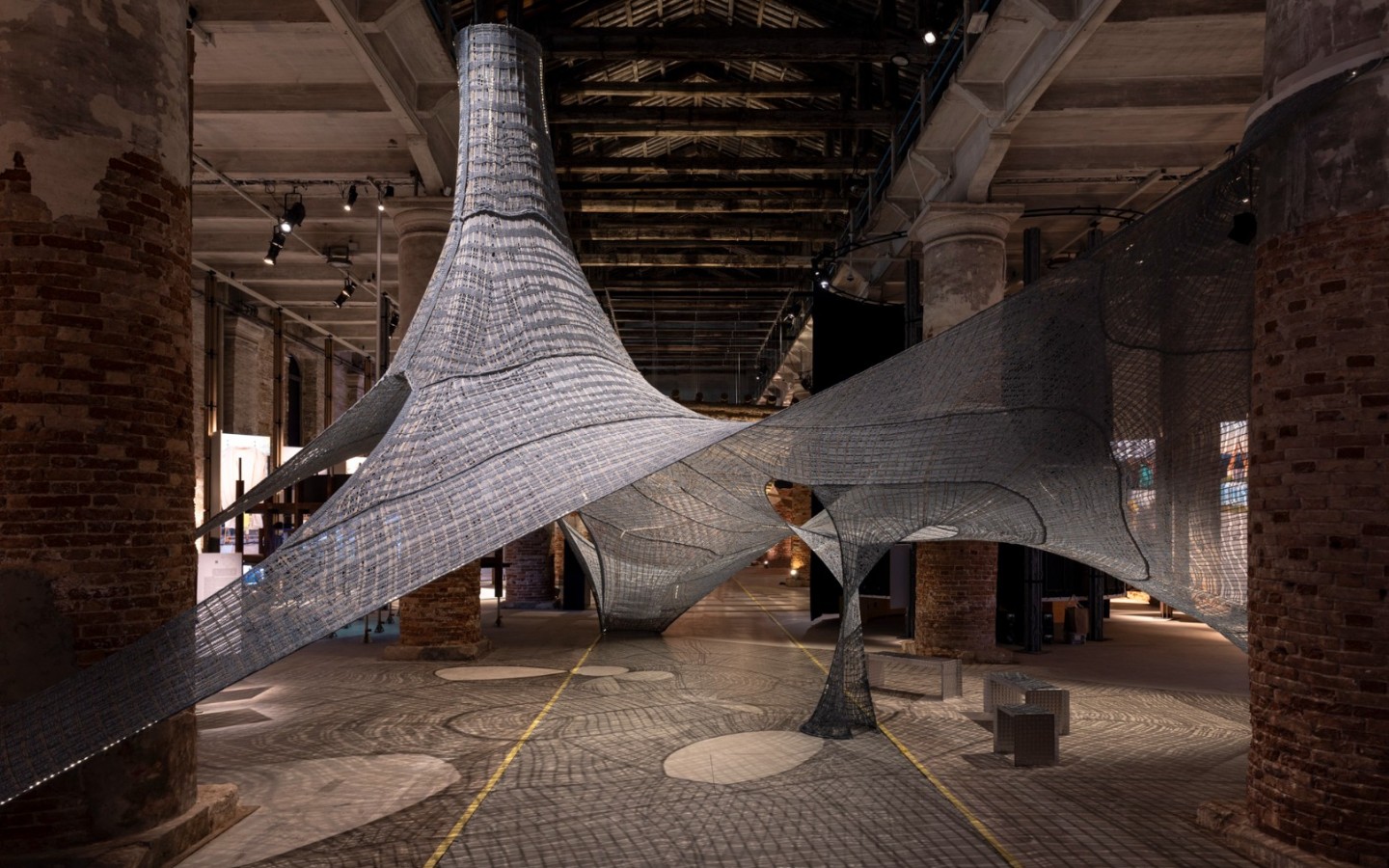

Biennale Arte 2026 returns to Venice as one of the most important events in the global contemporary art calendar. The 61st International Art Exhibition of La Biennale di Venezia takes place from 9 May to 22 November 2026, bringing artists, curators, collectors, critics and cultural travellers to one of the world’s most symbolic cities.

The 2026 edition, titled In Minor Keys, was conceived by Koyo Kouoh, whose curatorial vision places attention on listening, memory, relationships, spiritual depth, collective practices and forms of artistic knowledge that often exist outside dominant cultural narratives.

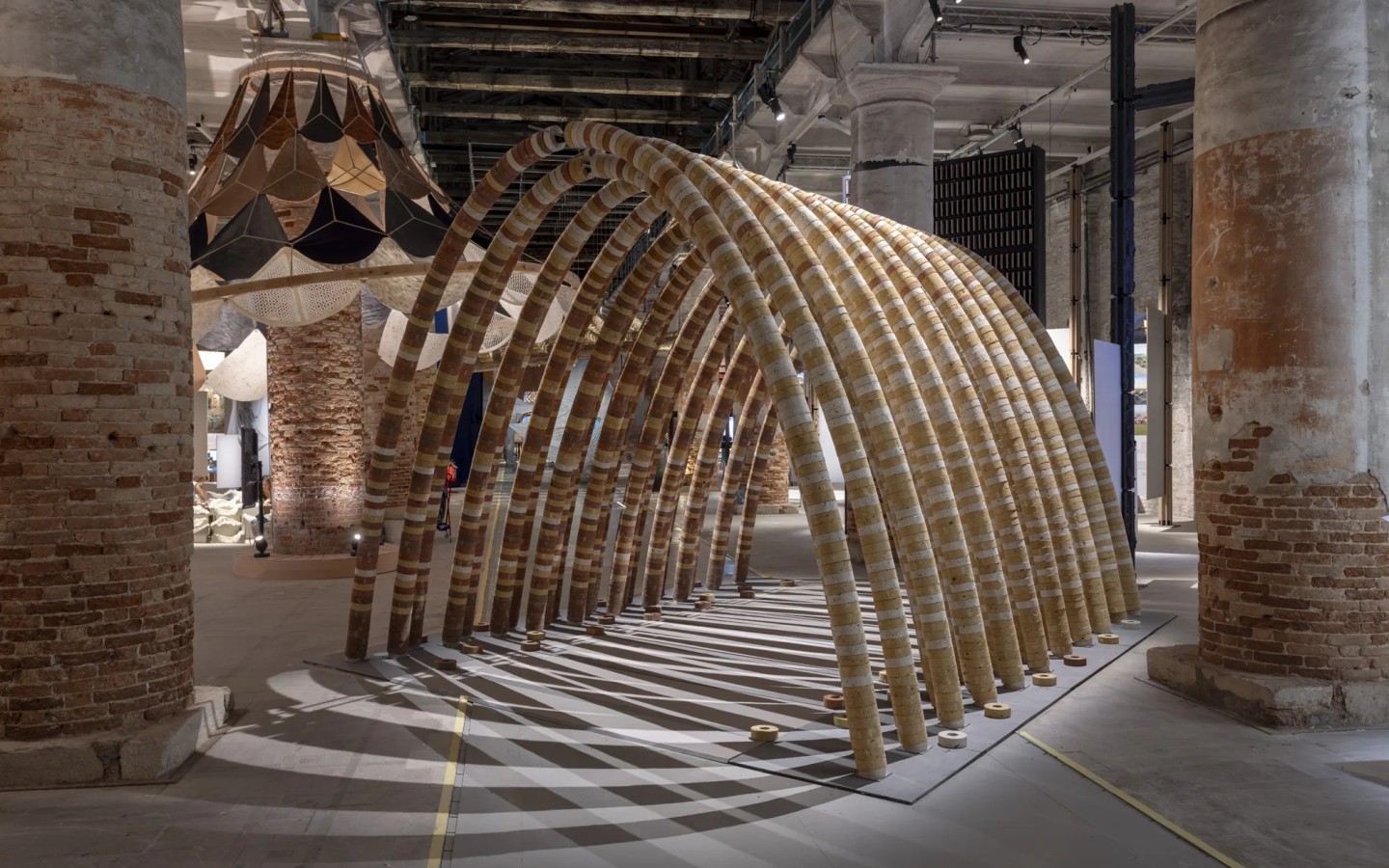
For visitors, Biennale Arte 2026 is not only an exhibition. It is a city-wide encounter with contemporary art, staged across the Giardini, the Arsenale and other locations in Venice.

Biennale Arte 2026

Biennale Arte 2026 presents the 61st International Art Exhibition of La Biennale di Venezia under the title In Minor Keys. The exhibition brings together invited artists, collectives, collaborative practices and artist-led organisations from different geographies, creating a curatorial landscape based on resonance rather than simple national or market categories.

The title suggests a quieter but deeply powerful mode of attention. Instead of focusing only on spectacle, dominance or grand institutional gestures, In Minor Keys explores subtler artistic languages: memory, ritual, rest, transmission, gathering, care, thresholds, schools, archives, bodies and spiritual imagination.

The exhibition was originally developed by Koyo Kouoh, who had already shaped the theoretical framework, selected artists and artworks, defined key curatorial directions and established the exhibition’s intellectual and visual identity before her premature passing in May 2025. La Biennale di Venezia later confirmed that the exhibition would be carried forward with the team selected by Kouoh.

This makes the 2026 edition especially meaningful. It is both a major international exhibition and a continuation of a curatorial vision built on relationships, generosity, knowledge-sharing and the belief that art can still open spaces of transformation.

Biennale Arte 2026 Event Overview

Biennale Arte 2026 – Venice Biennale and the Global Voice of Contemporary Art

La Biennale di Venezia was founded in 1895, making it one of the oldest and most influential international platforms for contemporary art. Over time, it has become a model for biennials around the world and remains one of the key places where the future direction of art is discussed and displayed.

Dates:

9 May 2026 - 22 November 2026

Location:

Venice, Italy

Organizer:

Biennale Arte 2026 is organized by La Biennale di Venezia, one of the world’s leading cultural institutions. The 2026 International Art Exhibition, In Minor Keys, was conceived by Koyo Kouoh and is being realized with the contribution of the team she selected.

Why attend to Biennale Arte 2026?

Biennale Arte 2026 is worth visiting because it offers access to one of the most influential contemporary art exhibitions in the world. For art professionals, it is a place to observe new artistic directions, discover important voices and understand how global curatorial thinking is changing.

For collectors, the Biennale is not a commercial fair, but it often shapes future attention. Artists presented in Venice may gain stronger institutional visibility, critical recognition and long-term cultural importance.

For cultural travellers, this is one of the best reasons to visit Venice.

The city becomes more than a destination of canals, palaces and historic churches. During the Biennale, Venice turns into a living map of contemporary ideas.

The 2026 edition may be especially important for visitors interested in art that is not only visual, but emotional, political, spiritual and communal. In Minor Keys invites the public to experience art as a form of memory, listening and shared humanity.

Ticket Information

General admission costs

Tickets are available through the official La Biennale di Venezia ticketing platform.

Visitors should check ticket types, opening hours, concessions, guided tours and any special access conditions before planning their visit.

Some collateral events, national pavilion presentations or special programmes may have separate access rules, so it is useful to review the official programme closer to the visit date.

Getting There:

Venice can be reached by plane, train, car and boat. The closest airport is Venice Marco Polo Airport, with connections to many European and international destinations. From the airport, visitors can reach the city by water bus, private water taxi or land transport to Piazzale Roma.

Venice Santa Lucia railway station is directly connected to the historic city and is often the most convenient arrival point for visitors travelling from other Italian cities such as Milan, Florence, Rome or Bologna.

The main Biennale venues are located in the Giardini and the Arsenale. Both can be reached by vaporetto, Venice’s public water transport system, or on foot from central areas depending on where you stay.

Accommodation

For first-time visitors, staying near San Marco, Castello or the waterfront areas can be convenient, especially for access to the Giardini and Arsenale.

Castello is one of the best areas for Biennale visitors because it places you closer to the main exhibition venues while still offering a more local atmosphere than the most crowded tourist zones.

San Marco is central and iconic, but it can be expensive and busy. It works well for visitors who want classic Venice, luxury hotels and easy access to major landmarks.

Cannaregio and Dorsoduro are good alternatives for those who prefer a slightly calmer stay with strong cultural character, restaurants, galleries and a more residential feeling.

Budget-conscious visitors may also consider Mestre on the mainland, although staying there means travelling into Venice each day.

Gallery: Biennale Arte 2026

Get Your Free VIP-Access Passes to Affordable Art Fair Hong Kong 2026 — Before It’s Gone

Free tickets are limited and disappear fast.
Get instant access and secure your spot at the fair.

Early access. Limited availability. Global art — for free.

History of Biennale Arte 2026

La Biennale di Venezia is one of the oldest and most influential art institutions in the world. Founded in 1895, it has played a central role in shaping how contemporary art is presented, debated and understood internationally.

The Art Biennale has long been a meeting point for national pavilions, major curatorial exhibitions, experimental practices and global cultural debate. Every edition reflects not only the state of art, but also the political, social and emotional climate of its time.

Biennale Arte 2026 continues this tradition while also asking visitors to slow down. In a world often dominated by speed, noise and spectacle, In Minor Keys appears to move toward listening, intimacy and deeper forms of artistic encounter. Its attention to schools, shrines, procession, rest and collective knowledge gives the exhibition a strong human and poetic dimension.

Venice itself adds another layer. The city is not a neutral background. Its water, architecture, fragility, history and beauty make every Biennale feel like a dialogue between the past and the future.

Tips for Visitors of Biennale Arte 2026

Plan at least two full days for the main exhibition. The Giardini and Arsenale require time, especially if you want to move slowly and not turn the visit into a race.

Book tickets in advance through the official La Biennale di Venezia ticketing platform. Venice can be extremely busy during major cultural events, especially around the opening period and summer months.

Wear comfortable shoes. Visiting the Biennale usually means long walks, standing in exhibition spaces and moving between different parts of the city.

Start early in the day if possible. Morning visits often feel calmer and allow more time for reflection, especially in larger installations or crowded pavilions.

If you are visiting for professional reasons, check the programme carefully. Talks, performances, special projects, national pavilions and collateral events may require separate planning.

Tips from the ArtExpoWorld

Do not treat Biennale Arte 2026 as a normal exhibition. It is too large, too layered and too emotionally complex for a quick visit. Give it time. Let Venice, the artworks and the pauses between them become part of the experience.

The strongest way to visit the Biennale is not to chase every pavilion, but to allow certain works to stay with you. Sometimes one room, one installation or one unexpected encounter can say more than a full day of rushing.

Be the First to Access Official Biennale Arte 2026 Tickets

Don’t miss your chance to attend one of the world’s leading art fairs. Get direct access to the official ticketing page, exclusive updates, and important visitor information.

Early access. Limited availability. Global art at your fingertips.

Editor’s Note

Biennale Arte 2026 feels like an exhibition arriving at a moment when the art world needs something deeper than noise. Its title, In Minor Keys, already suggests a different rhythm: quieter, more attentive, more human. This is not a Biennale built only around visibility. It asks what can still be heard when the loudest voices stop speaking.

For ArtExpoWorld, the importance of this edition lies in its emotional and intellectual gravity. Koyo Kouoh’s curatorial vision gives the exhibition a rare sense of continuity between art, memory, body, place and collective knowledge. It does not reduce contemporary art to trends or spectacle. It opens a space where art becomes a form of listening, gathering and remembering.

Venice has always been a city of reflections: water reflecting architecture, history reflecting power, beauty reflecting fragility. In 2026, the Biennale seems to extend that metaphor into contemporary art itself. Visitors are not simply invited to look at works. They are invited to enter a slower state of attention, where meaning appears through atmosphere, relation and time.

That is why Biennale Arte 2026 may become one of the most discussed cultural events of the year. Not because it promises easy answers, but because it asks better questions. What do we preserve? What do we forget? Who gets heard? And can art still create a shared space for imagination, repair and transformation? For anyone who believes that contemporary art should do more than decorate the present, Venice in 2026 is essential.

Current and Upcoming Exhibitions