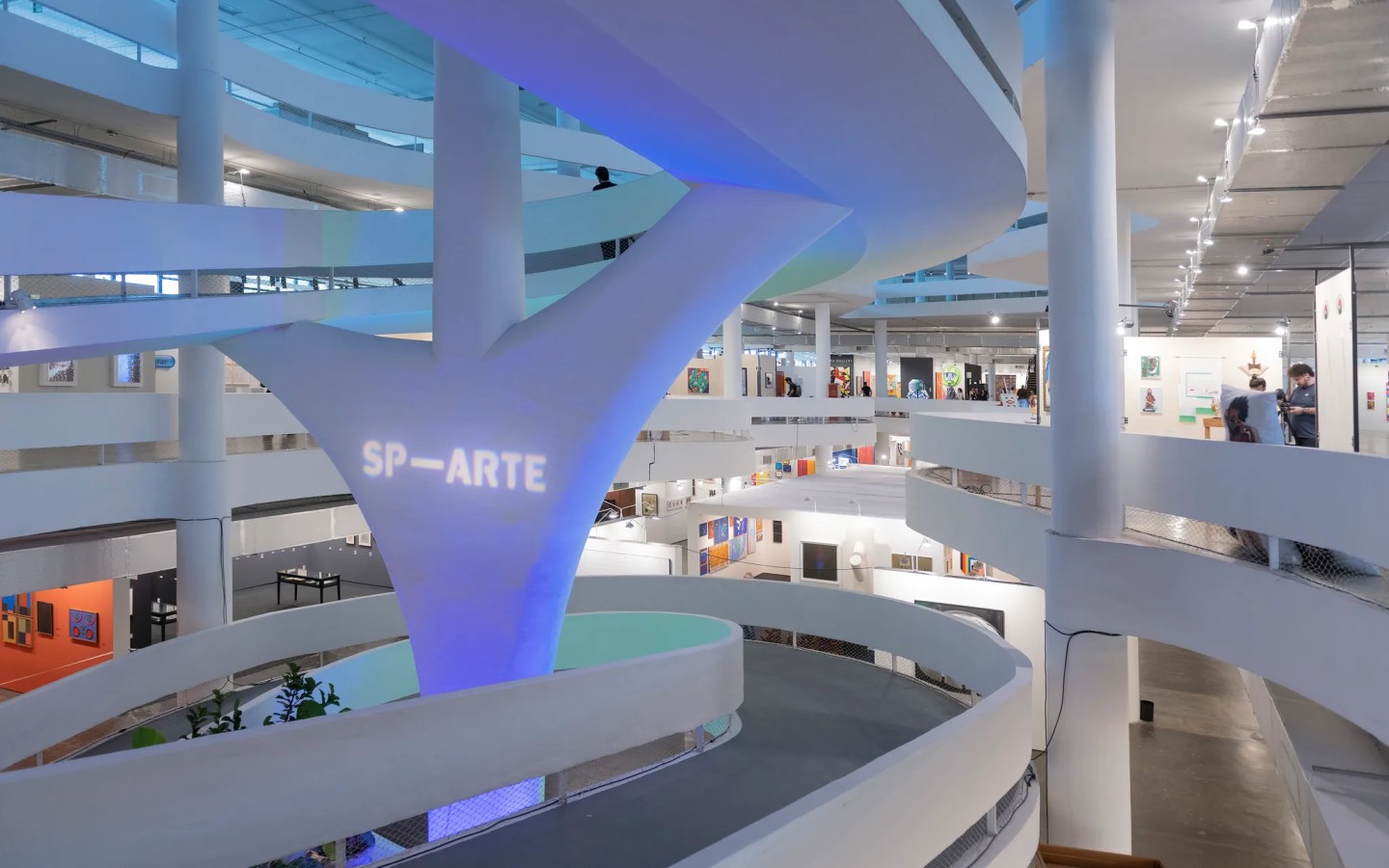
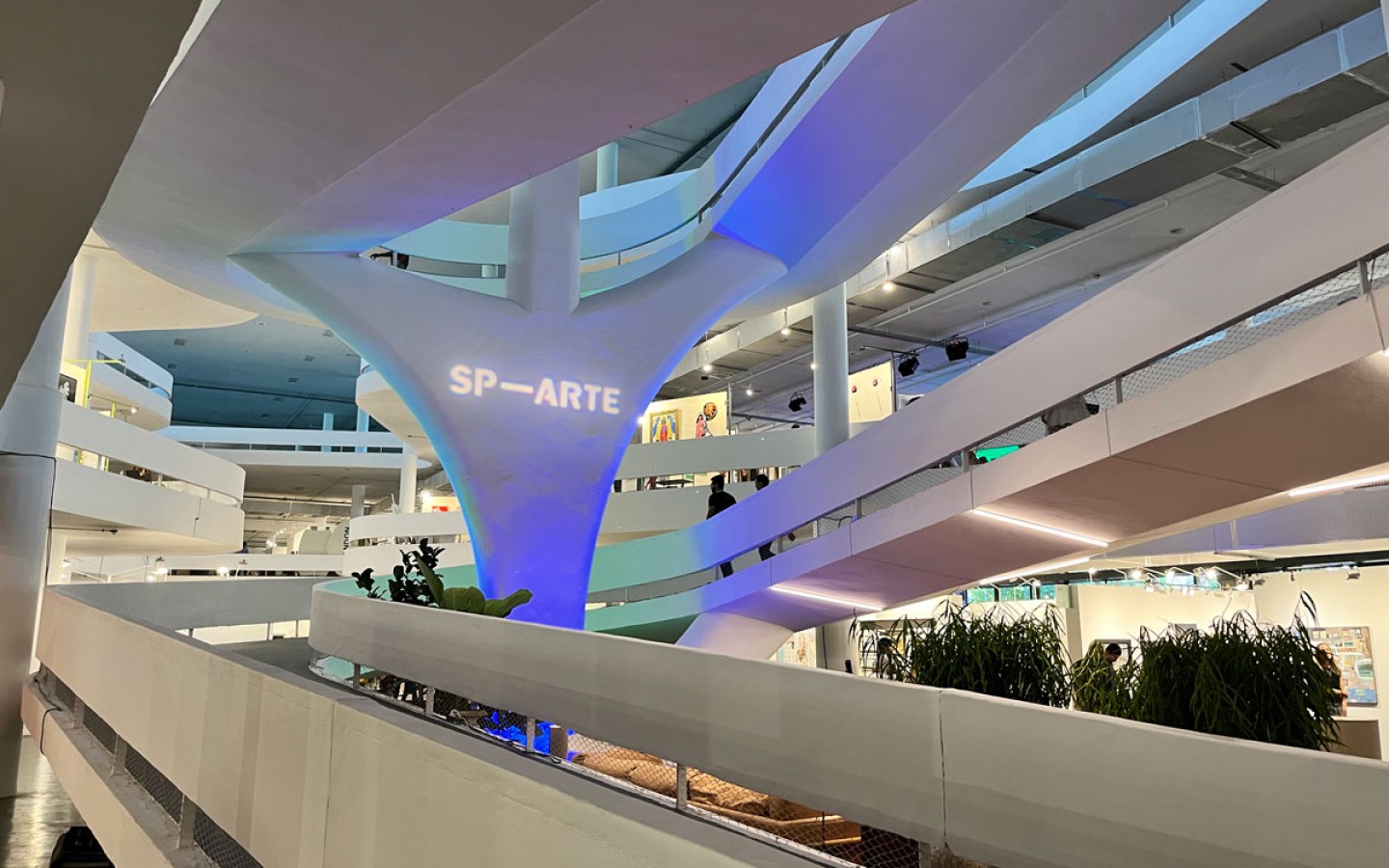
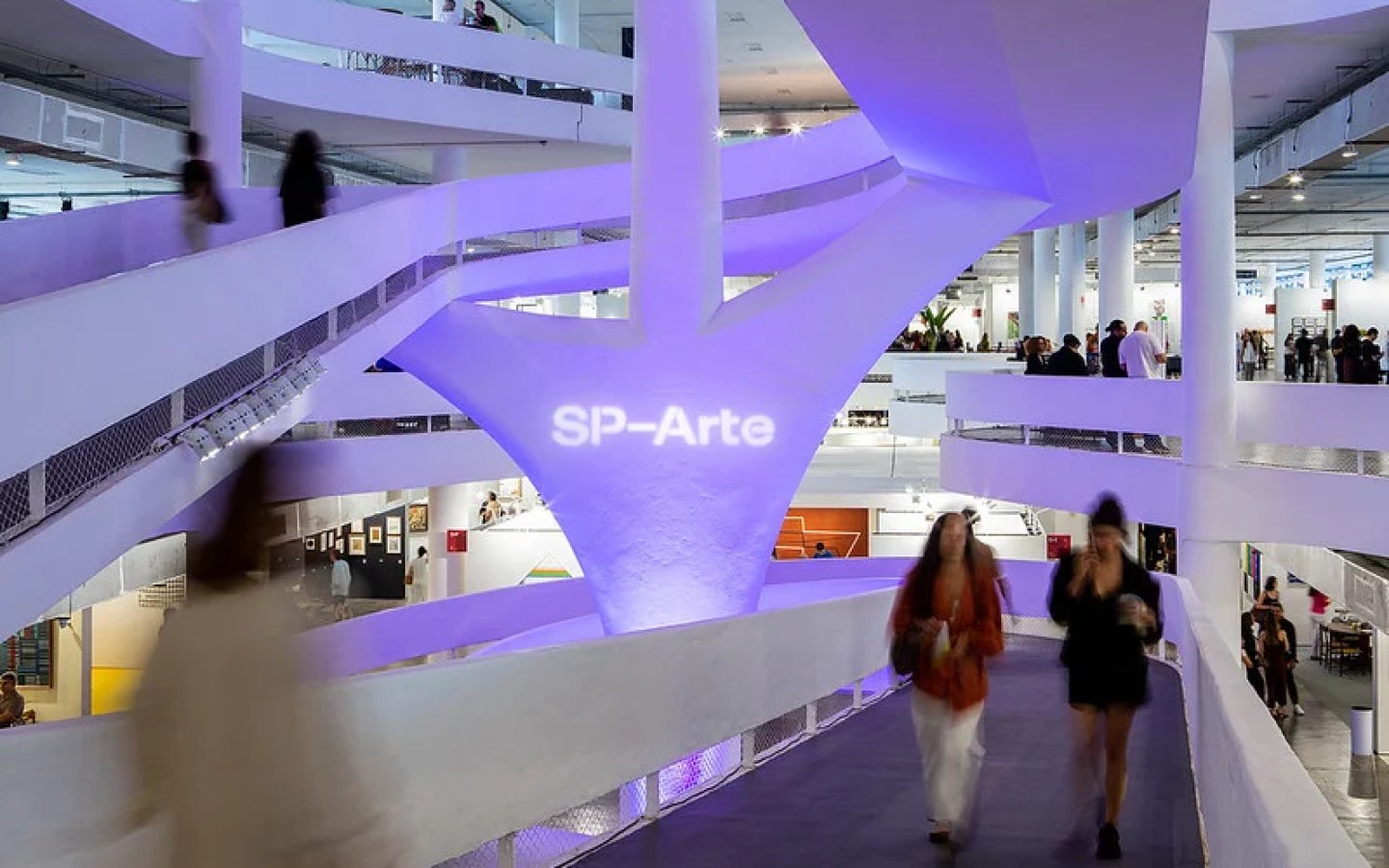
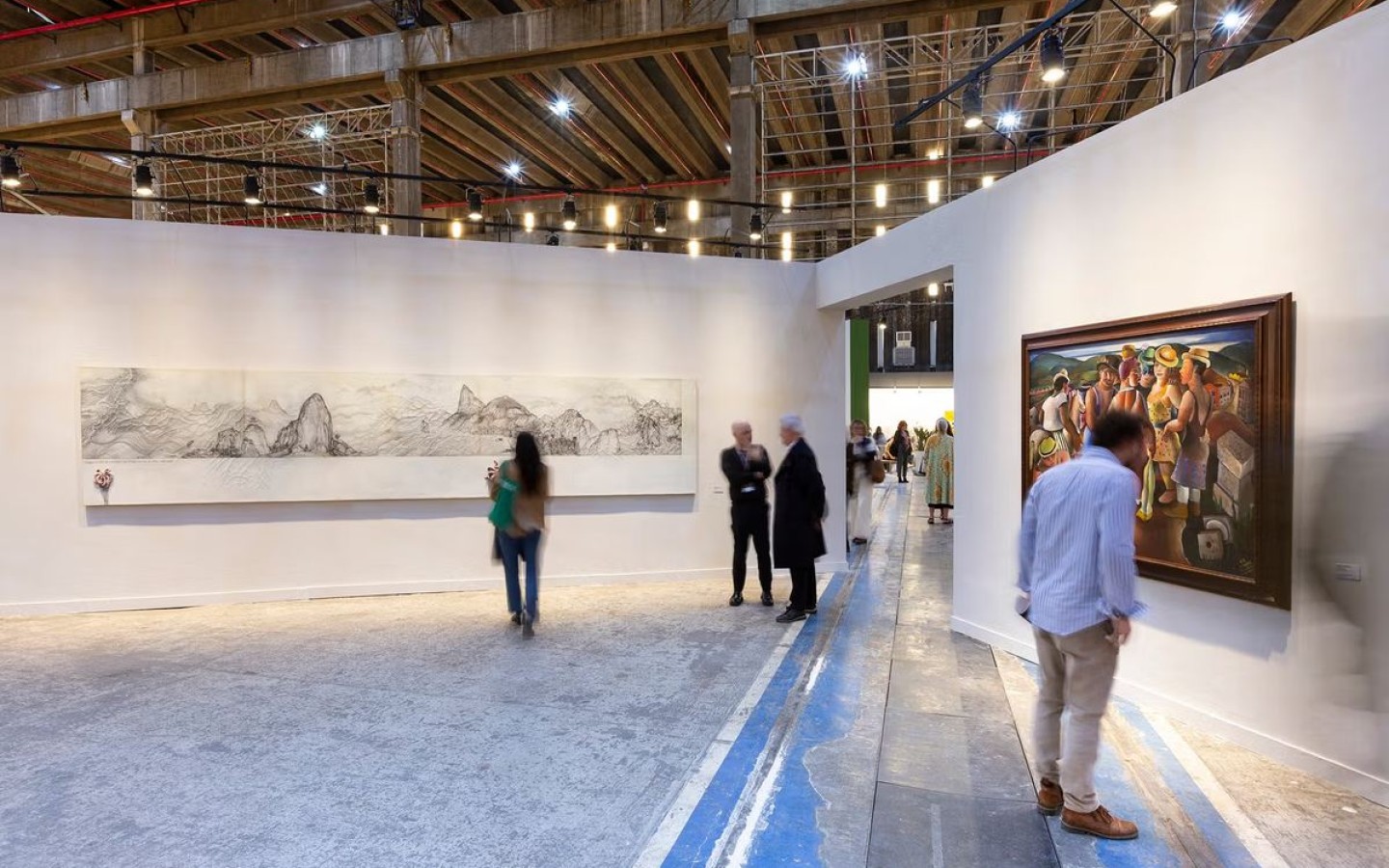
SP-Arte was founded in São Paulo in 2005 and has become one of the most influential art-market platforms in Latin America.
For many years, the organisation also operated SP-Foto, a specialised photography fair. In 2022, that event expanded beyond photography and became SP-Arte Rotas Brasileiras.
The new format responded to the need for a platform capable of presenting the diversity of artistic production across Brazil. It included painting, sculpture, textiles, ceramics, photography, and installation while maintaining an emphasis on carefully selected projects.
The event later adopted the shorter name SP-Arte Rotas, reflecting an increasingly international dialogue with galleries, artists, and cultural initiatives from other parts of Latin America.
The 2026 edition is the fifth Rotas fair. It continues to emphasise Brazilian production while exploring connections with neighbouring countries and wider regional conversations.
São Paulo is a natural setting for this project. The city has the largest commercial art market in Brazil, as well as major museums, private collections, universities, galleries, independent spaces, and artist studios.
At the same time, Rotas challenges the idea that São Paulo alone defines Brazilian art. Its curatorial model brings different territories, identities, and artistic histories into the city without reducing them to a single national style.
The 2026 Artistic Direction
Bernardo Mosqueira assumes the artistic direction of SP-Arte Rotas in 2026, succeeding Rodrigo Moura, who led the project for two consecutive years.
Mosqueira is a Brazilian curator, writer, and researcher whose work has frequently explored social relationships, identity, experimentation, and alternative forms of institutional practice.
His appointment suggests that the 2026 edition will continue to treat the fair as a site of research and cultural conversation rather than only a commercial event.
The artistic director works with participating galleries and organisations as they develop their projects. This collaborative approach helps create presentations with a stronger conceptual focus and clearer relationships between the selected artworks.
Mosqueira will also guide the curatorial direction of Mirante, the fair’s central platform for large-scale and interconnected artistic proposals.
The full curatorial programme and participating artists will be revealed through the official fair announcements.
For another São Paulo encounter within the same organisation, SP-Arte 2027 takes place at the Bienal Pavilion in April. It is the main April fair, a different event from Rotas, with its own venue and admission conditions. The new guide explains the announced dates and art-and-design context.