

Full Throttle runs at the National Gallery of Australia in Canberra from 5 December 2026 to 11 April 2027.

The major exhibition uses one of the most recognizable objects of modern life, the automobile, as a way of examining power, identity, gender, consumption, freedom, and Australian cultural mythology.

Inspired partly by the visual legacy of Mad Max, Full Throttle does not celebrate car culture uncritically.

Instead, it asks why cars have become such powerful symbols of independence, masculinity, status, danger, suburban life, and national identity.

The exhibition includes sculpture, painting, photography, textiles, installation, works on paper, and video.

Artists include Sarah Lucas, Trent Parke, Margaret Dodd, Tjanpi Desert Weavers, eX de Medici, Judy Chicago, Kaylene Whiskey, Ichwan Noor, and Tracey Moffatt.

For ArtExpoWorld readers, Full Throttle offers an unusually accessible theme combined with serious contemporary-art questions.
Full Throttle brings together significant new acquisitions, works from the National Gallery collection and major loans from public and private collections in Australia and overseas.

The automobile appears in many different forms.

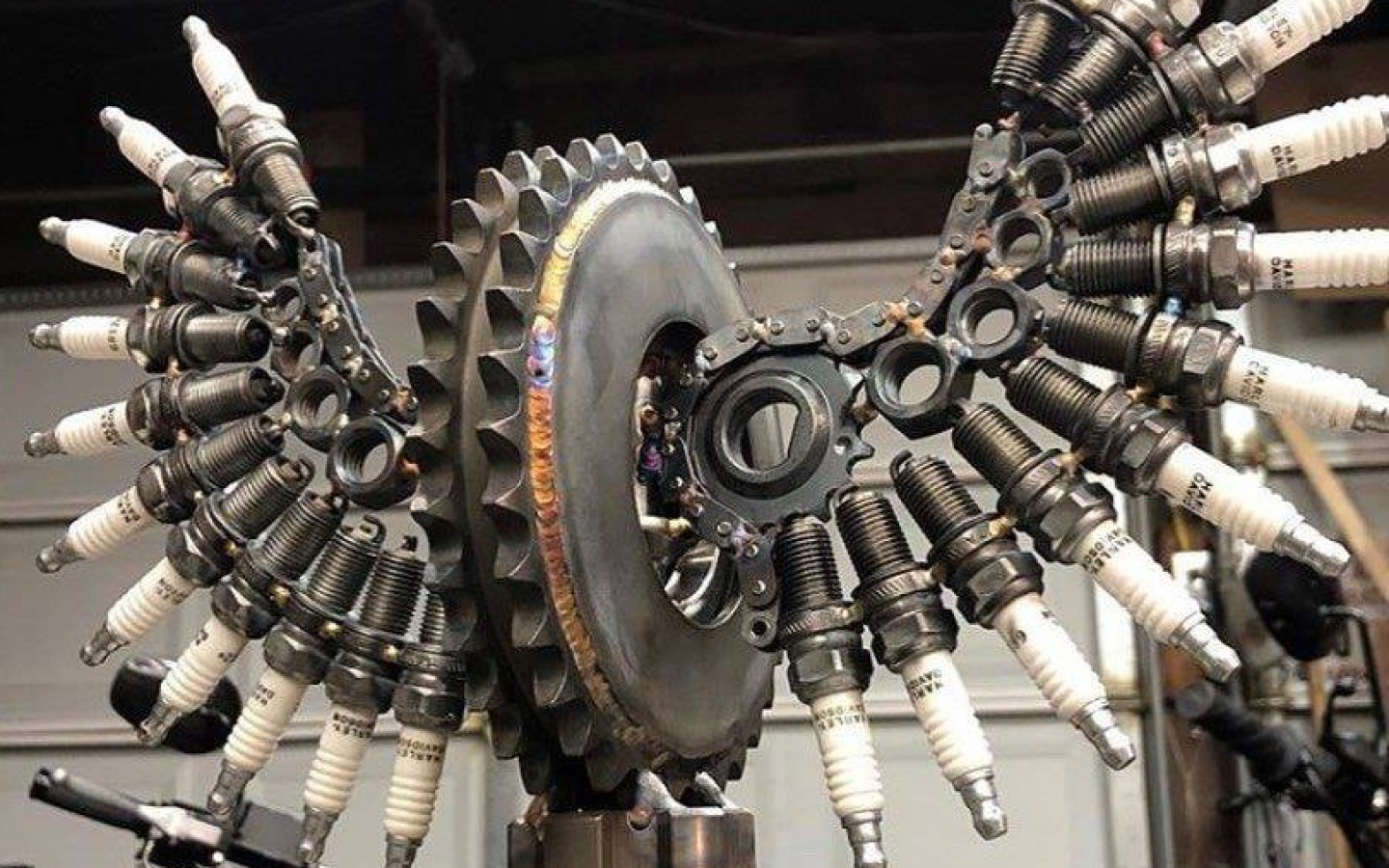
British artist Sarah Lucas presents a dismembered Jaguar covered with cigarettes.

Australian photographer Trent Parke contributes images from his raw and energetic Bathurst series.

Margaret Dodd transforms the Holden into ceramic forms that examine Australian suburban culture.

Tjanpi Desert Weavers reinterpret the Toyota through an enormous woven sculpture.

Other works explore the car through painting, video, photography, textiles and installation.

The exhibition considers the vehicle as both object and metaphor.

A car can represent mobility and freedom, but also pollution and destruction.

It can connect remote communities while reinforcing suburban isolation.

It can signal wealth, gender identity or aspiration.

Full Throttle deliberately allows these contradictions to remain visible.

The result is an exhibition about cars that is ultimately about people and the society that created them.

Full Throttle 2026/2027 Event Overview

Full Throttle 2026/2027 – Cars, Art and Australian Identity in Canberra

Full Throttle includes a giant woven Toyota by Tjanpi Desert Weavers alongside ceramic Holdens, photography from Bathurst, and Sarah Lucas’s cigarette-covered Jaguar. Few exhibitions place such radically different interpretations of the automobile in the same room.

Dates:

5 December 2026 - 11 April 2027

Location:

National Gallery of Australia, Parkes, Canberra, ACT, Australia

Mission:

The mission of Full Throttle is to use the automobile as a cultural lens through which contemporary life can be examined. Cars are so familiar that their symbolic power is often overlooked. The exhibition asks visitors to reconsider what vehicles communicate about identity, status, gender and national mythology. It also examines the role of consumption. Automobiles are among the most expensive mass-produced objects many people will ever own. Advertising, motorsport, cinema and popular culture have transformed them into emotional objects as much as practical machines. Full Throttle also challenges romantic ideas about mobility. The freedom of the open road exists beside environmental damage, road trauma, economic inequality and dependence on infrastructure. Artists use humour, critique, exaggeration and transformation to expose these tensions. The exhibition does not demand that visitors love or reject cars. It asks them to recognise how deeply the automobile has shaped modern imagination.

Organizer:

Full Throttle is organised by the National Gallery of Australia. The exhibition is curated by National Gallery Director Nick Mitzevich and Associate Curator of Asian and Pacific Art Beatrice Thompson. It combines significant new acquisitions with highlights from the national collection and major loans. The exhibition is accompanied by a dedicated publication examining the automobile through art, culture and contemporary life. Contributors explore themes including power, identity, consumption and connection. The publication also includes a conversation with Mad Max director George Miller, reinforcing the exhibition’s relationship with Australian cinema and car mythology.

Why attend to Full Throttle 2026/2027?

Full Throttle is worth visiting because its subject is immediately familiar while its artistic perspectives are often unexpected.

For visitors who rarely attend contemporary-art exhibitions, cars provide an accessible point of entry.

For collectors and art professionals, the exhibition brings together significant artists across multiple generations and media.

For photography enthusiasts, Trent Parke and Tracey Moffatt provide important perspectives on Australian visual culture.

For sculpture audiences, works by Sarah Lucas, Tjanpi Desert Weavers and other artists transform familiar vehicle forms into strange new objects.

For film enthusiasts, the exhibition’s relationship with Mad Max connects visual art with one of Australia’s most influential cinematic exports.

For cultural travellers, Full Throttle can form part of a broader Canberra itinerary including the National Gallery, National Portrait Gallery and other national institutions.

Ticket Information

General admission costs

The National Gallery has identified Full Throttle as a major exhibition.

Final visitor ticket conditions and prices should be checked through the National Gallery before travelling.

The gallery itself is open daily from 10:00 to 17:00 except Christmas Day.

Many parts of the National Gallery collection remain free to visit even when major temporary exhibitions require paid admission.

Members and special visitor categories may receive different access conditions.

Advance booking is recommended once ticketing opens, particularly during summer holidays and weekends.

Getting There:

The National Gallery of Australia is located at Parkes Place East in Canberra’s Parliamentary Triangle.

Visitors can reach the gallery by bus, taxi, rideshare, bicycle, or private car.

Parking is available around the national institutions, although demand can increase during weekends and major exhibitions.

Canberra Airport is the closest airport.

The journey to the National Gallery generally takes around 15 minutes by road depending on traffic.

Visitors arriving from Sydney can travel by air, coach, train, or car.

Driving from Sydney normally takes approximately three hours.

The National Gallery is located close to the National Portrait Gallery, High Court of Australia, and Lake Burley Griffin, making it easy to combine several cultural institutions in one day.

Accommodation

Canberra city centre offers the largest selection of hotels, restaurants, and transport connections.

Barton is particularly convenient for visitors focused on the Parliamentary Triangle and national cultural institutions.

Kingston offers restaurants, apartments, and easy access to the lake.

Manuka provides boutique accommodation, cafés, and a quieter neighbourhood atmosphere.

NewActon can appeal to visitors interested in contemporary architecture, design, and dining.

Visitors planning several museum days should prioritise location rather than staying far outside central Canberra to save a small amount on accommodation.

Don't Miss an Exhibition

Follow us on X to get the latest art events from around the world first

Follow

Gallery: Full Throttle 2026/2027

Secure Your Spot at Full Throttle 2026/2027 — Before It's Too Late

Tickets are limited and sell out fast.
Get instant access to the Full Throttle 2026/2027 registration page and be the first to know about exclusive events, VIP passes, and travel perks.

Early access. Limited availability. Global art at your fingertips.

History & Context of a Full Throttle 2026/2027

The automobile has played an unusually strong role in Australian culture.

Australia’s geography, suburban development, and vast distances helped make private vehicles central to everyday mobility.

Locally manufactured brands such as Holden became linked to national identity.

Motorsport created another cultural mythology through events including Bathurst.

At the same time, Australian cinema transformed the car into an internationally recognizable symbol.

The Mad Max films turned modified vehicles, highways, and post-apocalyptic landscapes into some of the most influential images produced by Australian popular culture.

Full Throttle uses this history as a starting point rather than simply celebrating nostalgia.

Contemporary artists examine who was included in these myths and who was excluded.

First Nations artists, women, and artists working outside conventional automotive culture provide alternative ways of thinking about movement, landscape, and power.

The exhibition therefore connects popular culture with deeper questions about Australian history and identity.

Tips for Visitors of Full Throttle 2026/2027

Allow at least 90 minutes for the exhibition.

Do not focus only on whether you personally like cars.

The strongest works use the automobile to discuss subjects far beyond transport.

Read the labels carefully when encountering modified or reconstructed vehicles.

Materials and original context can radically change the meaning.

Look for contrasts between works that celebrate speed and those that emphasize destruction, waste, or vulnerability.

If available, attend a curator talk or guided tour.

The exhibition connects art, cinema, industrial history, and social identity, so interpretation can reveal relationships that are easy to miss.

Allow additional time for the National Gallery’s permanent collection and Sculpture Garden.

Tips from the ArtExpoWorld

Do not enter Full Throttle expecting a museum version of a car show.

The vehicles are not the real subject.

Look at what each artist uses the car to say about people.

Power, gender, class, freedom, and destruction are the exhibition’s actual engines.

Be the First to Access Official "Full Throttle 2026/2027" Tickets

Don’t miss your chance to attend one of the world’s leading art fairs. Get direct access to the official ticketing page, exclusive updates, and important visitor information.

Early access. Limited availability. Global art at your fingertips.

Editor’s Note

Full Throttle 2026/2027 matters because the best exhibitions can take an object everyone thinks they understand and make it unfamiliar again.

For ArtExpoWorld, the car is a perfect subject for this approach.

It can be beautiful and destructive, liberating and restrictive, personal and political at the same time.

The National Gallery’s decision to bring together contemporary art, Australian car mythology, and the influence of Mad Max gives the exhibition broad public appeal without sacrificing critical depth.

Full Throttle ultimately succeeds when visitors leave thinking less about machines and more about what those machines reveal about us.

Current and Upcoming Art Expos