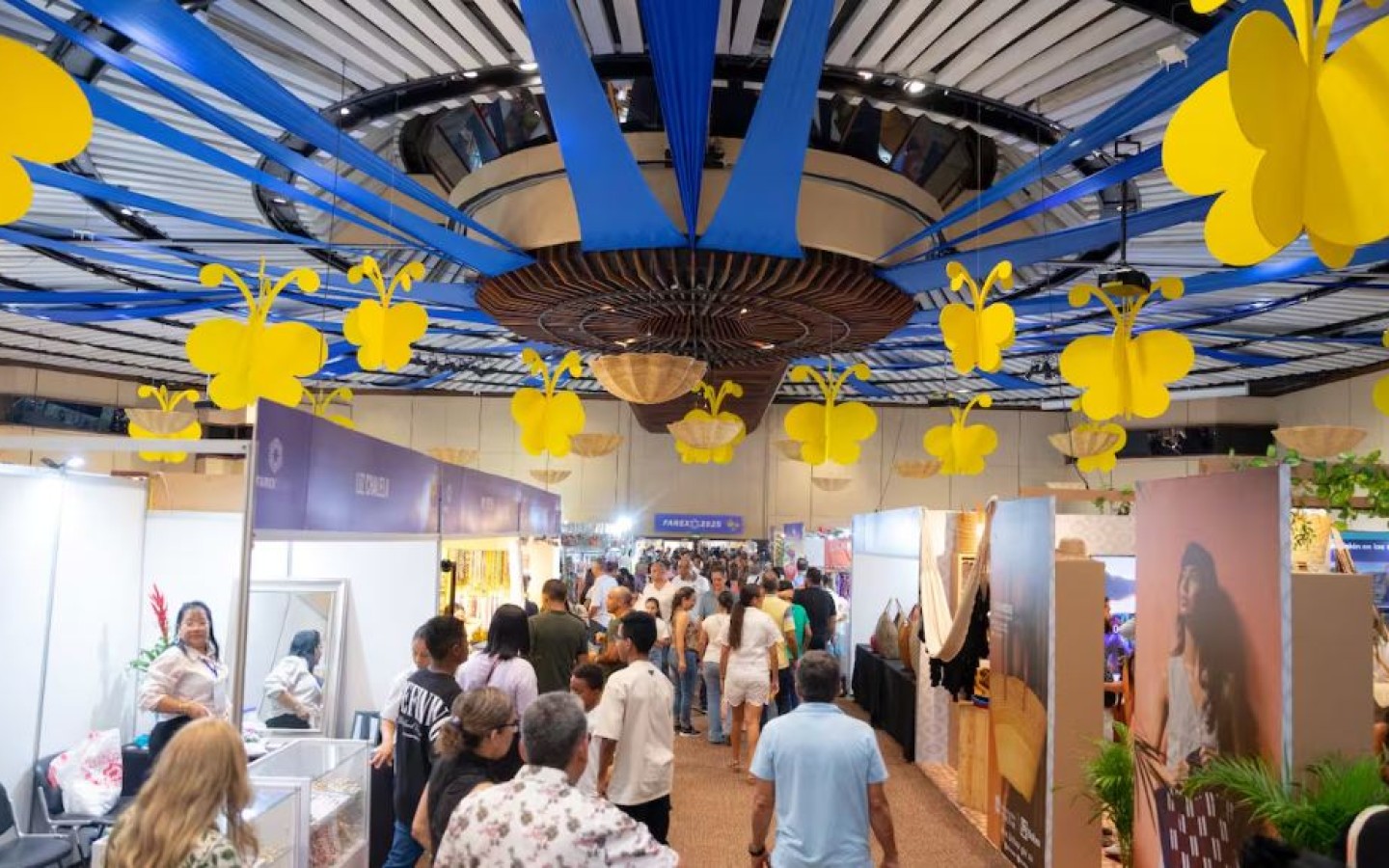
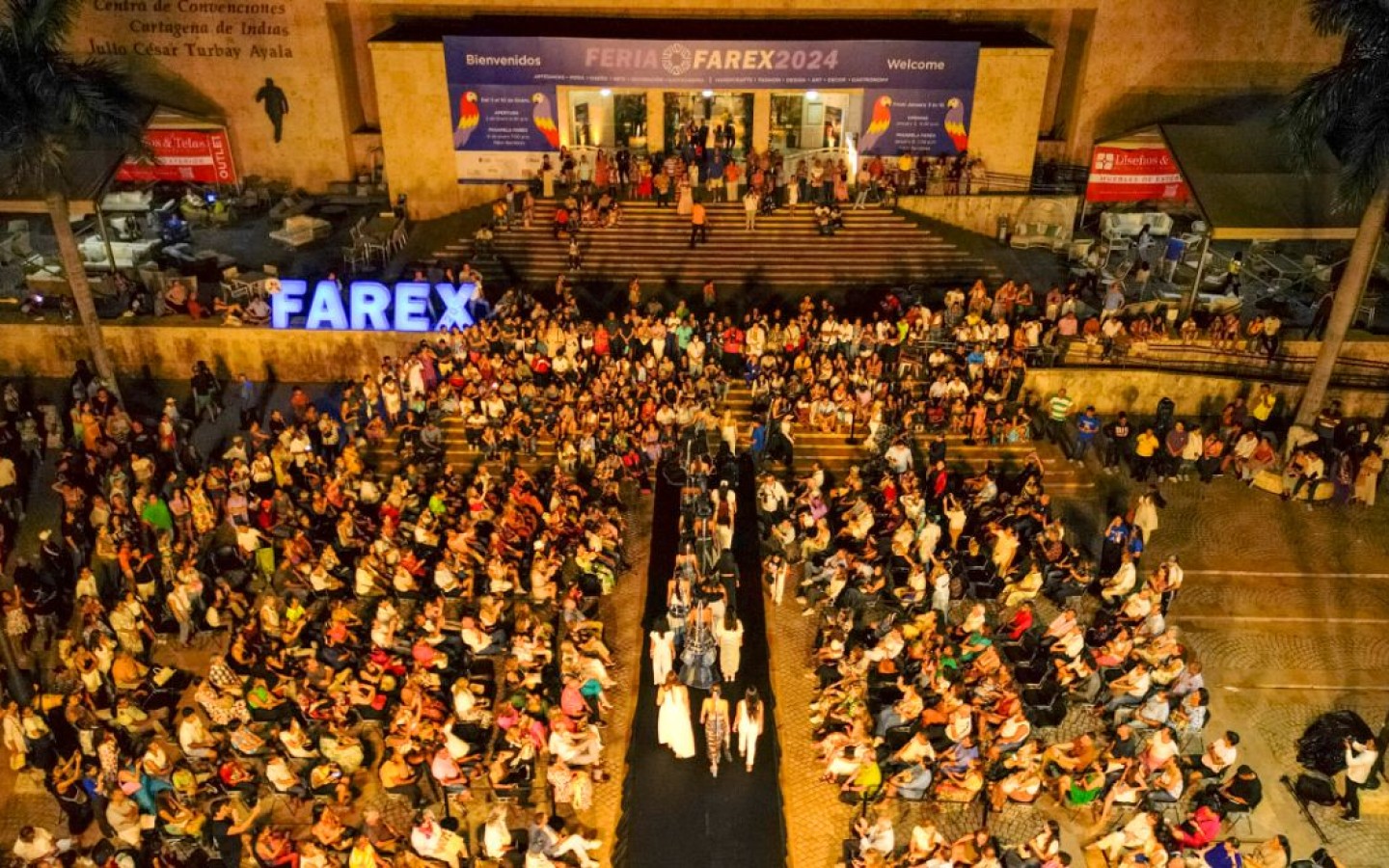
The organiser describes 27 years of FAREX activity. Its current identity places commercial opportunity alongside the preservation and development of manual skills. This longer history helps explain why the event includes products with very different relationships to use, decoration, and authorship. It should not be read as a single curated exhibition in which every participant responds to the same theme.
For a gallery-focused comparison later in January, ESTE ARTE 2027 opens publicly in José Ignacio on 6–8 January. The dates overlap, but Uruguay and Colombia are separate travel choices. One brings a gallery selection into focus; the other invites attention to a broader ecology of makers and objects.
What has changed for 2027
The new call establishes a January edition and a fresh selection process. Its visual identity draws on Cartagena’s Clock Tower and the dome of San Pedro Claver. The accepted exhibitor roster and detailed programme remain the important missing pieces. Neither the application target nor publicity about expected attendance should be presented as an achieved result.
Interesting Fact
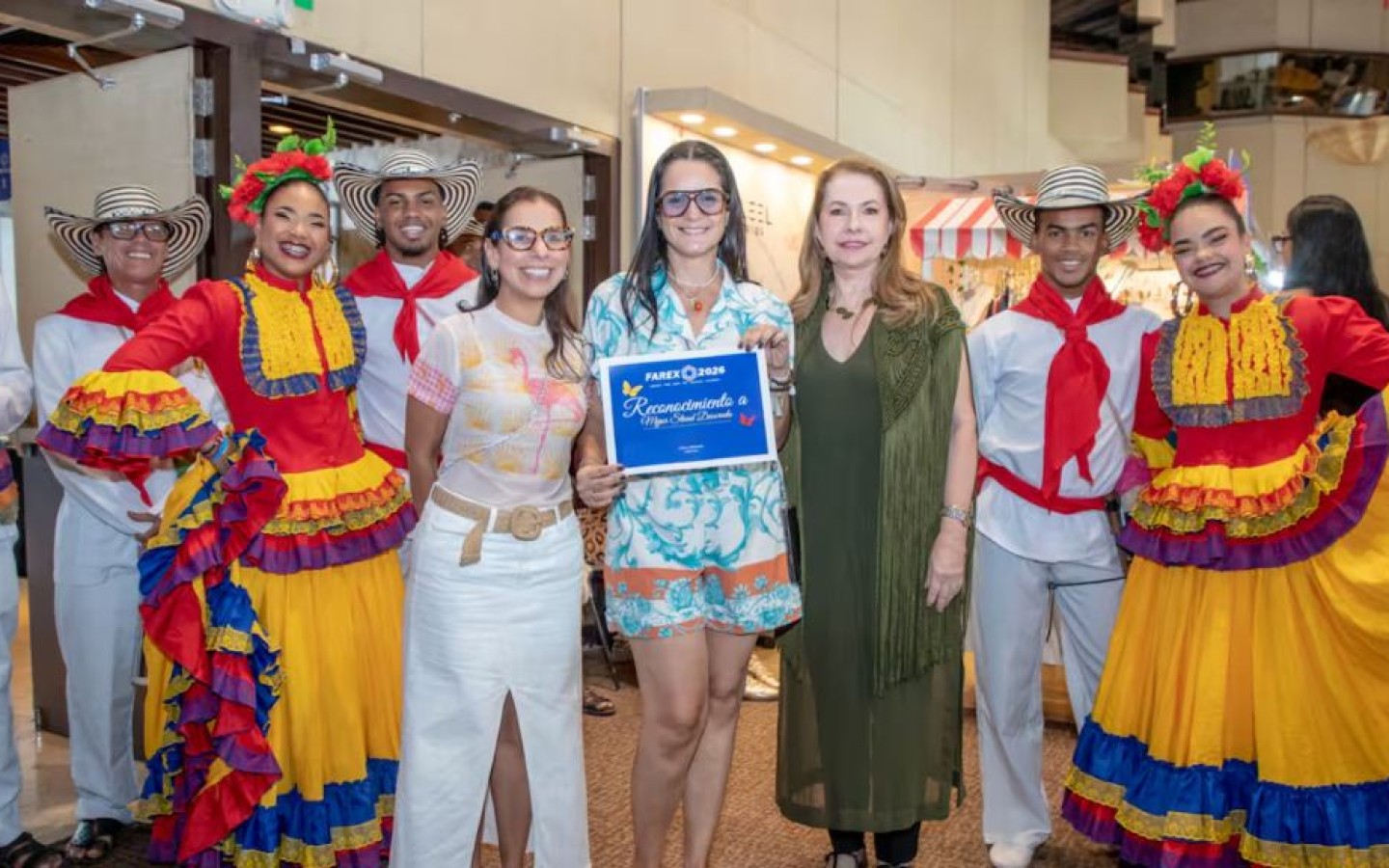
FAREX’s relationship with makers extends beyond the exhibition hall. In the foundation’s Navegando hacia el Futuro programme, artisans and manual artists affiliated with Fundación Puerto de Cartagena received support and participated in the fair’s 23rd edition. This makes the fair’s educational role concrete: training and the opportunity to sell were connected within one initiative, rather than described as unrelated ambitions.