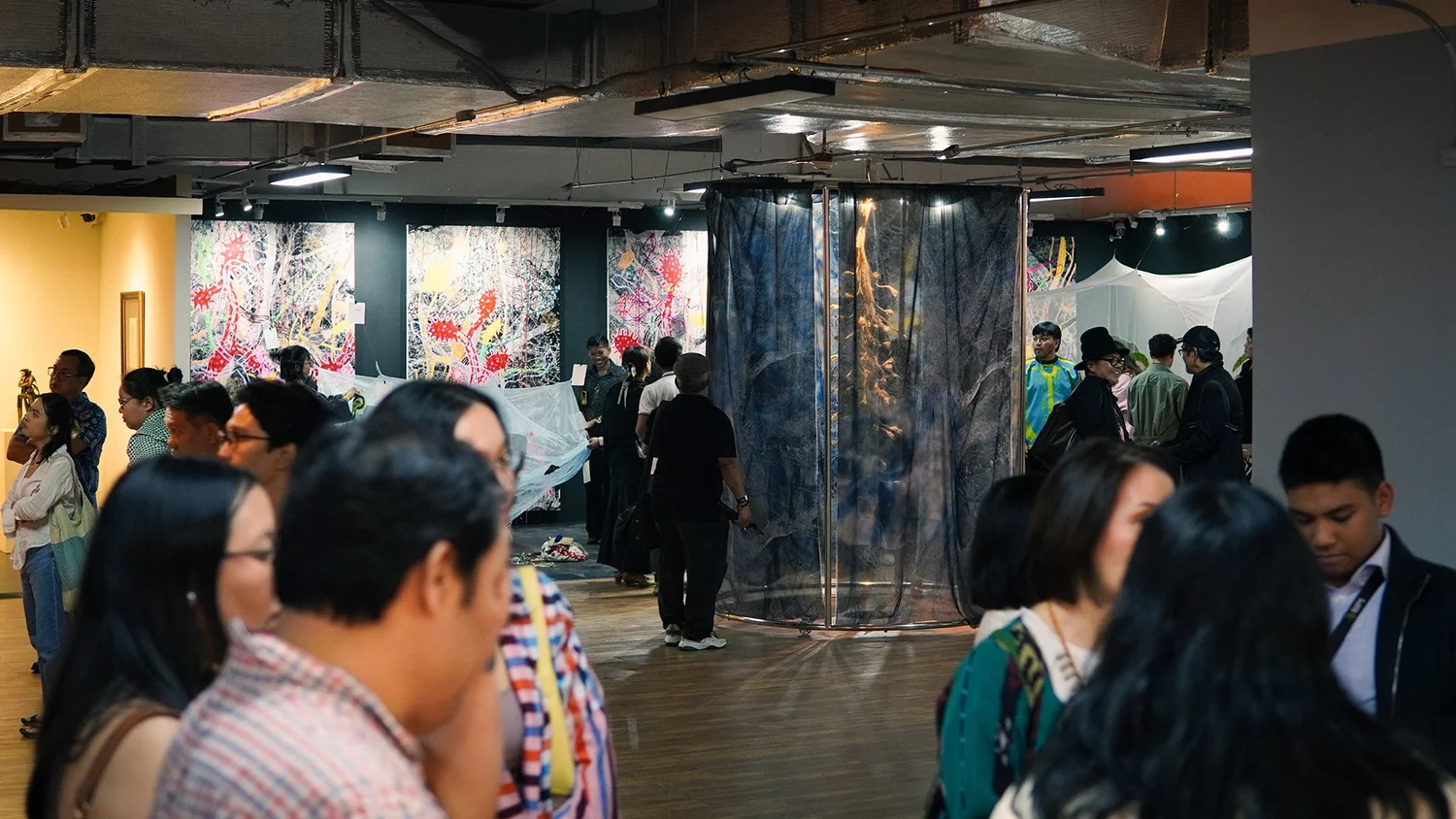
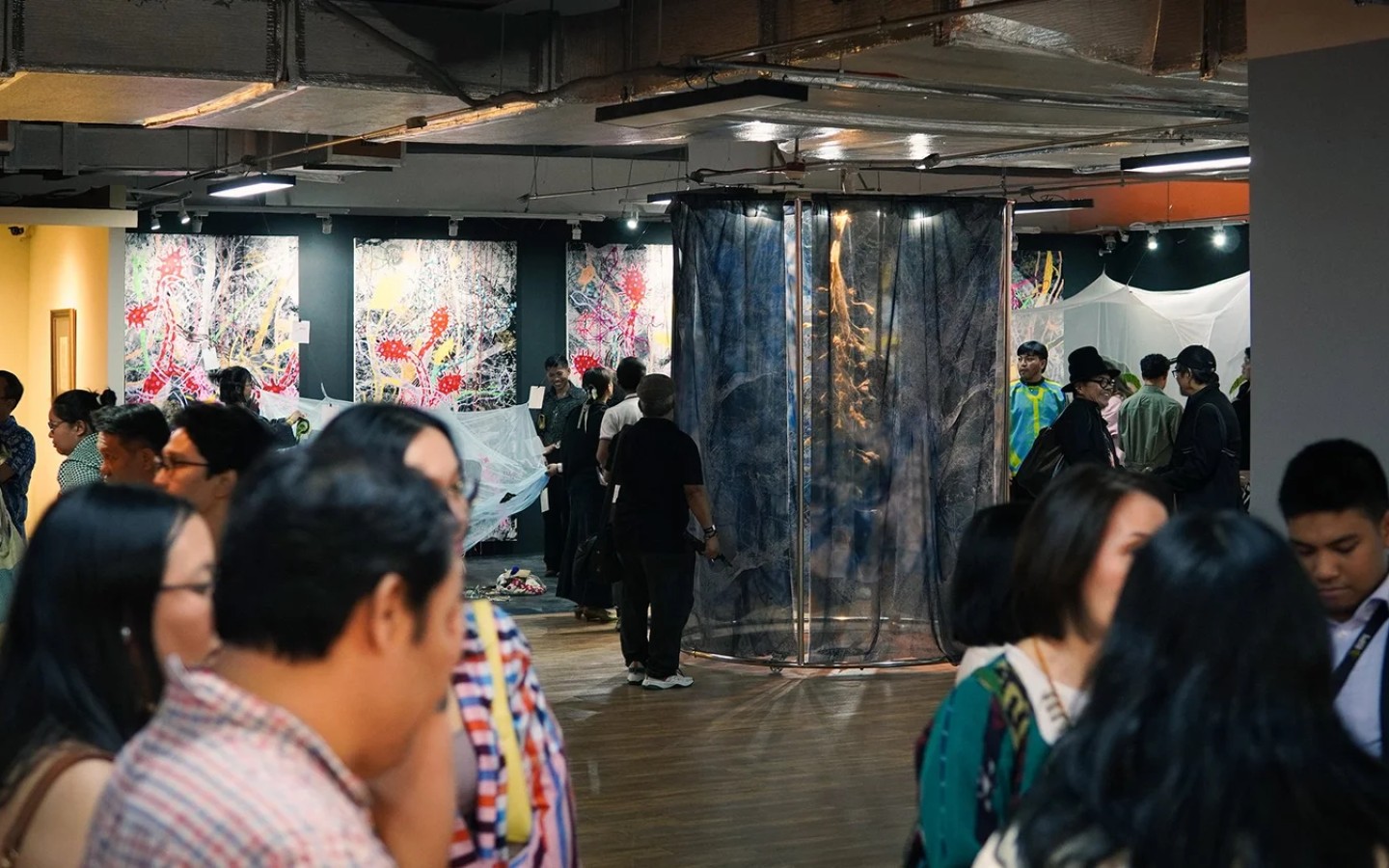
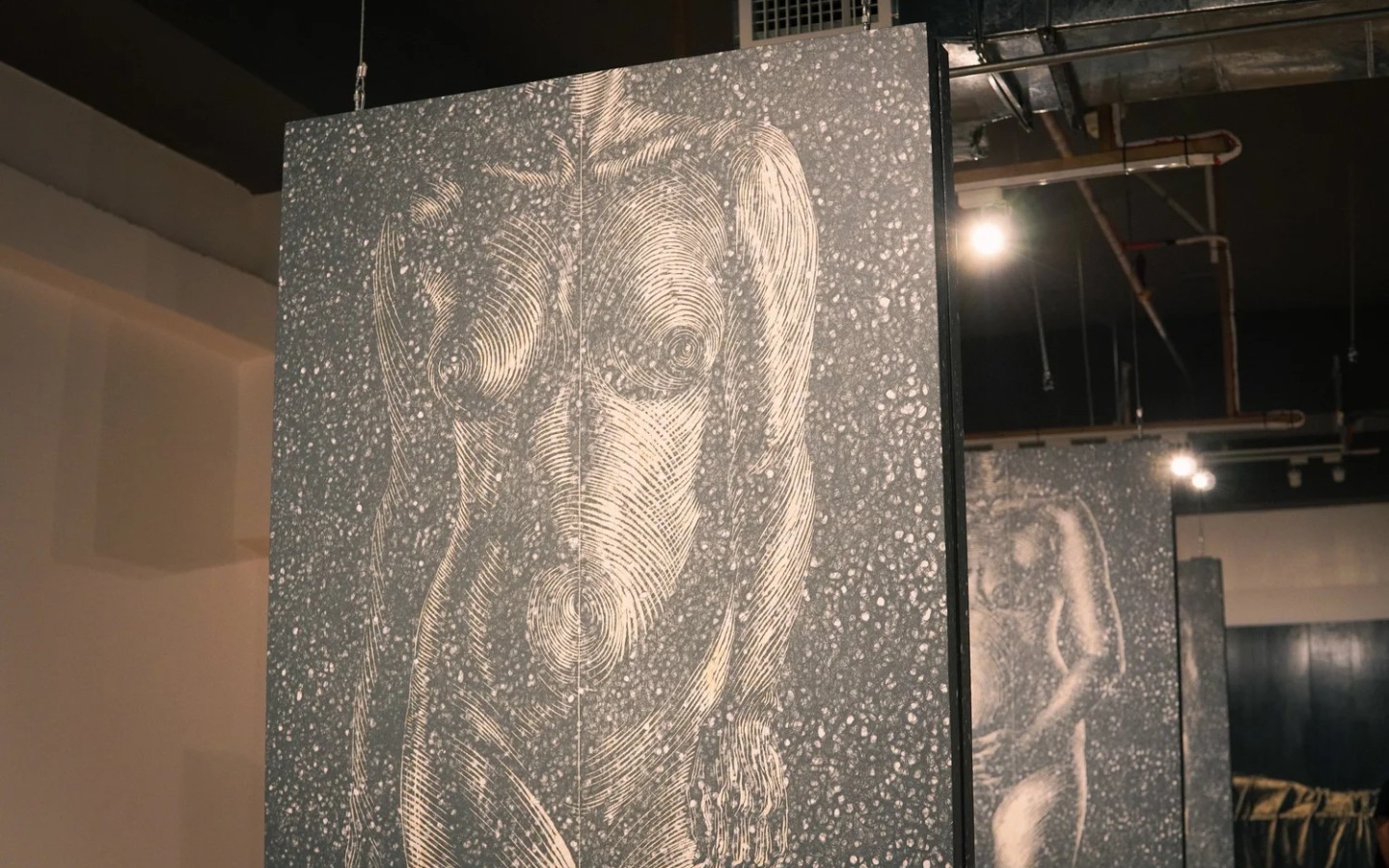
The fair’s interest lay in the relationship between a commercial gallery visit and a more sustained encounter with an artist’s practice. Moving between the exhibitor floors and special projects encouraged visitors to compare not only individual works, but different ways of organising an exhibition and telling an artistic history.
Projects with distinct artistic voices
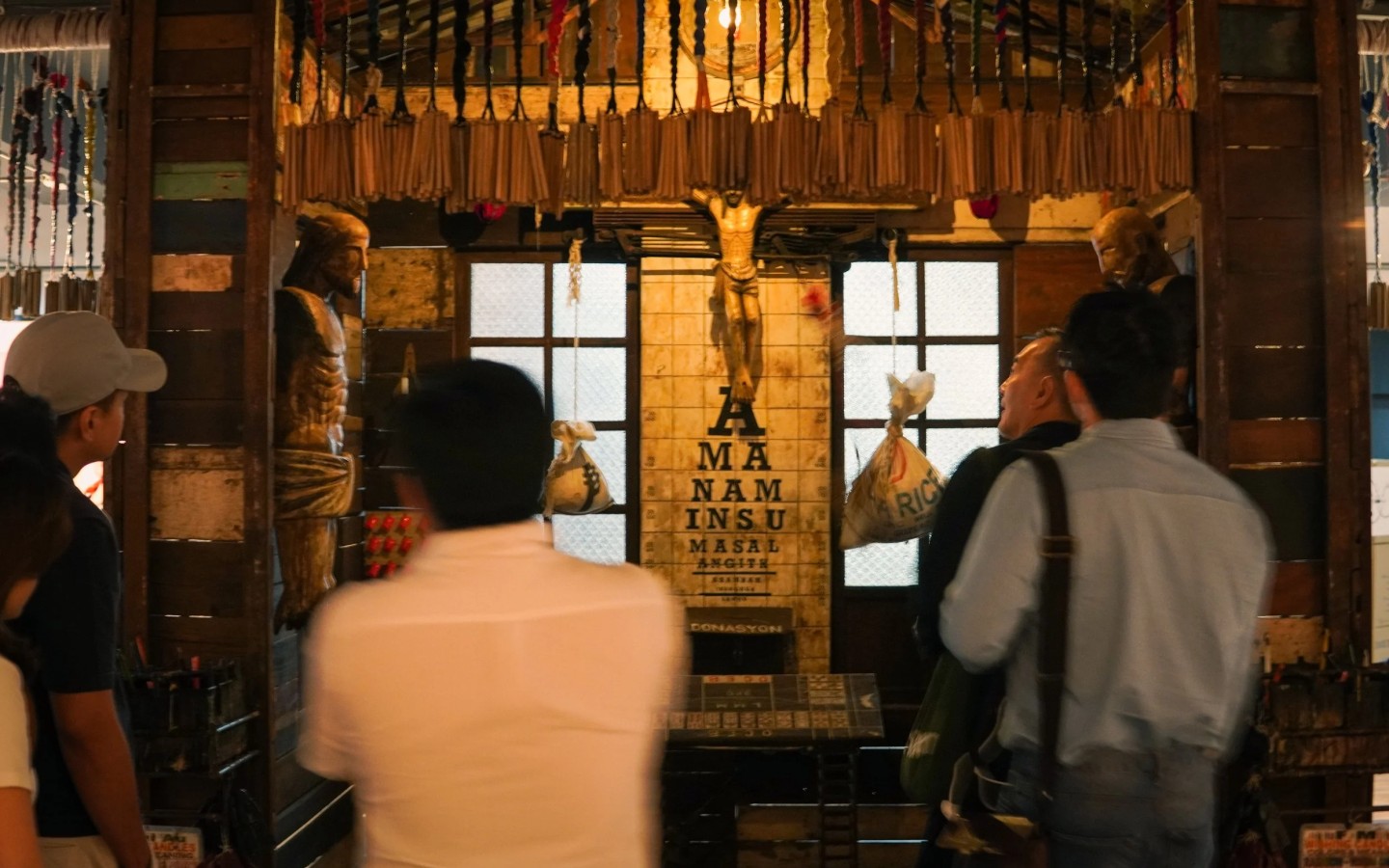
ArtFairPH/Projects included Imelda Cajipe Endaya’s A Votary’s Art, a selection spanning her printmaking practice. Its variety of techniques connected formal experimentation with concerns around identity, history and social experience. Ambie Abaño’s …beyond body… and Max Balatbat’s KAPILYA offered further approaches to material and installation.
The programme also presented Constancio Bernardo, Brenda V. Fajardo, Ged Unson Merino, Jon and Tessy Pettyjohn, Sa Tahanan Co., Solomon Saprid, Romeo Tabuena and Ampparito. Rather than expecting these artists to illustrate a single national style, the rewarding approach was to follow the differences between their working methods, histories and subjects.
Exhibition designers Nazareno/Lichauco conceived the Special Projects area around the memory of a neighbourhood plaza, with paths and informal meeting places connecting the presentations. The spatial arrangement made conversation and movement part of the visit, giving the projects a different character from a sequence of enclosed booths.
Digital work and learning
ArtFairPH/Digital featured The Keeper, an animated short by TRNZ made with Fleet Studios. Its story considered the pressure of achievement and the details of life that can escape attention. Seeing moving image alongside prints, painting and installation invited a change in pace rather than a single, hurried viewing routine.
The talks programme, presented with the Ateneo Art Gallery and Museum Foundation of the Philippines, extended the fair through discussion. Topics included Philippine modern artists, new materials and approaches to making, and archival practices. These sessions created opportunities to place a gallery encounter within a broader artistic conversation.