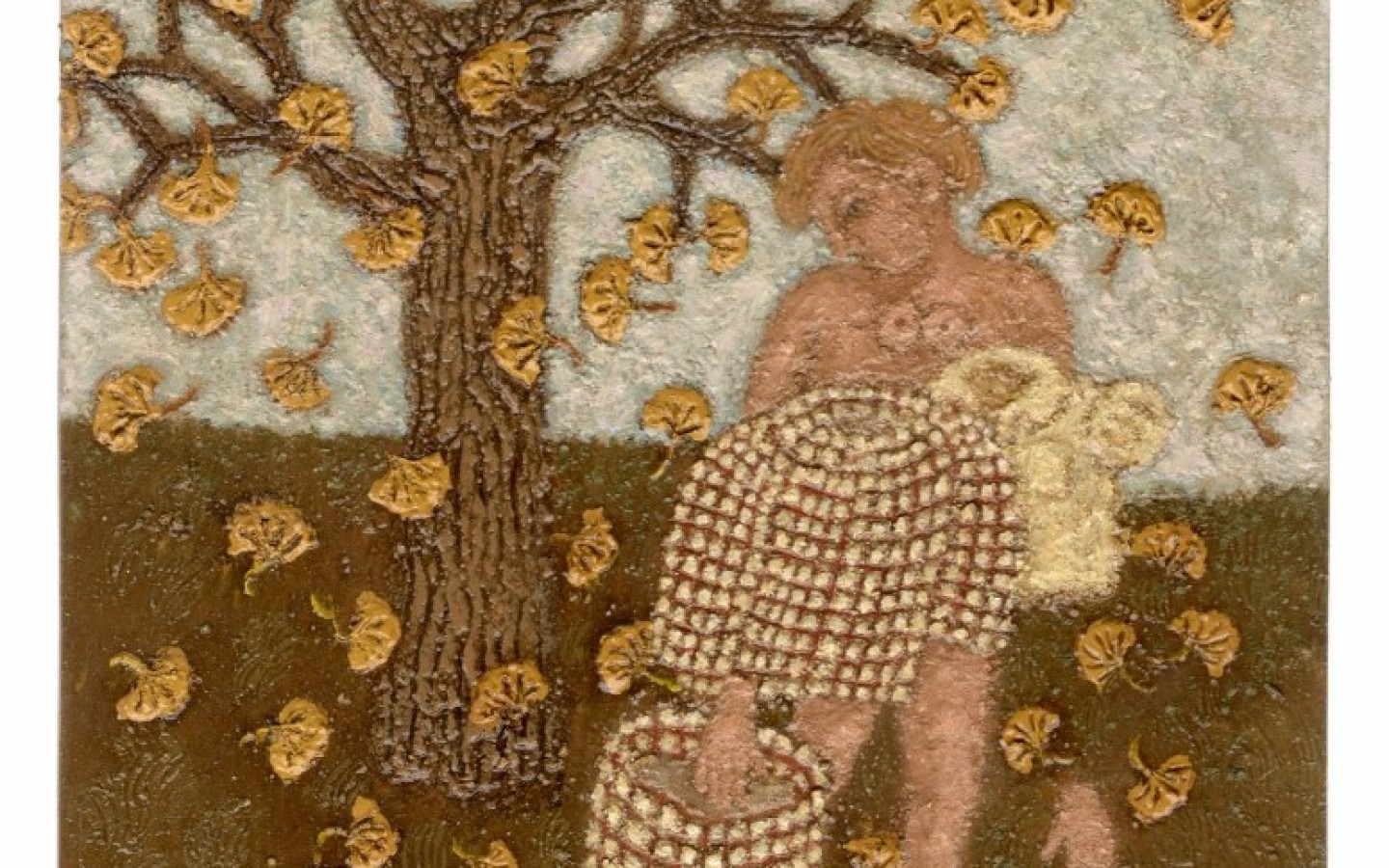
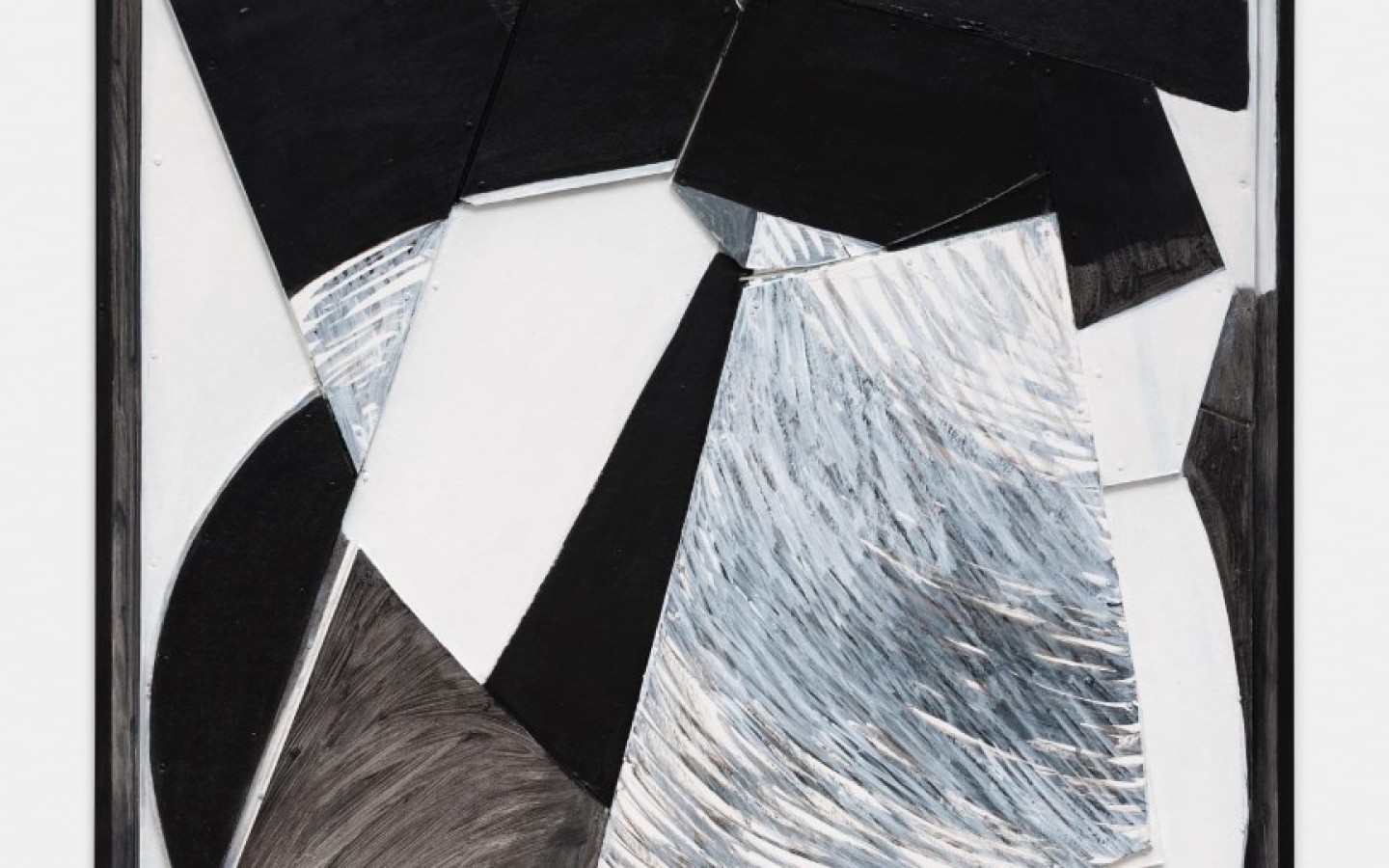
The fair offered several different routes into modern and contemporary art. A gallery booth might place a historical experiment beside a recent practice, while a smaller curated presentation could make an unfamiliar artist easier to explore. The 2026 line-up included 32 galleries participating for the first time, creating new connections alongside established programmes.
Encounters, Echoes and digital art
Encounters, dedicated to ambitious works beyond a conventional booth, was led by Mami Kataoka with Isabella Tam, Alia Swastika and Hirokazu Tokuyama. Its scale and spatial character gave visitors a different rhythm of looking after the gallery aisles.
The new Echoes sector focused on work created within the preceding five years, in focused presentations by up to three artists. Zero 10 made its Asian debut, bringing digital and technologically engaged practices into a dedicated curatorial and collecting framework. These formats invited visitors to consider how a work is encountered and presented, not only what it depicts.
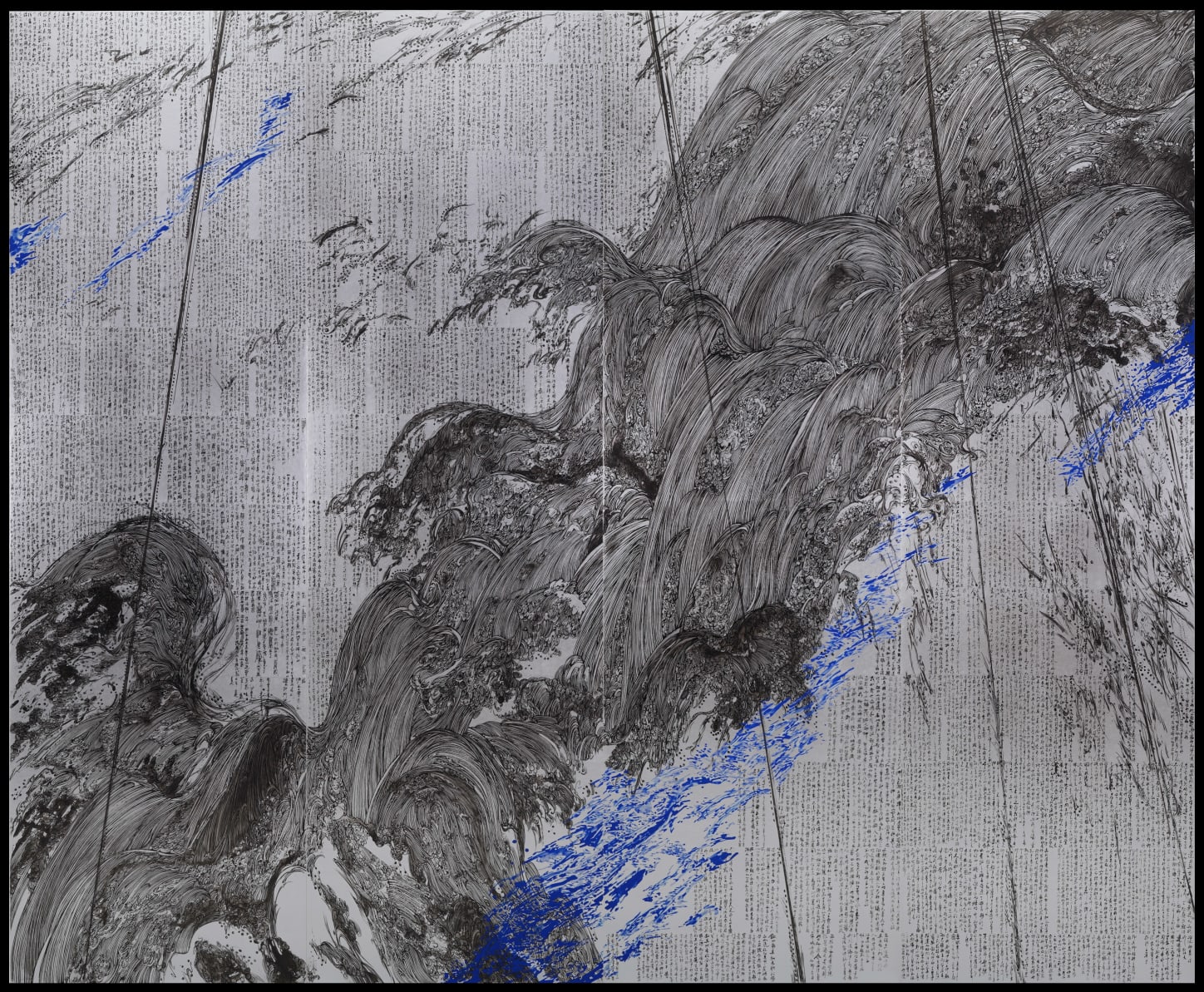
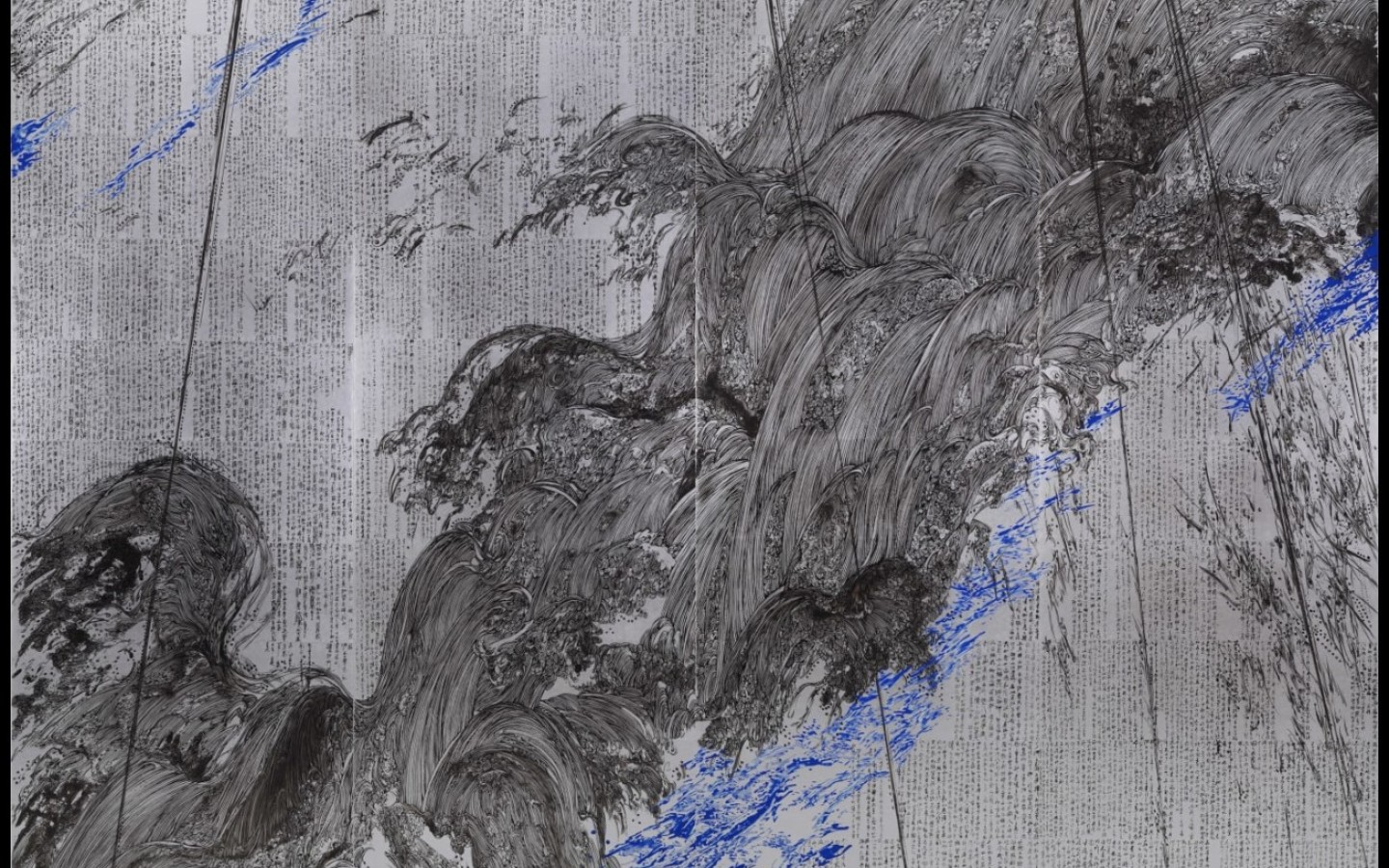
Among the debut gallery programmes, A Lighthouse called Kanata introduced abstract practices connected with Japanese materials and painting traditions. Official programme illustrations included Takafumi Asakura’s The Water of Light, Transcendent. Other gallery perspectives ranged from Plum Cloutman’s intimate paintings through Althuis Hofland Fine Arts to Natalia Załuska’s spatial use of painted cardboard with Double Q Gallery.
A fair connected to the city
The Film programme, curated by Ellen Pau, and Conversations extended the visit through moving image and discussion. Public access to these activities was separate from admission to the fair halls. Citywide projects included Shahzia Sikander’s commission for the M+ Facade and Christine Sun Kim’s A String of Echo Traps at Pacific Place, making it possible to build an itinerary across different settings.